
Fix Tapo Camera Integration Broken in Home Assistant (2026 Guide)
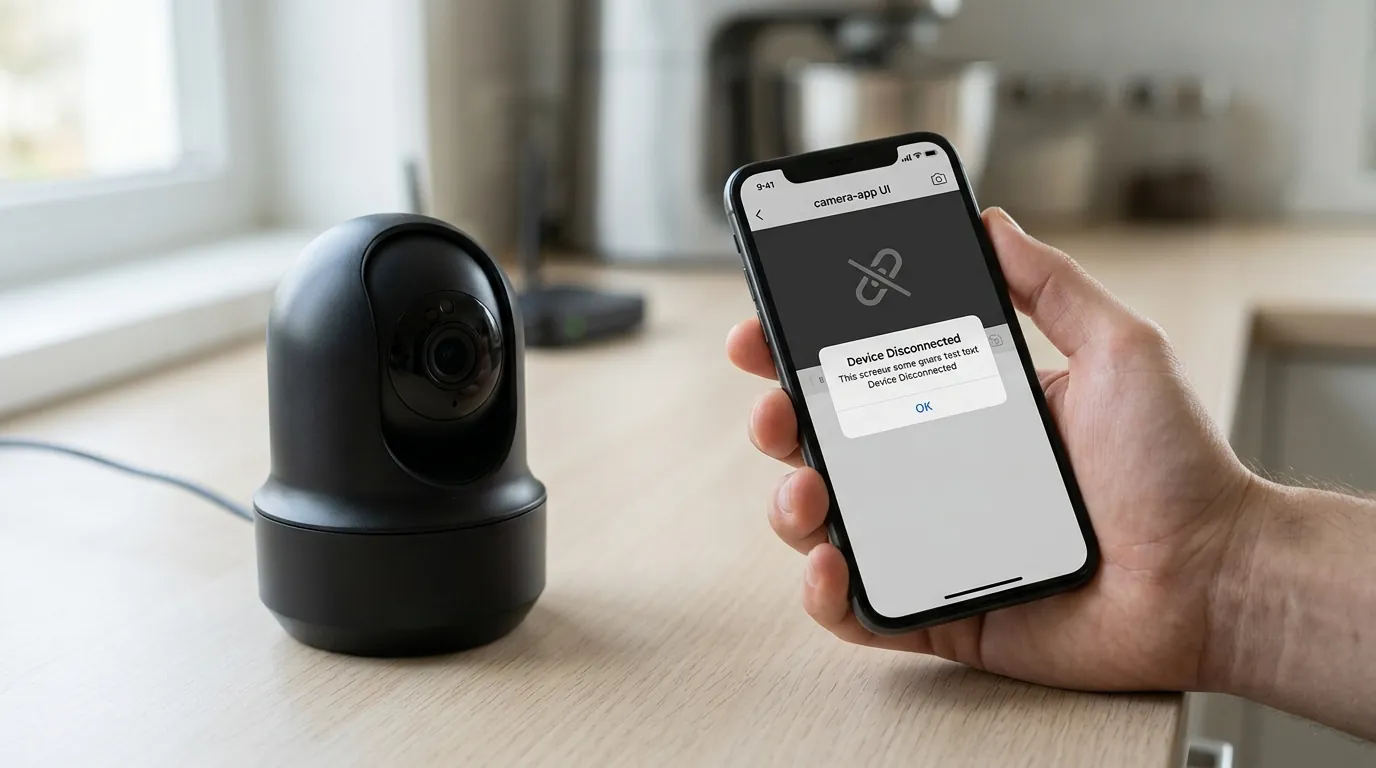
When your Home Assistant dashboard suddenly replaces your backyard view with a “Terminal Unavailable” icon, the reliability of your entire security stack feels compromised.
📝 Editorial Note: This guide is AI-assisted and game data evolves rapidly. Please cross-reference with in-game information. Updated: 2026-09-13.
Most 2026 Tapo integration failures are caused by firmware updates (like C120 v1.9.2) breaking SSL handshakes or the Home Assistant Core 2026.6.x regression. To restore access, toggle ‘Third-party Compatibility’ in the Tapo app and verify your ‘Camera Account’ local credentials, ensuring they differ from your TP-Link cloud ID.
The symptom
Related: Fixing TP-Link Tapo Camera Integration Issues with KeePeek · SimpliSafe App Down? Fix August 2026 Connection Errors · Fix Reolink Doorbell Notification Issues: 2026 Guide
In the high-stakes environment of home security, a “broken” integration rarely means the camera has stopped recording to its internal SD card. Instead, the failure usually manifests as a breakdown in the communication bridge between the camera’s local API and the Home Assistant (HA) state machine.
Users typically encounter one of three distinct failure states. First is the “Entity Unavailable” status, where the camera appears in the dashboard but provides no attributes or controls. Second is the authentication loop, where Home Assistant repeatedly prompts for credentials that worked just hours prior. Third is the “Stream Timeout,” where PTZ (Pan-Tilt-Zoom) controls might still work, but the high-definition RTSP or ONVIF video feed fails to initialize in Frigate or the HA Media Player.
The most definitive way to diagnose the specific break is by checking the Home Assistant System Logs (Settings > System > Logs). If you see the specific error code -40211, you are dealing with a handshake failure rather than a network disconnect.
Identifying the -40211 Authentication Error
The -40211 error code has become the hallmark of the 2026 integration crisis. It specifically refers to a failure in the initial encrypted handshake between the python-tapo library and the camera’s firmware. Unlike a “401 Unauthorized” error, which suggests a wrong password, -40211 indicates that the camera and Home Assistant cannot agree on the security protocol to use for the conversation. This is frequently seen in the official TP-Link integration after a camera auto-updates to a version that enforces stricter SSL certificate validation.
Stream Failures vs. Control Failures
It is vital to distinguish between a “Control Failure” (where you cannot move the camera or toggle the privacy mode) and a “Stream Failure” (where the video feed is black).
- Control Failures are usually linked to the Tapo API (Port 443 or 80).
- Stream Failures are typically linked to the RTSP/ONVIF protocol (Port 554 or 2020). If your controls work but the stream is broken, the issue likely resides in the “Camera Account” settings or a blocked port on your IoT VLAN.
| Symptom | Error Message in Logs | Common Affected Firmware | Primary Workaround |
|---|---|---|---|
| Auth Loop | Error trying handshake1: error_code: -40211 | C120 v1.9.2+, C220 v1.4.4+ | Toggle ‘Third-party Compatibility’ |
| Black Stream | RTSP Setup failed: 401 Unauthorized | All models | Reset ‘Camera Account’ credentials |
| Total Timeout | Host 192.168.x.x unreachable | All models | Assign Static IP / Check DHCP |
| Control Only | Failed to fetch ONVIF configuration | C200 v1.3.11+ | Enable ONVIF in Advanced Settings |
What’s likely happening
The instability reported throughout early 2026 stems from a “perfect storm” of manufacturer security hardening and open-source software regressions. TP-Link has been under increasing pressure to comply with updated international cybersecurity standards regarding local device access, leading to significant changes in how their cameras handle non-cloud requests.
The 2026 Firmware SSL Shift
Starting with firmware versions released in Q2 2026, such as the C120 v1.9.2 (released June 12, 2026) and the C220 v1.4.4 (released July 2026), TP-Link modified the local API SSL/TLS handshake requirements. These updates moved away from older, less secure encryption ciphers in favor of modern standards. While this improves security, it broke the python-kasa and python-tapo libraries used by Home Assistant, which were expecting the older handshake patterns. According to community reports on the JurajNyiri/HomeAssistant-Tapo-Control GitHub, these firmware updates often “stealth-reset” the local API access permissions.
Home Assistant Core 2026.6.x Regressions
Compounding the firmware issue, the release of Home Assistant Core 2026.6.0 introduced a change in how the official TP-Link integration manages persistent connections. A regression in this version caused the integration to “forget” valid session tokens prematurely, leading to the dreaded “Invalid cloud password” error even when the credentials were correct. This was officially addressed in the Home Assistant 2026.7.2 patch notes, but users who haven’t updated their HA instance will remain stuck in a failure loop.
Local API vs. Cloud API Conflicts
Tapo cameras operate on two distinct planes: the Cloud API (used by the Tapo App) and the Local API (used by Home Assistant). In recent updates, TP-Link has begun requiring a “handshake” with their cloud servers to authorize a local session. If your camera is blocked from the internet via a firewall but hasn’t had its “Third-party Compatibility” mode enabled, the local API will refuse to respond to Home Assistant, fearing a localized brute-force attack.
Quick fixes (in order of likelihood)
Before diving into complex network reconfigurations, follow these steps in order. Approximately 80% of integration “breaks” in 2026 are resolved by the first two steps.
The ‘Off-and-On’ Compatibility Toggle
TP-Link recently added a master switch for third-party access that can sometimes become “de-synced” from the camera’s actual state after a firmware update.
- Open the Tapo App.
- Select your camera and tap the Settings (gear icon).
- Navigate to Advanced Settings.
- Find Third-party Compatibility.
- If it is ON, toggle it OFF, wait 10 seconds, and toggle it back ON.
- Restart Home Assistant. This forces the camera to re-broadcast its availability to local listeners.
Resetting Local Camera Credentials
A common mistake is using your TP-Link ID (email address) to log into the Home Assistant integration. The integration requires the Camera Account credentials, which are distinct.
- In the Tapo App, go to Settings > Advanced Settings > Camera Account.
- Create a NEW username and password (avoid special characters like
@or!as they can sometimes break the RTSP URL string in HA). - In Home Assistant, go to Settings > Devices & Services.
- Find the Tapo/TP-Link entry, click the three dots, and select Reconfigure.
- Enter the new Camera Account credentials you just created.
Updating the Official TP-Link Integration
If you are using the official integration (not the HACS version), ensure your Home Assistant version is at least 2026.7.2. This version contains the specific library updates required to handle the new SSL handshakes introduced in the C120 and C220 firmware updates.
Deeper diagnostics
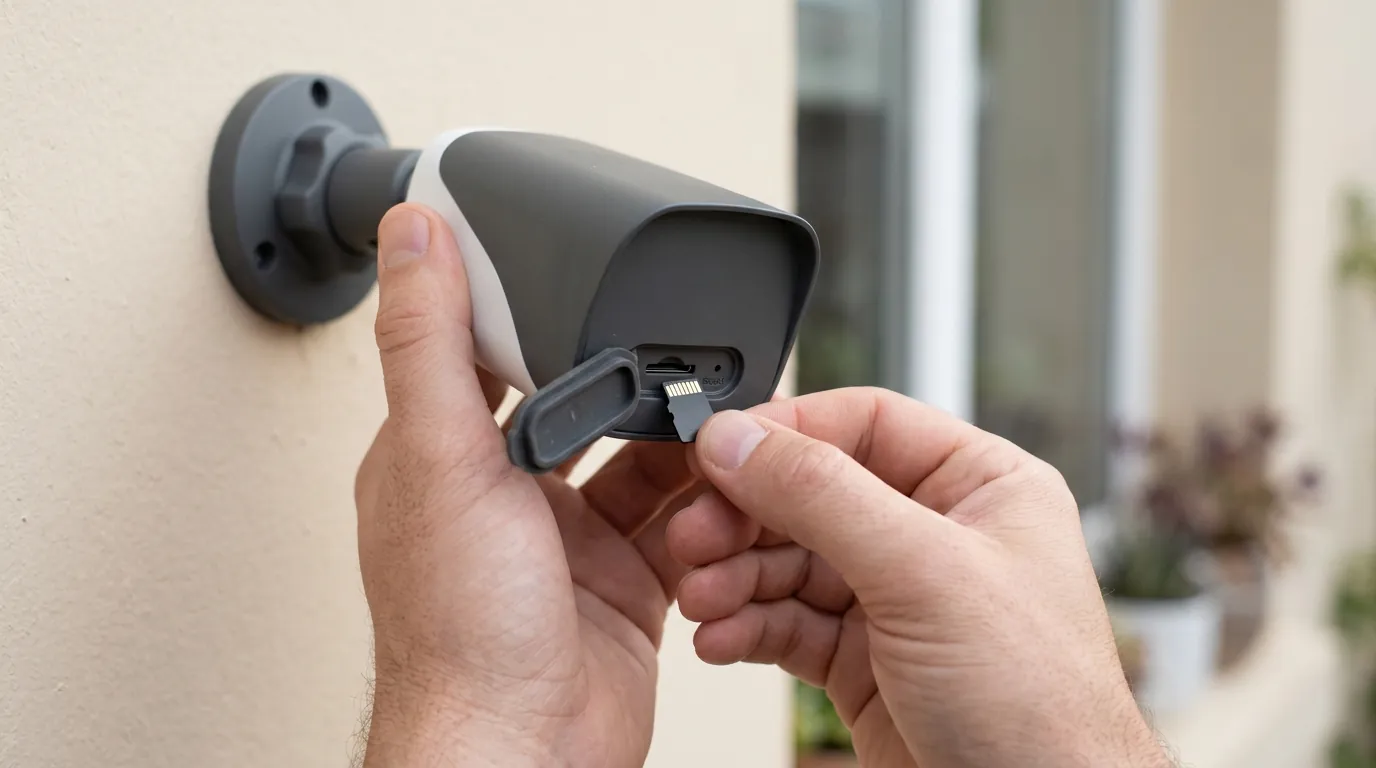
If the quick fixes fail, you must isolate whether the problem lies with the camera’s hardware/firmware or the Home Assistant software environment.
Isolating the Stream with VLC
To verify if the camera is actually outputting a video signal, bypass Home Assistant entirely using VLC Media Player:
- Open VLC on a computer connected to the same network.
- Go to Media > Open Network Stream.
- Enter the following URL:
rtsp://username:password@IP_ADDRESS:554/stream1(replaceusernameandpasswordwith your Camera Account credentials). - If the stream plays in VLC but not in HA, the issue is your Home Assistant configuration or a conflict with an add-on like Frigate. If it fails in VLC, the camera’s local API is likely disabled or blocked by a firewall.
Analyzing the Home Assistant Core Logs
Search your logs specifically for “tapo” or “kasa.”
- Success Log:
[homeassistant.components.tplink] Device 192.168.1.50 connected successfully. - Failure Log:
[custom_components.tapo_control] Authentication to Tapo device failed with code -40211.If you see-40211, it is a confirmed firmware-level handshake issue. If you seeConnectionTimeout, the camera is likely on a different subnet or has changed its IP address.
Switching Integration Methods (HACS vs. Official)
There are currently two primary ways to integrate Tapo cameras: the Official TP-Link Smart Home integration and the HACS Tapo: Cameras Control custom component.
- The Official Integration is more stable for basic sensors and motion detection but can be slower to update when TP-Link changes their API.
- The HACS Version (by Juraj Nyiri) often includes “bleeding edge” fixes for new firmware versions weeks before the official integration. If one is broken, it is often worth disabling it and trying the other to see if the library version in that specific integration handles the new firmware better.
Quvii Pro Tip: If your camera’s firmware has permanently restricted local access or you find the “cloud handshake” requirement too intrusive, consider a hardware switch. The Reolink E1 Pro (typically in the $50 range) offers native, stable ONVIF support that does not require a cloud account for local integration, making it a favorite for “local-only” Home Assistant users.
When to contact support
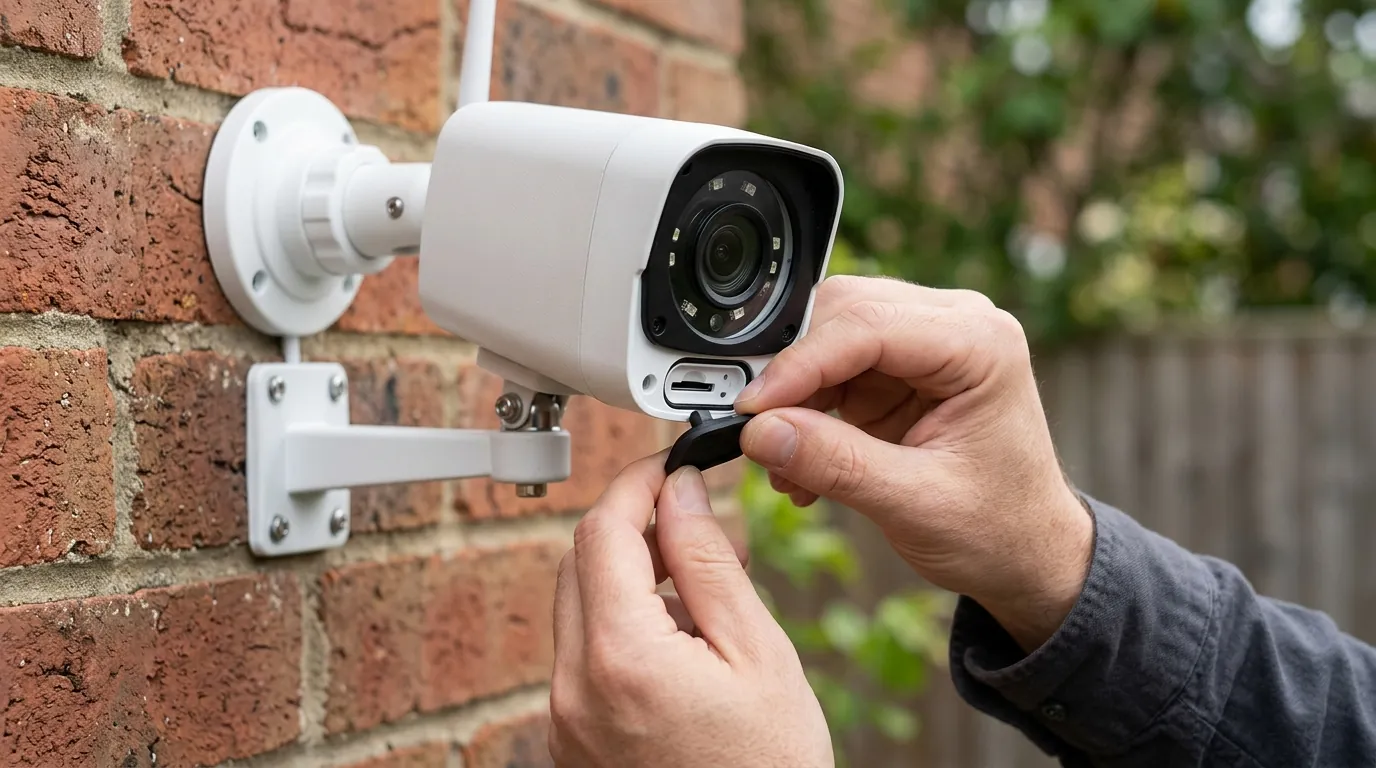
While Home Assistant is a community-driven platform, certain failures indicate a hardware or account-level problem that only TP-Link can resolve.
Hardware Failure Indicators
If your camera is non-responsive in both Home Assistant and the official Tapo app, check the physical LED on the device.
- Solid Red: The camera is booting or experiencing a system error.
- Flashing Red and Green: The camera is ready for setup (it has lost its configuration).
- Solid Orange: The camera is connected to Wi-Fi but cannot reach the internet/cloud. If the LED remains solid red for more than 10 minutes after a firmware update, the device may be “bricked.” In this case, contact TP-Link Support for a warranty claim.
Community-Led Bug Tracking
Because TP-Link does not officially support Home Assistant, their standard support agents may be unable to help with integration-specific errors. Instead, monitor the following primary artifacts for real-time fixes:
- GitHub Issue Tracker: Check the Home Assistant Core Issues for “Tapo” to see if a new breaking change has been identified.
- TP-Link Community Forums: Search for “Tapo C120 firmware 1.9.2” to see if other users are reporting local API disappearing.
- Account Lockouts: If you have tried the wrong password too many times, TP-Link may temporarily ban your local IP. If this happens, power cycle the camera and wait 30 minutes before trying again.
How to prevent it
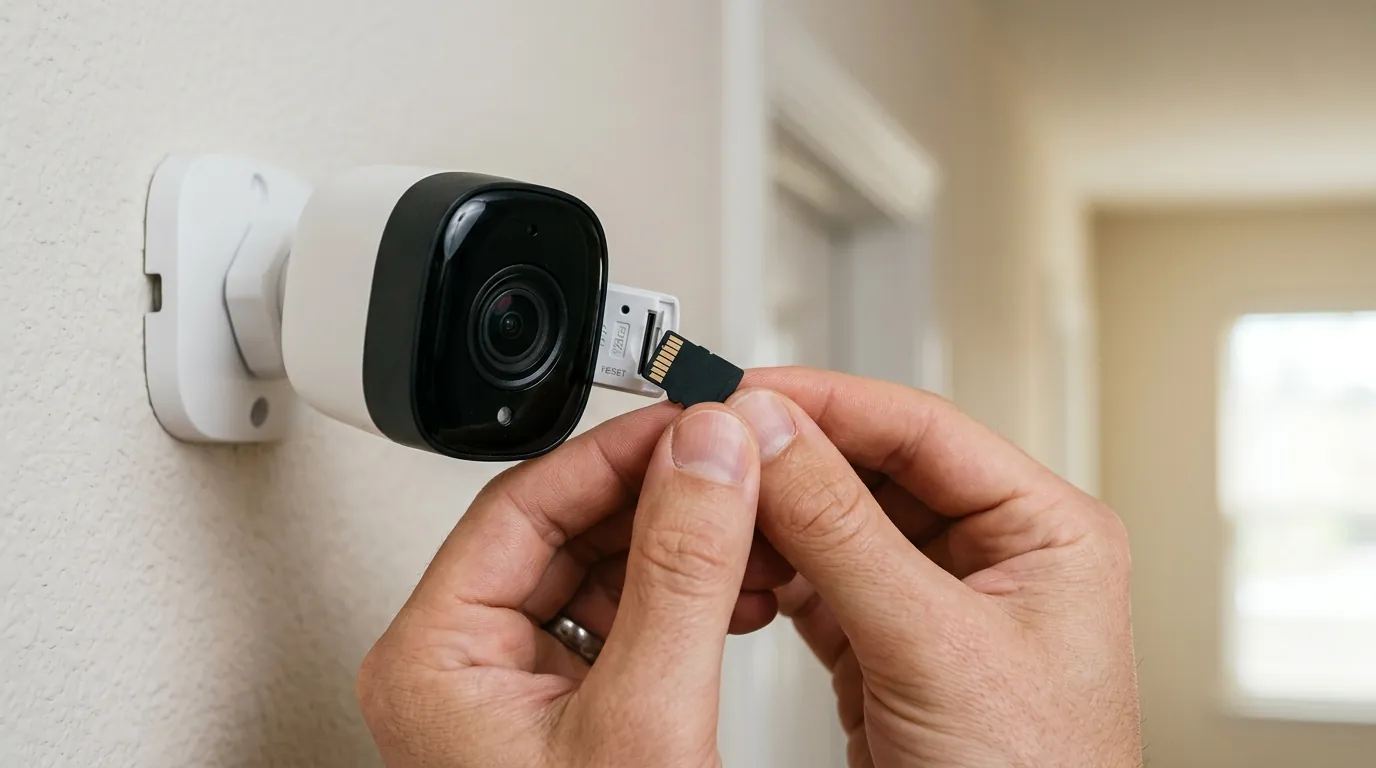
Once you have restored your integration, take these steps to ensure a firmware update doesn’t break your security system again.
Locking Down Firmware Updates
The most common cause of a “broken” integration is an unexpected firmware update.
- In the Tapo App, go to Me > Firmware Update.
- Select your camera and disable Auto Update.
- Only update your cameras manually after checking the Home Assistant forums to see if the new version is “safe” for integration users.
Network-Level Stability (Static IPs & VLANs)
Home Assistant looks for your camera at a specific local IP address. If your router reassigns that IP (which happens when a DHCP lease expires), the integration will break.
- DHCP Reservation: Go to your router settings and assign a “Static IP” or “DHCP Reservation” to each camera based on its MAC address.
- VLAN Isolation: For maximum security, place your cameras on a dedicated IoT VLAN. Ensure your firewall rules allow “Established and Related” traffic so the cameras can respond to Home Assistant’s requests without having full access to your private computers.
The Case for Local-Only Firewall Rules
If you want to “freeze” your camera in its current working state, you can block the camera’s IP from accessing the internet at the router level. Note that this will break the official Tapo App’s remote viewing and cloud notifications, but it prevents the camera from “calling home” to download breaking firmware updates. This creates a truly local-only security device that remains stable regardless of TP-Link’s cloud-side changes.
Frequently Asked Questions
Why does my Tapo camera show ‘Unavailable’ only in Home Assistant but works in the Tapo app?
This happens because the Tapo app uses a cloud-based tunnel to communicate with the camera, while Home Assistant relies on the Local API. If a firmware update changes the local encryption (SSL) or if “Third-party Compatibility” is disabled, the cloud app will still work, but the local integration will fail to authenticate.
What is the difference between my TP-Link ID and the Camera Account?
Your TP-Link ID is the email and password used to log into the Tapo app and cloud services. The Camera Account is a separate, local-only set of credentials (username and password) created within the Tapo app’s Advanced Settings specifically for RTSP and ONVIF streams. Home Assistant usually requires the Camera Account for video streaming.
Do I need a subscription to use Tapo cameras with Home Assistant?
No. While TP-Link offers the “Tapo Care” subscription for cloud storage and AI features, Home Assistant communicates with the camera over your local network. You can view live streams, detect motion, and control PTZ functions without any monthly fees, provided the local API remains accessible.
Can I downgrade my Tapo camera firmware if an update breaks my integration?
Generally, no. TP-Link does not provide a public tool for downgrading firmware once an update is applied. This is why disabling “Auto-Update” in the Tapo app is a critical step for Home Assistant users who value system stability over having the latest firmware features.
Sources
- TP-Link Tapo Official Support — https://www.tapo.com/en/support/
- Home Assistant Release Notes (2026.7.2)
- JurajNyiri Tapo Control GitHub — https://github.com/JurajNyiri/HomeAssistant-Tapo-Control
- TP-Link Community Forums: Tapo Camera Local API Changes — https://community.tp-link.com/en/smart-home/forum/584