
SimpliSafe App Down? Fix August 2026 Connection Errors
If you are seeing the “Real Time Information is Temporarily Unavailable” error on your SimpliSafe dashboard this month, you are not alone; a series of backend sync issues in August 2026 has left many systems struggling to refresh device status.
📝 Editorial Note: This guide is AI-assisted and game data evolves rapidly. Please cross-reference with in-game information. Updated: 2026-09-12.
Quick Answer: If your SimpliSafe app is down in August 2026, most issues are caused by the “Real Time Information Unavailable” error or backend synchronization delays following recent system updates. Fix it by logging out of the app and back in to refresh your security token, or perform a “hard reset” of your Base Station by unplugging it and removing one backup battery for 30 seconds.
The symptom
Related: Fix Reolink Doorbell Notification Issues: 2026 Guide · Fix: TP-Link Tapo Camera Integration Not Working (2026 Guide) · Wyze Doorbell HomeKit Function Broken? 2026 Fixes & Tips
Throughout August 2026, SimpliSafe users have reported a specific set of failures that differ from a total ISP outage. While the Base Station may show a “solid blue” light—indicating a healthy connection to the SimpliSafe servers—the mobile application often fails to reflect this reality.
The most common symptoms reported during this period include:
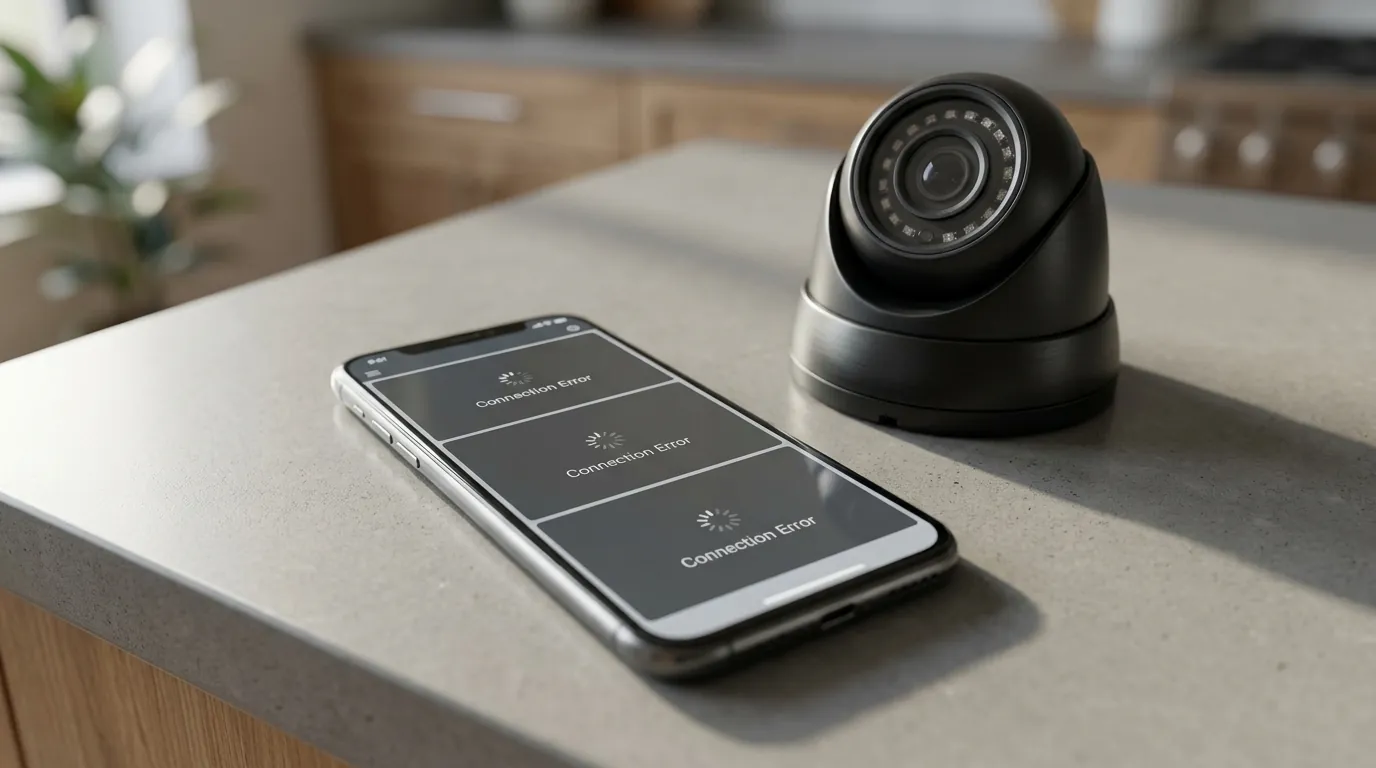
- The “Real Time Information” Error: A persistent banner at the top of the app dashboard stating “Real Time Information is Temporarily Unavailable.” This prevents users from seeing if the system is armed or disarmed in real-time.
- Live Feed Latency: Users attempting to access the Smart Alarm Wireless Indoor Camera (FCC ID: U9K-CM3000) often encounter infinite loading spinners. Even when the “Privacy Shutter” is heard clicking open, the video stream fails to handshake.
- The “Device Connection Problem” Banner: This message may appear specifically on camera thumbnails within the app, even while the Keypad and Base Station report that the system is “Online and Pulses.”
- Timeline Gaps: Significant delays in the event timeline, where door openings or motion events do not appear in the app for 15–30 minutes after they occur.
App Login Loops
Some users on iOS 19 and Android 16 have reported “Login Loops” where the app accepts credentials, begins to load the dashboard, and then abruptly kicks the user back to the login screen. This is typically a symptom of an expired or corrupted OAuth token within the app’s local storage, often triggered by server-side maintenance.
Camera Offline vs. System Offline
It is critical to distinguish between a camera being offline and the entire system being offline. If your Keypad allows you to arm the system but the app shows “Offline,” the issue is likely the SimpliSafe API pipeline. If the Keypad itself says “No Link to Dispatcher,” the problem is local to your Base Station’s connection to your Wi-Fi or cellular network.
| Error Message | Primary Location | Likely Meaning |
|---|---|---|
| “Real Time Information is Temporarily Unavailable” | App Dashboard | Backend API latency or sync error. |
| “No Link to Dispatcher” | Keypad / Base Station | Total loss of Wi-Fi and Cellular backup. |
| “Device Connection Problem” | Camera Feed | Local 2.4GHz interference or low camera battery. |
| “Camera Disconnected” | App Camera Settings | Camera has lost its DHCP lease or Wi-Fi handshake. |
What’s likely happening
The connectivity issues observed in August 2026 are largely attributed to server-side updates and the ongoing rollout of new system firmware. Unlike a localized Wi-Fi failure, these symptoms point to a “handshake” problem between the SimpliSafe cloud and the mobile app.
The Firmware Factor
SimpliSafe has released several updates throughout the summer of 2026 to improve the response time of the Smart Alarm Wireless Indoor Camera. While SimpliSafe has not publicly published a specific version number for the August 14th patch as of September 12, 2026, user reports on the SimpliSafe Community Forums suggest that Base Stations attempting to sync new security protocols are experiencing temporary “heartbeat” failures.
When the Base Station receives a firmware update, it must re-authenticate with the SimpliSafe “Event Pipeline.” If this authentication fails, the Base Station continues to monitor the home locally, but the app remains “blind” to its status, leading to the “Real Time Information” error.
Backend API Latency
SimpliSafe utilizes AWS (Amazon Web Services) for its cloud infrastructure. During peak reporting periods in August 2026, latency in the US-East-1 region—where much of SimpliSafe’s real-time traffic is routed—has caused the app to “timeout” before it can retrieve the current status of the sensors.
Furthermore, the Outdoor Camera Series 2 relies on a persistent low-power connection. When the backend API is latent, the camera may “sleep” to preserve battery, but the app fails to send the “wake-up” command properly, resulting in the “No Video” or “Connection Problem” errors.
OS-Level Interference
With the release of iOS 19 and Android 16 in late 2025 and early 2026, new “Private Relay” and “Advanced MAC Randomization” features have been introduced. If these are enabled on your smartphone, they can interfere with how the SimpliSafe app validates your local network, sometimes causing the app to believe it is on an insecure connection and refusing to stream video.
Quick fixes (in order of likelihood)
Before spending hours on the phone with support, follow these steps in order. These address the most common causes of the August 2026 app errors.
1. The “Logout-Login” Refresh
This is the most effective fix for the “Real Time Information Unavailable” error.
- Open the SimpliSafe App.
- Navigate to the Menu (three horizontal lines).
- Scroll to the bottom and select Log Out.
- Force Close the app (swipe up from the bottom of your phone screen).
- Re-open the app and log back in. This forces the app to request a fresh authentication token from the SimpliSafe servers, often clearing the sync error immediately.
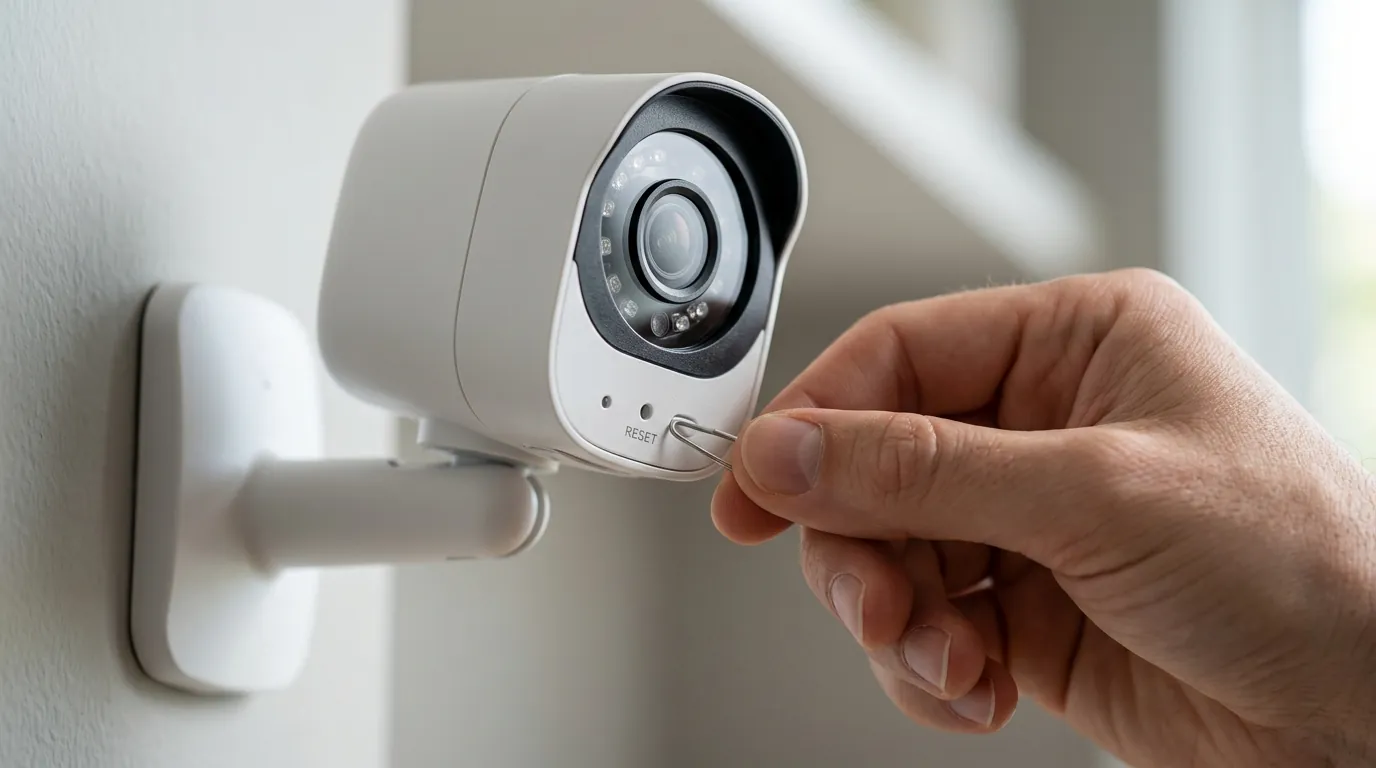
2. Rebooting the Brain (Base Station Hard Reset)
If the app logout doesn’t work, the Base Station’s internal Wi-Fi card may be hung.
- Unplug the power adapter from the wall.
- Use a Phillips-head screwdriver to open the battery compartment at the bottom of the Base Station.
- Remove one battery for at least 30 seconds.
- Reinsert the battery and plug the power back in.
- Wait for the Base Station to say “Your system is now in Test Mode” (or the blue light to stabilize).
- Exit Test Mode on your Keypad.
3. Clear App Cache (Android Only)
Android users often experience UI glitches where the app “remembers” an error state even after it’s fixed.
- Go to Settings > Apps > SimpliSafe.
- Select Storage.
- Tap Clear Cache (do not tap Clear Data unless you want to log in again).
4. Toggle Wi-Fi/Cellular
Switch your phone off your home Wi-Fi and attempt to view the cameras using LTE/5G/6G. If the cameras load on cellular but not on Wi-Fi, your router’s firewall or DNS settings are likely blocking the SimpliSafe encrypted video tunnel.
Deeper diagnostics
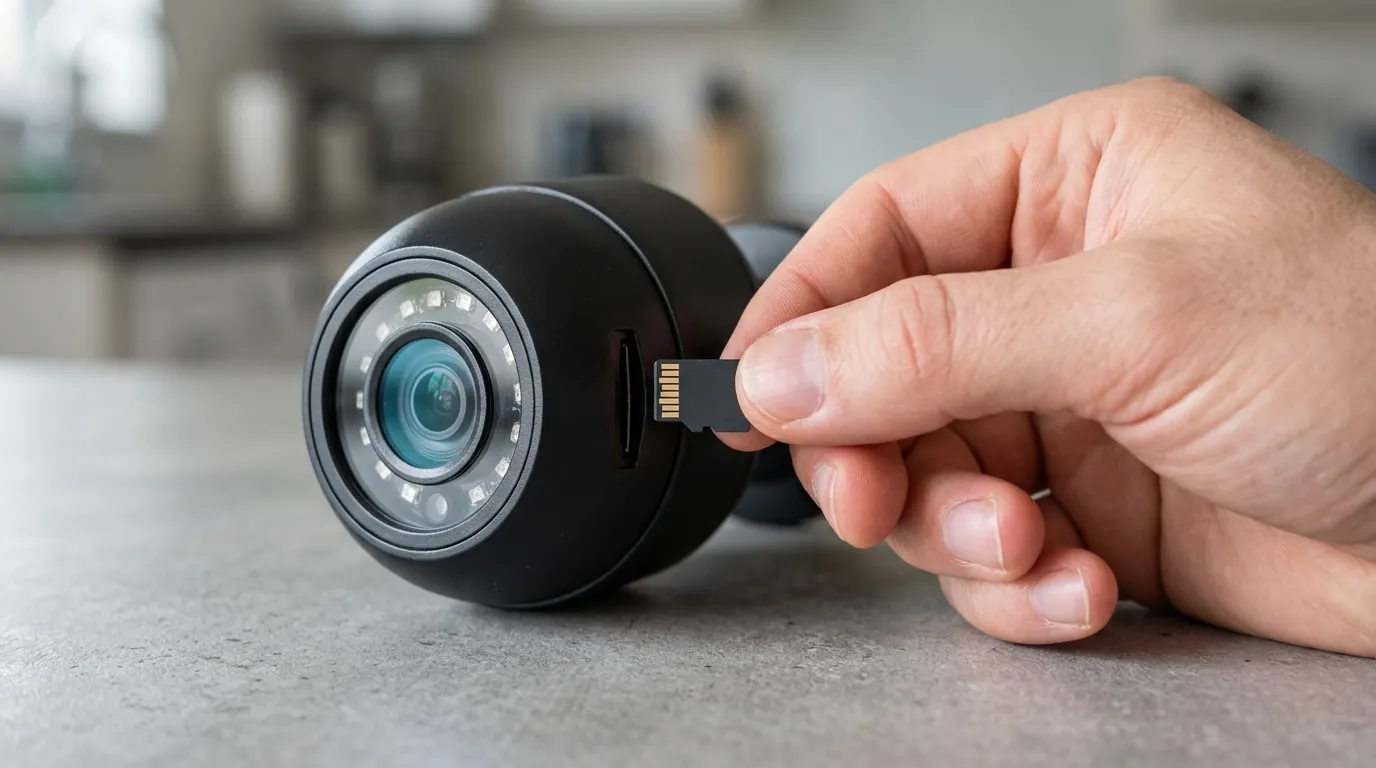
If the quick fixes fail, you may be dealing with a hardware-level signal issue or a subscription-level block.
Signal Interference and Band Steering
SimpliSafe hardware, including the Base Station and the Outdoor Camera Series 2, remains strictly compatible with 2.4GHz Wi-Fi bands. Many modern “Smart Connect” or “Mesh” routers (like Eero or Google Nest Wi-Fi) try to force devices onto the 5GHz band for speed.
How to check your signal strength: On your SimpliSafe Keypad:
- Press Menu and enter your Master PIN.
- Navigate to System Settings.
- Select Diagnostics.
- Scroll to Base Station and check the WiFi RSSI.
| RSSI Value (dBm) | Connection Quality | Action Required |
|---|---|---|
| -30 to -50 dBm | Excellent | None; the issue is likely server-side. |
| -51 to -65 dBm | Good | Standard performance. |
| -66 to -80 dBm | Poor | Move Base Station closer to the router. |
| -81 dBm or lower | Critical | Connection will drop frequently; use a Wi-Fi extender. |
Cellular Backup Verification
If you pay for a monitoring plan, your system includes a cellular backup (typically via the Verizon or AT&T 4G/5G networks). To test if your Wi-Fi is the culprit:
- Unplug your home router.
- Wait 2 minutes for the Base Station to switch to cellular (the light may turn tan or yellow briefly).
- Try to arm the system via the app. If it works on cellular but not on Wi-Fi, your router’s MTU size or UDP timeout settings may be too restrictive for SimpliSafe’s keep-alive packets.
2026 Subscription Tiers
Ensure your plan hasn’t lapsed. As of mid-2026, SimpliSafe has adjusted its pricing tiers. If you are on an unmonitored plan, you will not have access to video recordings, which can sometimes appear as a “Connection Error” when trying to view the timeline.
- Standard ($22.99/mo): Basic professional monitoring; no camera recording.
- Core ($34.99/mo): Professional monitoring + 1 camera recording.
- Pro Plus ($79.99/mo): Full monitoring, unlimited camera recording, and “Guard Response” in select cities.
When to contact support
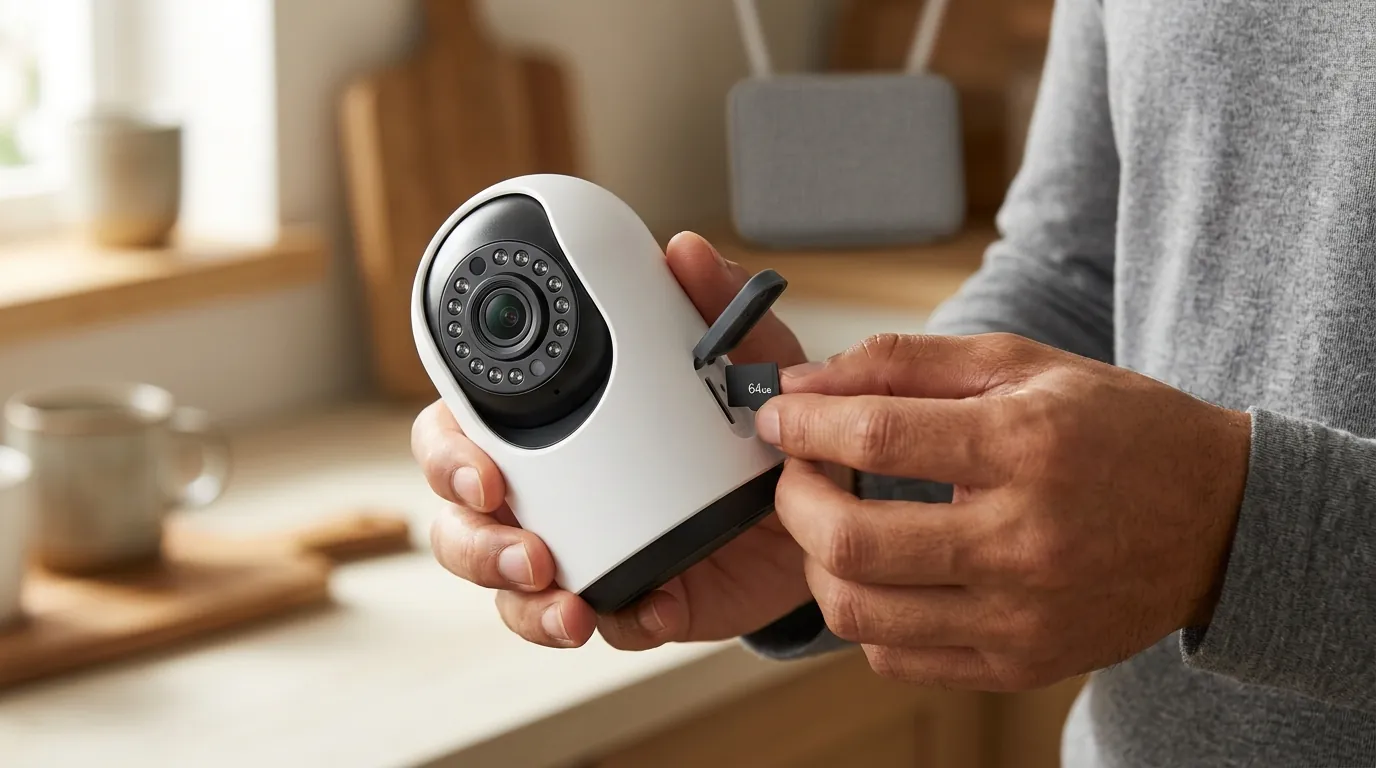
Some issues cannot be fixed by the user. If you see the following indicators, call SimpliSafe support at 1-888-910-1458.
Hardware Failure Indicators
- Solid Red Light on Base Station: This indicates a critical hardware failure or a “No Link to Dispatcher” error that has persisted for more than 30 minutes despite a hard reset.
- Stuck Privacy Shutter: On the Smart Alarm Indoor Camera, if you hear a grinding noise or the shutter remains half-closed, the mechanical motor has failed. This is a common warranty claim for units manufactured in early 2026.
- Account Locked: If you receive an error stating “Account Disabled for Security Reasons,” this usually indicates a billing failure or multiple failed login attempts. This cannot be resolved via the app; it requires a phone call for identity verification.
Warranty and Replacement Policy
SimpliSafe typically offers a 1-year limited warranty, which is extended to the lifetime of the system if you maintain an active “Pro Plus” or “Interactive” monitoring subscription. If your Outdoor Camera Series 2 is failing to hold a charge for more than 48 hours in August 2026, it may be part of a known battery-seal batch issue; support will typically ship a replacement unit at no cost.
How to prevent it
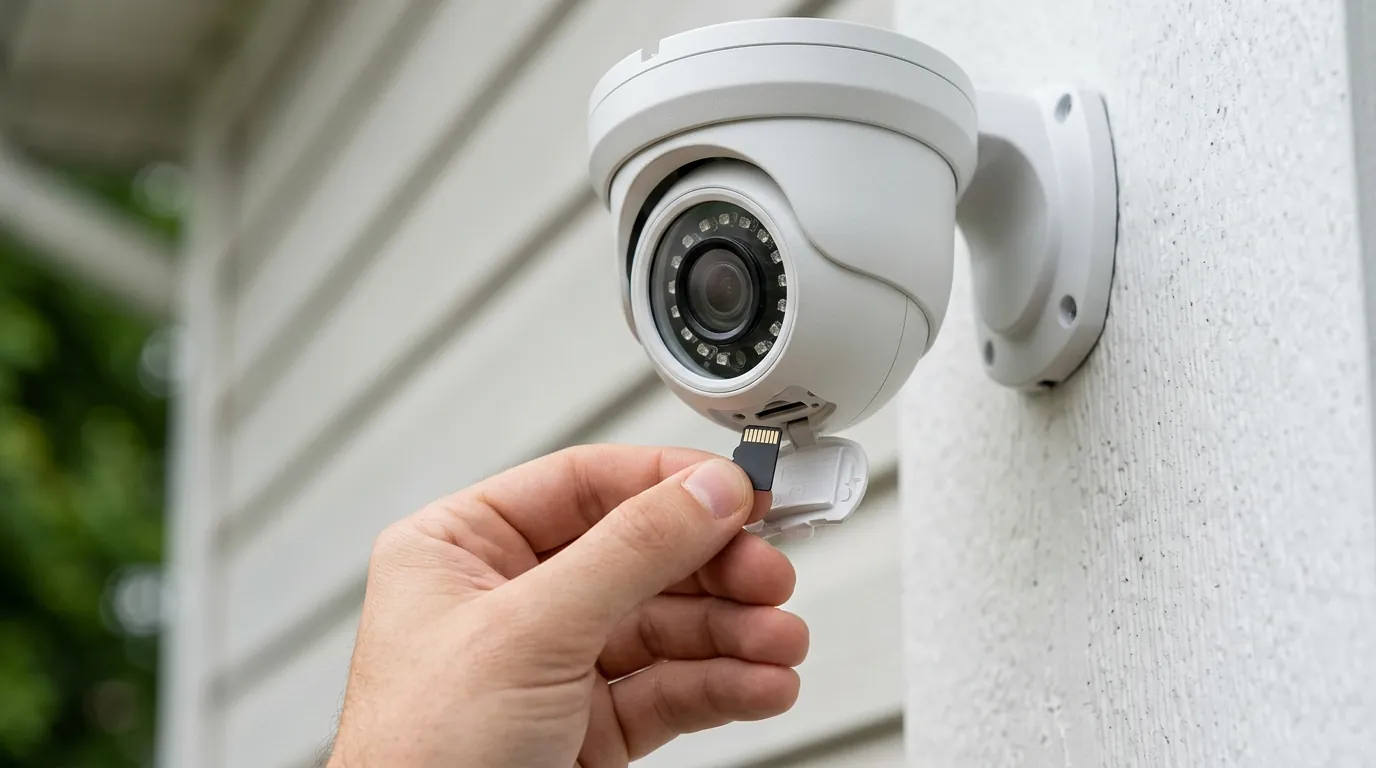
System stability is often a result of network environment rather than the hardware itself. To prevent future “App Down” scenarios, consider these optimizations.
Network Optimization
- Assign a Static IP: Use your router’s admin panel to assign a permanent (Static) IP address to the SimpliSafe Base Station. This prevents “IP Conflict” errors that occur when a router reboots and tries to give the Base Station’s address to another device.
- Dedicated IoT SSID: Create a guest network or a dedicated 2.4GHz SSID (e.g., “Home_Security_2.4”) just for your cameras. This reduces “Airtime Fairness” issues where high-speed devices (like a PS5 or 8K TV) starve the security cameras of bandwidth.
- Disable “Fast Roaming”: Some Mesh Wi-Fi systems use 802.11r (Fast Roaming). SimpliSafe devices often struggle with this protocol and may “drop off” when the router tries to hand them off between nodes.
Reducing Cloud Dependency
The August 2026 outages highlight the primary weakness of cloud-based security: if the brand’s servers go down, your visibility goes down.
If you find the recurring subscription costs (reaching up to $80/month for Pro Plus) and cloud-dependency frustrating, you may want to evaluate your long-term hardware strategy. While SimpliSafe is an excellent “set and forget” system for professional monitoring, it lacks a robust local-first fallback.
As an alternative, many users are moving toward “Local Storage” ecosystems. For example, the Reolink Altas PT Ultra (released in late 2024/2025) offers 4K continuous recording to an on-device microSD card or a local NVR. Because it does not require a cloud “handshake” to view live video on your local network, it remains functional even if the manufacturer’s servers are offline.
Decision Framework: Should you stay or switch?
- If you are a renter: Prioritize SimpliSafe. The ease of setup and the “Pro Plus” cellular backup are worth the occasional app glitch.
- If you are a homeowner with high-speed internet: Consider a hybrid approach. Keep SimpliSafe for professional monitoring on doors and windows, but use a local-storage brand like Reolink or Eufy for your external cameras to ensure you never lose footage during a cloud outage.
- If you have no Wi-Fi: SimpliSafe’s cellular-heavy architecture is one of the few consumer options that works (though app features will be limited).
Frequently Asked Questions
Why does my SimpliSafe app say “Offline” when my Wi-Fi is working?
This usually means the SimpliSafe backend servers are unable to communicate with your Base Station. Even if your internet is fine, a “sync error” at the SimpliSafe data center can make the app appear offline. Try logging out and back into the app to refresh the connection.
How do I update my SimpliSafe firmware in August 2026?
Firmware updates are pushed automatically to the Base Station. You can check for updates manually by going to your Keypad, selecting Menu > System Settings > Check for Updates. Note that the system must be disarmed for the update to install.
Does SimpliSafe work without a subscription in 2026?
Yes, but functionality is significantly limited. Without a subscription, you will receive basic push notifications for alarms, but you will not have access to recorded video, and the “Real Time Information” errors are more common as the system is deprioritized in the event pipeline.
Why is my SimpliSafe camera light flashing red?
A flashing red light on a SimpliSafe camera typically indicates that the camera has lost its Wi-Fi connection. If it occurs during the August 2026 outage, it may be failing to authenticate with the SimpliSafe secure video server. Restart the camera by unplugging it for 10 seconds.
Sources
- SimpliSafe Official Support — https://support.simplisafe.com/
- FCC ID Search (U9K-CM3000) — https://apps.fcc.gov/oetcf/eas/reports/GenericSearch.cfm
- SimpliSafe Community Forums
- Reddit r/SimpliSafe Outage Megathreads — https://www.reddit.com/r/simplisafe/
- AWS Service Health Dashboard — https://health.aws.amazon.com/health/status