
Smart Home Privacy Risks of AI Security Cameras (2026 Guide)
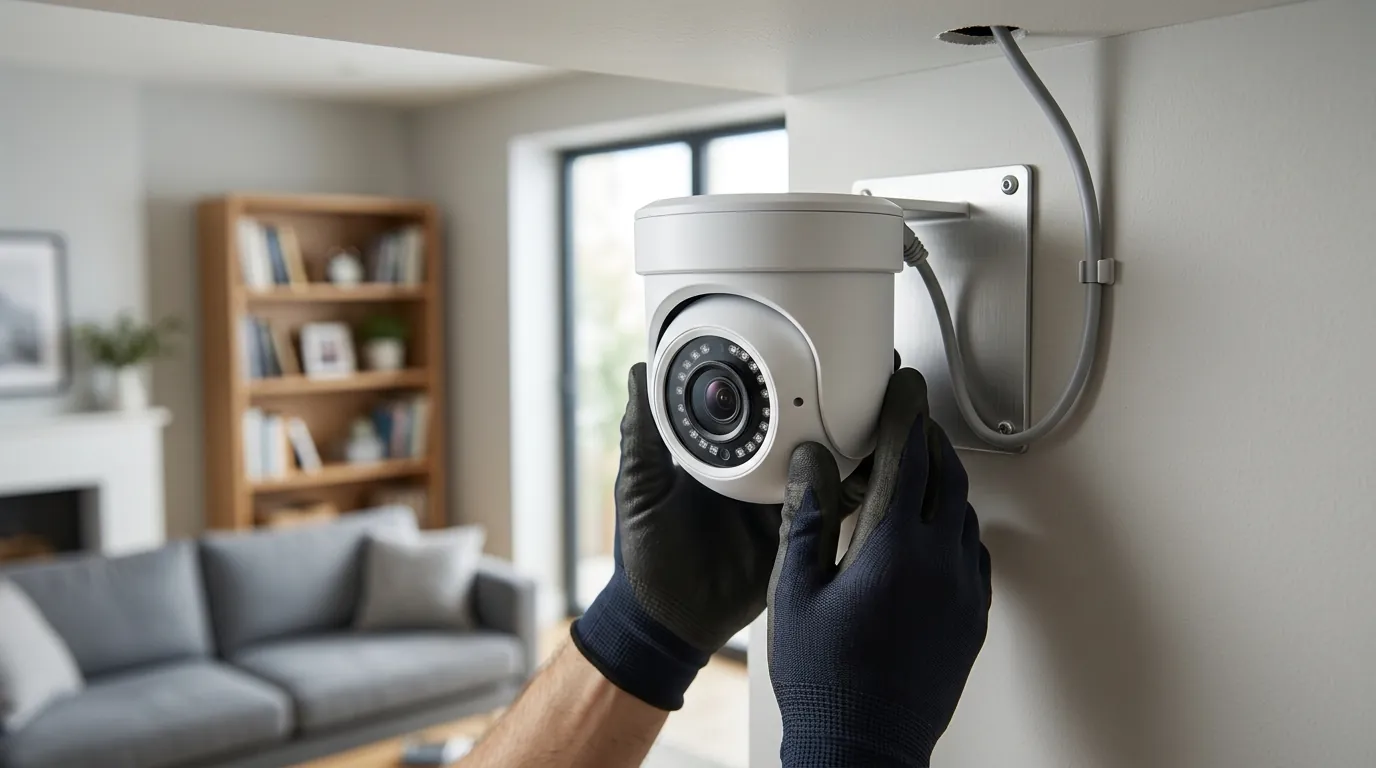
The convenience of smart home technology often comes with hidden trade-offs, particularly when artificial intelligence is integrated into security cameras. In 2026, these devices offer unprecedented capabilities but also introduce complex privacy risks that consumers must understand.
AI cameras in 2026 offer superior detection but risk exposing biometric data and enabling warrantless police access. For privacy, prioritize ‘Edge AI’ devices that process video locally without cloud-based analysis.
What it means
Related: Wyze Cam v4 Night Vision Flickering: 2026 Troubleshooting Guide · Fixing eufyCam S330 & HomeBase 3 Firmware Sync Errors · Fixing Google Nest Cam Battery Drain After June 2026 Update
In the 2026 camera market, “AI” refers to the application of Computer Vision (CV) and Machine Learning (ML) algorithms to interpret video streams, moving far beyond simple pixel-change detection. This technology allows cameras to understand and categorize objects and events within their field of view rather than merely recording motion. The shift from basic motion detection to “Semantic Understanding” means cameras can now distinguish between a person, a pet, a package, or a vehicle, leading to more relevant alerts and smarter automation.
This evolution marks a clear distinction between “Passive Surveillance” – the traditional act of recording video for later review – and “Active Intelligence.” Active intelligence involves real-time behavioral analysis, where the camera’s AI not only identifies objects but also interprets their actions, such as a person loitering, a package being dropped off, or an unfamiliar vehicle entering a driveway. This capability fundamentally changes the nature of home security from reactive recording to proactive event comprehension.
Beyond Motion: The Rise of Generative AI Summaries
A notable advancement in 2026 is the emergence of generative AI summaries for video footage. Instead of sifting through hours of recordings, users can request an AI to summarize events, such as “show me all human interactions at the front door yesterday”. This feature, while convenient, relies on sophisticated AI models that process and tag every identified entity and action, generating a rich metadata layer for each recording. This metadata, often stored in the cloud, becomes a detailed record of activity, raising new questions about data retention and access.
The Privacy Perimeter: When Data Becomes Intelligence
The true privacy challenge arises when raw video data is transformed into actionable intelligence. While a traditional camera records an image, an AI camera extracts features like facial geometry, gait patterns, or vehicle types. This conversion from visual input to structured data – often referred to as a “vector” or “template” – allows for comparison, identification, and tracking. The storage and handling of these intelligent data points, especially biometric identifiers, define the new privacy perimeter for smart home security.
Comparison Table: Traditional Motion Detection vs. 2026 AI Detection Capabilities
| Feature/Capability | Traditional Motion Detection (2020) | 2026 AI Detection (e.g., Ring, Eufy, Arlo) |
|---|---|---|
| Trigger Mechanism | Pixel change in frame | Object recognition (person, vehicle, animal, package) |
| False Alert Sources | Wind, shadows, insects, light changes | Significantly reduced by object filtering |
| Notification Specificity | “Motion Detected” | “Person Detected,” “Package Delivered,” “Vehicle in Driveway” |
| Behavioral Analysis | None | Loitering detection, activity zones, specific event triggers |
| Biometric Recognition | None | Facial recognition (optional, on-device or cloud), gait analysis |
| Video Summarization | Manual review only | Generative AI summaries (e.g., “All deliveries today”) |
| Data Processing Location | On-device (basic) or Cloud (storage) | Edge (on-device NPU) or Cloud (GPU clusters) |
Why it exists
The primary driver behind the rapid adoption of AI in security cameras is the desire to solve “Notification Fatigue.” Traditional motion detection systems frequently trigger false alerts due to benign events like shadows moving, wind blowing leaves, or insects flying past the lens. This constant stream of irrelevant notifications often leads users to disable alerts entirely, defeating the purpose of a security system. AI filters out an estimated 95% of these false alerts, delivering only truly relevant notifications.
Beyond reducing noise, AI enables proactive deterrence. Cameras can be programmed to trigger floodlights or sirens only when a human is detected loitering for a specific duration (e.g., 30 seconds) rather than reacting to every passing car. This intelligent response capability significantly enhances the deterrent effect of a security system. Furthermore, AI boosts operational efficiency by enabling searchable video metadata. Instead of manually reviewing hours of footage, users can search for specific events or objects, such as “Find the person in the blue jacket who arrived at 3 PM,” saving considerable time and effort.
The Consumer Demand for ‘Verified’ Events
Consumers increasingly expect their security systems to provide “verified” events – notifications that are not just motion-triggered but are confirmed to be significant. This demand stems from the frustration of responding to phantom alerts. AI provides this verification by categorizing events, ensuring that an alert for a “person detected” genuinely means a person is present, not just a tree swaying. This accuracy builds trust in the system and encourages users to keep alerts active.
Why Insurance Companies Prefer AI-Verified Systems
Insurance companies are beginning to recognize the value of AI-verified security footage. Systems that can accurately identify and timestamp specific events, like a break-in or a package theft, provide higher-quality evidence for claims. Some insurers may even offer preferential rates or faster claim processing for homes or businesses equipped with advanced AI-powered surveillance, as these systems demonstrate a higher level of protection and more reliable evidence collection.
Benchmark: False Alert Rates in AI vs. Non-AI Cameras
| Camera Type | Typical False Alert Rate (Approx.) | Key Differentiating Factor | Source (Example) |
|---|---|---|---|
| Traditional Motion Detection | 70-90% | Pixel change, highly sensitive | RTINGS (general observation for older models) |
| 2026 AI-Powered Cameras | 5-15% | Object recognition, activity zones | RTINGS, Wirecutter (for current models) |
How it works under the hood
The fundamental distinction in AI security cameras lies between Edge AI and Cloud AI. Edge AI processes video data directly on the device using a dedicated Neural Processing Unit (NPU) or specialized silicon. This means raw video frames are analyzed locally, and only metadata or compressed event clips are sent to the cloud, if at all. In contrast, Cloud AI sends raw or lightly compressed video streams to remote GPU clusters for processing. These powerful servers then perform the complex AI analysis and send back detection results.
The data pipeline for facial recognition, for instance, involves converting a raw video frame into a mathematical “vector” or “template.” This process extracts unique features from a face, creating a numerical representation that can be compared against a database of known faces. With Edge AI, this conversion and comparison happen entirely on the camera. With Cloud AI, the raw video or the extracted template must travel to the cloud for processing, increasing latency and potential exposure.
A significant industry shift noted in 2026 is the move away from heavily cloud-dependent architectures. For example, AWS Panorama, a service designed for cloud-based video analytics, concluded its operations in May 2026, signaling a broader industry trend towards hybrid-edge solutions. This shift is driven by concerns over privacy, latency, and bandwidth costs, pushing more computational tasks to the device itself.
Latency benchmarks highlight the practical difference: Edge inference, where AI processing occurs on the device, typically achieves results in 20-100 milliseconds. Cloud round-trips, which involve sending data to the cloud, processing it, and receiving a response, can take significantly longer, often ranging from 300-800 milliseconds, impacting real-time responsiveness.
NPUs and Local Inference: Keeping Data on the Silicon
Modern security cameras designed for privacy often incorporate NPUs. These specialized processors are optimized for machine learning tasks, allowing them to perform complex AI computations, such as object detection and facial recognition, directly on the camera. This “local inference” means that sensitive biometric data, like facial templates, never leave the device, significantly reducing the risk of cloud-based data breaches or unauthorized access. Brands like Eufy and Reolink often emphasize their edge AI capabilities for enhanced privacy.
The Cloud ‘Black Box’: Where Your Metadata Lives
Even with edge AI, many systems still rely on the cloud to some extent, often for storing metadata, encrypted event clips, or for app functionality. This cloud storage can become a “black box” where users have limited visibility into how their data is managed, who can access it, and for how long it is retained. While the raw video might not be sent, the metadata—which could include timestamps, object types detected, and even unique identifiers—can still paint a detailed picture of activity, raising privacy concerns.
Real-world implications
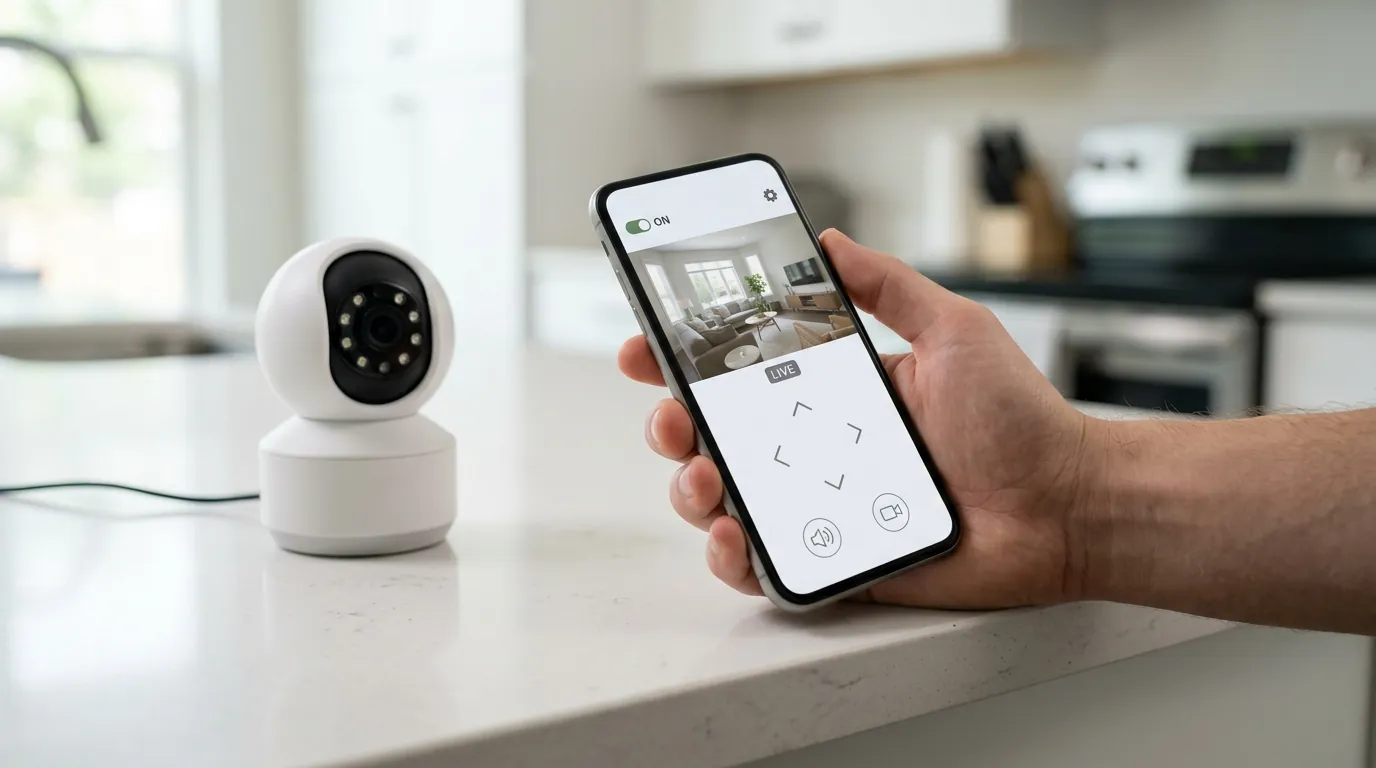
The rise of AI in security cameras has profound real-world implications, particularly regarding personal privacy and interactions with law enforcement. One of the most contentious issues is warrantless access. As of 2026, policies from major brands like Ring (an Amazon company) and Google Nest (a Google company) allow for the disclosure of customer video footage to law enforcement in “emergency” situations without user consent or a warrant. While these policies typically require a good-faith belief of imminent danger of death or serious physical injury, the discretion lies with the company, bypassing traditional legal safeguards.
The biometric legal landscape is rapidly evolving. States like Illinois, with its Biometric Information Privacy Act (BIPA), have strict rules governing the collection, use, and storage of biometric data. California’s comprehensive privacy legislation, now often referred to as “CalPrivacy” (building on the California Privacy Rights Act, or CPRA, which itself expanded the CCPA), also includes provisions that impact how companies handle biometric identifiers and provide consumers with greater control over their data. These laws can directly affect how security camera manufacturers process and store facial geometry and other biometric templates.
The ‘Nancy Guthrie’ Precedent, while not a direct legal precedent for security cameras, illustrates a crucial point about data persistence. This case, related to disconnected smart devices, highlighted how even devices that appear “offline” can retain residual data that might be accessed during investigations. For security cameras, this translates to the risk that even if a camera is disconnected or local storage is used, certain metadata or cached information might still exist in cloud backups or manufacturer systems, making complete data erasure complex.
Finally, the risk of data breaches is amplified with biometric data. If a manufacturer’s database containing facial templates or other biometric identifiers is compromised, it could lead to severe privacy violations. Unlike a password, which can be reset, biometric data is permanent. A breach could potentially allow for the generation of “Deepfakes” or other malicious uses of a person’s identity if their unique biometric templates are stolen.
Law Enforcement and the ‘Emergency’ Loophole
The “emergency” loophole in privacy policies allows companies to respond to law enforcement requests for data without a warrant or user notification if they believe there’s an immediate threat. While intended for critical situations, critics argue it can be overused, eroding individual privacy rights and establishing a precedent for surveillance without due process. Consumers should review the specific privacy policies of their chosen camera brands to understand the conditions under which their data might be shared.
Biometric Permanence: Why You Can’t Reset a Face Scan
Biometric data, such as facial geometry or fingerprints, are unique and immutable. Once these templates are created and stored, they cannot be “reset” like a compromised password. This permanence makes biometric data breaches particularly severe, as the individual’s unique biological identifiers could be permanently compromised. This underscores the critical importance of secure, local processing of biometric data wherever possible.
Map: US States with Active Biometric Privacy Laws as of June 2026
| State | Biometric Privacy Law (as of June 2026) | Key Provisions (Security Camera Relevance) |
|---|---|---|
| Illinois | Biometric Information Privacy Act (BIPA) | Requires informed consent for collection, prohibits selling/profiting. |
| Texas | Capture or Use of Biometric Identifier (CUBI) | Regulates collection, use, and disclosure of biometrics. |
| Washington | My Health My Data Act (indirect impact) | While not solely biometric, covers health data including some biometrics. |
| California | CalPrivacy (CPRA/CCPA expansion) | Broader consumer rights, including opt-out for sale/sharing of personal info (biometrics included). |
| New York | Biometric Privacy Act (proposed/active in some municipalities) | Varies by municipality; generally requires notice/consent. |
| Other States | Various proposed or limited scope laws | Many states have proposed or limited biometric laws, often industry-specific. |
| Note: This table reflects major state-level laws. Local ordinances may also apply. |
Common misconceptions
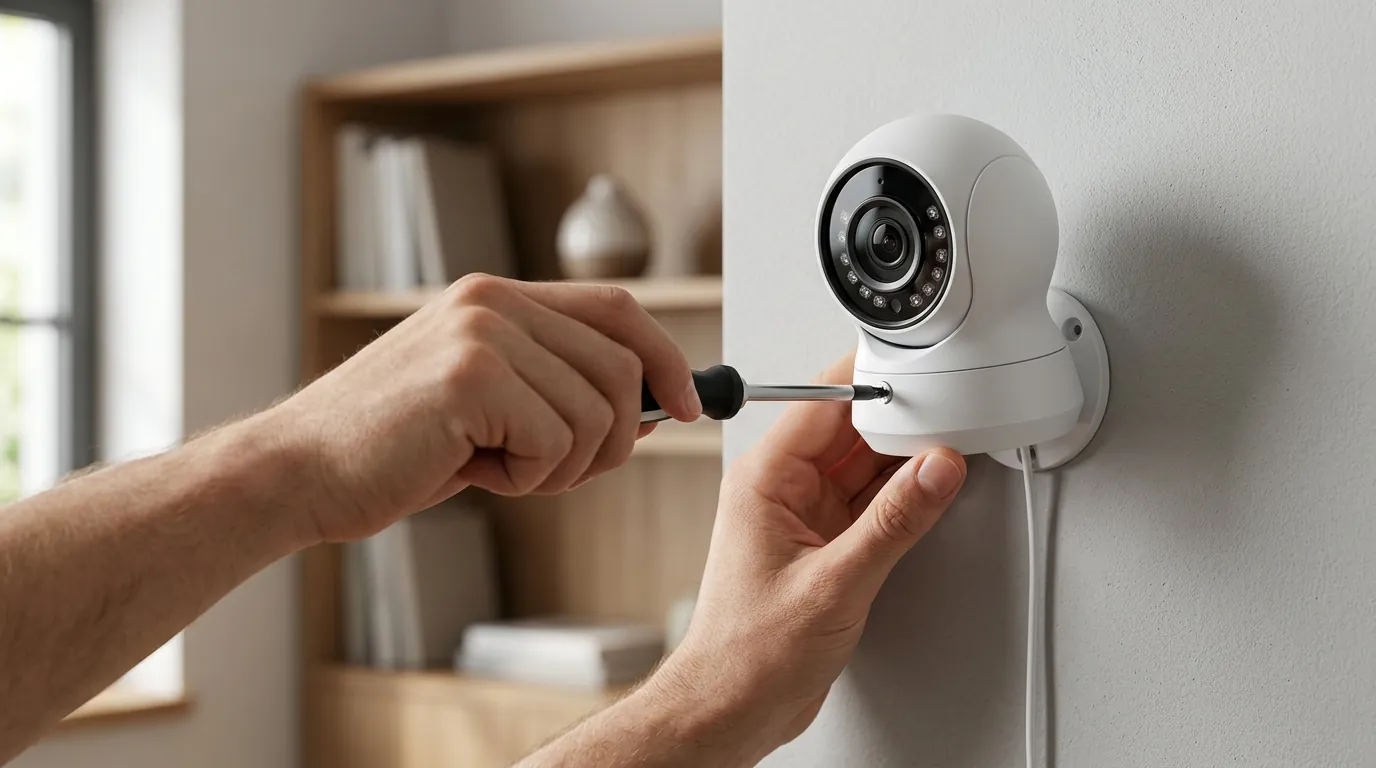
One prevalent misconception is that “local storage means 100% privacy.” While local storage, such as an SD card or Network Video Recorder (NVR), keeps video footage off the cloud, it doesn’t automatically guarantee complete privacy. Many “local storage” cameras still connect to the internet for app control, firmware updates, and often, for syncing AI-generated metadata or telemetry data to the cloud. This metadata, which can include timestamps, object classifications (e.g., “person detected”), and device health metrics, can still reveal patterns of activity even if the video itself remains local.
Another common belief is that “encryption protects my identity.” While end-to-end encryption (E2EE) is crucial for securing video streams in transit and at rest, it primarily protects the content of the video from unauthorized viewing. However, AI metadata, if not also anonymized or processed locally, can still identify habits, routines, and the presence of specific entities (like people or vehicles) even if the underlying video is encrypted. Encryption hides what is being watched, but the metadata can still reveal that something was watched and what kind of thing it was.
Finally, some users mistakenly believe that “AI is always watching.” In reality, most consumer AI in security cameras is not continuously analyzing every frame of video due to power consumption and processing overhead. Instead, it typically activates upon a Passive Infrared (PIR) motion trigger or a basic pixel-change detection, and then the AI algorithms kick in to analyze the detected event for classification and verification. This “event-driven” AI conserves battery life and reduces unnecessary processing.
The Myth of the ‘Offline’ Smart Camera
Achieving a truly “offline” smart camera with full functionality is challenging. Even cameras marketed with “local storage” often require an internet connection for initial setup, firmware updates, remote viewing via an app, and sometimes for advanced AI features that leverage cloud processing. To truly minimize cloud interaction, users must often opt for specific NVR-based systems or highly customizable, open-source solutions that are intentionally designed for offline operation, often sacrificing some “smart” features.
Encryption vs. Anonymization
Encryption scrambles data to prevent unauthorized access, making it unreadable without the correct key. Anonymization, on the other hand, removes or obscures personally identifiable information from data so that it cannot be linked back to an individual. While encryption is vital for securing video content, anonymization is crucial for protecting privacy in AI metadata. For example, an AI might detect a “person” (anonymized data) without necessarily identifying who that person is (personally identifiable data). The combination of both is ideal for robust privacy.
Checklist: How to Verify if Your ‘Local’ Camera is Actually Leaking Data
- Review Manufacturer’s Privacy Policy: Does it explicitly state what data (beyond video) is sent to the cloud, even with local storage? (e.g., “Eufy Security Privacy Policy”)
- Check App Permissions: What network access does the camera’s companion app request? Does it send analytics or telemetry data?
- Monitor Network Traffic (Advanced Users): Use a network monitoring tool (e.g., Wireshark, Pi-hole) to see what data your camera sends to external servers when supposedly “local.”
- Disable Cloud Features: Can you fully disable remote viewing, cloud backups, and AI features that require cloud processing?
- Firmware Updates: Are firmware updates delivered over the air (OTA) via the cloud, and can they be applied offline?
- Subscription Requirements: Are core “smart” features tied to a cloud subscription, indicating cloud processing? (e.g., Arlo Secure Plans)
Further reading
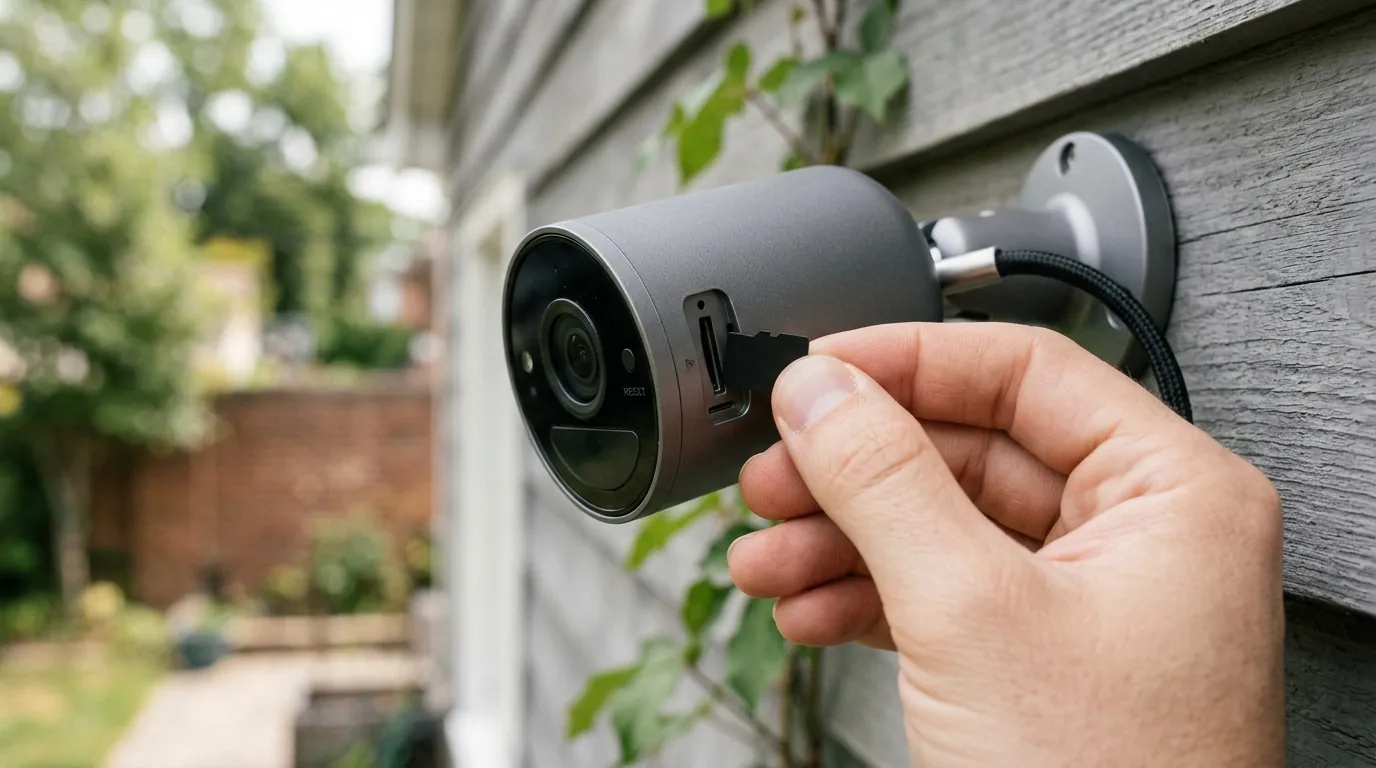
For those looking to deepen their understanding of privacy-focused home security, Quvii offers comprehensive guides and reviews.
- Explore Quvii’s guide on Best Local-Only Security Cameras of 2026.
- Learn more about setting up robust, private surveillance with our article on How to Set Up a Privacy-First NVR System.
- Gain a deeper understanding of data protection with Understanding End-to-End Encryption (E2EE) in Home Security.
Resource List: Privacy-Focused Firmware for 2026
- Scrypted: An open-source NVR platform that enables local processing and HomeKit Secure Video integration for many IP cameras, allowing for enhanced privacy by keeping video streams local and off manufacturer clouds.
- Home Assistant: A powerful open-source home automation platform that offers extensive integrations for security cameras, allowing users to manage devices locally and control data flow, often with community-developed privacy enhancements.
- Frigate: An open-source NVR with AI object detection that runs locally, primarily using Google Coral TPUs for efficient edge processing, ensuring video and detection data remain within the user’s network.
Frequently Asked Questions
What is the difference between Edge AI and Cloud AI in security cameras?
Edge AI processes video data directly on the camera using a dedicated chip (NPU), keeping sensitive information like facial recognition templates local. Cloud AI sends video to remote servers for processing, which can offer more powerful analysis but increases privacy risks and latency.
Can local storage cameras still compromise my privacy?
Yes, even cameras with local storage can pose privacy risks. While video footage might stay on an SD card or NVR, many cameras still send metadata (e.g., “person detected,” timestamps) and telemetry data to the cloud for app functionality, firmware updates, or analytics.
Do all AI security cameras perform facial recognition?
No, not all AI security cameras perform facial recognition. Many focus on general object detection (people, vehicles, pets, packages). Facial recognition is a more advanced AI feature, often optional, and may be processed either on-device (Edge AI) for privacy or in the cloud, depending on the manufacturer and model.
How do I know if my security camera data can be accessed by law enforcement?
You should review the privacy policy and terms of service of your specific camera brand. Many major brands, such as Ring and Nest, have clauses that allow them to share data with law enforcement in “emergency” situations without a warrant or user consent.
Is end-to-end encryption enough to protect my privacy with an AI camera?
End-to-end encryption (E2EE) is crucial for securing your video stream’s content, making it unreadable to unauthorized parties. However, it doesn’t necessarily protect the AI-generated metadata (e.g., “person detected at 3 PM”) if that metadata is processed or stored in the cloud without further anonymization or local control.
Sources
- scylla.ai
- mysecuresystems.com
- udel.edu
- coram.ai
- arsa.technology
- moontechnolabs.com
- medium.com
- bakerdatacounsel.com
- backstreet-surveillance.com
- eufy.com
- ring.com
- support.google.com
- oag.ca.gov
- ilga.gov
- scholarship.law.wm.edu
- researchgate.net
- reolink.com
- arlo.com