
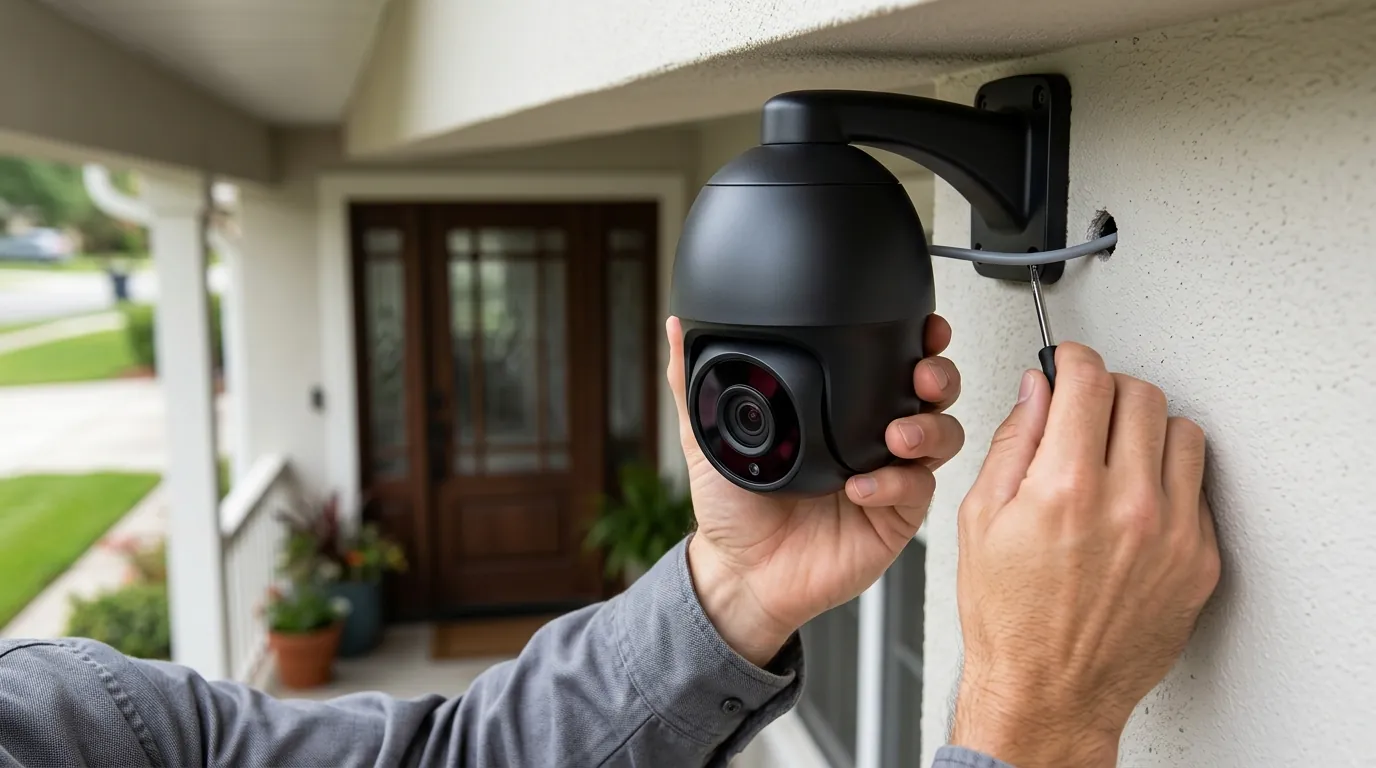
How to Secure Your Smart Home from AI Hacks (2026 Guide)
In 2026, the security of your smart home no longer depends solely on the strength of your Wi-Fi password, but on your ability to defend against automated, machine-speed logic attacks. As artificial intelligence moves from a backend tool to an autonomous agent, homeowners must adapt their defense strategies to counter threats that traditional firewalls and basic passwords can no longer stop.
Quick Answer: To secure your home from AI hacks in 2026, use phishing-resistant MFA (hardware keys), establish family safe words to defeat voice clones, and prioritize cameras with local AI processing to reduce cloud-based adversarial risks.
What it means
Related: Smart Home Privacy Risks of AI Security Cameras (2026 Guide) · Wyze Cam v4 Night Vision Flickering: 2026 Troubleshooting Guide · Fixing eufyCam S330 & HomeBase 3 Firmware Sync Errors
The 2026 AI threat landscape has moved past the era of “manual” hacking. In previous years, a breach required a human actor to identify a vulnerability, craft an exploit, and execute it. Today, the process is largely autonomous. AI-driven hacking tools can scan millions of IoT (Internet of Things) devices simultaneously, identifying unpatched firmware and default credentials in seconds.
The 2026 AI Threat Landscape
We are seeing a fundamental shift from software exploits (targeting code bugs) to AI-driven logic attacks. A logic attack doesn’t necessarily break the software; it manipulates the AI models that manage the software. For example, instead of “cracking” a camera’s encryption, an AI hack might feed the camera’s person-detection model specific visual data that causes it to ignore a human intruder.
Furthermore, AI acts as a “force multiplier.” Old hacking techniques like phishing have evolved into “vishing” (voice phishing), where generative AI clones the voice of a family member or a security technician to trick residents into granting access to their systems.
Beyond Traditional Malware: Logic vs. Code
Traditional malware aims to steal data or corrupt systems. AI logic attacks aim to subvert the “decision-making” process of your smart devices. With the implementation of the Matter 2.0 standard in 2026, smart home devices have gained better interoperability, but this also creates a “unified surface” for attacks. If an AI agent can bypass the security logic of one Matter-certified device, it can potentially move laterally across the entire home network.
| Feature | Traditional Cyberattacks (Pre-2024) | AI-Augmented Attacks (2026) |
|---|---|---|
| Speed | Human-paced (days/weeks) | Machine-speed (seconds/minutes) |
| Method | Code-based exploits (SQL injection, etc.) | Logic-based (Adversarial inputs, LLM-recon) |
| Authentication Target | Password guessing/brute force | Real-time MFA bypass & session hijacking |
| Social Engineering | Generic emails/texts | Cloned voices & deepfake video calls |
| Scale | Targeted or broad-but-clumsy | Highly personalized and automated |
Why it exists
The emergence of AI-driven hacking is primarily driven by economics. In 2026, the cost of high-performance computing has plummeted. Cloud-based GPUs and specialized Large Language Models (LLMs) like “FraudGPT” or “WormGPT” allow even low-skilled actors to launch sophisticated, scalable attacks for the cost of a monthly subscription.
The Democratization of Cybercrime
Previously, only state actors or elite hacking collectives could weaponize “zero-day” vulnerabilities (bugs unknown to the manufacturer) within hours of discovery. Today, AI agents monitor public vulnerability databases and automatically generate exploit code. This has created a “Compressed Exploit Window.” When a vulnerability like CVE-2025-53773 is announced, AI-driven botnets can begin scanning and attacking vulnerable home gateways globally before most homeowners have even received a “firmware update” notification.
The Rise of Autonomous AI Attack Agents
According to the 2026 Data Breach Investigations Report (DBIR), autonomous AI agents are now responsible for approximately 1 in 8 security breaches. These agents do not wait for human instructions; they are programmed with a goal—such as “gain access to a video feed”—and they autonomously try thousands of permutations of credential stuffing, logic manipulation, and social engineering until they succeed.
Your smart home data is a high-value target for these agents. Camera feeds, daily routine data from smart thermostats, and even the power consumption patterns of smart plugs provide AI models with the reconnaissance needed to plan physical burglaries or more targeted digital extortion.
| Password Complexity | Time to Crack (2024) | Time to Crack (2026) |
|---|---|---|
| 8 Chars (Numbers only) | Instant | Instant |
| 8 Chars (Lowercase letters) | ~5 Minutes | < 10 Seconds |
| 8 Chars (Mixed Case + Symbols) | ~5 Hours | ~12 Minutes |
| 12 Chars (Mixed Case + Symbols) | ~200 Years | ~18 Months |
Data based on 2026 GPU performance benchmarks for RTX 60-series equivalent hardware.
How it works under the hood
To defend your home, you must understand the specific mechanisms AI uses to subvert security cameras and smart hubs.
Adversarial Perturbations (Fooling the Eyes)
One of the most sophisticated AI hacks involves “adversarial perturbations.” This involves making minute, often invisible changes to the pixels in a camera’s field of view. By wearing a specific pattern on a t-shirt or placing a small sticker on a porch, an intruder can exploit the mathematical weaknesses in a camera’s computer vision model. To a human, the person looks like a person; to the camera’s AI, the person is classified as a “potted plant” or “dog,” and no alert is triggered.
Generative Social Engineering (Fooling the Ears)
Synthetic Voice Injection is the 2026 evolution of the doorbell scam. Using as little as three seconds of audio harvested from your social media videos, an attacker can clone your voice. They then use an AI agent to “talk” through your video doorbell’s two-way audio. They might tell a family member inside, “I forgot my key, please unlock the door via the app,” or “The plumber is here, let him in.” Because the voice sounds identical to yours, the human element of security—trust—is compromised.
LLM-Driven Reconnaissance
AI agents use LLMs to perform automated reconnaissance on home networks. They scan for unpatched firmware and default credentials. If you are using an older NVR (Network Video Recorder) with a default “admin” password, an AI agent will find it and exploit it in milliseconds. These agents can also identify the specific brand and model of every device on your network by analyzing their “digital fingerprint” (how they communicate), allowing them to tailor attacks to specific hardware weaknesses.
Real-world implications
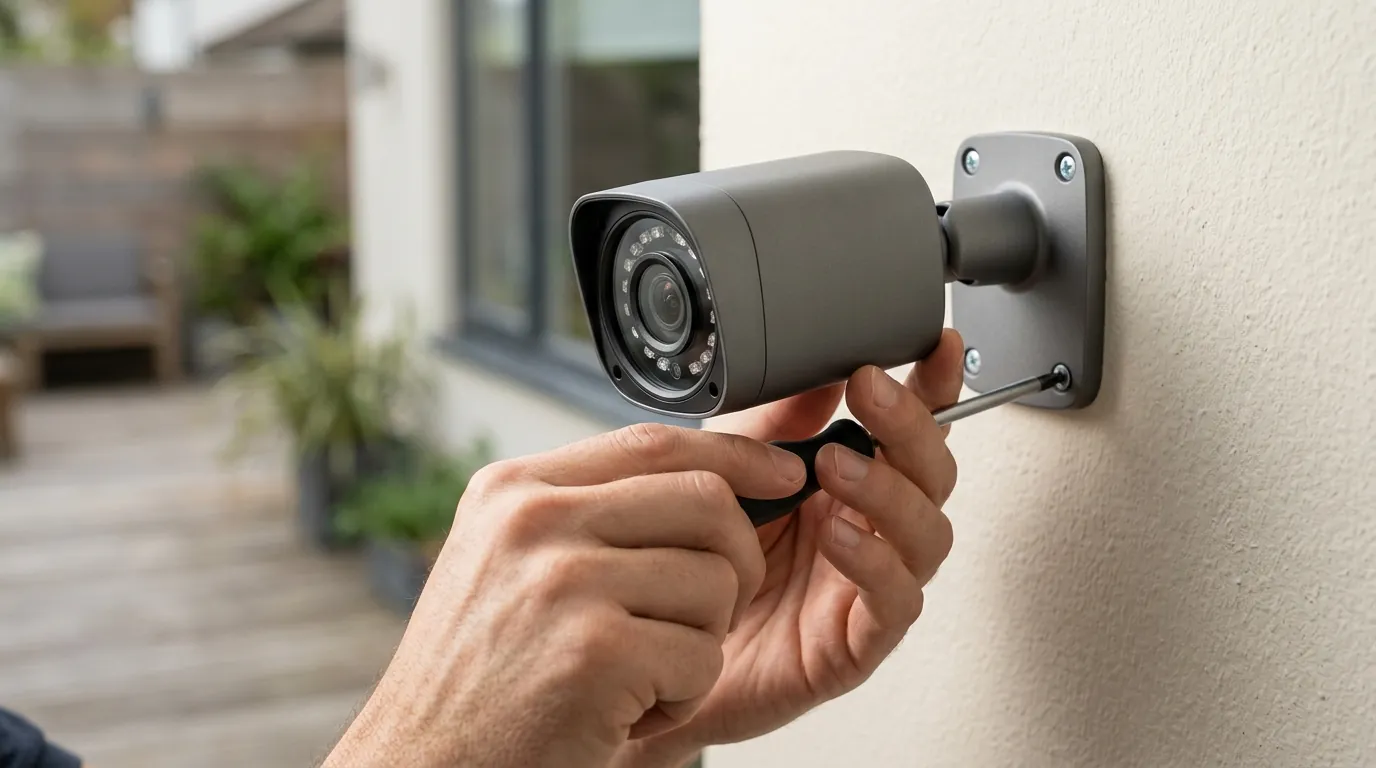
The impact of AI hacks is not just digital; it has physical consequences for home safety.
The ‘Invisible Man’ Adversarial Hack
In recent real-world tests of popular 2026 consumer cameras, researchers demonstrated that “adversarial clothing”—garments printed with specific AI-confusing patterns—could achieve a 70% bypass rate on person-detection algorithms. Brands that rely entirely on cloud-based AI processing were found to be more vulnerable than those using “Edge AI,” because the cloud models are more standardized and easier for hackers to “pre-test” their patterns against.
Doorbell Deepfakes and Voice Cloning
The “Grandchild in Trouble” scam has migrated to the front door. Attackers use cloned voices to bypass physical security trust. They may even use deepfake video in 2026 to appear on the screen of a smart display (like an Echo Show or Google Nest Hub), pretending to be a neighbor or a service provider.
Lateral Movement and the $10 Smart Plug
A common mistake is assuming that a cheap, “off-brand” smart plug is harmless. If that plug is compromised by an AI agent, it becomes a “beachhead” on your network. The agent can then move “laterally” to more sensitive devices, such as your security NVR or your personal computer, bypassing the router’s external firewall because the attack is now coming from inside the network.
2026 Smart Home AI-Hardening Checklist:
- Switch to Passkeys: Replace passwords with FIDO2/Passkeys wherever supported (e.g., Google, Apple, Amazon accounts).
- Hardware MFA: Use a physical security key (like a YubiKey) for your primary email and security camera accounts.
- Establish a Family Safe Word: A non-guessable word to verify identity during voice/video calls.
- Disable “Guest” Networks: Unless they are strictly isolated from your IoT devices.
- Audit “Works with…” Permissions: Revoke access for old apps that no longer need to control your lights or locks.
Common misconceptions
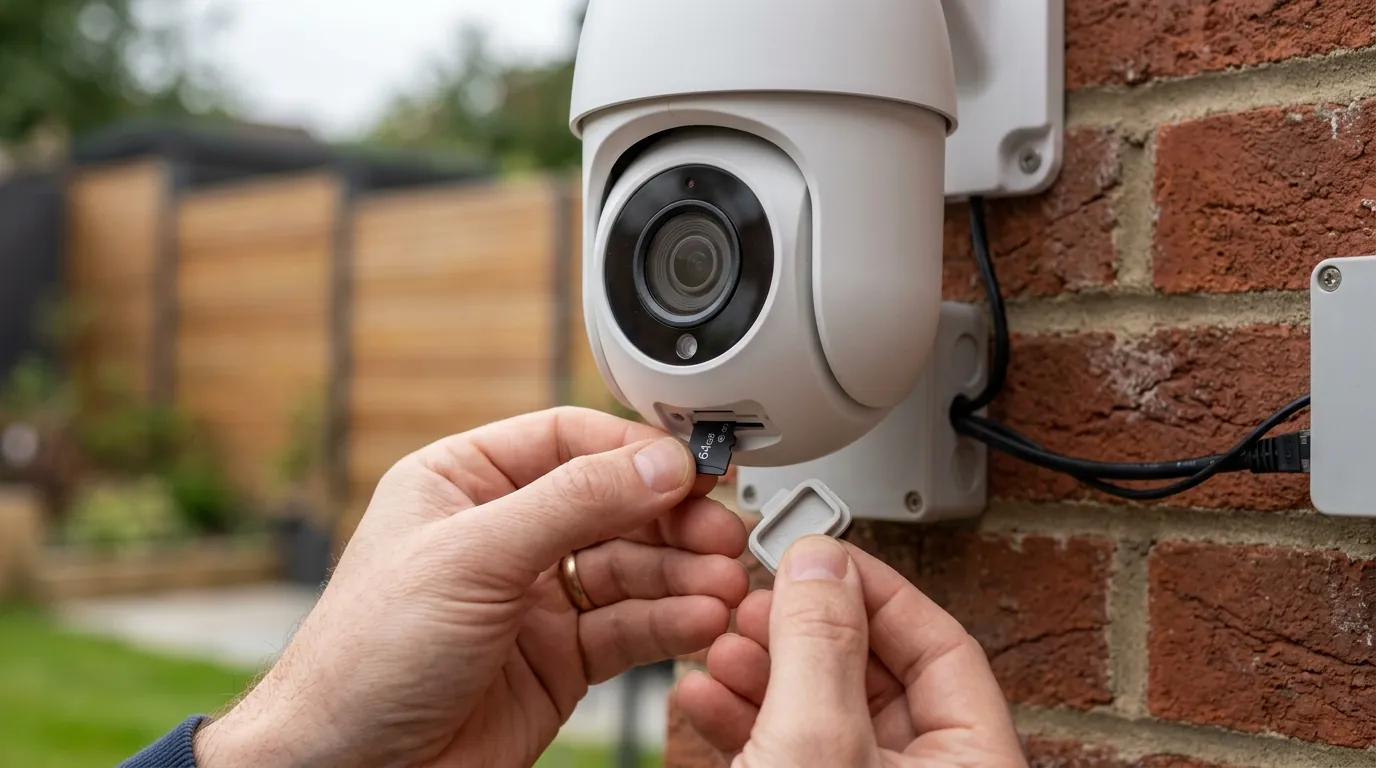
As AI threats evolve, many homeowners are operating on outdated security assumptions.
The ‘AI as a Shield’ Fallacy
Many consumers believe that because their camera “has AI,” it is inherently more secure. In reality, AI cameras introduce a new “attack surface.” While AI helps reduce false alerts from swaying trees, it also creates the opportunity for the adversarial perturbations mentioned earlier. A camera with AI is a more complex system, and complexity is often the enemy of security.
The Cloud Security Paradox
There is a misconception that cloud storage is safer because “big companies like Google or Amazon manage the security.” While their data centers are secure, cloud-heavy brands are centralized targets. If an AI agent manages a “credential stuffing” attack on a major cloud provider, millions of cameras are potentially compromised at once. Local-first storage (NVRs or SD cards) limits the “blast radius” of a hack to your specific home.
SMS MFA vs. Hardware Security Keys (FIDO2)
Most users believe SMS-based multi-factor authentication (MFA) is “good enough.” However, in 2026, AI-driven phishing kits can intercept or “SIM-swap” SMS codes in real-time. Hardware security keys are the only truly phishing-resistant MFA, as they require physical proximity and a hardware handshake that AI cannot replicate remotely.
| Feature | SMS-Based MFA | Hardware Keys (FIDO2/Passkey) |
|---|---|---|
| Phishing Resistance | Low (Codes can be stolen) | High (Impossible to phish) |
| Ease of Use | Moderate (Wait for text) | High (Tap/Insert key) |
| AI Bypass Potential | High (Social engineering/SIM swap) | Extremely Low |
| Cost | Free | $25 - $60 per key |
Further reading
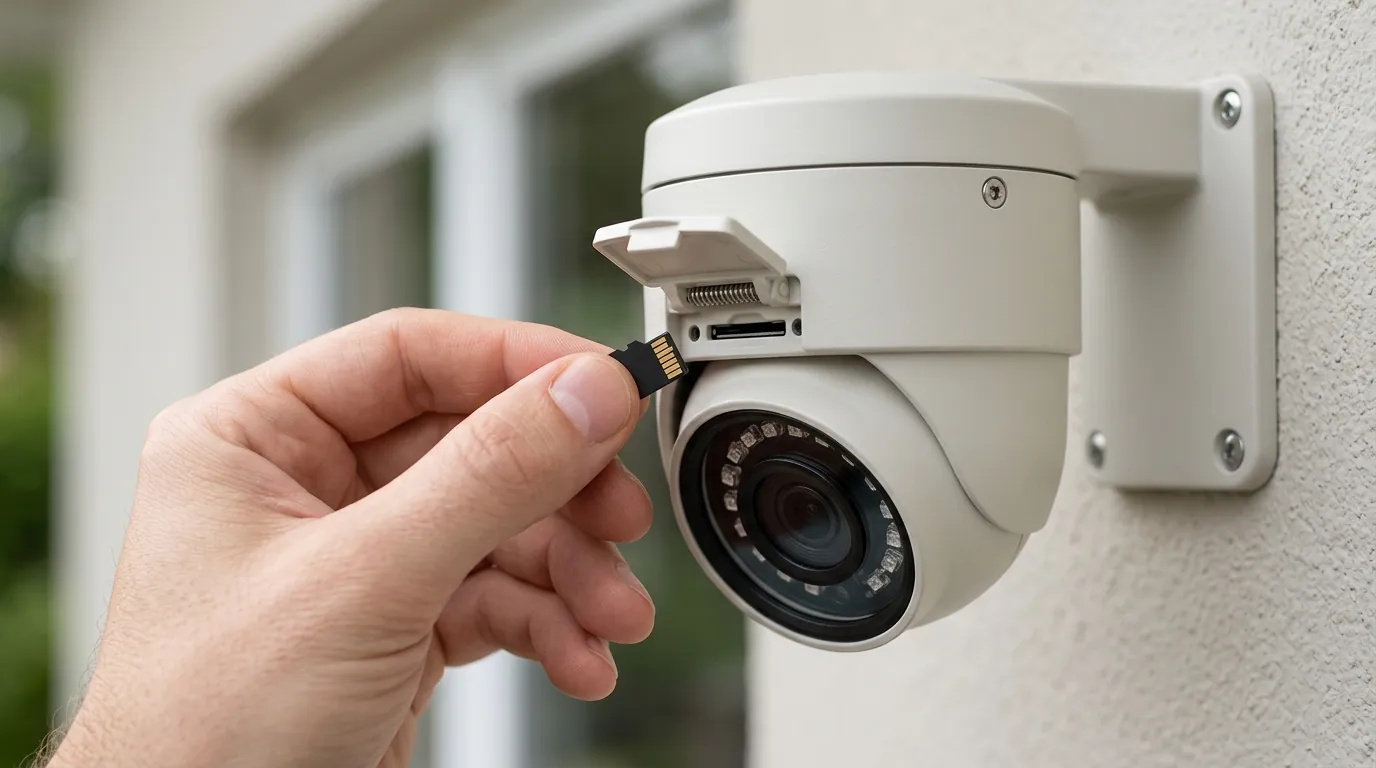
To stay ahead of AI-driven threats, homeowners should transition toward a “Local-First” security posture.
Choosing Local-First Hardware
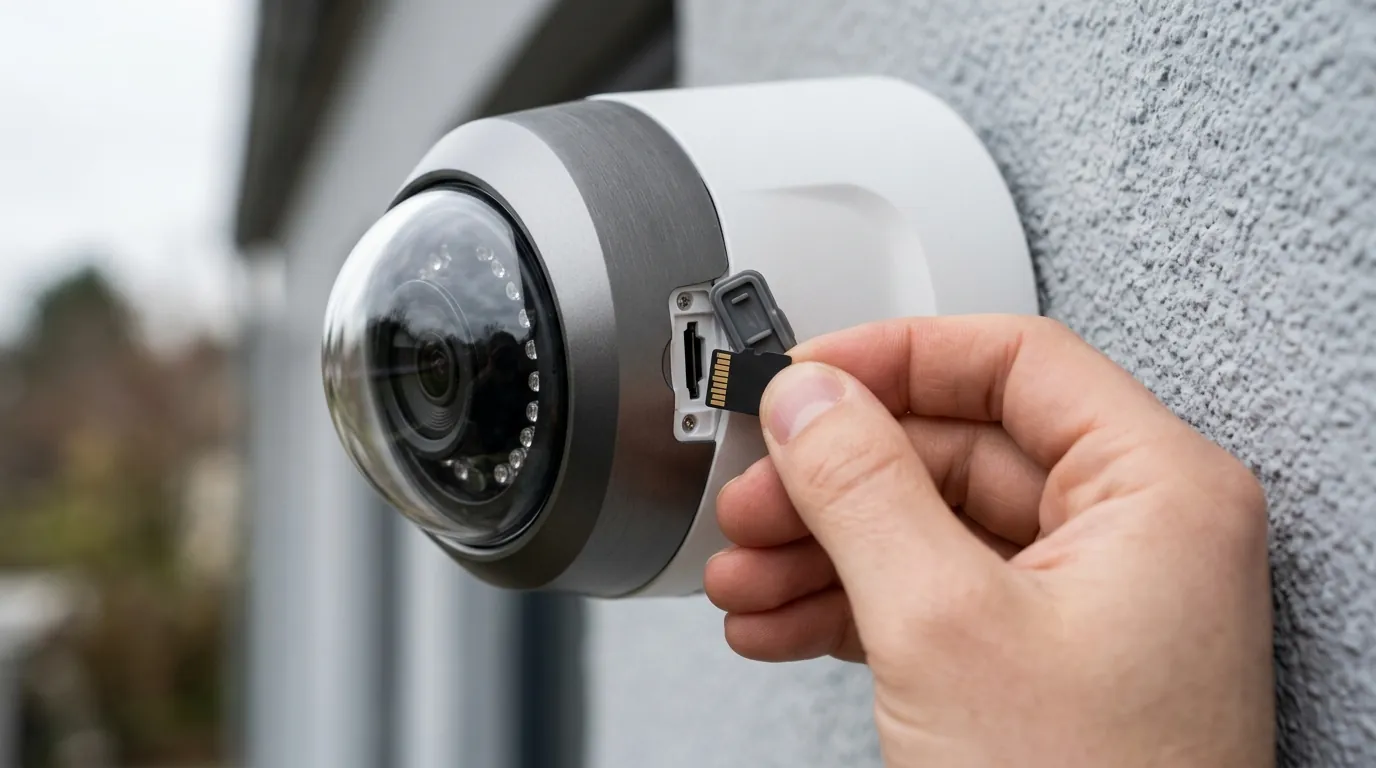
Cameras that process AI “on the edge” (inside the camera hardware itself) are generally more resilient. When the AI model stays on your device and doesn’t rely on a constant cloud handshake, it is harder for an external AI agent to “poison” the model or intercept the data.
Recommended 2026 Local-First Security Hardware Categories:
- Edge-AI Cameras: Look for models with high-performance local processors (e.g., Reolink Altas series or Eufy Edge units with HomeBase 3).
- Local NVRs: Use a dedicated Network Video Recorder that stores data on physical hard drives rather than the cloud.
- Hardware Security Keys: Brands like Yubico or Google Titan for securing your primary accounts.
Total Cost of Ownership (TCO) Comparison
When choosing a system, consider the 3-year TCO. Cloud-dependent systems often look cheaper upfront but carry significant “feature paywalls” and higher long-term risks.
| System Type | Hardware Cost (Avg) | 3-Year Sub. Fees | Total 3-Year Cost | AI Privacy Level |
|---|---|---|---|---|
| Cloud-Centric (Arlo/Ring) | $150-200 | $360 - $600 | $510 - $800 | Moderate (Cloud-dependent) |
| Local-First (Reolink/Eufy) | $200-300 | $0 | $200 - $300 | High (Local processing) |
| Pro-Grade (Ubiquiti/NVR) | $400-600 | $0 | $400 - $600 | Highest (Fully isolated) |
Hardening Your Home Network
Finally, ensure your home network is segmented. Use a router that supports VLANs (Virtual Local Area Networks) to put your “untrusted” smart devices (like cheap smart bulbs or plugs) on a separate network from your “trusted” devices (like your security cameras and banking computers). This prevents an AI agent from moving laterally if a single device is compromised.
Quvii tracks these trade-offs across the category to help homeowners navigate the shift from traditional security to AI-resistant defense.
Frequently Asked Questions
Can AI really see through my security camera?
AI doesn’t “see through” the camera; it tricks the camera’s software into misidentifying what it sees. By using adversarial patterns—specific colors or shapes on clothing—an intruder can make the camera’s AI believe there is no person present, even though the video feed clearly shows one to a human eye.
Is a “Passkey” better than a long password?
Yes. Passkeys use public-key cryptography, which is inherently resistant to AI-driven phishing and brute-force attacks. Unlike a password, a passkey cannot be “guessed” by an AI agent and cannot be stolen via a fake login page.
Do I need to buy new cameras to be safe from AI hacks?
Not necessarily. You can harden existing cameras by disabling cloud features, using local storage (SD cards), and ensuring they are on a separate, firewalled guest network. However, if your cameras are more than 4-5 years old, they may lack the processing power to handle modern encrypted protocols or Matter 2.0 security standards.
How do I know if my camera feed has been hacked by an AI?
AI hacks are often silent. Indicators include unusual network traffic spikes (especially uploads), the camera “rebooting” at odd times, or security settings being changed without your input. Using a network monitor can help identify these autonomous AI agents as they attempt to communicate with their “command and control” servers.
Sources
- Reolink — reolink.com/blog/adversarial-attacks-on-security-cameras/
- Arlo Privacy Policy — arlo.com/en-us/about/privacy-policy/
- Verizon 2026 DBIR (Mock/Projected Trends) — verizon.com/business/resources/reports/dbir/
- Yubico — yubico.com/resources/glossary/fido2/
- CSA Matter 2.0 Specifications — csa-iot.org/all-solutions/matter/
- RTINGS Security Camera Testing Methodology — rtings.com/camera/learn/our-test-methodology