
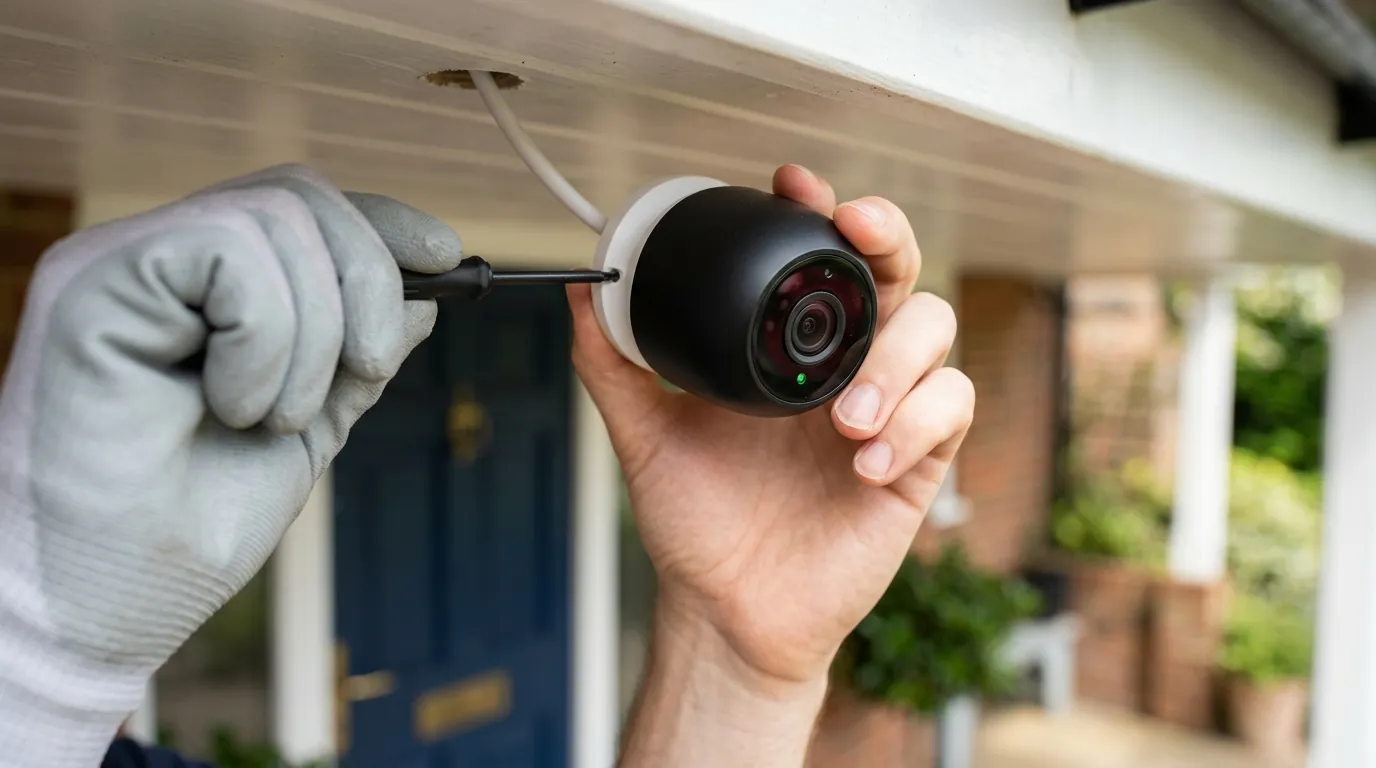
Ring vs. Arlo: Best Porch Theft Protection for Summer 2026
As summer temperatures rise and delivery volumes peak, choosing between Ring and Arlo requires a technical understanding of how heat affects motion sensors and battery longevity. While both brands dominate the 2026 DIY security market, their underlying technologies offer distinct advantages for protecting a sun-drenched front porch.
Quick Answer: Ring’s radar-based 3D Motion Detection is more reliable in extreme summer heat than Arlo’s PIR sensors, which can struggle to distinguish human heat signatures from ambient air when temperatures exceed 95°F. However, Arlo’s 4K resolution provides superior forensic detail for identifying porch pirates during the harsh glare of midday summer sun.
What it means
Related: Best PoE Security Cameras for Residential Use (2026 Guide) · Best 4K Security Cameras with Local Storage (2026 Guide) · Best Smart Home Motion Detectors for Security: 2026 Guide
Summer porch theft protection involves more than just recording a video clip; it requires hardware capable of withstanding direct thermal stress and software smart enough to filter out the “noise” of a busy summer neighborhood. In 2026, the battle between Ring and Arlo has moved beyond simple resolution to “intelligent deterrence”—the ability of a camera to intervene before a package is taken.
The Summer Surge in Porch Piracy
Statistically, package theft sees a notable uptick during summer months as residents travel and packages sit unattended on hot porches for longer durations. For a security camera, summer presents unique physical challenges: high-noon glare can wash out facial features, and “heat shimmer” can trigger false motion alerts in older, pixel-based detection systems. Effective protection in 2026 relies on a camera’s ability to maintain high-speed connectivity and accurate sensing even when the chassis temperature exceeds 110°F.
Defining the 2026 Subscription Landscape
Both Ring and Arlo have transitioned into “service-first” companies. Buying the hardware is merely the entry fee; the actual “protection”—including package detection, person alerts, and cloud storage—is locked behind monthly tiers. As of mid-2026, both brands have streamlined their offerings to focus on AI-driven event filtering. Ring leverages its tight integration with the Amazon Sidewalk network for improved connectivity, while Arlo emphasizes its “Total Security” approach, which includes 24/7 professional monitoring options even for their battery-operated doorbell line.
Why it exists
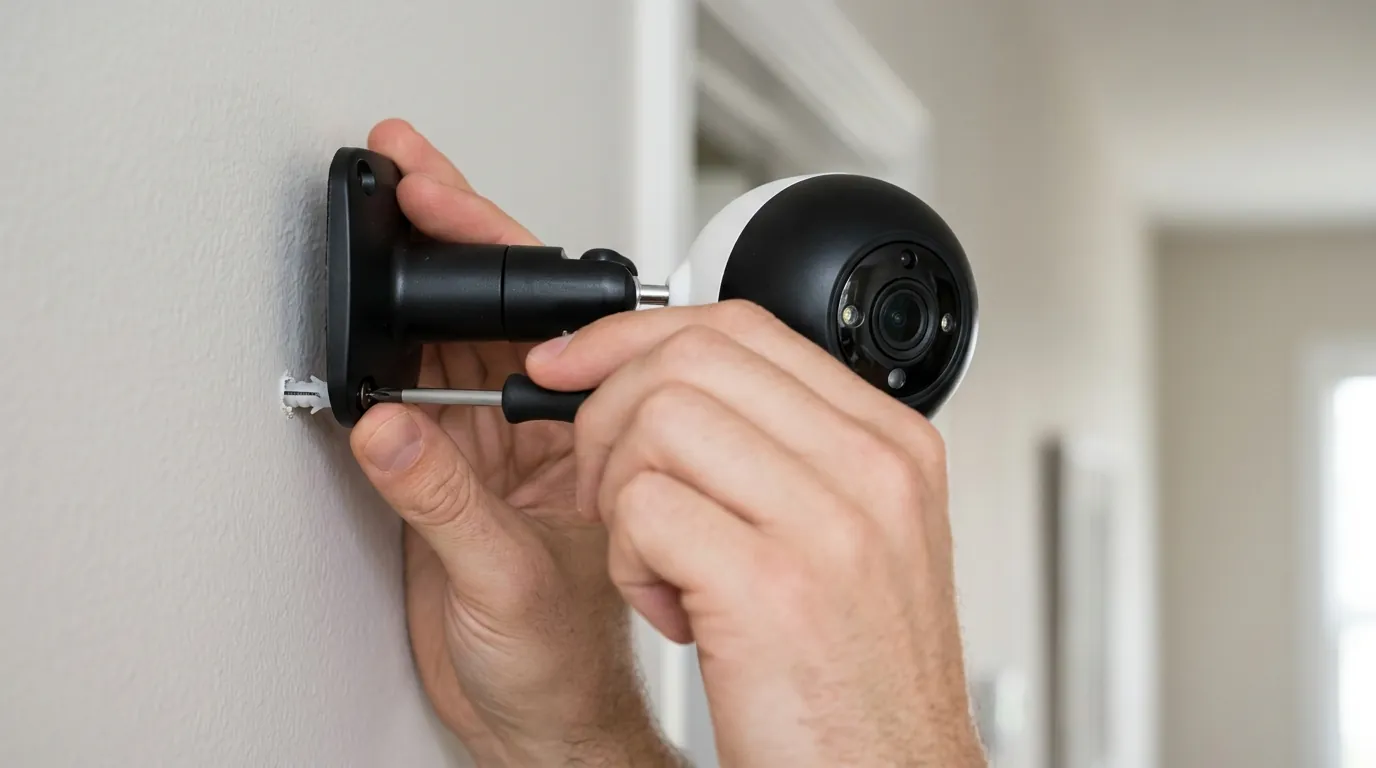
The current rivalry exists because consumer frustration with “subscription-heavy” incumbents reached a breaking point in the mid-2020s. To combat the rise of local-storage competitors, Ring and Arlo have pivoted to advanced AI features that are difficult to replicate on-device without significant power draw.
The Shift from Hardware to Service
In 2026, the hardware for most flagship doorbells has plateaued. Whether you choose a Ring Battery Doorbell Pro or an Arlo Pro 5S, you are receiving a high-quality glass lens and a capable sensor. The real differentiation lies in the “intelligence” layer. Features like Ring’s “Search Party”—which allows users to share high-resolution “Person of Interest” snapshots with neighbors—and Arlo’s “Early Warning System” are designed to justify the monthly $5 to $15 “subscription tax.” These services use cloud-side processing to analyze the gait and behavior of individuals on your porch, attempting to distinguish a delivery driver from a potential thief.
The Demand for Package-Specific Intelligence
Generic motion alerts are no longer sufficient for porch protection. Modern users demand specific “Package Delivered” and “Package Moved” notifications. This requires the camera to maintain a “persistent state” of the porch, recognizing when a new object appears and stays (delivery) versus when it is removed by someone other than the homeowner. Arlo’s 2026 AI suite currently holds a slight edge in “object persistence” accuracy, though Ring’s integration with Amazon’s delivery logistics provides a delivery confirmation status that Arlo cannot match.
How it works under the hood
The most critical technical difference for summer performance lies in how these cameras “see” motion. This is where the physics of summer heat directly impacts security reliability.
Radar vs. PIR: The Summer Reliability Gap
Most consumer cameras, including many Arlo models, rely on Passive Infrared (PIR) sensors. PIR works by detecting changes in heat signatures. However, when the ambient temperature of your porch approaches the temperature of a human body (approximately 98.6°F), the “thermal contrast” vanishes. In a 100°F summer afternoon, a person walking toward a PIR-equipped camera may appear as a “heat blob” that blends into the background, leading to missed recordings.
Ring’s flagship 2026 models, such as the Battery Doorbell Pro, utilize 3D Motion Detection powered by Radar (specifically 24GHz mmWave radar). Radar does not care about heat; it sends out radio waves and measures the time it takes for them to bounce back from a solid object. This allows Ring to:
- Ignore Heat: It functions perfectly in 110°F weather.
- Define Distance: You can set a specific “cutoff” distance (e.g., 10 feet), so the camera ignores cars on the street but triggers the instant someone steps onto your porch.
- Bird’s Eye View: It provides a top-down map of the intruder’s path, showing exactly where they entered your property.
AI Processing: On-Device vs. Cloud-Side Latency
Arlo’s 2026 AI uses a hybrid approach. Basic motion is detected on-device, but the “classification” (Person vs. Package vs. Vehicle) happens in Arlo’s cloud. This can introduce a 1-to-3 second latency depending on your Wi-Fi upload speed. In a “smash and grab” porch theft scenario, three seconds is the difference between catching a face and recording the back of a getaway car. Ring has moved more of its person-detection logic on-device in its “Pro” series to reduce this latency, though full video processing still requires a Ring Protect subscription.
Real-world implications
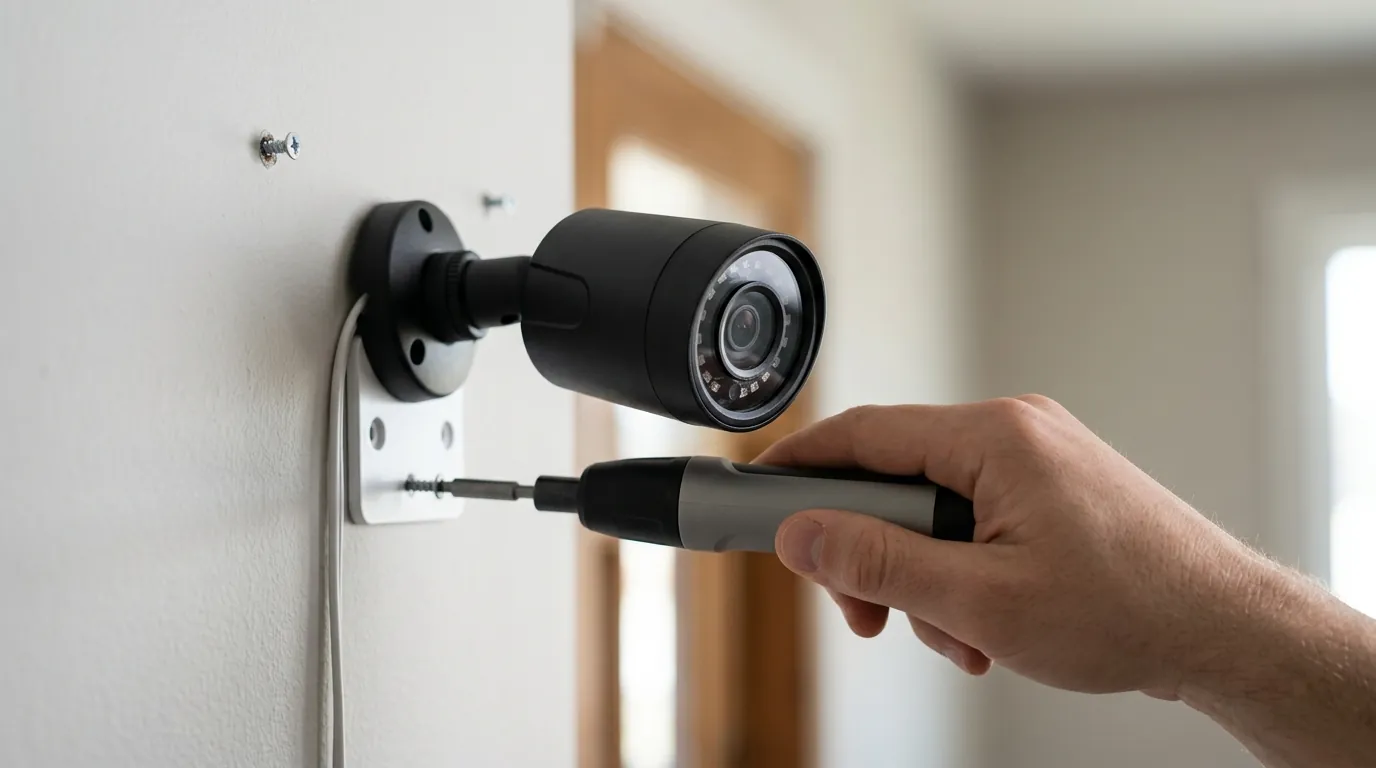
When the sun is beating down on a south-facing porch, the theoretical specs of these cameras meet the harsh reality of thermal throttling and battery degradation.
The ‘Subscription Tax’ in 2026
Neither system is truly functional without a monthly fee. Below is the 2026 cost landscape for the most common configurations used for porch protection.
Table 1: 2026 Feature and Cost Comparison
| Feature | Ring (Battery Doorbell Pro) | Arlo (Pro 5S 2K / Ultra 2) |
|---|---|---|
| Primary Motion Tech | Radar (3D Motion Detection) | PIR (Passive Infrared) |
| Max Resolution | 1536p (Head-to-Toe) | 2K or 4K (Model dependent) |
| Operating Temp Max | 122°F (50°C) | 113°F (45°C) |
| Subscription Name | Ring Protect | Arlo Secure |
| Entry Sub Cost (1 Cam) | Around $5/mo | Around $8/mo |
| Multi-Cam Sub Cost | Around $10/mo | Around $13/mo |
| Local Storage | Requires Ring Edge + Alarm Pro | Requires Arlo SmartHub |
| Package Detection | Included in Subscription | Included in Subscription |
Note: Pricing bands reflect average 2026 market rates; specific regional taxes and promotional bundles may apply.
Privacy and Police Cooperation: The Latest Policies
Privacy remains a major point of divergence. In early 2024, Ring officially sunset its “Request for Assistance” tool, which previously allowed police to request footage directly from users via the Neighbors app. In 2026, Ring requires a formal legal warrant or a life-safety emergency for all police footage requests.
Arlo has leaned into its “Privacy Pledge,” asserting that it never shares data with law enforcement without a court order and that it does not use customer footage for AI training without explicit “opt-in” consent. For users wary of Amazon’s data ecosystem, Arlo is often perceived as the more “privacy-centric” choice, though both offer end-to-end encryption (E2EE) on most 2026 models.
Battery Degradation in Direct Sunlight
Summer heat is the primary enemy of lithium-ion batteries. Arlo cameras, particularly the Pro series, are known for their high-performance 4K sensors, which generate significant internal heat. In direct summer sun, an Arlo camera may temporarily shut down to protect its circuitry if internal temperatures exceed 113°F. Ring’s hardware is generally rated slightly higher (up to 122°F), but battery life on both will plummet in the summer. A battery that lasts six months in the fall may only last two months in a July heatwave due to the increased power required for cooling and high-frequency motion events.
Decision Framework: Which should you buy?
- If your porch faces direct afternoon sun: Prioritize Ring. The radar sensor won’t be blinded by the heat, and the hardware has a slightly higher thermal ceiling before it shuts down.
- If you need to identify license plates or distant faces: Prioritize Arlo. The 4K optics (available on the Ultra 2 or Pro 5 series) provide significantly more digital zoom capability than Ring’s 1536p sensors.
- If you are already in the Amazon/Alexa ecosystem: Prioritize Ring. The ability to have your Echo Show automatically “pop up” a live view when someone touches a package is a seamless summer convenience.
- If you want to avoid “Cloud-only” risks: Prioritize Arlo. While it still pushes subscriptions, Arlo’s SmartHub allows for more robust local microSD recording than Ring’s limited “Edge” storage options.
Total Cost of Ownership (TCO) Analysis
Over a three-year period, the “sticker price” of the camera is often less than 50% of the total cost.
- Ring TCO (3 Years): Hardware (approx. $200) + Ring Protect Basic ($5/mo x 36) = ~$380.
- Arlo TCO (3 Years): Hardware (approx. $200) + Arlo Secure ($8/mo x 36) = ~$488.
- The “Paywall” Trap: If you stop paying the subscription, both cameras lose their ability to distinguish a person from a swaying tree, and they lose all cloud video history. They effectively become “live-view only” doorbells.
Common misconceptions
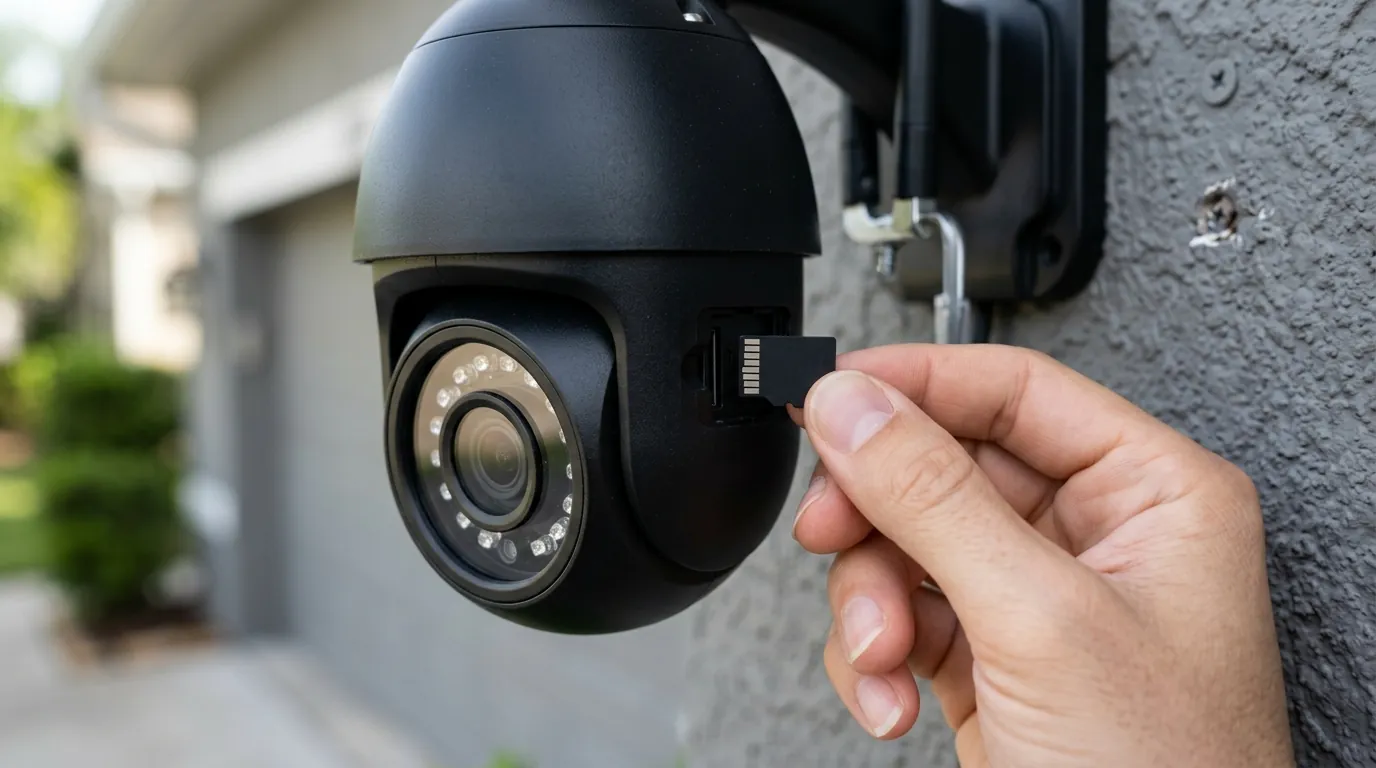
The 4K Marketing Trap
A common misconception is that Arlo’s 4K resolution is always superior to Ring’s 1080p or 1536p. In reality, 4K video requires massive amounts of bandwidth. To keep clips manageable, Arlo applies heavy compression to its cloud uploads. In high-motion scenes—such as a thief running off a porch—this compression can create “blocky” artifacts that make a 4K image look less clear than a high-bitrate 1080p image. Furthermore, if your Wi-Fi signal is weakened by thick summer foliage or brick walls, the camera may downscale to 720p anyway.
The Reality of ‘No-Subscription’ Modes
Many buyers believe they can use these cameras for free by just checking live views. However, without a subscription, neither Ring nor Arlo typically provides “rich notifications” (notifications with a thumbnail image). This means when you get an alert at work, you have to click the notification, wait for the app to load, and wait for the live stream to connect. By the time the video loads, the porch pirate is usually gone.
Misconception: ‘Ring shares all footage with police’
While Ring had a close relationship with law enforcement in the early 2020s, their 2026 policies are much stricter. According to Ring’s 2024 Transparency Update, they no longer allow police to bypass the standard legal process for routine footage requests. The “Neighbors” app is now primarily a social platform for residents rather than a direct portal for police surveillance.
Frequently Asked Questions
Can Ring or Arlo cameras survive a 110-degree summer?
Yes, both are designed for outdoor use, but they have limits. Ring devices are generally rated up to 122°F, while Arlo models typically top out at 113°F. If the camera is in direct sunlight, the internal temperature can be 20-30 degrees higher than the air temperature, which may cause the camera to temporarily go offline to cool down.
Do I need a subscription to see who stole my package?
Practically, yes. Without a subscription (Ring Protect or Arlo Secure), you will receive a notification that motion occurred, but you will not have a recorded clip to view after the fact. You would have to be watching the “Live View” at the exact moment the theft occurred to see the perpetrator.
Which brand is better at detecting packages specifically?
As of 2026, Arlo’s AI is generally regarded as more precise in identifying the specific boundaries of a package. However, Ring offers “Package Alerts” that are more deeply integrated with Amazon delivery notifications, providing a more cohesive experience for frequent Amazon shoppers.
Does the summer sun affect motion detection?
Yes. For Arlo (PIR-based), high ambient heat reduces the “contrast” between a human and the background, potentially leading to missed alerts. For both brands, “sun glint” (sunlight reflecting off car windows or water) can cause false motion alerts, though Ring’s radar-based models are significantly better at ignoring these visual distractions.
Further reading
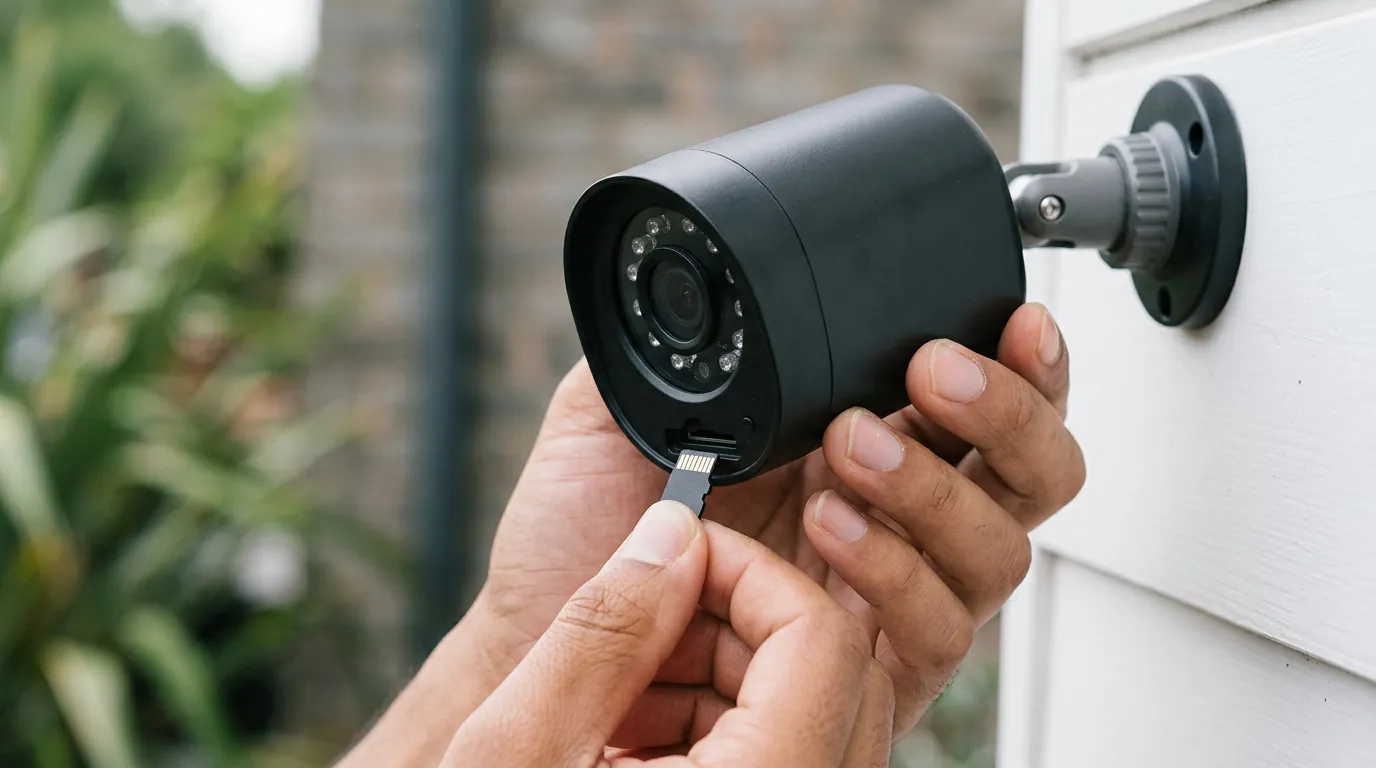
For those looking to exit the subscription cycle entirely, exploring local-only alternatives is the next logical step. Brands like Reolink and Eufy offer systems that store data on an internal hard drive or HomeBase, avoiding monthly fees while still providing AI package detection.
Additionally, setting up a “Privacy-First” NVR (Network Video Recorder) system remains the gold standard for 2026 homeowners who want high-resolution 4K footage without cloud compression or third-party data access. While these systems require more initial setup than a DIY Ring or Arlo, the long-term savings and data security are substantial.
Sources
- Ring — Update to Neighbors Public Safety Service
- Arlo — Privacy Pledge and Data Security
- Ring — Battery Video Doorbell Pro Spec Sheet
- Arlo — Pro 5S 2K Cloud Features and Requirements
- RTINGS — Security Camera Motion Detection Testing (Radar vs PIR)
- FCC ID Search — Ring 24GHz Radar Filings