
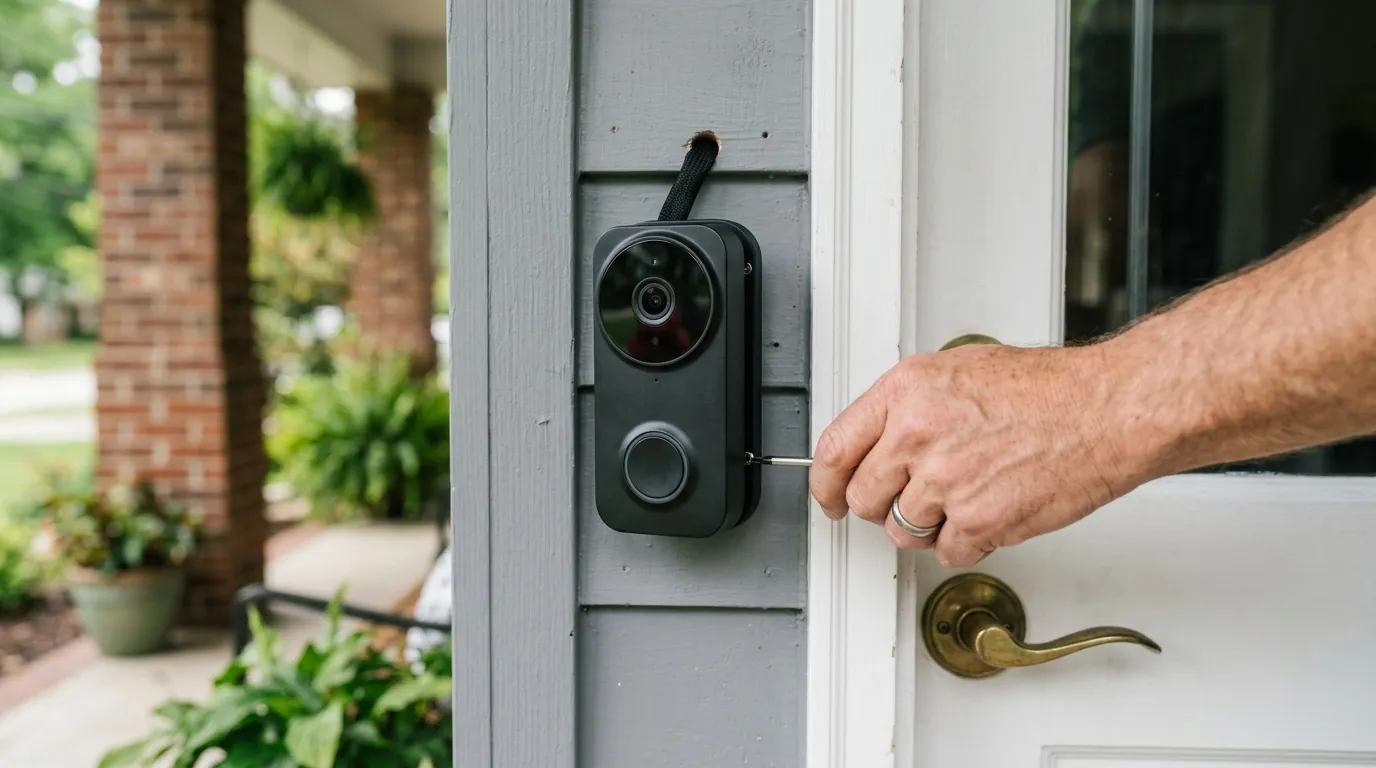
Ring Battery Doorbell Plus Overheating: Causes, Fixes & What June 2026 Means
As outdoor temperatures climb during the summer of 2026, many homeowners are discovering that their smart home security is not immune to the heat, particularly the Ring Battery Doorbell Plus.
Quick Answer: The Ring Battery Doorbell Plus is designed to operate within a temperature range of -5°F to 122°F (-20.5°C to 50°C). When exposed to direct sunlight or high ambient temperatures, particularly in summer months like June, the device may enter a “Device Cooldown” mode, limiting functionality or temporarily shutting down to prevent damage and protect its lithium-ion battery. While user reports of such thermal events exist, there is no widespread, new product recall or confirmed firmware defect specifically causing overheating for the Ring Battery Doorbell Plus in June 2026; the 2020 recall affected a different Ring Video Doorbell model.
What it means
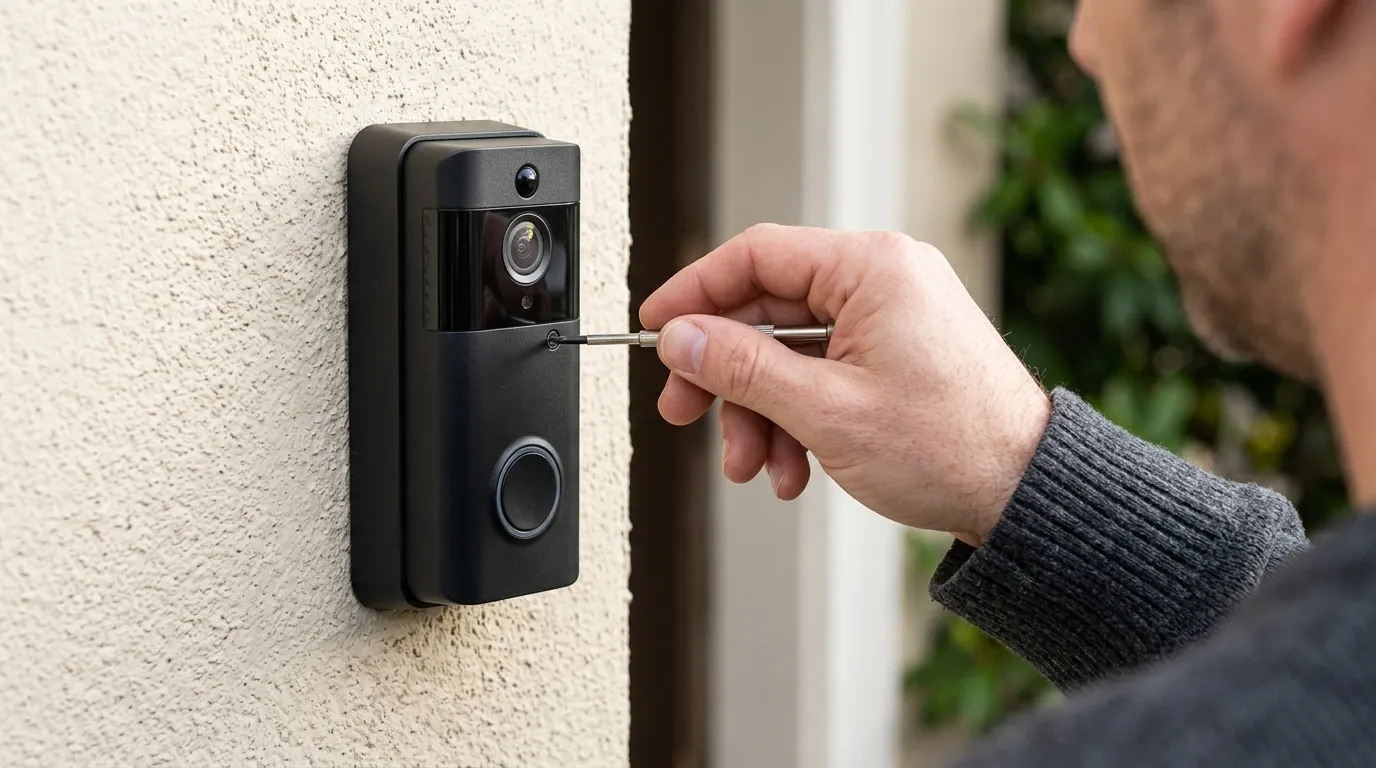
Related: Ring Battery Doorbell Plus Firmware Updates: What to Know in June 2026 · Wyze Cam v4 Overheating: What You Need to Know in Summer 2026 · Are Smart Home Cameras Safe from Summer Storms in 2026?
For a consumer security device, “overheating” is more than just feeling warm to the touch; it is a state where internal thermal sensors detect temperatures exceeding the safe operating threshold programmed into the firmware. For the Ring Battery Doorbell Plus, the official operating temperature range is -5°F to 122°F (-20.5°C to 50°C). However, optimal performance—where the battery chemistry is most stable and the processor runs most efficiently—is typically around 75°F (25°C).
When the device’s internal temperature exceeds 122°F, it triggers a protective “Device Cooldown” mode. This is a staged response:
- Feature Limitation: The device may disable high-drain features such as Live View or the 1536p Head-to-Toe video processing to reduce the heat generated by the internal chipset.
- Recording Adjustments: Video clip lengths may be shortened, or the resolution may be temporarily downscaled.
- Thermal Shutdown: If the temperature continues to rise, the device will shut down entirely to prevent permanent damage to the lithium-ion battery and the image sensor.
It is critical to distinguish these environmental thermal events from the highly publicized 2020 Ring recall. That recall specifically targeted the Ring Video Doorbell (2nd Generation), model number 5UM5E5, due to a fire hazard caused by using the wrong mounting screws which could puncture the battery. The Ring Battery Doorbell Plus, released later, utilizes a different mechanical design and a removable battery pack, and is not subject to that historical recall (CPSC Report).
Comparison of Thermal Specs: Ring Battery Models
| Feature | Battery Doorbell Plus | Battery Doorbell Pro | Video Doorbell (2nd Gen) |
|---|---|---|---|
| Operating Temp | -5°F to 122°F | -5°F to 120°F | -5°F to 120°F |
| Video Resolution | 1536p HD | 1536p HD | 1080p HD |
| Power Source | Removable Battery | Removable Battery | Internal Battery |
| Heat Management | Passive Airflow | Advanced Radar/Passive | Passive Airflow |
| Typical Price Band | $130 - $160 | $180 - $230 | $80 - $110 |
Data sourced from Ring.com product specifications as of 2026.
Why it exists
The Ring Battery Doorbell Plus is a compact computer housed in a weather-resistant plastic shell. Several factors contribute to the thermal load that can push it into “Device Cooldown” during June’s peak sun.
Direct Solar Radiation This is the primary culprit for summer overheating. While the ambient air temperature might be a safe 90°F, direct sunlight hitting the dark faceplate of a Ring doorbell can raise the surface temperature to well over 140°F via solar gain. Dark plastics absorb more infrared radiation, effectively turning the doorbell into a small heat trap.
Internal Heat Generation The Battery Doorbell Plus features a high-resolution 1536p sensor and a wide 150-degree field of view. Processing this amount of data, especially when HDR (High Dynamic Range) is enabled, requires significant work from the internal processor. Additionally, the Wi-Fi radio generates heat while transmitting large video files to the cloud.
Battery Chemistry The rechargeable lithium-ion battery pack is sensitive to temperature. High temperatures increase internal resistance, which in turn generates more heat during the discharge process (when the camera is recording). If the battery is being used heavily during a heatwave, it becomes a dual-source heat problem: it is absorbing heat from the environment while generating its own from within.
Trickle Charging and Wiring Many users hardwire their battery doorbells to existing low-voltage transformers (8-24V AC) to avoid manual recharging. While this provides a “trickle charge,” the process of converting AC to DC power and charging the battery generates additional heat. If the transformer is underpowered or the wiring has high resistance, the charging circuit may work harder, contributing to a higher baseline temperature (Ring Help: Hardwiring your Doorbell).
Environmental Factors Installations behind glass storm doors or within recessed entryways can create a “greenhouse effect.” Without adequate airflow to carry away the heat dissipated by the plastic housing, the ambient air immediately surrounding the device can stay significantly hotter than the actual outdoor temperature.
How it works under the hood
The Ring Battery Doorbell Plus manages heat through a combination of hardware sensors and firmware logic designed to prioritize safety over uptime.
- Thermal Sensors: Multiple thermistors are placed on the main PCBA (Printed Circuit Board Assembly) and near the battery connector. These provide real-time data to the system-on-chip (SoC).
- Firmware Response: When the SoC receives a signal that the temperature is nearing 120°F, it initiates a “throttling” sequence. This is similar to how a smartphone slows down when it gets too hot. The device may reduce the frame rate of the video or pause the “Pre-Roll” feature (which captures the seconds before a motion event).
- Battery Management System (BMS): The BMS is programmed to halt charging if the battery temperature exceeds 113°F (45°C). This is a safety standard for lithium-ion cells to prevent “thermal runaway,” a state where the battery enters an uncontrollable self-heating cycle. Users may see a “Battery is too hot to charge” message in the Ring app during these times.
- Automatic Shutdown: If the internal temperature hits the critical limit (typically around 125°F-130°F for internal components), the firmware will cut power to the sensor and radio. The device will remain unresponsive until the thermistors report a temperature within the safe “re-entry” range, usually around 110°F.
Real-world implications
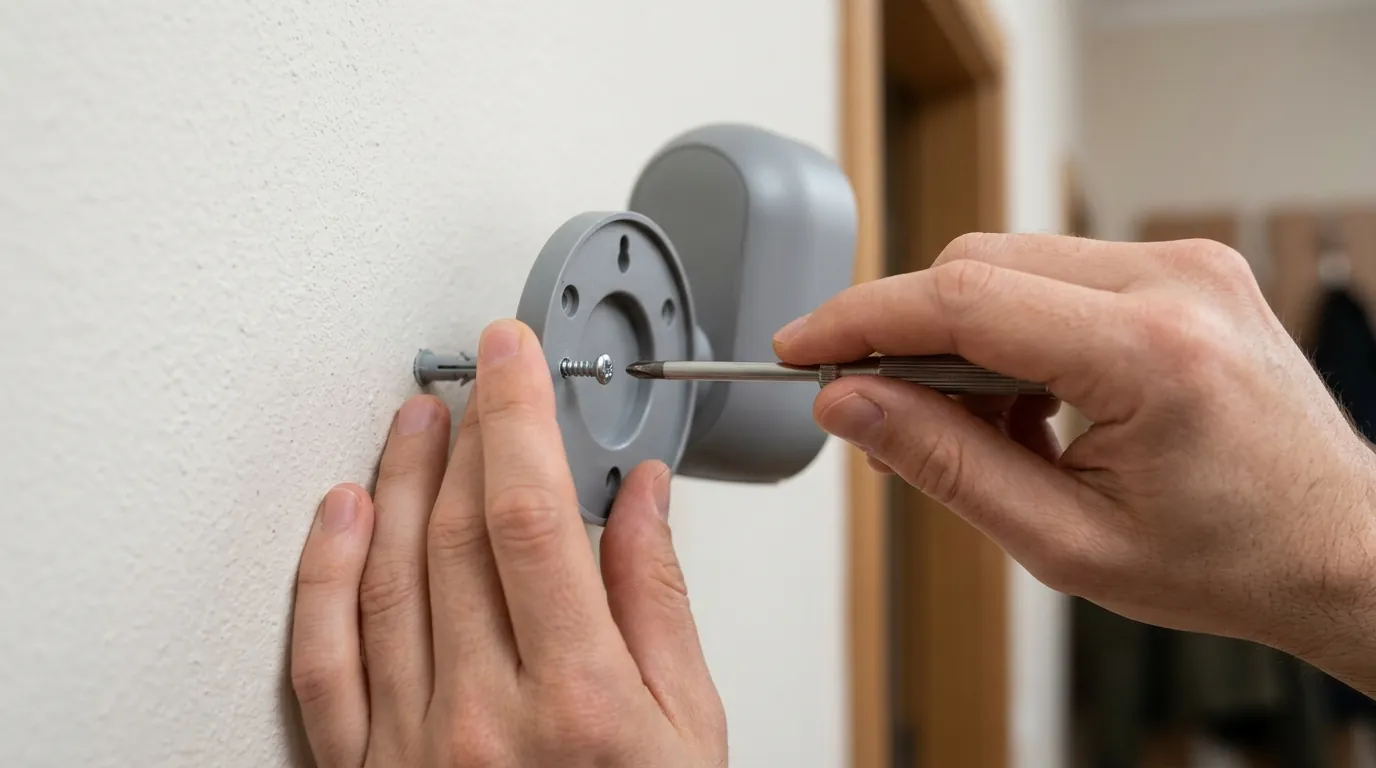
When a Ring Battery Doorbell Plus overheats in June, the consequences range from minor inconvenience to a total loss of security coverage.
Impact on Security Monitoring
The most significant risk is the “security gap.” If the device enters cooldown or shuts down, it cannot detect motion, record events, or send alerts. For a homeowner relying on the doorbell to monitor package deliveries or potential intruders, a thermal shutdown at 2:00 PM—the hottest part of the day—means the front door is effectively unmonitored.
Battery Longevity and Replacement
Heat is the primary enemy of lithium-ion longevity. Frequent exposure to temperatures above 100°F accelerates the degradation of the battery’s electrolyte. Over time, this reduces the total capacity (mAh), meaning the battery will require more frequent charging cycles. In extreme cases, prolonged heat exposure can cause the battery cells to swell, making it difficult to remove the battery from the doorbell housing.
Troubleshooting and Mitigation
To prevent thermal shutdowns, users should consider the following:
- Physical Shading: Installing a “weather shield” or small awning over the doorbell can reduce direct solar gain by up to 20°F.
- Adjusting Settings: In June, users can reduce the workload by lowering motion sensitivity, disabling HDR, and shortening “Record for” durations in the Ring app settings.
- Color Choice: Using a white or light-colored faceplate (if available) can reflect more sunlight than the standard “Satin Nickel” or “Venetian Bronze” options.
Decision Framework: Is the Battery Doorbell Plus right for your climate?
| If your environment is… | Prioritize… | Recommendation |
|---|---|---|
| Mild/Cloudy (e.g., PNW) | Standard Features | The Battery Doorbell Plus is ideal; overheating is unlikely. |
| High Desert (e.g., AZ, NV) | Thermal Mass/Wired | Consider the Ring Video Doorbell Pro 2 (Wired). It lacks a battery, removing the most heat-sensitive component. |
| Humid/Direct Sun (e.g., FL) | Shading & Airflow | Use the Battery Doorbell Plus but must install a shading accessory or mount in a porch-shaded area. |
| Renter (No wiring) | Portability | The Battery Doorbell Plus is the best option, but keep a spare battery to swap in case of heat-related drain. |
Total Cost of Ownership (3-Year Breakdown)
When purchasing the Ring Battery Doorbell Plus, the “sticker price” is only the beginning. In 2026, the cost of ownership includes the hardware and the mandatory subscription to make the device useful.
- Hardware: Around $150.
- Ring Protect Basic (3 years): Around $150 ($4.99/mo or $49.99/yr). This is required for cloud storage; without it, the doorbell only provides real-time alerts without saved video.
- Replacement Battery (1 spare): Around $35. High-heat environments often necessitate a spare battery as the primary one degrades faster.
- Total 3-Year Cost: ~$335.
When to Contact Ring Support
If your device reports overheating when the ambient temperature is below 90°F and it is not in direct sunlight, there may be a hardware defect or a localized firmware glitch. Users should check the “Device Health” section of the Ring app for “Firmware: Up to Date.” If the issue persists, the one-year limited warranty covers manufacturing defects, but generally does not cover “acts of God” like extreme weather unless the device fails within its stated operating range (Ring Warranty Information).
Common misconceptions
The 2020 Recall As noted, many users searching for “Ring overheating” find old news about the 2020 recall. It is important to clarify that the Battery Doorbell Plus was designed after those lessons were learned. It uses a different mounting system that prevents screw-to-battery contact.
‘Hot to Touch’ vs. ‘Overheating’ A doorbell feeling hot to the touch is not necessarily a failure. Plastic and metal components in the sun will naturally reach high temperatures. A device is only failing if it triggers the software-level “Cooldown” notification or loses functionality.
Widespread Firmware Bug In late 2025, some community forums (such as r/Ring) discussed a firmware update that caused “false positive” overheating alerts. As of June 2026, Ring has addressed these via subsequent updates. If you see an overheating alert, it is statistically more likely to be a genuine thermal event caused by June weather than a software bug.
Instant Damage A single thermal shutdown is unlikely to “fry” the device. The shutdown mechanism is specifically designed to trigger before permanent damage occurs to the silicon or the battery cells.
Further reading
For those looking to optimize their home security setup against the summer heat, the following resources provide deeper technical dives:
- Optimizing Battery Life: Learn how motion zones and “Frequency” settings impact the thermal load on your device during peak summer.
- Wired vs. Battery: A comparison of how wired doorbells (which lack large lithium-ion batteries) handle extreme heat better than battery-powered counterparts.
- Privacy and Data: Understanding Ring’s 2024 policy shift, which ended the “Request for Assistance” (RFA) tool, meaning police can no longer request footage directly through the Neighbors app without a warrant (Ring Transparency Report).
- DIY Shading: Community-driven solutions for 3D-printed or store-bought shades that can lower doorbell temperatures by 10-15 degrees.
Frequently Asked Questions
Why is my Ring doorbell not charging in the sun?
The Ring Battery Doorbell Plus has a safety feature that halts charging if the battery temperature exceeds 113°F (45°C). Even if hardwired, the device will stop taking a charge to prevent battery damage until it cools down below this threshold.
Can I change the faceplate to help with overheating?
Yes. Using a lighter-colored faceplate, such as white or light silver, can help reflect solar radiation. Darker colors like black or dark bronze absorb more heat and can contribute to higher internal temperatures in direct sunlight.
Does the Ring Protect subscription cover heat damage?
The standard 1-year warranty covers manufacturing defects. If you have Ring Protect Pro (around $200/year), it includes an extended warranty that may cover device failure, though “misuse” (like installing it in an environment that exceeds the 122°F limit) is technically an exclusion.
Sources
- Ring Official Support: Extreme Weather Conditions — https://support.ring.com/hc/en-us/articles/115005939463-Extreme-Weather-Conditions-and-Ring-Devices
- CPSC: Ring Video Doorbell Recall (2020) — https://www.cpsc.gov/Recalls/2021/Ring-Recalls-Video-Doorbells-and-Reports-of-Fire-and-Burn-Hazards
- Ring Product Page: Battery Doorbell Plus Specs — https://ring.com/products/battery-doorbell-plus
- Ring Help: Hardwiring your Battery Doorbell — https://support.ring.com/hc/en-us/articles/115003495766
- Ring Transparency: Changes to Police Requests