
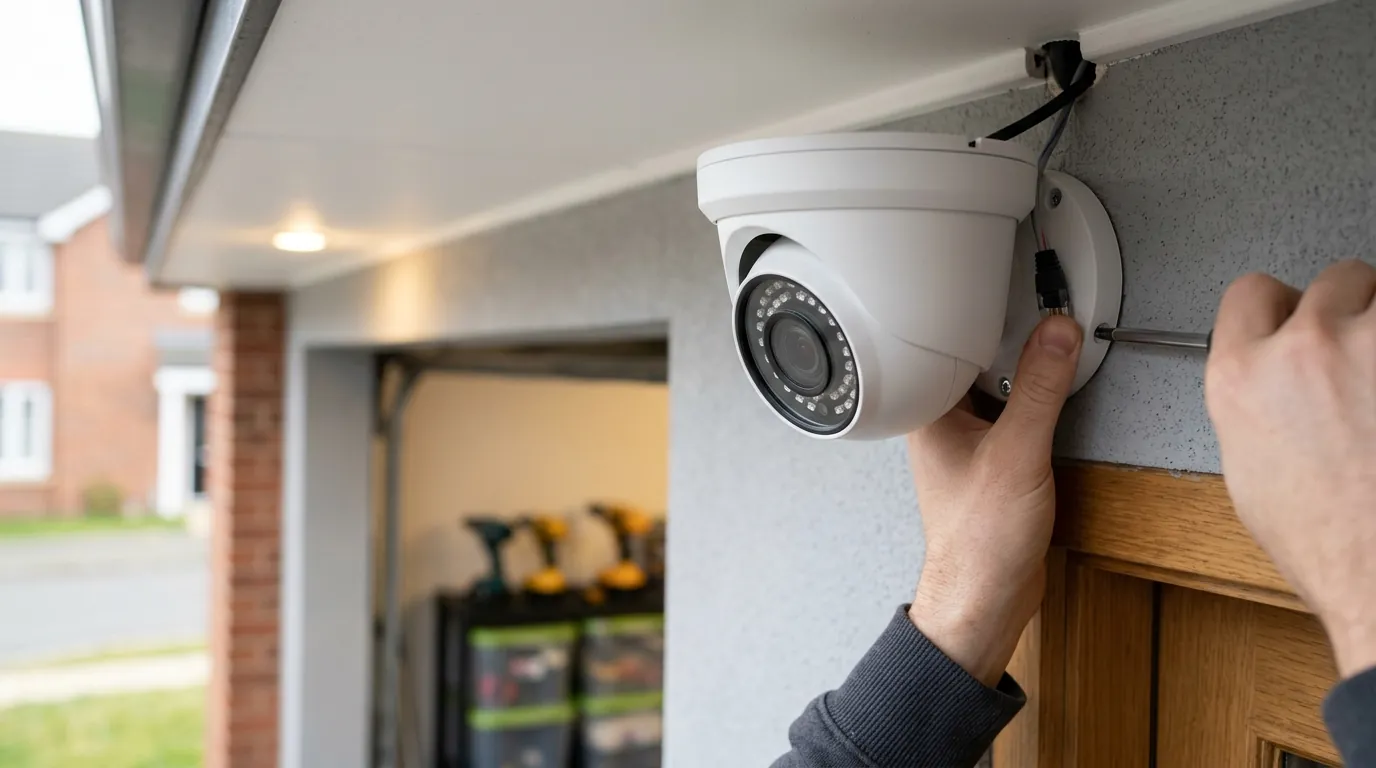
Reolink Firmware Updates: Identifying & Addressing June 2026 Bugs
Maintaining the integrity of a security system requires a balance between adopting the latest software protections and ensuring that new updates do not introduce instability into your local network.
Quick Answer: As of June 2026, Reolink has released firmware updates, including one for wired doorbells that mentions “fixed some known bugs”. While no widespread, officially detailed critical bugs affecting all Reolink camera lines have been explicitly reported for June 2026 firmware, users should monitor Reolink’s official download center and community forums for specific device updates and user-reported issues, such as recent discussions around the Reolink Windows App or Home Hub Pro firmware. Always verify your camera’s model and hardware version before updating and be prepared to troubleshoot if unexpected behavior occurs.
What it means
Related: Arlo Essential Firmware Updates: Addressing Recent Issues & What to Kn · Eufy Security Camera Privacy Policy Update 2026: What You Need to Know · Blink Camera Offline? June 2026 Troubleshooting Guide
Firmware is the specialized, embedded software that serves as the “brain” of your Reolink security camera. Unlike the Reolink App on your phone or the Client on your computer—which act as interfaces—firmware directly controls the camera’s hardware components, including the image sensor, infrared LEDs, AI processing chip, and network radio.
When Reolink issues a firmware update, it is modifying the core instructions the camera follows. These updates are generally categorized into four types:
- Security Patches: Addressing vulnerabilities that could allow unauthorized access.
- Feature Additions: Enabling new capabilities like improved AI pet detection or expanded smart home integrations.
- Performance Tuning: Optimizing how the camera handles light transitions or maintains Wi-Fi stability.
- Bug Fixes: Resolving specific errors in previous code that might cause the camera to reboot or fail to record.
In the Reolink ecosystem, updates are delivered through two main avenues. The most common is the Online Upgrade, where the device checks Reolink’s servers via the App or NVR and installs the update automatically or with a single click. The second is the Manual Upgrade, which involves downloading a specific firmware file (usually ending in .pak) from the Reolink Download Center and uploading it to the camera via a browser or the desktop client.
Keeping devices updated is a fundamental pillar of home network security. However, for a brand like Reolink, which manages a vast catalog of hardware versions (often for the same model name), understanding exactly what is being installed is critical to avoiding a “bricked” or non-functional device.
Why it exists
The necessity of regular firmware updates stems from the evolving landscape of both technology and cybersecurity. For Reolink users in June 2026, these updates serve several vital functions:
- Security Hardening: As security researchers discover new “exploits” or ways to bypass camera security, manufacturers must release patches. Without these, a camera could potentially be used as an entry point into a home network.
- AI Refinement: Reolink’s person, vehicle, and animal detection algorithms are constantly being trained. Firmware updates often include updated “models” for these algorithms, reducing false positives caused by swaying trees or shadows.
- Hardware Optimization: Updates can sometimes extend the life of hardware. For example, a firmware tweak might optimize the power consumption of a battery-powered Argus camera or improve the frame rate stability of a 12MP PoE camera under high-load scenarios.
- Ecosystem Compatibility: As Reolink releases new hardware, such as the Home Hub Pro or updated NVRs, older cameras require firmware updates to remain compatible with the latest centralized management features and encryption standards.
- Addressing “Known Bugs”: No software is perfect at launch. Manufacturers use firmware updates to squash persistent issues reported by the user community, such as the specific “known bugs” addressed in the June 2026 doorbell update.
How it works under the hood
The process of updating firmware is essentially a “rewrite” of the camera’s non-volatile memory. Because this is a high-stakes operation, it follows a specific technical sequence.
Checking Your Current Firmware Version
Before any update, you must identify your Hardware Version. Reolink frequently produces the same model (e.g., the RLC-810A) with different internal chipsets. Firmware for “Hardware Version A” will not work on “Hardware Version B.” You can find this in the Reolink App under Device Settings > Info.
Online Firmware Upgrade Process
For most users, the Reolink App or Client facilitates an “OTA” (Over-The-Air) update. The app sends a request to Reolink’s update server with the camera’s current UID and hardware version. If a match is found, the camera downloads the .pak file into its temporary memory, verifies the file’s digital signature to ensure it hasn’t been tampered with, and then begins the installation. During this time, the camera will be offline and should never be powered down.
Manual Firmware Upgrade Process
Manual updates are preferred by advanced users or when an OTA update fails. This requires visiting the Reolink Download Center, selecting your exact model, and verifying the hardware version.
- The .pak File: This is a compressed package containing the operating system and application code for the camera.
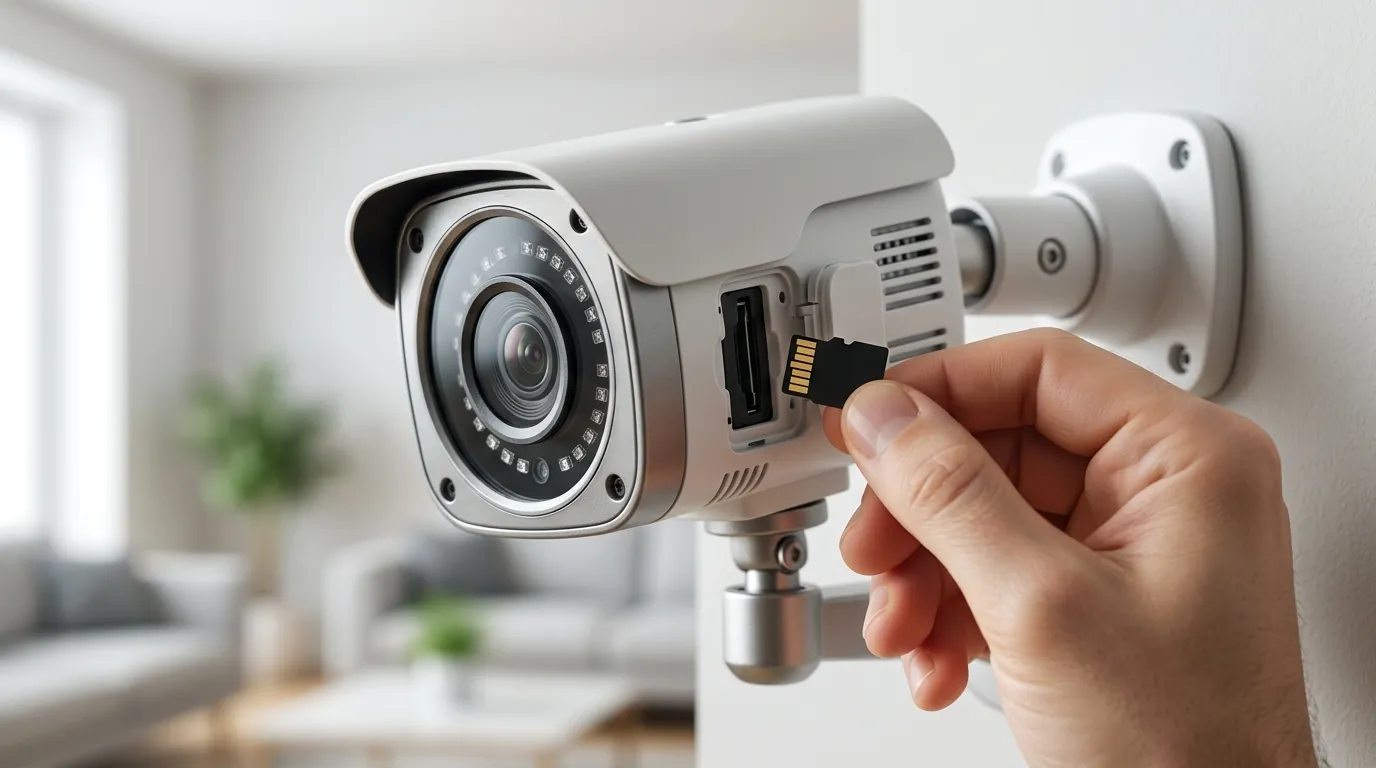
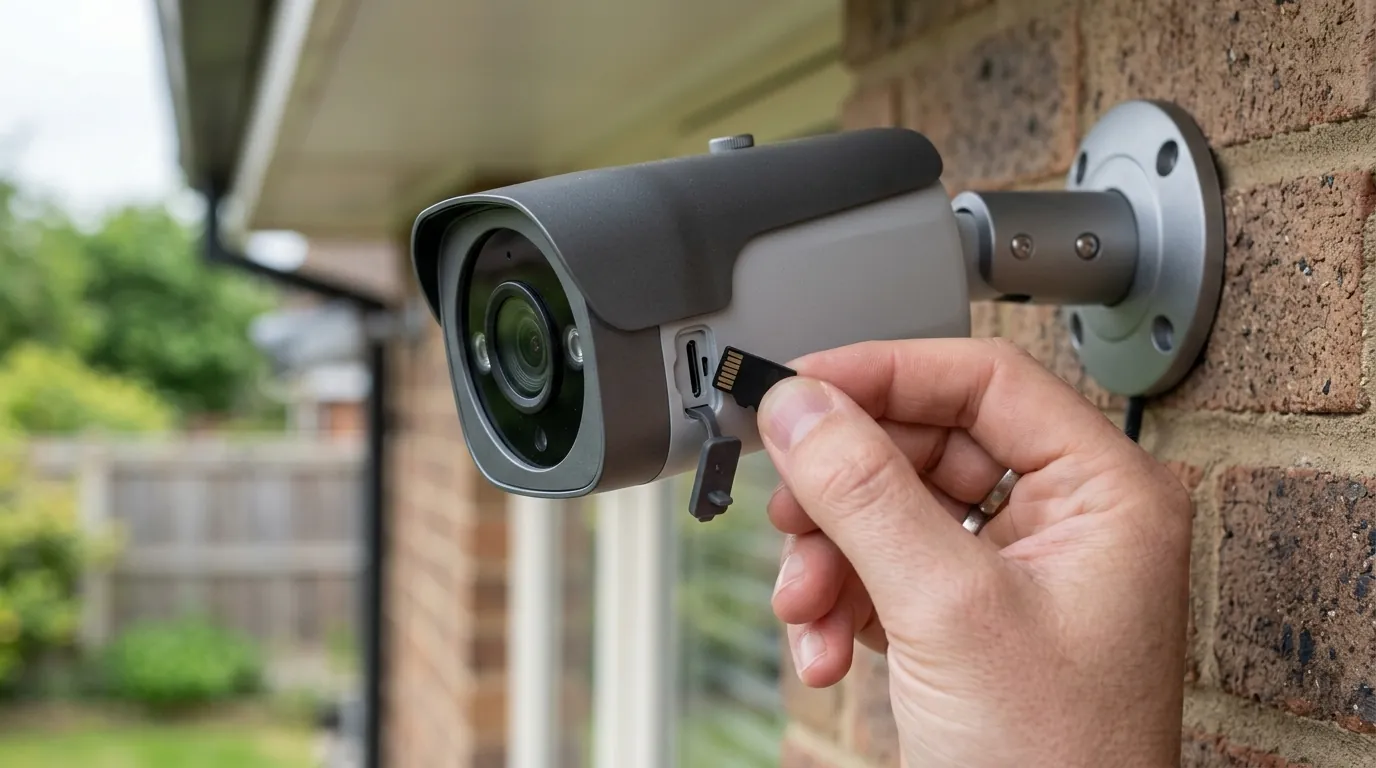
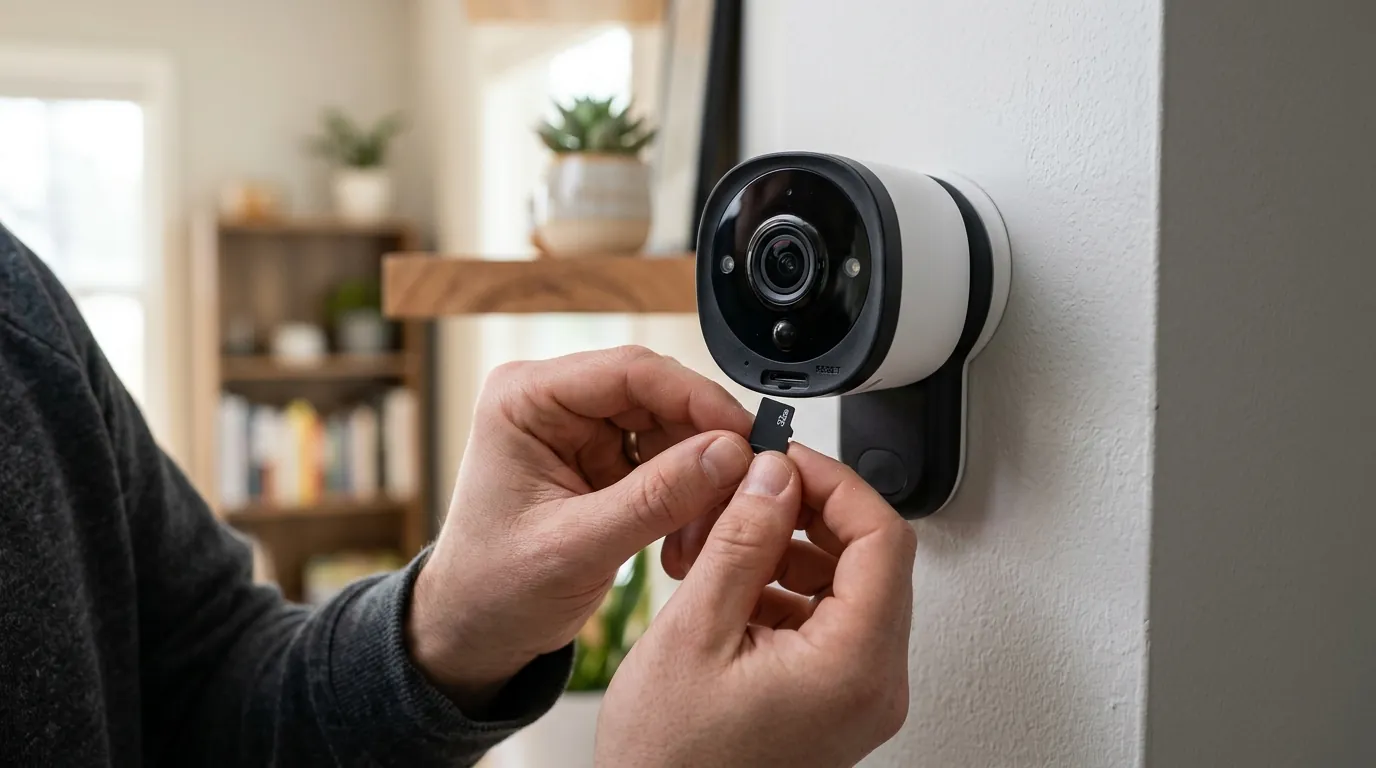
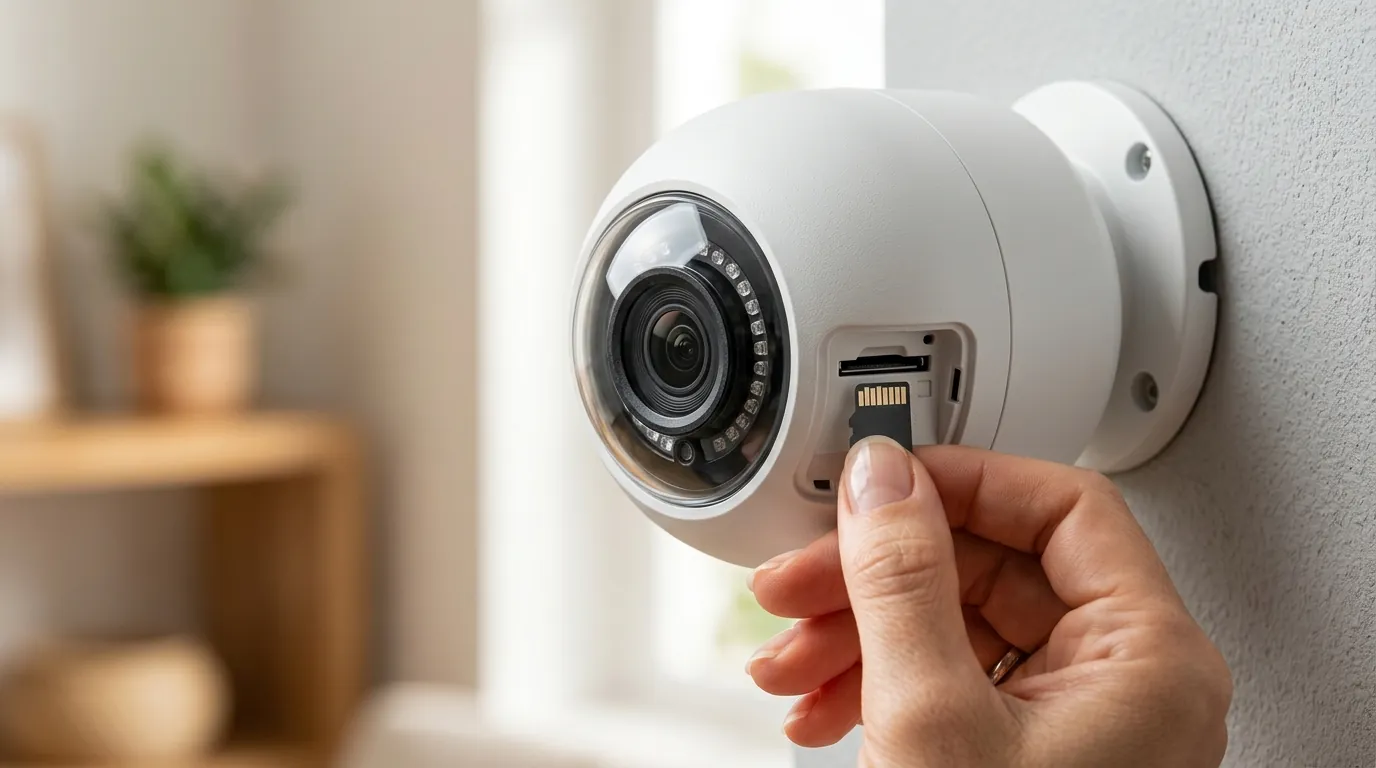
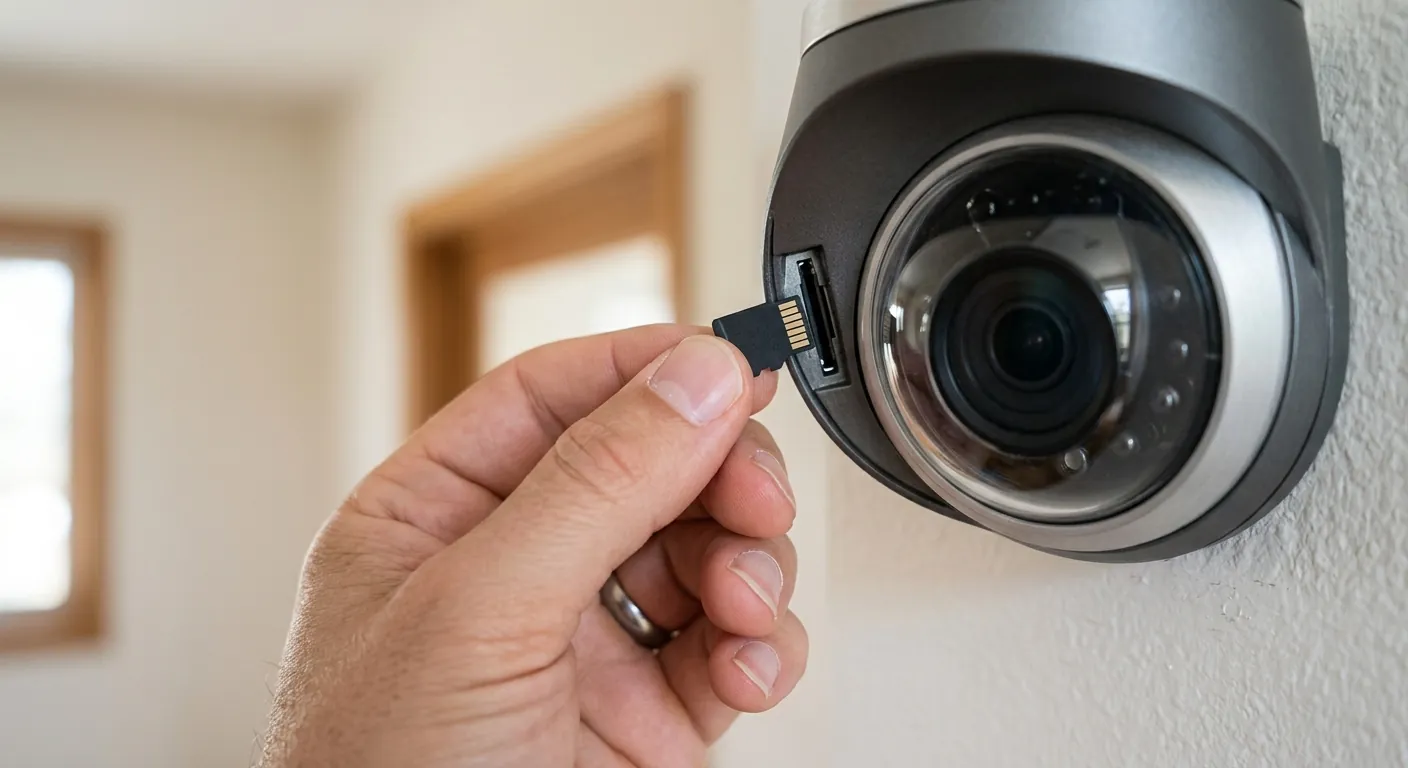
- SD Card Method: For specific battery-powered models like the Go series, the update may require placing the
.pakfile on a MicroSD card, inserting it, and performing a specific reset sequence. - Client Upload: For PoE and Wi-Fi plug-in cameras, you typically use the Reolink Windows or Mac Client to “Browse” for the file on your computer and upload it directly to the camera over the local network.
Post-Update Behavior
After the progress bar reaches 100%, the camera will perform a warm boot. In some instances, particularly when moving between major version numbers (e.g., from v2.x to v3.x), Reolink may recommend a configuration reset. While recordings on the SD card are generally safe, a “Restore” to factory settings may be necessary to clear out old cache files that could cause the new firmware to lag.
Real-world implications
The June 2026 update cycle has highlighted both the benefits and the potential pitfalls of the firmware ecosystem.
Potential Bugs and User Reports (June 2026)
In June 2026, Reolink released firmware v3.0.0.6460 for its wired doorbell series. The release notes explicitly mention “fixed some known bugs” and the addition of video recording encryption. However, community discussions on platforms like r/reolinkcam have noted that some users experienced issues with the Reolink Windows App following recent updates, including UI flickering or cameras appearing “Offline” despite being accessible on mobile devices.
Furthermore, issues reported in May 2026 regarding the Home Hub Pro firmware suggest that centralized management devices can sometimes struggle with synchronization after a batch update of connected cameras. If you are using a Home Hub or NVR, it is often safer to update the recorder’s firmware before updating the individual cameras.
Troubleshooting Common Post-Update Issues
If a camera behaves erratically after an update, the following steps are standard industry practice:
- Power Cycle: Physically unplug the camera (or NVR) for 30 seconds and plug it back in. This clears the volatile memory.
- Check Stream Mode: Sometimes an update resets the default view to “Fluent” (low resolution). Switch back to “Clear” to verify if the image quality has actually degraded.
- Local vs. Remote Update: If an update fails over Wi-Fi, try connecting the camera directly to your router via Ethernet (if applicable) and performing a manual update via the desktop client.
Impact on Privacy and Security
The June 2026 doorbell update is significant for its inclusion of enhanced encryption. Reolink utilizes AES (Advanced Encryption Standard) and RSA algorithms to secure data both in transit and at rest. When you enable the new “Video Recording Encryption” feature, even if someone physically steals the MicroSD card from your camera, they cannot view the footage without the specific private key associated with your account. This aligns with broader industry trends toward “Zero Trust” local storage.
Total Cost of Ownership (3-Year)
When considering the long-term cost of a Reolink system, firmware plays a role in the “feature paywall” debate. Unlike competitors like Arlo or Nest, Reolink does not typically lock firmware-driven features (like AI detection) behind a monthly subscription.
| Component | Estimated Cost (Bands) | Notes |
|---|---|---|
| Hardware (e.g., 4-Camera PoE System) | $400 - $600 | One-time purchase. |
| Storage (2TB HDD or High-End SD Cards) | $60 - $120 | Local storage; no monthly fee. |
| Subscription (Reolink Cloud - Optional) | $0 - $150/3-yr | Basic plan is often free; Rich Notifications may require a tier. |
| Maintenance (Firmware/App Updates) | $0 | All functional updates are free for the life of the product. |
| 3-Year Total Cost of Ownership | $460 - $870 | Significantly lower than subscription-heavy brands ($1,200+). |
Decision Framework: When to Update
Not every “Update Available” notification should be tapped immediately. Use this framework to decide your strategy:
- The “If it ain’t broke” User (Critical Reliability): If your cameras are for a high-stakes business environment and are currently working perfectly, wait 7-10 days after a firmware release. Monitor the Reolink community for reports of bugs. Only update when a “Stable” consensus is reached.
- The Security-First User: If the release notes mention “Security Fixes” or “CVE Patches,” update immediately. The risk of a potential hack outweighs the risk of a minor UI bug.
- The Feature Seeker: If you have been waiting for a specific feature (like the June 2026 Doorbell encryption), perform a manual update but ensure you have physical access to the camera in case you need to perform a hard reset.
- The Renter/Mobile User: If you rely on battery-powered cameras (Argus series), always ensure the battery is above 50% before starting an update. A mid-update power failure can permanently damage the unit.
Common misconceptions
Misconception: All firmware updates are immediately bug-free. Reality: Even with rigorous internal testing, the sheer variety of home networking environments (different routers, interference levels, and cable qualities) means that some bugs only appear once the software is “in the wild.”
Misconception: A factory reset will downgrade my firmware. Reality: A factory reset (using the physical button on the camera) reverts all settings to default, but it keeps the current firmware version intact. If a bug is baked into the new firmware, a reset will not remove the bug, though it may resolve configuration conflicts.
Misconception: App updates and firmware updates are the same. Reality: They are separate. You can have the latest Reolink App on your iPhone (v4.x) while your camera is still running firmware from two years ago. For the best experience, both should be kept current to ensure the app can “talk” to the camera’s new features.
Misconception: Manual updates are “dangerous.” Reality: As long as you have verified your Hardware Version, manual updates are often more reliable than auto-updates because they are performed over a stable local connection rather than relying on a potentially fluctuating internet download.
Frequently Asked Questions
Why does my Reolink camera say “Failed to notify” when I check for an update?
This usually indicates a temporary server issue or a DNS problem on your local network. It can also happen if the camera’s current firmware is so old that it can no longer communicate with the modern update server. In these cases, a manual update via the Reolink Download Center is required.
Can I downgrade my Reolink firmware if the June 2026 update has bugs?
Reolink generally allows firmware downgrades, provided you have the .pak file for the previous version. However, some security-critical updates may prevent downgrading to protect the device from known vulnerabilities. Always contact Reolink support before attempting a downgrade to ensure compatibility.
Will I lose my recorded footage if I update my NVR firmware?
Updating the firmware on a Reolink NVR or camera typically does not format the hard drive or MicroSD card. Your recordings should remain intact. However, it is always a best practice to back up critical footage to an external drive before performing major system updates.
How do I know if the June 2026 update applies to my specific camera?
Check the “Hardware Version” in your device settings. Reolink’s firmware is hardware-specific. If the download center lists an update for “RLC-811A” with hardware “IPC_523128M8MP,” but your camera is “IPC_560128M8MP,” the update is not for your device.
Further reading
- Consult the Official Reolink Download Center for the latest firmware versions specific to your camera model and hardware version.
- Visit the Reolink Support Page for detailed guides on manual firmware installation and troubleshooting.
- Engage with the Reolink Community on Reddit to see user-reported issues and community-driven solutions for the June 2026 releases.
- Review Reolink’s Privacy Policy to understand how the new video encryption features protect your data.
Quvii tracks these trade-offs across the security camera category to help users navigate the complexities of local vs. cloud-based security ecosystems.
Sources
- Reolink Firmware Download Center
- Reolink Support: How to Upgrade Firmware — https://support.reolink.com/hc/en-us/articles/360008743073-How-to-Upgrade-Firmware-for-Reolink-Cameras-NVRs
- Reolink Privacy and Security Official Statement
- Reddit r/reolinkcam Community Discussions — https://www.reddit.com/r/reolinkcam/
- Reolink Product Specifications (Doorbell/Argus/RLC)