
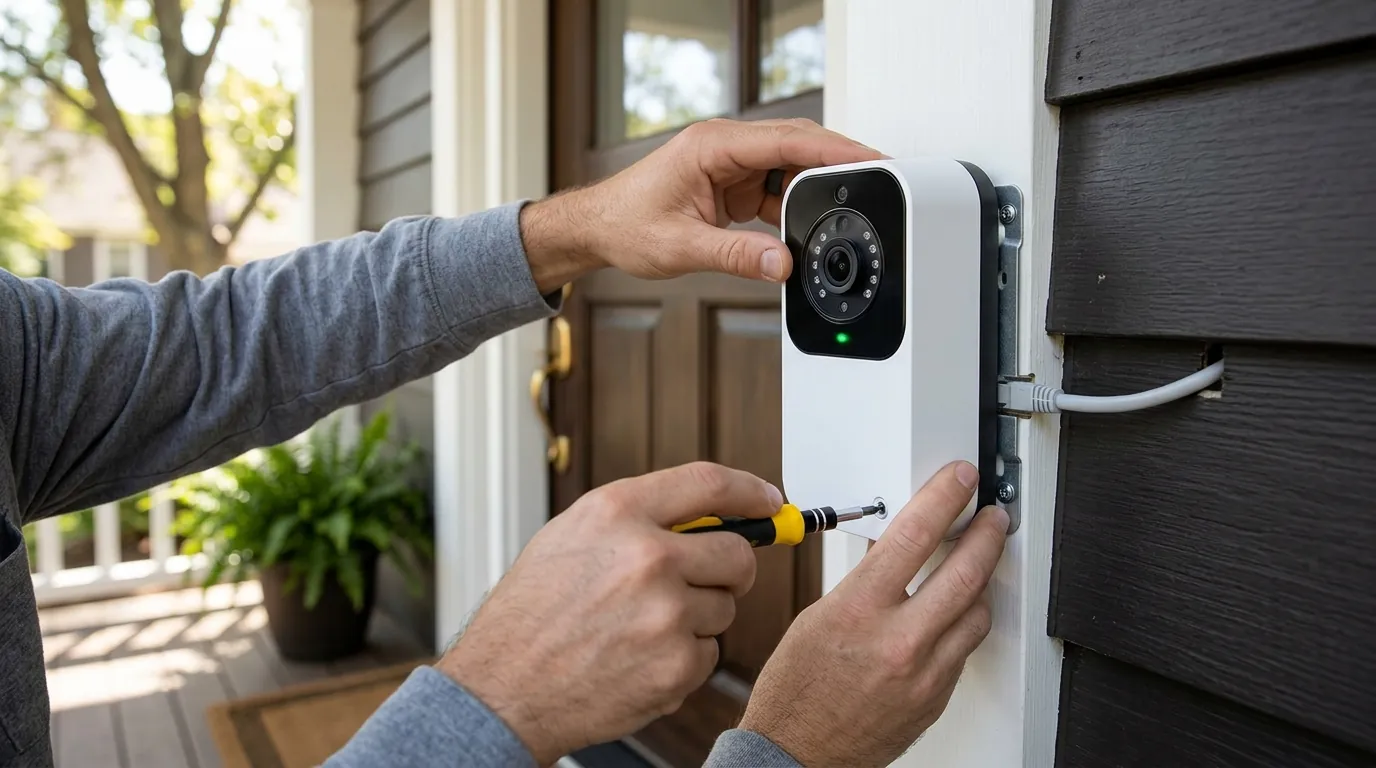
Reolink Doorbell WiFi vs. PoE: Summer Stability & Performance
Summer heat can be a formidable foe for outdoor electronics, especially security cameras tasked with constant vigilance. For homeowners considering or already using a Reolink Video Doorbell, understanding how the Wi-Fi and Power over Ethernet (PoE) models perform under the stress of warmer months is crucial for maintaining reliable home security.
For optimal summer stability, the Reolink Video Doorbell PoE generally offers more consistent performance due to its wired power and data connection, which is less susceptible to Wi-Fi interference and battery degradation from heat. The Reolink Video Doorbell WiFi, while convenient, may experience more fluctuations if Wi-Fi signals are unstable or if direct sunlight causes overheating.
What it means
Related: Ring Battery Doorbell Plus Motion Zone Issues: What You Need to Know · How to Secure Your Smart Home from AI Hacks (2026 Guide) · Smart Home Privacy Risks of AI Security Cameras (2026 Guide)
“Summer stability” for an outdoor security camera refers to its ability to deliver consistent performance, maintain reliable connectivity, and sustain power delivery without interruption, even when exposed to high ambient temperatures and potentially increased network activity. It’s about ensuring your doorbell camera remains fully operational and responsive when you need it most, despite environmental challenges. The Reolink Video Doorbell WiFi and PoE models stand out as popular choices for consumer home security, each offering distinct approaches to connectivity and power that influence their stability, particularly during summer.
Understanding Wi-Fi Connectivity
The Reolink Video Doorbell WiFi model connects to your home network wirelessly, typically utilizing both 2.4GHz and 5GHz dual-band Wi-Fi for data transmission. This wireless connection offers significant installation flexibility, as it doesn’t require a new Ethernet cable run to the doorbell location. Power is usually supplied by existing doorbell wiring (12-24V AC) or a 24V DC adapter, integrating seamlessly with many existing setups. While convenient, Wi-Fi performance can be influenced by factors such as router distance, physical obstructions, and network congestion.
Understanding PoE Connectivity
In contrast, the Reolink Video Doorbell PoE model uses a single Ethernet cable for both data transmission and power delivery, adhering to the IEEE 802.3af standard. This “Power over Ethernet” setup provides a dedicated, stable network path and continuous, reliable power directly through the network cable. The wired connection inherently bypasses many of the wireless interference issues that can plague Wi-Fi devices, making it a robust option for consistent performance.
Why it exists
The co-existence of both Wi-Fi and PoE doorbell cameras reflects an evolution driven by diverse homeowner needs. Early doorbell cameras were often wired, but the demand for easier installation and greater flexibility led to the proliferation of Wi-Fi models. However, the inherent challenges of outdoor electronics, especially during summer, highlighted the need for more robust solutions.
Installation Flexibility vs. Performance Needs
Manufacturers developed both Wi-Fi and PoE versions to cater to different priorities. Wi-Fi models offer installation flexibility, allowing homeowners to replace an existing doorbell with minimal wiring hassle, provided they have adequate Wi-Fi coverage. PoE models, while requiring the effort of running an Ethernet cable, address the need for enhanced reliability and consistent performance, particularly for users who prioritize an unshakeable connection and power supply.
Environmental Stressors: Heat and Humidity
Outdoor electronics face significant environmental stressors, with summer bringing extreme heat, direct sunlight exposure, and sometimes increased humidity. These factors can severely impact camera components, degrade network signals, and affect power sources. High temperatures can stress internal circuits, potentially leading to performance degradation or even premature failure. Direct sunlight can cause devices to overheat, pushing them beyond their optimal operating ranges. For Wi-Fi, heat can indirectly affect signal stability by stressing networking equipment or by increasing overall network congestion from more people being home. Robust design and stable connections are therefore paramount to ensure sustained operation through the summer months.
How it works under the hood
Understanding the internal workings of both Reolink doorbell models provides insight into their summer stability. Both are designed to operate outdoors, but their fundamental connectivity and power delivery methods dictate their resilience to environmental factors.
PoE: Wired Reliability
The Reolink Video Doorbell PoE utilizes the IEEE 802.3af standard to deliver both electrical power and data over a single Ethernet cable. This means the device receives a continuous, stable power supply from a PoE switch or injector, eliminating concerns about power fluctuations or the need for a separate power source at the doorbell location. The dedicated wired network connection ensures a consistent data stream, largely immune to the wireless interference or signal degradation that can affect Wi-Fi signals, particularly over distances or through walls. This direct connection minimizes latency and packet loss, which are crucial for timely motion alerts and clear video streaming.
Wi-Fi: Wireless Convenience
The Reolink Video Doorbell WiFi connects to your home network via 2.4GHz or 5GHz dual-band Wi-Fi. While offering convenience, its performance depends heavily on the strength and stability of your home’s wireless network. Power for the Wi-Fi model is typically supplied by existing doorbell wiring (12-24V AC) or a 24V DC adapter, meaning it doesn’t rely on internal batteries for primary operation, which helps mitigate battery degradation issues common in purely wireless, battery-powered cameras. However, a weak or congested Wi-Fi signal can lead to dropped connections, delayed notifications, and reduced video quality, especially if other devices are heavily utilizing the network during peak summer hours.
Internal Components and Heat Dissipation
Both Reolink Video Doorbell models are rated for operation between 14°F and 122°F (-10°C to +50°C). Their internal components are designed to dissipate heat, with housings that often aid in thermal management. However, direct and prolonged exposure to intense sunlight can push these devices beyond their optimal operating range, potentially leading to temporary shutdowns or reduced performance. High-quality components and efficient circuit design are crucial for managing internal heat generated during operation, especially when ambient temperatures are already high. Regular firmware updates, such as those that might include versions like v3.0.0.6460 (as of June 2026), not only enhance stability and fix bugs but can also optimize power consumption and thermal performance, contributing to overall summer reliability.
Here’s a comparison of key specifications for the Reolink Video Doorbell WiFi and PoE models:
| Feature | Reolink Video Doorbell WiFi | Reolink Video Doorbell PoE |
|---|---|---|
| Connectivity | Dual-band Wi-Fi (2.4GHz/5GHz) | Power over Ethernet (PoE) |
| Power Supply | 12-24V AC, 24V DC | IEEE 802.3af (48V Active PoE) |
| Resolution | 2K+ (5MP) | 2K+ (5MP) |
| Operating Temperature | 14°F to 122°F (-10°C to 50°C) | 14°F to 122°F (-10°C to 50°C) |
| Local Storage | MicroSD card (up to 256GB) | MicroSD card (up to 256GB) |
| Cloud Storage | Optional, subscription-based | Optional, subscription-based |
| Ethernet Port | No | Yes (10M/100Mbps) |
Real-world implications
The choice between a Reolink Video Doorbell WiFi and PoE model has tangible real-world implications, particularly concerning performance and stability during the summer months. These differences can affect everything from daily convenience to long-term reliability and data security.
Network Reliability in Summer
For connectivity stability, the PoE model generally offers superior network reliability. Its wired Ethernet connection provides a dedicated pathway for data, making it far less susceptible to Wi-Fi interference, signal degradation over distance, and network congestion that can increase during summer, especially if more people are home and using the network heavily. The Wi-Fi model, while convenient, can experience fluctuations if your home’s Wi-Fi signal is weak at the doorbell location, or if external factors like neighboring Wi-Fi networks create interference. This can lead to delayed notifications or dropped video frames during critical moments.
Power Delivery and Heat Stress
Regarding power consistency, the PoE model benefits from continuous, reliable power delivered directly through the Ethernet cable. This eliminates any concerns about power fluctuations that might affect Wi-Fi models relying on existing doorbell wiring, or the accelerated battery degradation that can occur in purely battery-powered cameras exposed to high heat. While both models have similar operating temperature ranges, the stable power of the PoE can sometimes contribute to better overall thermal management as the device isn’t working as hard to maintain a connection or manage power efficiency. For Wi-Fi models, while they are primarily wired for power, intense heat can still stress their internal components, potentially leading to performance dips over prolonged exposure.
Installation and Maintenance in Hot Climates
Installation considerations are also significant. The PoE model requires running an Ethernet cable from your network switch or router to the doorbell location. This can be more complex and may involve drilling or professional installation, but it offers long-term stability and reliability once set up. Wi-Fi models are generally easier to install, often reusing existing doorbell wiring, making them a popular choice for DIY enthusiasts. However, ensuring strong Wi-Fi coverage at the exact doorbell location is crucial, and signal boosters might be necessary in some homes, adding to complexity. In hot climates, the robustness of the wired PoE connection can reduce maintenance needs related to connectivity troubleshooting.
Data Security and Privacy
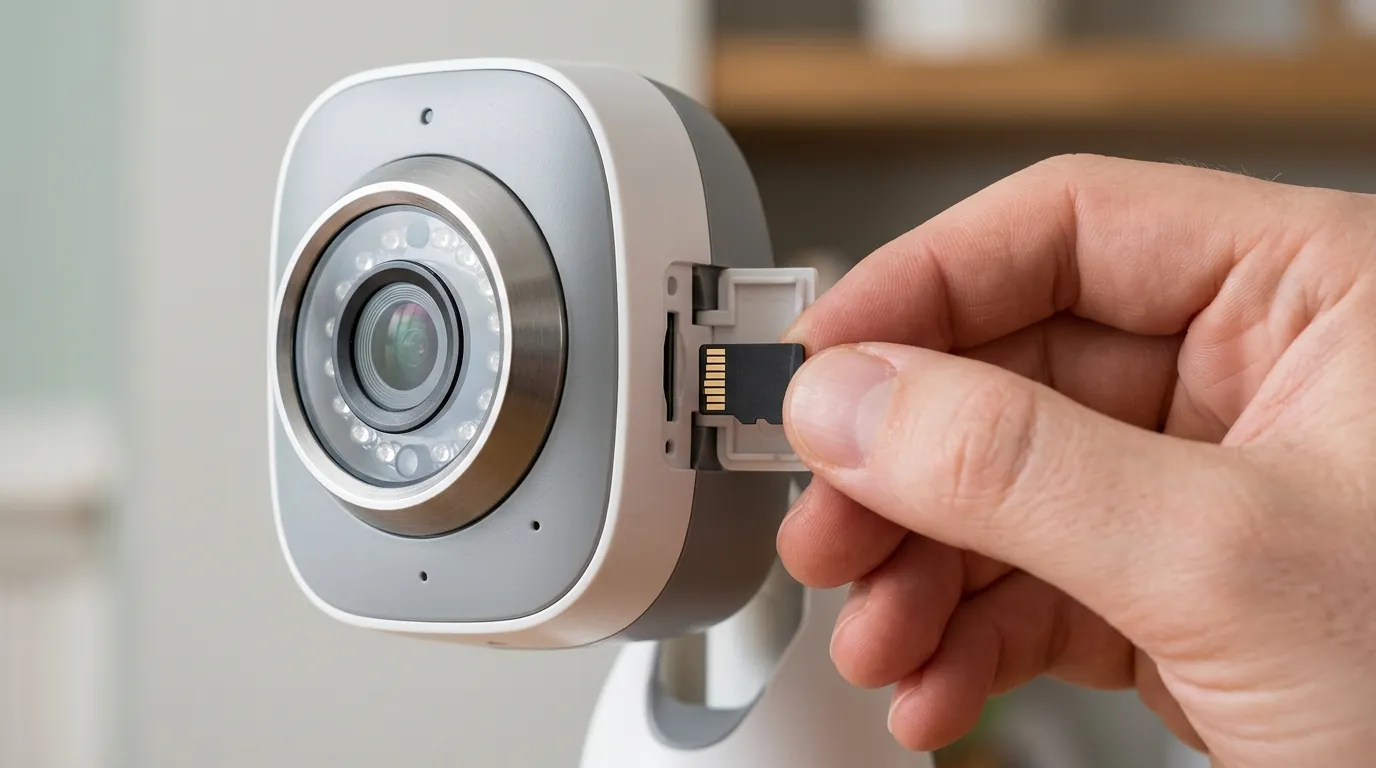
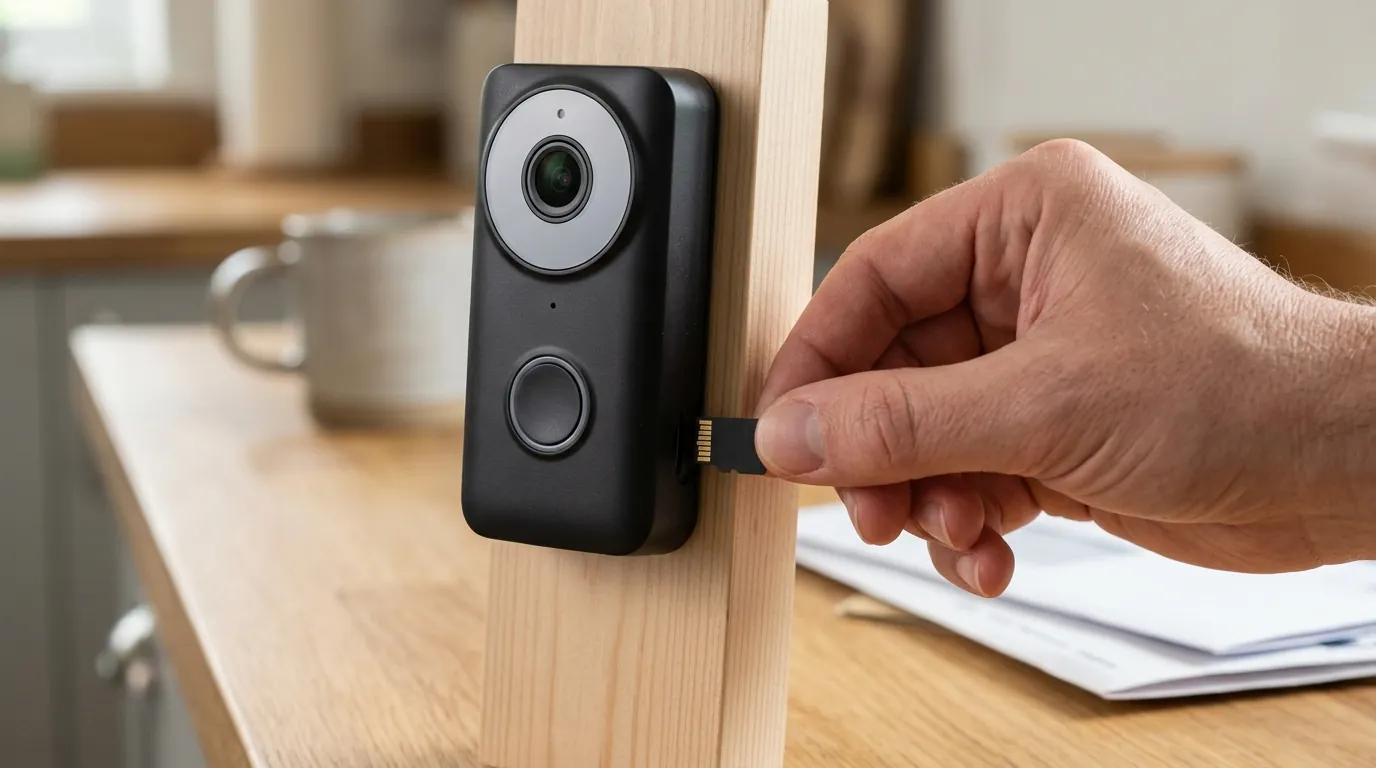
Both Reolink doorbells support local storage via a microSD card, which is a significant privacy advantage as it means video recordings are stored directly on the device and not automatically uploaded to the cloud. This allows users to view recordings without a mandatory subscription. Reolink also offers optional cloud storage plans. Recent firmware updates for Reolink cameras include features like video recording encryption, further enhancing user privacy and data security. Reolink explicitly states in its privacy policy that it does not share personal information for marketing purposes, providing a level of assurance for users concerned about their data.
Pros and Cons of Wi-Fi vs. PoE for Summer Stability
| Feature | Reolink Video Doorbell WiFi (Summer Pros) | Reolink Video Doorbell WiFi (Summer Cons) | Reolink Video Doorbell PoE (Summer Pros) | Reolink Video Doorbell PoE (Summer Cons) |
|---|---|---|---|---|
| Connectivity | Easy installation without new cabling. | Susceptible to Wi-Fi interference, signal degradation, network congestion. | Superior network stability, dedicated data path. | Requires running an Ethernet cable (more complex installation). |
| Power | Utilizes existing doorbell wiring (no battery concerns for primary power). | Potential for power fluctuations if wiring is old or unstable. | Continuous, reliable power delivery (IEEE 802.3af). | — |
| Heat Performance | Designed for outdoor use within specified temperature range. | Direct sunlight can push device beyond optimal range, impacting components. | Designed for outdoor use within specified temperature range. | High-power PoE can generate heat within cables, requiring proper management. |
| Installation | Simpler DIY installation by reusing existing wiring. | Requires strong Wi-Fi signal at doorbell location; potential for dead zones. | “Set it and forget it” reliability after initial cable run. | More involved installation due to cable routing. |
Decision Framework: Choosing Your Reolink Doorbell for Summer Stability
- If you are a renter or prefer minimal installation effort: Prioritize the Reolink Video Doorbell WiFi. It’s easier to set up using existing wiring, but ensure your Wi-Fi signal is robust at the door.
- If you are a homeowner with easy access to run an Ethernet cable: Prioritize the Reolink Video Doorbell PoE. The wired connection offers superior stability and peace of mind against network issues and power fluctuations, especially in hot conditions.
- If you experience frequent Wi-Fi issues or have a large property: Prioritize the Reolink Video Doorbell PoE. Its dedicated wired connection will provide a more reliable experience where Wi-Fi might struggle.
- If you live in an area with extreme summer heat and direct sun exposure: Prioritize the Reolink Video Doorbell PoE for its stable power delivery, which can be more resilient to thermal stress on components over time. Both models have the same stated operating temperature range, but stable power can contribute to better overall performance under stress.
Total Cost of Ownership (TCO) for Reolink Doorbells (3-Year Estimate)
When considering a security camera, the initial purchase price is only part of the equation. The 3-year total cost of ownership (TCO) includes hardware, potential subscription fees, and any additional accessories. Reolink is known for its user-friendly approach, often allowing full functionality without mandatory subscriptions, especially with local storage options.
-
Hardware Cost:
- Reolink Video Doorbell WiFi: Typically in the under $100 to around $150 range.
- Reolink Video Doorbell PoE: Similar pricing, often in the under $100 to around $150 range.
- Note: Installation costs for PoE (if professional help is needed for cable routing) could add to the initial outlay.
-
Subscription Tier / Cloud Storage Fees:
- Both Reolink doorbell models support local storage via a microSD card (up to 256GB), allowing for continuous recording without a subscription.
- Reolink offers optional cloud storage plans for those who desire off-site backup. These plans vary in price based on the number of cameras and storage duration, but a typical plan for one camera could be in the range of around $3-7 per month or around $30-70 annually. Over three years, this could add around $90-210.
- Feature Paywall Trap: Unlike some brands that lock essential features (like rich notifications or activity zones) behind a subscription, Reolink generally provides core features with local storage, making subscriptions truly optional for extended cloud backup.
-
Accessories/Maintenance:
- MicroSD Card: An initial cost of around $15-30 for a high-capacity (e.g., 64GB-128GB) card for local storage. This is a one-time purchase.
- PoE Injector/Switch (for PoE model, if not already owned): If you don’t have a PoE-enabled network, you’ll need a PoE injector (around $20-40) or a PoE switch (around $50-100+), which is a one-time hardware cost.
- Ethernet Cable (for PoE model): Cost depends on length and quality, typically around $10-30.
- Replacement Parts: Minimal, as Reolink cameras are generally durable.
- Power Adapter (for WiFi model, if not using existing wiring): Around $10-20.
Estimated 3-Year TCO Breakdown (Example):
| Cost Category | Reolink Video Doorbell WiFi (Estimate) | Reolink Video Doorbell PoE (Estimate) |
|---|---|---|
| Hardware | ~$120 | ~$120 |
| Optional Cloud (3 years) | ~$150 (mid-range plan) | ~$150 (mid-range plan) |
| MicroSD Card | ~$20 | ~$20 |
| PoE Injector/Switch (if needed) | — | ~$60 |
| Total 3-Year TCO | ~$290 | ~$350 |
| (These are estimates; actual costs vary based on purchase price, chosen cloud plan, and existing equipment.) |
The PoE model might have a slightly higher initial TCO if you need to purchase PoE networking equipment, but its long-term stability and reduced troubleshooting time can offer significant value.
Common misconceptions
Several misconceptions often arise when discussing Wi-Fi versus PoE doorbell cameras, particularly regarding their performance in challenging conditions like summer heat. Addressing these can help consumers make more informed decisions.
Wi-Fi vs. Wired Stability Nuances
Misconception 1: All Wi-Fi is inherently unstable. While it’s true that PoE offers a dedicated, wired connection that is generally more stable, a well-configured dual-band Wi-Fi network (2.4/5GHz, supported by the Reolink WiFi doorbell) can be quite stable. Modern Wi-Fi standards and good router placement can provide reliable connectivity. However, Wi-Fi remains susceptible to external interference from neighboring networks, physical obstructions (like thick walls), and general network congestion, which can be more prevalent during summer when more devices are active. The stability of Wi-Fi is highly dependent on the quality of your home network setup.
Comprehensive Heat Impact on Electronics
Misconception 2: Heat only affects batteries. High temperatures degrade all electronic components, not just batteries. Camera chipsets, sensors, and other circuit board elements can experience reduced performance, increased noise in video feeds, or even premature failure when consistently operating at or above their maximum rated temperatures. While battery-powered devices are particularly vulnerable to battery degradation in heat, any electronic device can suffer from prolonged thermal stress, regardless of its power source.
PoE Cable Heat Considerations
Misconception 3: PoE is always cooler. While the PoE doorbell unit itself benefits from a stable power supply and can manage internal heat efficiently, high-power PoE (especially older or non-standard implementations) can generate heat within the Ethernet cables themselves. This is particularly true in large bundles of cables or when using poor-quality cabling that doesn’t dissipate heat effectively. Proper cable management and using appropriate cable types (e.g., Cat6 or higher for longer runs) are important to mitigate this, though for a single doorbell, this is typically a minor concern.
Outdoor Cameras Are Not Immune to Weather
Misconception 4: Outdoor cameras are immune to weather. Even cameras with high IP ratings (Ingress Protection ratings, indicating resistance to dust and water) have operating temperature limits. While they are designed to withstand exposure to elements, prolonged exposure to extreme heat, direct sunlight, or severe cold can impact their performance and longevity. Manufacturers provide these temperature ranges for a reason, and exceeding them consistently can lead to issues not covered by warranties. Protecting outdoor cameras from direct sun exposure with an overhang or shade can significantly extend their lifespan and ensure more stable operation.
Further reading
To deepen your understanding of security camera performance and stability, especially in varying environmental conditions, consider exploring these topics:
- Optimizing Home Wi-Fi Networks: Learn about strategies to improve Wi-Fi signal strength, reduce interference, and enhance network stability for all your connected devices, including outdoor cameras.
- Power over Ethernet (PoE) Standards: Research the different PoE standards (e.g., IEEE 802.3af, 802.3at) and best practices for installing Ethernet cabling to ensure reliable power and data delivery for your devices.
- IP Ratings and Environmental Considerations: Understand what IP ratings mean for outdoor electronics and how to factor in environmental considerations like temperature, humidity, and direct sunlight when selecting and installing security cameras.
- Reolink’s Official Support Documentation: Regularly check Reolink’s official website for the latest firmware updates, privacy policies, and detailed product specifications for their doorbell cameras.
Frequently Asked Questions
What is the primary difference in summer performance between a Wi-Fi and PoE doorbell?
The primary difference lies in connectivity and power stability. A PoE doorbell, with its wired connection, is less susceptible to Wi-Fi interference and offers more consistent power, leading to more reliable performance in high temperatures and during periods of high network congestion that can occur in summer.
Can extreme heat damage my Reolink doorbell?
Both Reolink doorbells are rated for operation between 14°F and 122°F (-10°C to 50°C). While designed for outdoor use, prolonged exposure to temperatures beyond this range or direct, intense sunlight can stress internal components, potentially leading to performance issues or shortening the device’s lifespan.
Does Reolink require a subscription for cloud storage?
Reolink doorbells support local storage via a microSD card, allowing you to record and view footage without a mandatory subscription. Optional cloud storage plans are available for those who desire off-site backup, but core functionality is retained without them.
How does firmware affect summer stability?
Regular firmware updates from Reolink can enhance stability, fix bugs, and optimize power consumption and thermal management. Keeping your doorbell’s firmware up-to-date can contribute to more reliable performance, especially when facing environmental challenges like summer heat.
Is Wi-Fi interference worse in the summer?
Wi-Fi interference can be more pronounced in summer due to increased network usage as more people are home, leading to greater congestion on shared wireless channels. Environmental factors like increased humidity, though minor, can also theoretically affect signal propagation, but network congestion is usually the bigger factor.
Sources
- Reolink.com — Reolink Privacy Policy - Data Protection and User Control
- connectit.ie — Understanding Power over Ethernet (PoE) Standards
- reolink.com — Reolink Video Doorbell WiFi Product Page
- botslab.com — IP Rating Explained
- arceyedefense.com — PoE Cable Heat Generation
- hikvision.com — Outdoor Camera Environmental Considerations
- 2mtechnology.net — IP Rating Overview
- gzhls.at — PoE Power and Heat
- reolink.com — Reolink Video Doorbell PoE Product Page
- reolink.com — Reolink Video Doorbell PoE Product Page
- reolink.com — Outdoor Camera Durability
- reddit.com — r/HomeSecurity Wiki: Outdoor Cameras
- reolink.com — Reolink RLC-811A IP Rating
- reddit.com — Reolink Doorbell WiFi vs PoE summer performance
- github.com — IP Ratings for Electronics
- reolink.com — Reolink Privacy Policy
- reolink.com — Reolink Video Doorbell WiFi Product Page
- crutchfield.com — Reolink Doorbell Pricing
- datawiresolutions.com — IP Rating Guide
- planetechusa.com — PoE Heat Generation
- planetechusa.com — Power over Ethernet Cable Temperatures
- essmag.co.uk — Heat in PoE Cables
- molex.com — PoE Cable Bundling and Heat
- large-battery.com — Impact of Heat on Electronic Components
- reddit.com — r/reolinkcam: Summer Performance Discussion
- reolink.ch — Reolink Doorbell Pricing
- reolink.com — Reolink Security & Privacy Policy
- reolink.com — Reolink Video Doorbell WiFi Specifications
- reolink.com — Reolink Video Doorbell PoE Specifications