
Reolink Argus 4 Pro vs. Eufy SoloCam S340: 180° Wide vs. 360° PTZ
The choice between the Reolink Argus 4 Pro and the Eufy SoloCam S340 represents a fundamental divide in modern security camera design: do you want to see everything at once, or do you want the ability to look closer at specific details?
Quick Answer: Choose the Reolink Argus 4 Pro for a seamless 180° ultra-wide view and superior low-light color. Pick the Eufy SoloCam S340 if you need 360° pan-tilt coverage and optical-style zoom via its dual-lens hybrid system.
What it means
Related: Eufy Camera Privacy Settings: Protecting Guests & Your Home · Fixing Ring Video Streaming in Home Assistant 2026.7.0b0 · Doorbell Camera vs. Security Camera: Optimal Placement Guide
By 2026, the “Dual-Lens Battery” category has matured into the gold standard for high-end DIY security. For years, battery-powered cameras were limited by narrow fields of view and slow wake-up times. The Argus 4 Pro and SoloCam S340 solve these legacy issues by utilizing two distinct sensors to capture more data than a single-lens system ever could, all while maintaining the wire-free flexibility that homeowners demand.
While both cameras use two lenses, they use them for entirely different purposes. This divergence creates two distinct user experiences that dictate where and how the cameras should be installed.
The Panoramic Stitched Philosophy (Reolink)
Reolink’s approach with the Argus 4 Pro is focused on “situational awareness.” By placing two 4MP sensors side-by-side and using an onboard image signaling processor (ISP) to “stitch” the images together, Reolink provides a 180-degree horizontal view. This eliminates the “fisheye” distortion common in ultra-wide single lenses and ensures there are no blind spots in front of the camera. In this philosophy, the camera is a static observer that misses nothing within its massive arc of vision.
The Hybrid Zoom & PTZ Philosophy (Eufy)
Eufy’s SoloCam S340 uses its two lenses for “forensic detail.” One lens provides a standard wide-angle view, while the second is a telephoto lens. When combined, they offer an 8x hybrid zoom that allows users to read license plates or identify faces at distances where a standard camera would only show a blur. Coupled with a motorized base that can pan 360 degrees, the S340 is designed to “track” and “inspect” rather than just watch.
| Feature | Reolink Argus 4 Pro | Eufy SoloCam S340 |
|---|---|---|
| Resolution | 4K (5120 x 1440) | 3K (Wide) + 2K (Telephoto) |
| Field of View | 180° Horizontal (Fixed) | 135° (Fixed) / 360° (Pan-Tilt) |
| Night Vision | ColorX (Full Color, No Spotlight) | Standard IR / Color with Spotlight |
| Wi-Fi Standard | Wi-Fi 6 (Dual-Band) | 2.4 GHz |
| Onboard Storage | microSD (up to 512GB) | 8GB eMMC |
| Hub Compatibility | Reolink Home Hub / NVR | HomeBase 3 (S380) |
| Solar Power | 6W External Panel | 2.2W Integrated/Removable Panel |
Why it exists
The shift toward dual-lens systems is a direct response to three major pain points in the consumer security market: blind spots, subscription fatigue, and the technical limitations of battery power.
- Solving the “Blind Spot” Problem: Traditional cameras typically offer a 90° to 120° field of view. This often leaves “dead zones” directly underneath or to the sides of the camera. Intruders have learned to exploit these gaps. The 180° view of the Reolink Argus 4 Pro effectively replaces two or three traditional cameras, while the Eufy S340’s pan-tilt-zoom (PTZ) capability allows it to scan an entire backyard or parking lot.
- Subscription Fatigue: US consumers are increasingly moving away from the “tax” of recurring monthly fees associated with brands like Ring, Nest, and Arlo. Both Reolink and Eufy have built their 2026 ecosystems around local-first storage. By processing AI (person/vehicle/pet detection) on the device or a local hub, these cameras provide premium features without a mandatory cloud contract.
- The 4K Battery Challenge: High-resolution video and constant Wi-Fi connectivity are traditionally “battery killers.” However, 2026-era hardware—specifically more efficient Wi-Fi 6 chipsets and low-power image sensors—allows these cameras to stream 4K or 3K video while staying topped off by small solar panels. This has turned “battery cameras” from a compromise into a primary security solution.
How it works under the hood
The technical architectures of these two cameras reveal why they perform so differently in the field.
Optics and Sensors: ColorX vs. Standard IR
The Reolink Argus 4 Pro utilizes Reolink’s proprietary “ColorX” technology. This system pairs an F/1.0 super-aperture lens with a large 1/1.8” sensor. According to Reolink’s technical specifications, this allows the camera to capture four times more light than standard F/2.0 lenses. The result is full-color night vision in environments with as little as 0.01 lux—effectively near-total darkness—without needing to turn on a visible spotlight or switch to black-and-white infrared (IR).
The Eufy SoloCam S340 uses a more traditional sensor array but compensates with its dual-focal length. The 3K wide-angle lens captures the broad scene, while the 2K telephoto lens engages when the AI detects motion or the user zooms in. For night vision, the S340 relies on high-intensity IR LEDs for stealthy black-and-white footage or an integrated spotlight for color.
Wireless Performance: Wi-Fi 6 vs. 2.4GHz
A major differentiator in 2026 is the Argus 4 Pro’s support for Wi-Fi 6 (802.11ax). As noted by independent testing from RTINGS, Wi-Fi 6 provides significantly better stability and lower latency for high-bitrate 4K streams, especially in homes with many connected devices. The Eufy S340 remains on the 2.4GHz band, which offers better range through walls but lower data throughput, which can lead to “buffering” when viewing the high-resolution 3K stream remotely.
AI Processing: On-device vs. Hub-based
Both cameras feature on-device AI to distinguish between humans, vehicles, and animals. However, their ecosystems handle this data differently:
- Reolink: The Argus 4 Pro performs detection on the camera itself. If paired with the Reolink Home Hub, it can offload storage and provide a centralized interface for multiple cameras.
- Eufy: The S340 can operate standalone, but it is designed to work with the HomeBase 3 (S380). The HomeBase 3 adds “BionicMind” AI, which includes facial recognition to tell the difference between a family member and a stranger, a feature the Reolink currently lacks.
Real-world implications
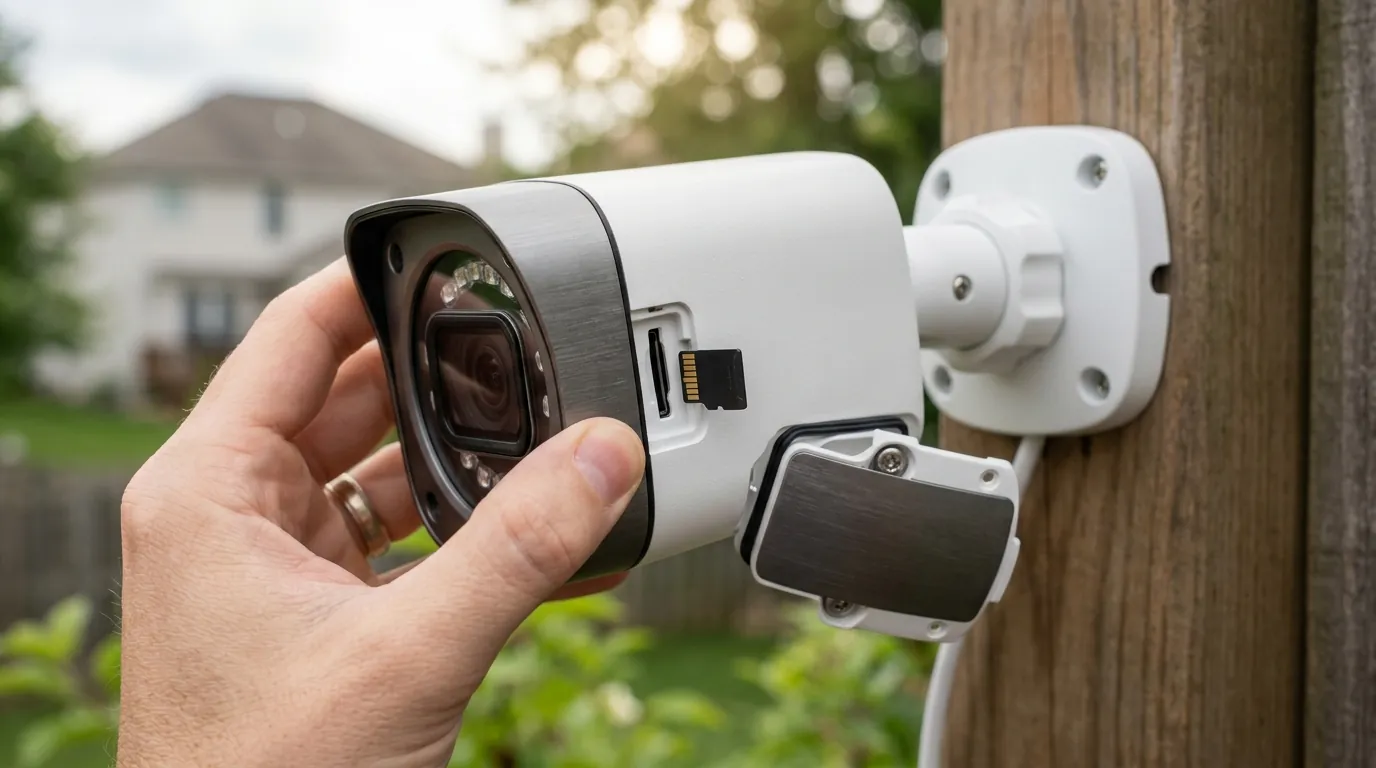
Choosing between these cameras often comes down to the specific geometry of the area you are securing.
Best Use Cases for 180° Panoramic
The Reolink Argus 4 Pro is the superior choice for wide driveways, front yards, and storefronts. Because it captures a full 180 degrees, you can mount it in the center of a garage and see both corners of the property simultaneously. There is no “pan” delay; if a person runs across the yard, they are captured in a single, continuous shot.
The “Stealth Factor” of ColorX is also a significant real-world benefit. Most color-capable cameras require a bright spotlight to stay in color mode at night. This acts as a beacon, telling intruders exactly where the camera is. The Argus 4 Pro can record a person’s clothing color and hair color in the dark while remaining completely dark to the naked eye.
Best Use Cases for 360° Pan-Tilt
The Eufy SoloCam S340 is the better choice for large backyards, open acreage, or corner mounts. Its ability to pan and tilt means it can “patrol” an area or be manually moved to check on a specific gate or window. The 8x hybrid zoom is a game-changer for large properties. If the camera is mounted 30 feet away from a driveway, the telephoto lens can zoom in to capture a license plate that would be a pixelated mess on a standard wide-angle lens.
The Storage and AI Hub Decision
Storage capacity is a hidden cost in 2026.
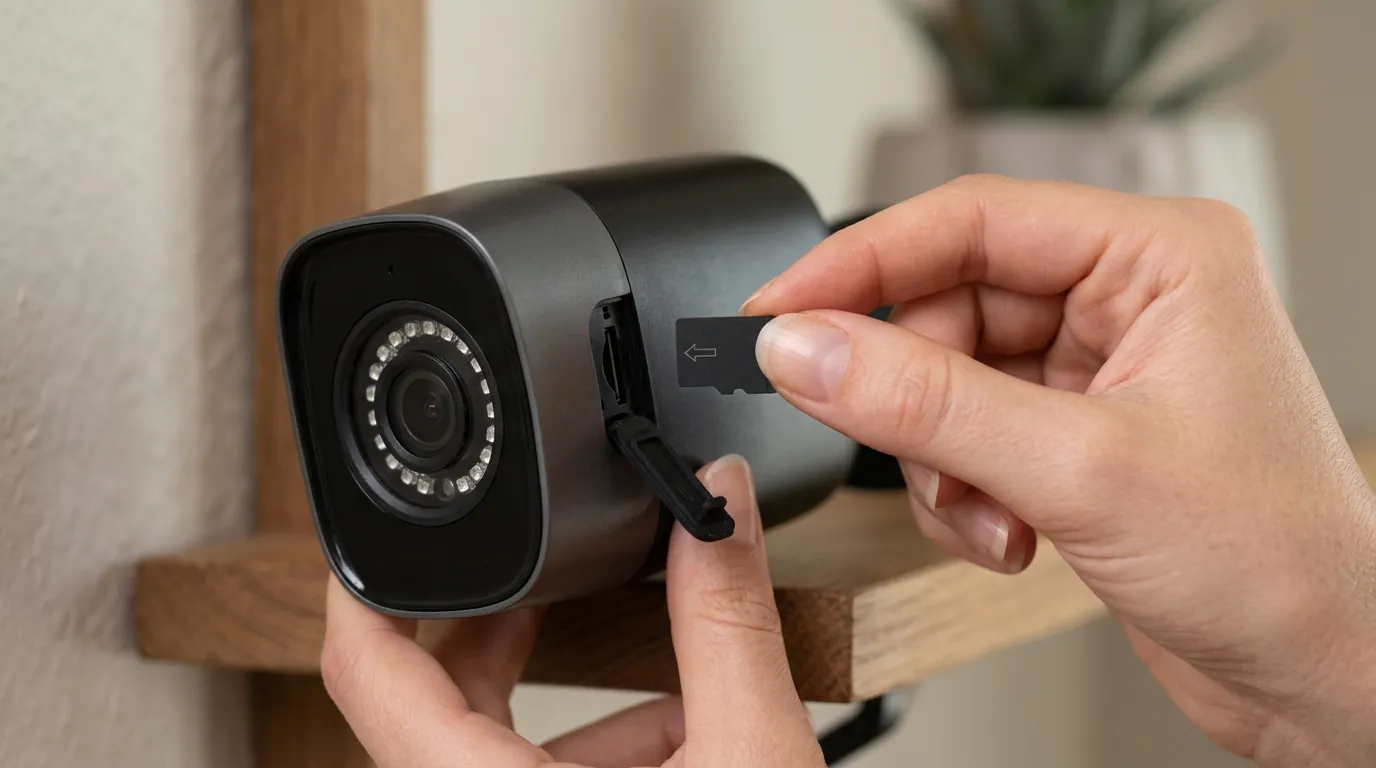
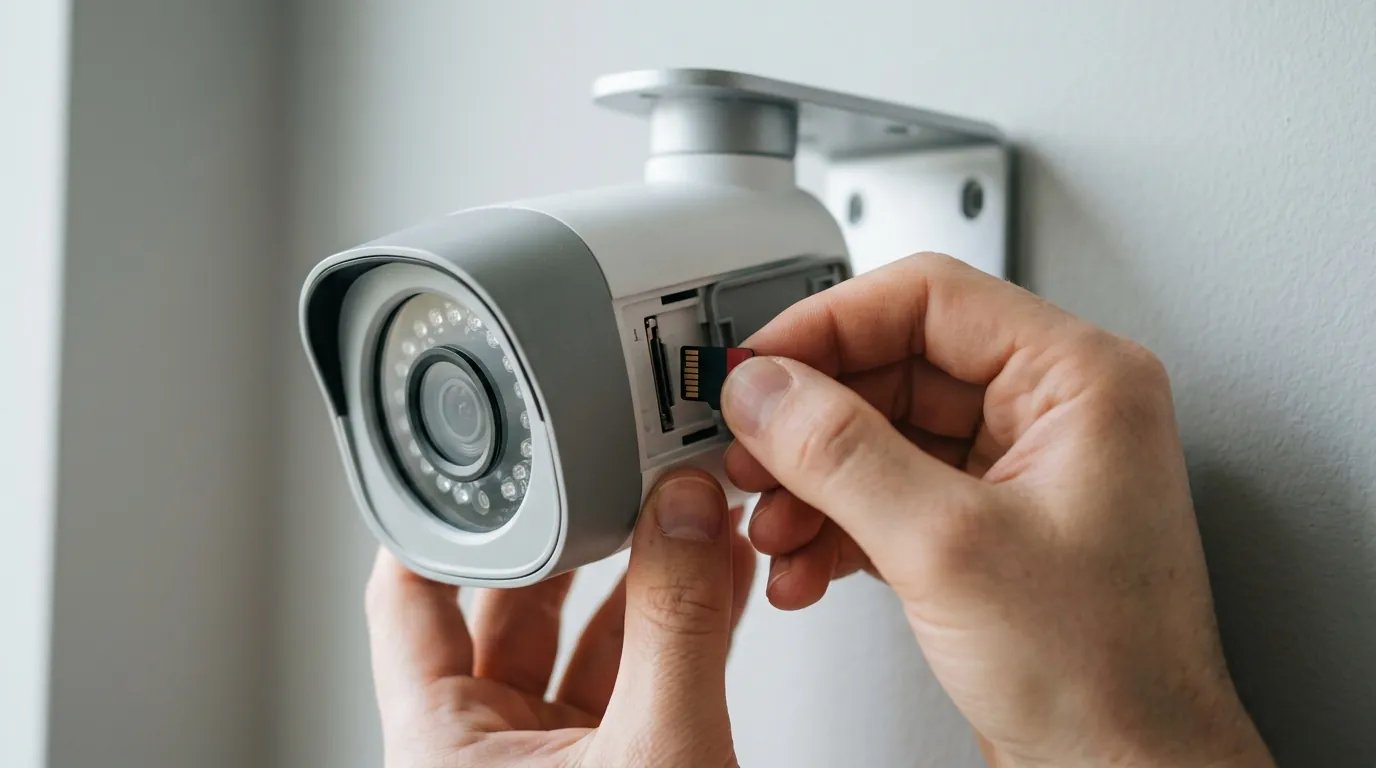
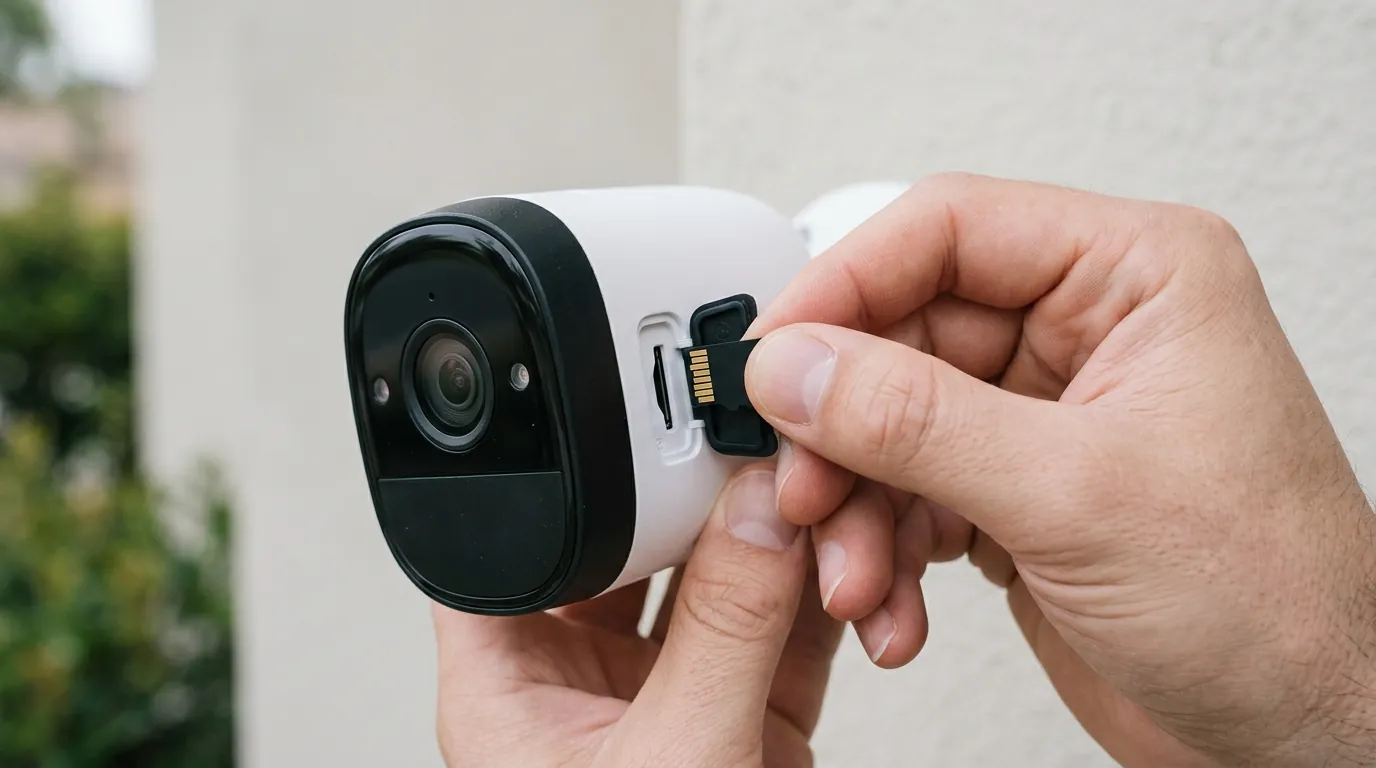
- Reolink: Offers a microSD slot supporting up to 512GB. This allows for months of motion-triggered 4K clips without any additional hardware.
- Eufy: The S340 comes with only 8GB of built-in eMMC storage. For a high-traffic area, this will fill up in days. To get usable storage, most S340 owners will need to purchase the HomeBase 3, which supports up to 16TB of hard drive expansion.
Pricing Band Analysis:
- Reolink Argus 4 Pro: Generally falls in the $180-$220 range, often including the 6W solar panel.
- Eufy SoloCam S340: Generally falls in the $150-$200 range, with the integrated solar panel included.
Decision Framework: Which should you buy?
| If you are… | Prioritize | Recommended Model |
|---|---|---|
| Covering a wide driveway | Field of View & No Blind Spots | Reolink Argus 4 Pro |
| Monitoring a large backyard | Zoom & Tracking | Eufy SoloCam S340 |
| Living in a high-density area | Wi-Fi 6 Stability | Reolink Argus 4 Pro |
| Wanting Facial Recognition | Advanced AI Hub | Eufy SoloCam S340 |
| Concerned about light pollution | ColorX (No Spotlights) | Reolink Argus 4 Pro |
Common misconceptions
“4K is always better”
While the Reolink Argus 4 Pro has a higher total pixel count (4K), Eufy’s 3K/2K hybrid system can often provide better “forensic” detail at a distance. Because the Eufy uses a telephoto lens to optically narrow the field of view, it puts more pixels on a small target (like a face 20 feet away) than the Reolink’s ultra-wide lens, which spreads its pixels across 180 degrees.
“No IR means no night vision”
Some users worry that because the Argus 4 Pro is marketed for its ColorX performance, it won’t work in “true” darkness. While ColorX is highly effective, the camera still includes traditional IR LEDs as a fallback. However, the threshold for ColorX is so low that most suburban ambient light (streetlights, porch lights) is more than enough to maintain a full-color image.
“Solar is maintenance-free”
In 2026, solar efficiency has improved, but physics still applies. The Eufy S340’s 2.2W panel is integrated into the top of the camera. If you mount the camera under a deep eave to protect it from rain, the panel may not get enough sun. Reolink’s 6W panel is external and comes with a 13-foot cable, making it much easier to position in direct sunlight while keeping the camera in the shade.
“Dual-lens means 180 degrees”
Many shoppers assume that any camera with two lenses is a panoramic camera. As the S340 proves, this is incorrect. The S340’s lenses are stacked vertically for zoom, not horizontally for width. It still has the same ~135° field of view as a standard high-end camera unless you use the motor to pan it.
Total Cost of Ownership (3-Year Estimate)
When comparing these two, the hardware price is only part of the story. Unlike Ring or Arlo, which can cost an additional $100+ per year in subscriptions, these cameras are “buy once, own forever” models.
- Reolink Argus 4 Pro:
- Hardware: ~$200
- High-end 256GB microSD card: ~$30
- Subscription: $0
- 3-Year Total: ~$230
- Eufy SoloCam S340:
- Hardware: ~$180
- HomeBase 3 (for adequate storage/AI): ~$150
- Subscription: $0
- 3-Year Total: ~$330
Frequently Asked Questions
Can the Argus 4 Pro see in total darkness?
Yes, but with a caveat. Its ColorX technology requires a tiny amount of ambient light (0.01 lux) to produce color video. In a windowless basement with zero light, it will switch to standard black-and-white infrared mode. In most outdoor settings, even moonlight is sufficient for color.
Does the Eufy S340 require a HomeBase 3?
It does not require it for basic operation, as it has 8GB of internal storage. However, 8GB is very limited for a 3K camera. To store more than a few days of clips or to use facial recognition features, the HomeBase 3 is highly recommended.
How long does the battery last on solar?
In 2026, both cameras are designed to stay at 100% charge indefinitely with just 2-3 hours of direct sunlight per day. During cloudy winter months, the Reolink’s 6W panel generally performs better at harvesting “diffuse” light than Eufy’s smaller 2.2W panel.
Can I use these cameras without a subscription?
Yes. Both Reolink and Eufy are “local-first” brands. All AI detection features (person, vehicle, animal) are included in the hardware price and do not require a monthly fee. Cloud storage is available as an optional backup, but it is not necessary for the cameras to function.
Further reading
- The Quvii guide to local storage: microSD vs. NVR vs. Hubs
- Understanding Wi-Fi 6 benefits for 4K security cameras
- Reolink Home Hub vs. Eufy HomeBase 3: Which ecosystem is better?
Sources
- Reolink Argus 4 Pro Official Specs — https://reolink.com/product/argus-4-pro/
- Eufy SoloCam S340 Official Product Page
- PCMag Review: Reolink Argus 4 Pro
- Tom’s Guide: Eufy SoloCam S340 Review
- FCC ID Verification for Wi-Fi 6 Chipsets (Reolink) — https://apps.fcc.gov/oetcf/eas/reports/GenericSearch.cfm
Quvii tracks these trade-offs across the security category to help homeowners build resilient, subscription-free surveillance systems.