
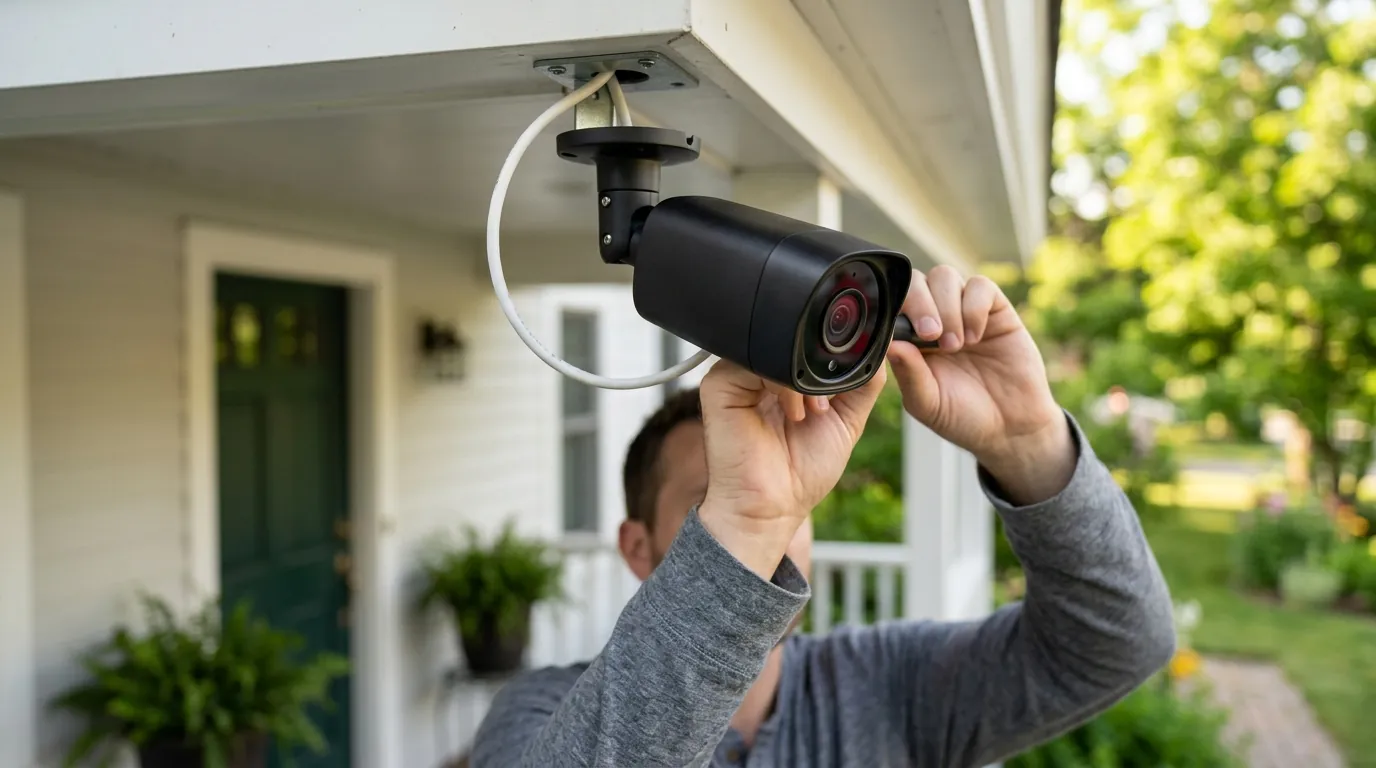
Outdoor Security Cameras: Protecting Summer Guest Privacy
As outdoor gatherings and backyard stays peak during the summer months, the presence of security cameras often transitions from a protective asset to a potential privacy liability for visitors.
Quick Answer: Outdoor security cameras can pose privacy risks to summer guests, primarily through unintended video and audio recording in areas where guests expect privacy, and through potential data sharing practices of camera manufacturers. Homeowners should prioritize camera placement, utilize privacy zones, disable audio recording where legally required, and understand their camera’s data retention and sharing policies to protect guest privacy.
What it means
Related: Arlo vs. Ring for Summer Cabin Security: Off-Grid & Subscription-Free · Are Home Security Cameras Vulnerable to Recent Hacks? What You Need to · Is Wyze Cam v4 Safe? Understanding Its Security & Privacy in 2026
Privacy in the context of outdoor home surveillance refers to the right of guests to be free from intrusive or undisclosed observation while visiting a private residence. While a homeowner has a legitimate interest in securing their perimeter, guests often occupy outdoor spaces—such as patios, pool decks, or outdoor dining areas—where they may engage in private conversations or activities.
The legal and ethical pivot point is the “reasonable expectation of privacy.” Generally, individuals have a lower expectation of privacy in public spaces or areas clearly visible from the street. However, once a guest enters a backyard or a screened-in porch, the expectation of privacy increases significantly.
Security cameras are designed to detect movement and record evidence of intruders, but their wide-angle lenses and high-sensitivity sensors do not distinguish between a burglar and a guest having a personal conversation. The distinction between “monitoring property” and “surveilling guests” is often a matter of intent and transparency. Without clear communication and technical safeguards, a system meant for security can inadvertently become a tool for monitoring the social lives of visitors.
Why it exists
The tension between security and guest privacy has intensified due to several technological and cultural shifts:
- Ubiquity of Hardware: Residential outdoor cameras are no longer specialized equipment; they are standard features in modern homes, often installed at multiple entry points and recreational zones.
- Advanced Sensory Capabilities: Modern cameras frequently feature 2K or 4K resolution, allowing for the identification of small details, and microphones capable of capturing clear audio from over 20 feet away.
- AI-Powered Identification: Features like person detection and facial recognition, offered by brands like Eufy and Google Nest, can automatically tag and track specific individuals, creating a digital log of a guest’s movements.
- Cloud Integration: Most consumer cameras rely on cloud servers for storage and remote viewing. This introduces third-party involvement, where guest footage is stored on servers owned by companies like Amazon (Ring) or Arlo, subject to their specific data-handling policies.
- Knowledge Gap: Many homeowners install “plug-and-play” systems without reviewing the default settings, which often include continuous audio recording or broad motion-detection zones that extend into sensitive areas.
How it works under the hood
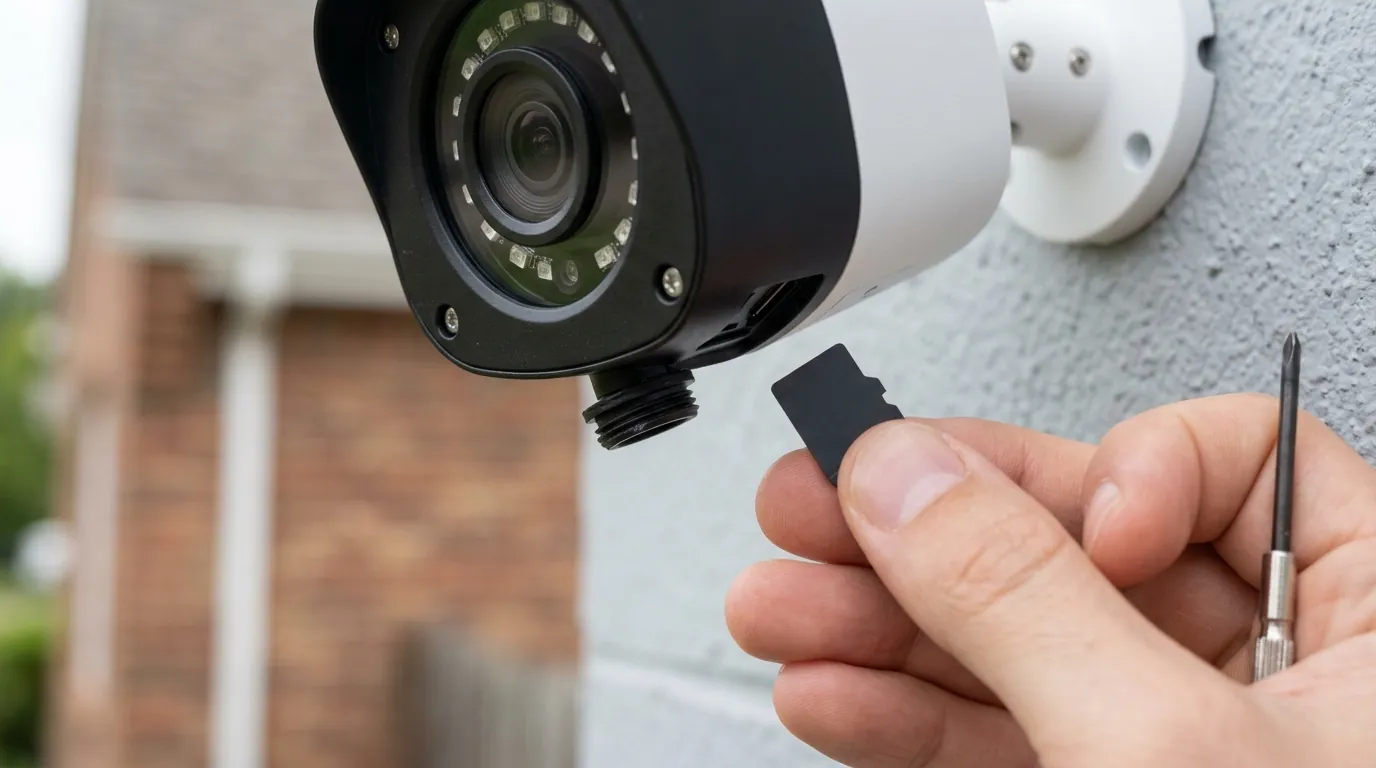
Understanding the technical path of a video clip is essential for assessing privacy risks. When a guest walks into a camera’s field of view, a chain of data events occurs that determines who can see that footage and for how long.
Local Storage vs. Cloud Storage
Data storage is the primary privacy frontier.
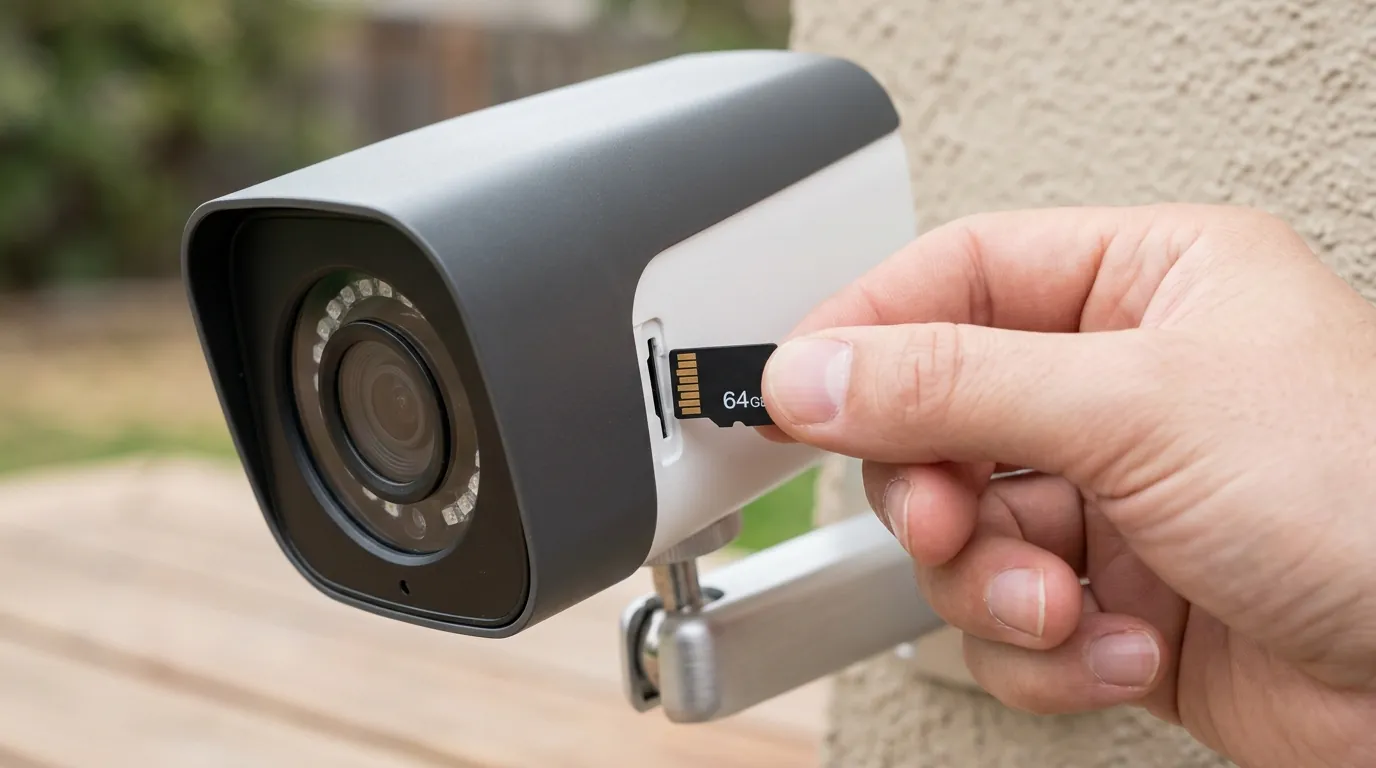
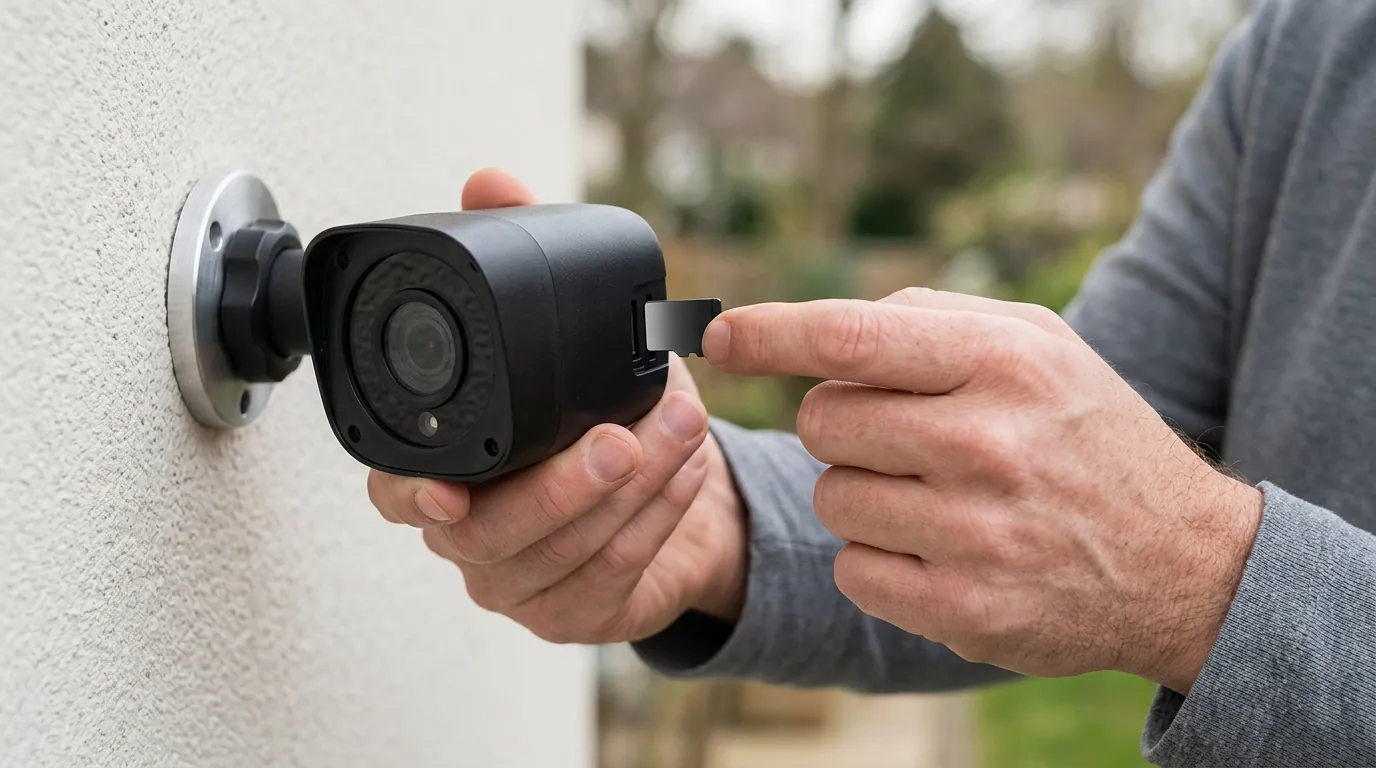
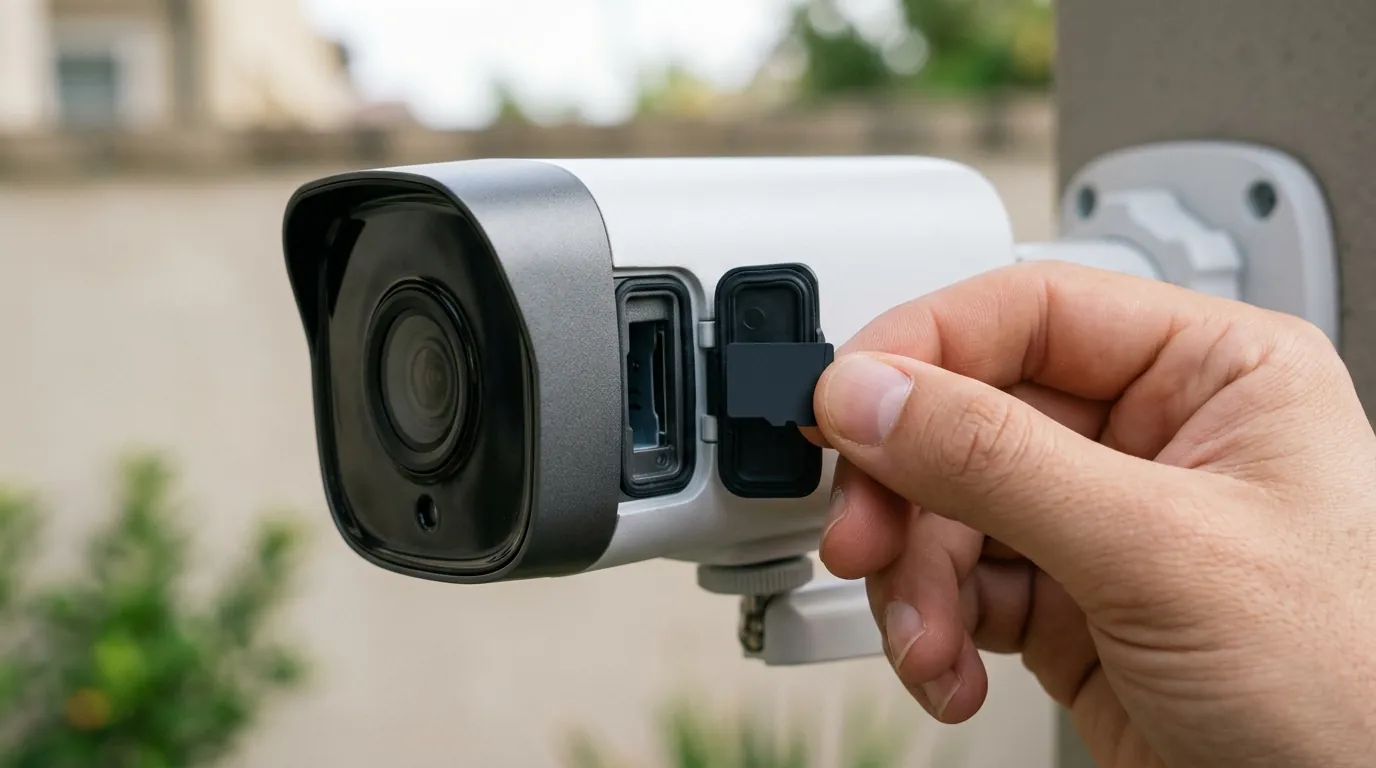
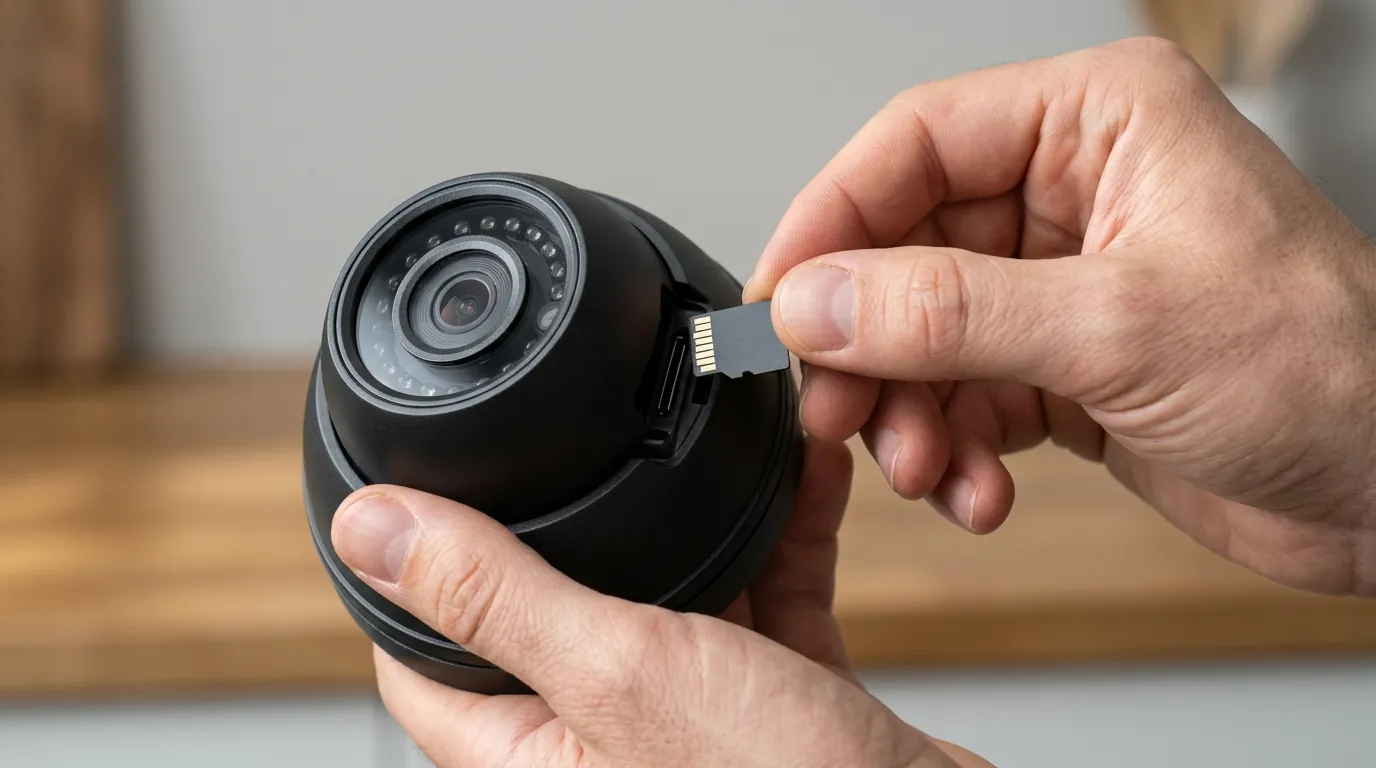
- Local Storage: Systems like the Reolink Home Security System or Eufy’s HomeBase 3 store footage on a physical hard drive or microSD card inside the home. This keeps the data off the internet, significantly reducing the risk of third-party access or cloud-based hacking.
- Cloud Storage: Brands like Ring and Arlo primarily upload clips to the cloud. While convenient for remote access, this means the manufacturer (and potentially law enforcement, depending on the brand’s policy) could technically access the footage.
Encryption Standards and End-to-End Protection
Encryption protects data during transmission. Most reputable brands use AES-256 bit encryption for “data at rest” (on the server) and TLS/SSL for “data in transit” (moving from camera to phone).
- End-to-End Encryption (E2EE): This is the gold standard for privacy. With E2EE enabled, only the user’s mobile device holds the “key” to decrypt the video. Even the camera manufacturer cannot view the clips. As of 2026, Ring offers E2EE on many of its wired and battery-powered Pro models, though it is often disabled by default.
Privacy Zones: A Key Software Feature
A “Privacy Zone” is a user-defined mask in the camera’s software that completely blacks out a specific area of the frame. Unlike “Motion Zones” (which just ignore movement), Privacy Zones prevent the camera from ever seeing or recording the masked area. This is critical for shielding a guest’s bedroom window or a neighbor’s hot tub from the camera’s view.
Manufacturer Data Policies
Data sharing policies vary widely by brand. For example, Arlo’s Privacy Pledge explicitly states they do not sell user data, whereas other brands may share anonymized metadata with affiliates.
Table 1: 2026 Outdoor Camera Privacy Comparison
| Brand | Default Storage | Encryption Type | Law Enforcement Policy |
|---|---|---|---|
| Eufy | Local (HomeBase) | AES-128/256 | Requires warrant/subpoena |
| Reolink | Local (microSD/NVR) | SSL/TLS, AES | Requires warrant |
| Arlo | Cloud (Sub required) | AES-128 + E2EE opt-in | Requires warrant |
| Ring | Cloud (Sub required) | AES-128 + E2EE opt-in | Warrant required (as of 2024 update) |
| Google Nest | Cloud (Sub required) | AES-128 | Requires warrant (except emergencies) |
Real-world implications
The presence of outdoor cameras carries legal, social, and security risks that go beyond simple property protection.
Legal Boundaries: Video and Audio Recording
In the United States, video recording in outdoor public-facing areas is generally legal. However, audio recording is governed by much stricter wiretapping laws.
- One-Party Consent: In most states, you can record audio if at least one person in the conversation consents (usually the homeowner).
- All-Party Consent: In these states, recording a conversation without the consent of everyone involved is a potential felony. If you are hosting guests in an all-party consent state, you must either disable audio recording or provide clear signage.
Table 2: Notable All-Party Consent States (Audio)
| State | Rule Type | Legal Reference |
|---|---|---|
| California | All-Party | Cal. Penal Code § 632 |
| Florida | All-Party | Fla. Stat. § 934.03 |
| Illinois | All-Party | 720 ILCS 5/14-2 |
| Massachusetts | All-Party | Mass. Gen. Laws ch. 272, § 99 |
| Pennsylvania | All-Party | 18 Pa. Cons. Stat. § 5703 |
| Washington | All-Party | Wash. Rev. Code § 9.73.030 |
Impact on Guest Comfort and Relationships
Visible cameras can create a “chilling effect” on social interactions. Guests may feel uncomfortable discussing personal matters, wearing swimwear, or acting naturally if they know they are being recorded. This is particularly sensitive for long-term summer guests or renters. Transparency—disclosing the location of cameras and the fact that they record audio—is the foundation of maintaining trust.
The Risk of Data Exposure
Any data stored in the cloud is at risk of a breach. In recent years, several major camera brands have faced scrutiny over vulnerabilities that allowed unauthorized access to live feeds. While 2026 standards have improved, local storage remains the most effective way to eliminate the risk of a centralized cloud hack exposing guest footage.
Decision Framework: Choosing the Right Setup
- If you are a Privacy-First Host: Prioritize Reolink or Eufy with local storage and no subscription. Disable audio recording in the app settings for all guest-facing cameras.
- If you are a Renter/Vacation Host: Use Arlo or Ring but enable End-to-End Encryption and provide a “Surveillance Disclosure” in your guest welcome book.
- If you have Neighbors in Close Proximity: Choose cameras with robust Privacy Zone features to mask their property entirely.
Total Cost of Ownership (TCO) Analysis
When choosing a camera for guest privacy, the sticker price is often misleading. Subscription-based models (Ring/Arlo) often “paywall” the very privacy features you need, such as advanced activity zones or longer storage durations.
3-Year TCO Breakdown (Estimated 2026 Figures)
- Local Storage Model (e.g., Reolink 4K System):
- Hardware: $400 - $600 (for 4 cameras + NVR)
- Subscription: $0
- Total: $400 - $600
- Cloud Storage Model (e.g., Ring Spotlight Cam Pro):
- Hardware: $200 per camera ($800 for 4)
- Subscription (Ring Protect Plus): ~$100/year
- Total: ~$1,100
Common misconceptions
“If it’s on my property, I can record anything.” This is a frequent legal misunderstanding. Property ownership does not override a guest’s right to privacy in “private” enclaves. For example, pointing a camera into a guest house window or a bathroom area, even if the camera is mounted on your main house, can lead to criminal “invasion of privacy” charges.
“Audio recording is the same as video recording.” Legally, they are worlds apart. Federal and state wiretapping laws are much more aggressive regarding audio. Most outdoor cameras have “Always On” audio by default; homeowners should manually check these settings.
“Disabling cloud storage means zero data leaves my home.” Not necessarily. Even local-storage cameras often send “heartbeat” pings to the manufacturer’s servers or transmit small thumbnail images to the cloud to provide push notifications to your phone. To achieve true “air-gapped” privacy, one must use a system that supports local-only LAN access without an internet requirement.
“Privacy zones make my camera completely private.” Privacy zones are a software mask, not a physical shutter. While the recorded footage will be blacked out, the camera hardware is still “seeing” the area to process the image. For absolute privacy in sensitive areas (like near a guest hot tub), a physical lens cover or a camera with a motorized privacy shutter is the only 100% guarantee.
Frequently Asked Questions
Do I have to tell my summer guests I have outdoor cameras?
While laws vary, it is ethically recommended and often legally required if you are recording audio in an all-party consent state. For short-term rentals (like Airbnb), disclosure of all outdoor cameras is a platform requirement.
Can I record audio on my patio during a party?
In all-party consent states (like California or Florida), recording a private conversation without the consent of all participants can be illegal. If the party is loud and in a public-facing area, the “expectation of privacy” is lower, but the safest practice is to disable audio recording for the duration of the event.
What is the best way to hide a camera from guests?
You should not hide cameras from guests. “Hidden” or “spy” cameras in residential settings significantly increase your legal liability and can lead to “invasion of privacy” lawsuits. Visible cameras act as a better deterrent for intruders and allow guests to be aware of their surroundings.
Does Eufy still send data to the cloud if I use local storage?
As of 2026, Eufy’s “Edge” ecosystem processes most AI features locally on the HomeBase 3. However, small encrypted thumbnails may still be sent to the cloud to facilitate mobile push notifications unless you disable “Thumbnail Notifications” in the app settings.
Further reading
- How to Choose a Local Storage Security Camera
- Understanding Security Camera Encryption: A Deep Dive
- The Best Outdoor Cameras with Privacy Zones
- Legal Guide to Home Security Cameras in Your State
Sources
- Arlo — https://www.arlo.com/en-us/about/privacy-pledge/
- Eufy
- Ring — https://support.ring.com/hc/en-us/articles/360054941511-End-to-End-Video-Encryption-Setup-Guide
- Reolink — https://reolink.com/privacy-policy/
- LegalShield
- Mozilla Foundation — https://foundation.mozilla.org/en/privacynotincluded/categories/smart-home/