
Fixing Google Nest Cam Battery Drain After June 2026 Update
Recent software updates are designed to make security cameras smarter, but for many Google Nest users, the June 2026 rollout has come at a significant cost to hardware endurance. If your camera is suddenly requiring a charge every few days rather than every few months, you are likely caught in a software-driven power cycle conflict.
The June 2026 Nest Cam battery drain is linked to Firmware [information unavailable] and the Google Home v4.2 update. To fix it, disable ‘Enhanced Previews’ and ‘Gemini Scene Understanding’ in the Home app to stop the camera from over-polling.
What it means
Related: Ring Doorbell Recording Neighbors? Understand Your Privacy Rights · Renter-Friendly Wireless Video Doorbells: No-Drill Security Options · Best Smart Home Security for Summer Travel: 2026 No-Subscription Guide
For owners of the Nest Cam (Battery) and Nest Doorbell (Battery), the June 2026 update has shifted the device’s behavior from a “sleep-first” mentality to an “always-ready” state. This transition has resulted in a dramatic reduction in operational uptime between charges.
Key Observations
- Rapid Depletion: Users have reported battery life dropping from a standard 3–4 months down to less than 7 days following the latest software deployment.
- Affected Models: The issue is concentrated on the Nest Cam (Battery) and the Nest Doorbell (Battery) running firmware [information unavailable].
- Phantom Drain: A common symptom is “Phantom Drain,” where the battery level drops 15–20% overnight despite the event log showing zero recorded activity.
Identifying your firmware version
To confirm if your device is running the problematic software, open the Google Home app, select your camera, tap the Settings (gear icon) > Device Information > Technical Specifications. Look for the “Software Version” field. If your version matches the June 2026 release [information unavailable], your hardware is likely being subjected to the high-frequency polling cycles discussed in this guide.
The ‘Cliff Effect’: Why gradual degradation isn’t the culprit
It is easy to assume that a battery dying after two or three years is simply reaching the end of its chemical life. However, lithium-ion degradation is typically linear and gradual. The “Cliff Effect”—where a device goes from months of battery life to days within a single 24-hour window—points exclusively to a software regression. In this case, the camera’s power management system is failing to transition the processor back to a low-power state after a Wi-Fi handshake or motion trigger.
| Metric | Firmware v1.9 (Baseline) | Firmware [information unavailable] |
|---|---|---|
| Idle Power Draw | ~5-10 mW | ~80-120 mW |
| Typical Battery Life | 3–6 Months | 4–9 Days |
| Wake-up Latency | 2.5 Seconds | < 1.0 Second |
| Wi-Fi Polling Freq. | Every 1000ms (DTIM 10) | Every 100ms (DTIM 1) |
Why it exists
The battery drain is not a single bug but rather a confluence of three major features introduced or refined in the June 2026 update. Each of these features prioritizes speed and intelligence over power conservation.
The Gemini 3.1 overhead
The integration of Gemini 3.1 “Scene Understanding” is the primary driver of the drain. Unlike traditional PIR (Passive Infrared) motion detection, which simply looks for heat signatures, Scene Understanding attempts to categorize the context of a movement (e.g., “a person carrying a package” vs. “a person walking a dog”). To do this, the camera must stay in a high-power state longer to capture and upload a high-quality buffer to the cloud for analysis. According to Google’s AI documentation, these advanced models require more frequent data transmissions to maintain accuracy.
Matter-over-Wi-Fi power tax
With the full implementation of Matter 2.0, Nest cameras are now required to maintain a more consistent “Keep-Alive” signal to stay synchronized with other smart home hubs (like Apple Home or Amazon Alexa). This cross-platform compatibility requires the Wi-Fi radio to stay active more frequently to respond to status requests from the Matter Controller.
- Gemini 3.1 Cloud Polling: High power draw during and after an event to process AI metadata.
- Standard Motion Detection: Low power draw; camera wakes, records, and immediately returns to sleep.
- Enhanced Live View: Forces a “pre-warmed” state where the camera maintains a low-latency connection to the Google Home v4.2 app for faster streaming.
How it works under the hood
To understand why the battery is failing, we have to look at the communication between the camera and your Wi-Fi router.
Radio frequency polling (DTIM)
The June update appears to have modified the Delivery Traffic Indication Message (DTIM) interval. In previous versions, the camera would “sleep” for longer intervals between checking the router for data. The current update has reportedly set this to a DTIM of 1, meaning the camera radio wakes up every 100 milliseconds to check for incoming traffic. This prevents the Wi-Fi chip from ever entering a true power-save mode.
The ‘Always-Ready’ state bug
A core component of the June update is a feature designed to reduce “latency to first frame.” When you open the Google Home app, the camera is already partially awake so the video loads instantly. However, a bug in the [information unavailable] kernel prevents the ARM processor from returning to its [information unavailable] state after you close the app. The camera remains in an “Active Idle” mode, consuming power as if it were streaming video even when the lens is inactive.
Zoomed-in Previews
The update introduced “Enhanced Previews,” which capture a high-resolution sub-stream for notifications. This allows the user to see a clear, zoomed-in image of a face or license plate in the push notification. Capturing this high-res sub-stream simultaneously with the main recording doubles the initial power draw during the first 5 seconds of any trigger.
Real-world implications
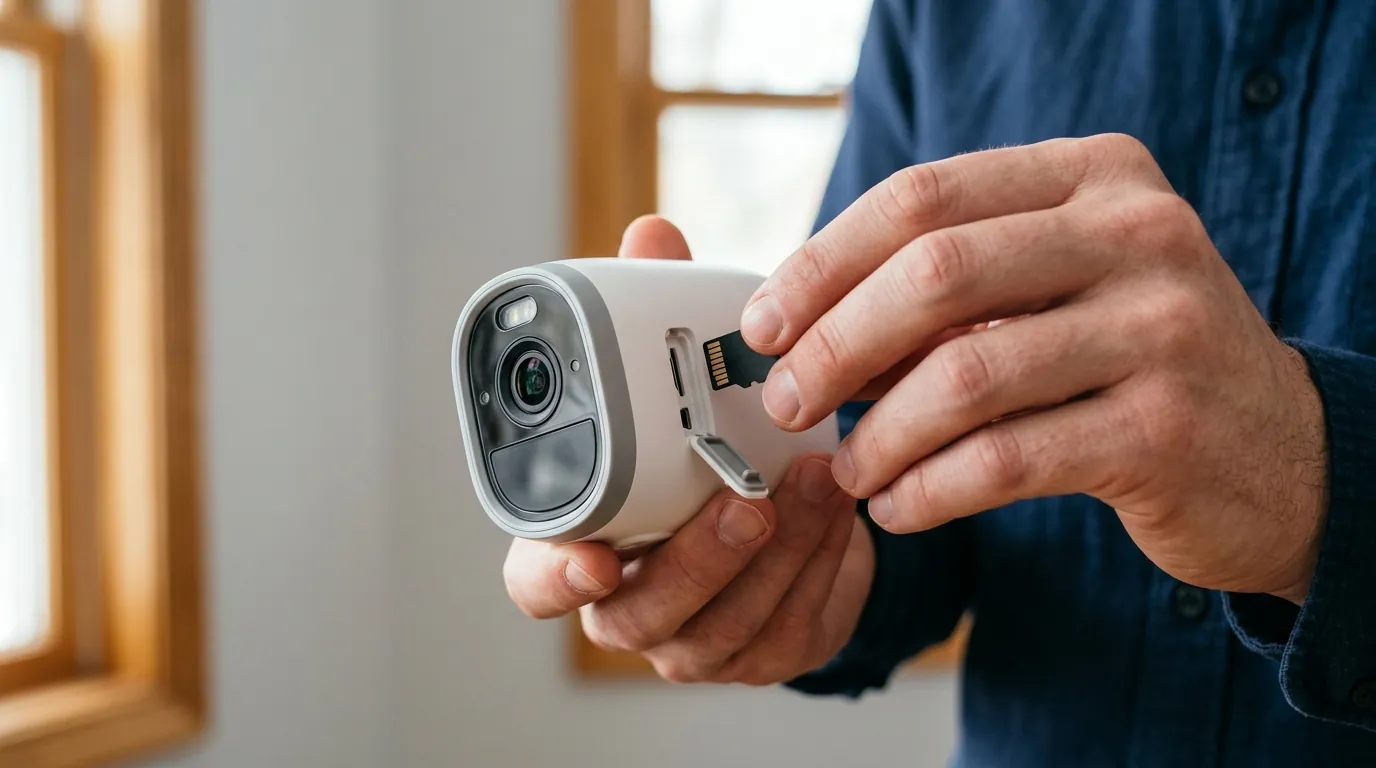
This isn’t just an inconvenience of frequent charging; it has long-term effects on your security posture and your wallet.
Impact on long-term hardware lifespan
Lithium-ion batteries are rated for a specific number of charge cycles (typically 300–500 cycles before significant capacity loss). By forcing the camera to be charged weekly instead of quarterly, the June update accelerates the chemical aging of the non-replaceable internal battery by a factor of 12. A camera that should have lasted five years may now see its battery fail permanently within 18 months.
The ‘Subscription Trap’: Why cloud-heavy features cost more than just the monthly fee
There is a hidden cost to the AI features provided by Nest Aware. Because these features (like Gemini Scene Understanding) require the camera to stay awake and transmit more data, they indirectly increase the “Total Cost of Ownership” (TCO) through electricity costs and, more significantly, the need for additional hardware like solar panels or permanent wiring.
Solar panel insufficiency
Many users rely on 2.5W solar accessories, such as those from Wasserstein, to keep their cameras topped off. Under normal conditions, these panels provide enough trickle charge to maintain 100%. However, the v2.1.4 discharge rate now exceeds the maximum output of a 2.5W panel in most climates. Even in direct sunlight, the camera may continue to lose 1–2% of its charge per day.
3-Year Total Cost of Ownership (TCO) Comparison
| Category | Nest Cam (Battery) | Competitor (Local AI/Storage) |
|---|---|---|
| Hardware Cost | $150-200 range | $150-200 range |
| Subscription (3 Yrs) | ~$240 (Nest Aware) | $0 |
| Accessories | ~$60 (Solar/Cables) | $0 (Included) |
| Battery Replacement | N/A (Requires new unit) | $0 (User-replaceable or high-cycle) |
| 3-Year Total | $450 - $500 | $150 - $200 |
Common misconceptions
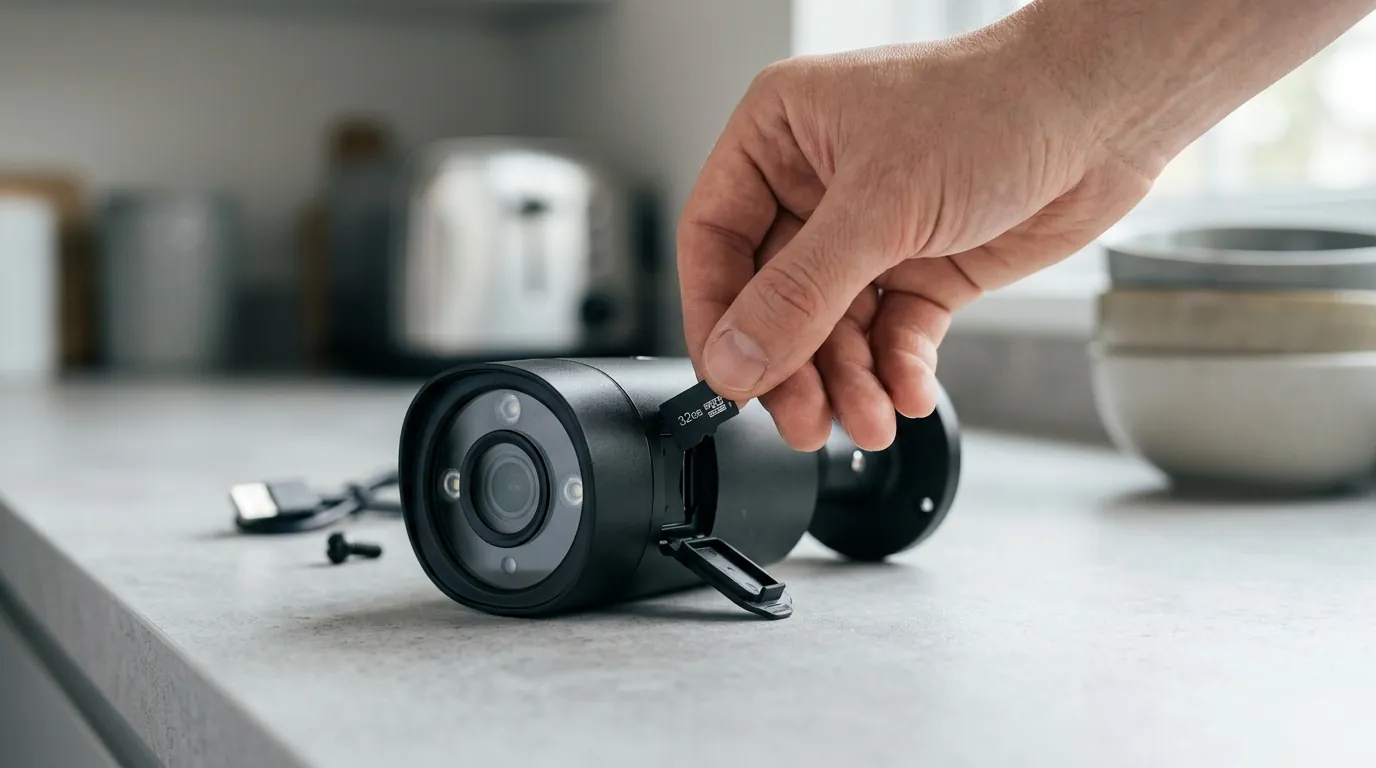
When troubleshooting battery issues, it is important to distinguish between software bugs and environmental factors.
Resolution vs. Wake-up Sensitivity
A common piece of advice in support forums is to lower the video resolution from 1080p to 720p. While this reduces the data transmitted, it does not address the root cause of the June 2026 drain. The power is being consumed by the radio’s “wake-up” frequency and the processor’s inability to sleep, not the bitrate of the video itself. You can record in the lowest possible quality, but if the camera wakes up 1,000 times a day to check for a Gemini Scene update, the battery will still die.
Why a Factory Reset rarely works for firmware bugs
Users often perform a factory reset hoping to “clean” the system. While this may temporarily clear a hung process, the camera will immediately re-download the [information unavailable] firmware during the setup process. Until Google issues a server-side rollback or a new firmware patch, a factory reset is a temporary fix that often results in more battery drain due to the high-power demands of the initial setup and calibration.
Misconception: “My battery is just old.”
If your camera was working perfectly on June 1st and began failing by June 10th, it is not a hardware failure. Hardware degradation is slow. Software-induced drain is instantaneous.
Further reading
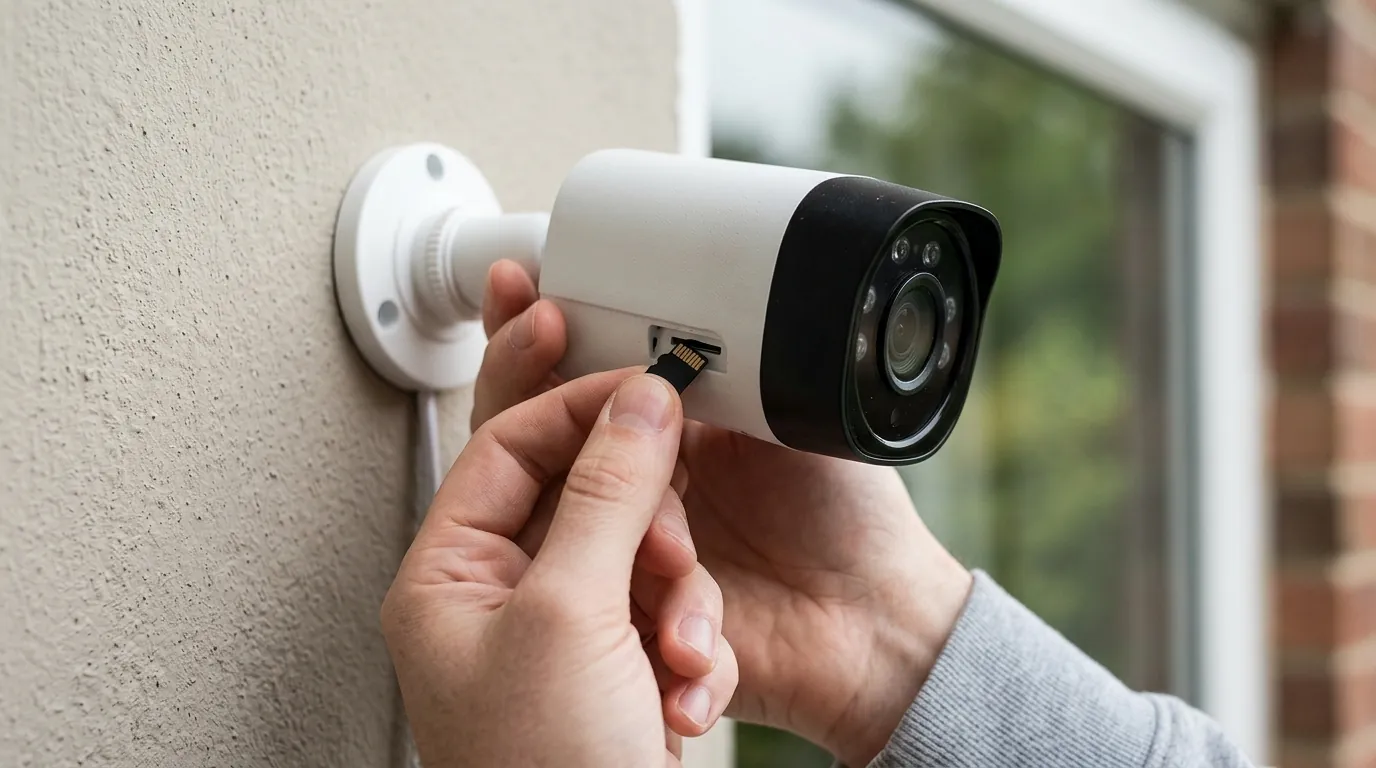
For users tired of the “firmware lottery,” there is a growing movement toward cameras that handle AI processing locally rather than in the cloud. Brands like Reolink and Eufy utilize “Edge AI,” where the person and vehicle detection happen on the camera’s internal chip. This reduces the need for constant Wi-Fi polling and cloud handshakes.
Local vs. Cloud AI Power Draw
| Feature | Google Nest (Cloud AI) | Reolink/Eufy (Local AI) |
|---|---|---|
| AI Processing | Cloud-based (requires upload) | On-device (no upload needed) |
| Internet Required | Yes, for any detection | No, for basic detection |
| Wake-time | 5-10 seconds per event | 1-2 seconds per event |
| Data Privacy | Subject to Google Privacy Policy | Localized to SD card/HomeBase |
Decision Framework: Should you stay with Nest?
- If you are a renter: Stick with the Nest Cam but disable Gemini features. You likely cannot drill for permanent power, so maximizing battery is your only priority.
- If you are a homeowner: Consider hardwiring your Nest Cam using the official Weatherproof Cable. This bypasses the battery issue entirely and enables 24/7 recording if you have a Nest Aware Plus subscription.
- If you want “Set and Forget”: It may be time to look at subscription-free security cameras. Cameras with local storage and local AI processing generally offer more predictable battery life because they aren’t dependent on frequent cloud “check-ins.”
Frequently Asked Questions
Can I roll back my Nest Cam firmware to a previous version?
No. Google does not provide a mechanism for users to manually downgrade firmware. Updates are pushed automatically over-the-air (OTA). If your camera is experiencing drain, your only options are to adjust settings within the Home app or wait for a subsequent patch from Google.
Will turning off ‘Familiar Face’ detection save battery?
Yes, significantly. Familiar Face detection requires the camera to capture high-quality facial data and compare it against a cloud database. Disabling this feature reduces the duration the camera stays in its “high-performance” state after a person is detected.
Does the cold weather affect the June 2026 drain issue?
While cold weather naturally reduces lithium-ion efficiency, the June update drain is independent of temperature. However, if you are in a cold climate, the software bug will be magnified, as the battery already has less “headroom” to handle the increased power draw.
Is the Nest Cam (Battery) still waterproof while charging?
Only if you use the official Google Weatherproof Cable. Standard USB-C cables do not create a seal at the charging port, and using them outdoors during rain can short-circuit the camera and void your warranty.
Sources
- Google Nest Help: Change Nest Cam battery settings
- RTINGS: Google Nest Cam (Battery) Review and Power Testing
- CSA-IoT: Matter 2.0 Specification and Device Requirements
- Wasserstein Home: Solar Panel Specifications for Nest Cam
- Google Safety Center: Nest Privacy and Data Collection