
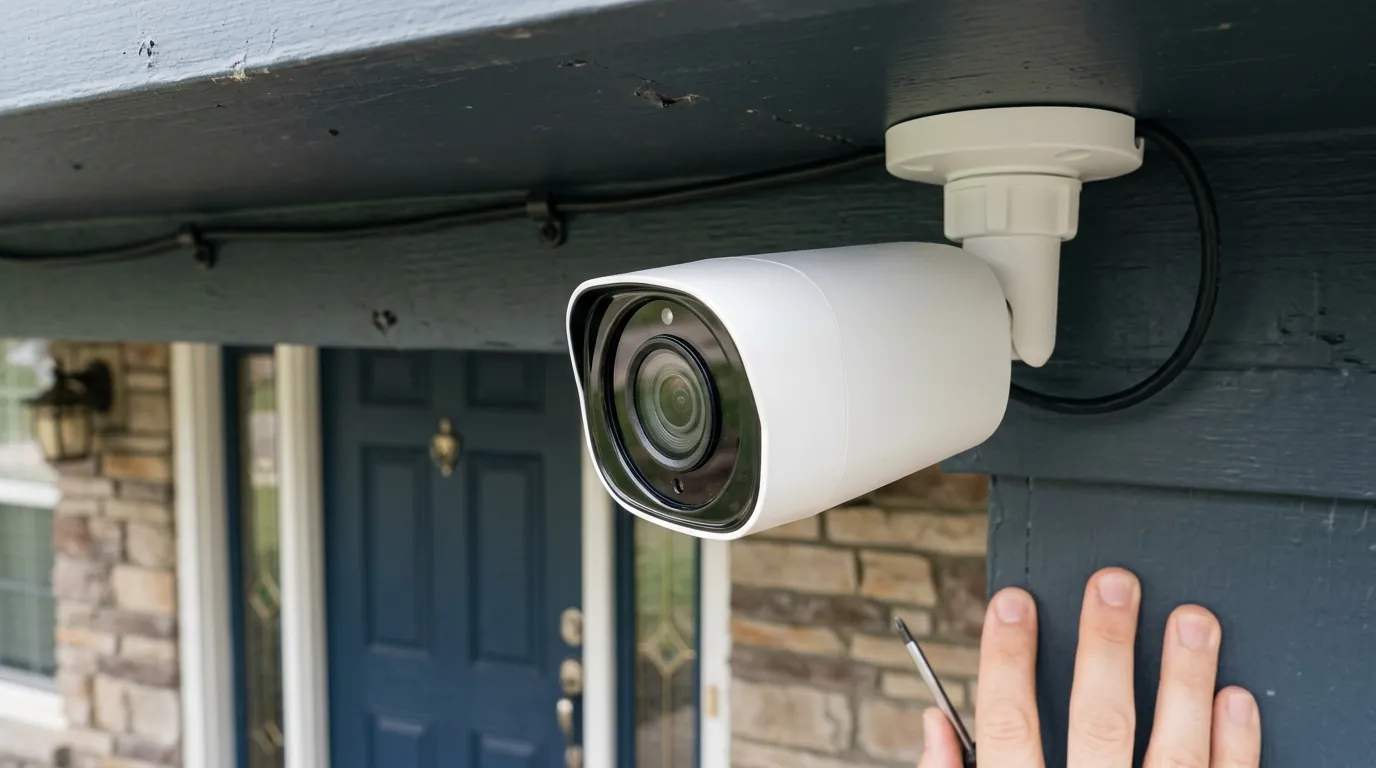
Eufy vs. Ring: The 2026 Honest Security Camera Comparison
Choosing between Eufy and Ring in 2026 is no longer just about picking a camera; it is a choice between two competing philosophies of digital ownership and data privacy.
Quick Answer: Eufy is the winner for local storage and zero monthly fees via HomeBase 3. Ring offers better professional monitoring and Alexa integration but requires a $5-$20/mo subscription for basic video recording.
What it means
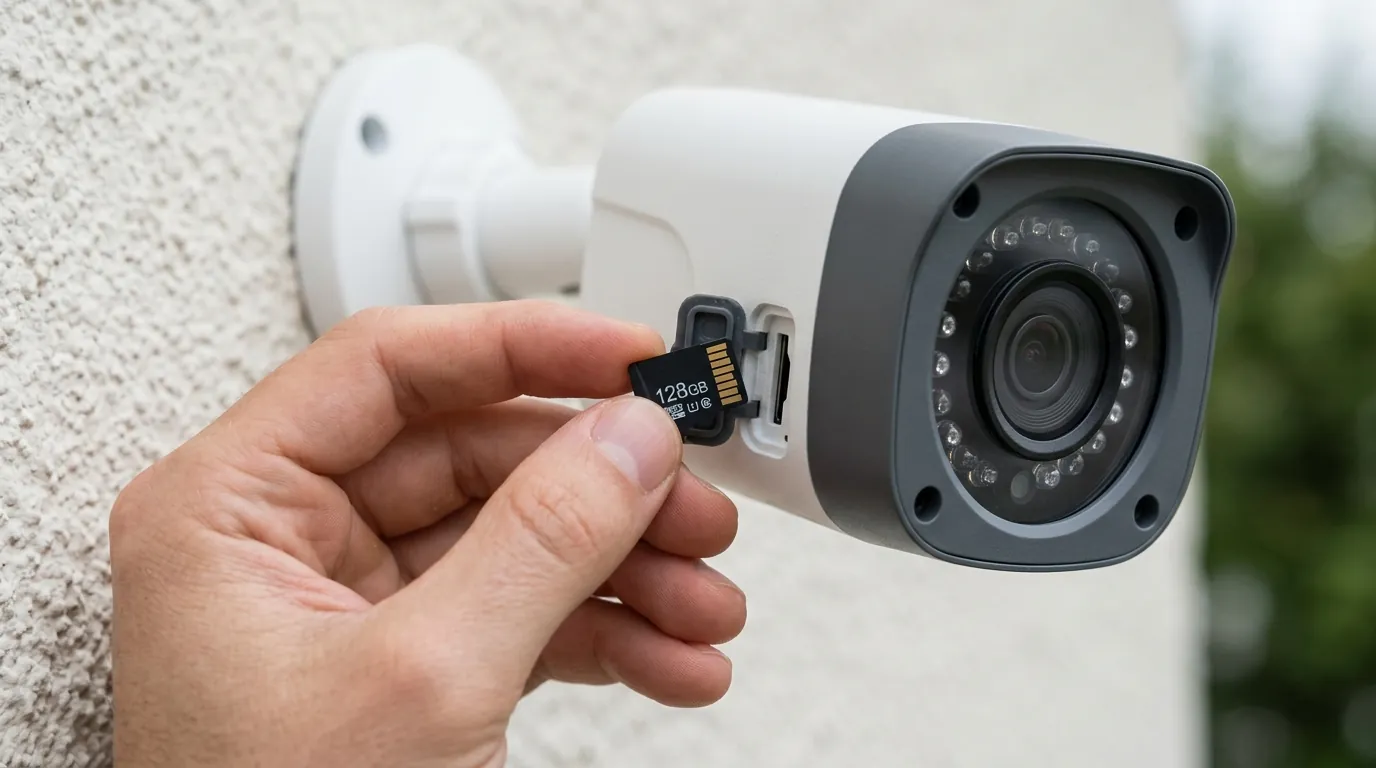
The choice between Eufy and Ring represents the fundamental split in the consumer security market: Eufy’s “Local-First” philosophy versus Ring’s “Cloud-First” ecosystem. In 2026, this distinction has become more pronounced as cloud costs rise and local processing power becomes more affordable.
Eufy, owned by Anker Innovations, designs its systems to function as a private network within your home. Most of its flagship cameras are designed to pair with the HomeBase 3 (S380), a central hub that handles AI processing and video storage locally. This approach treats security footage as a private asset that stays on your property.
Ring, owned by Amazon, operates as a service-based ecosystem. While you can buy a Ring camera for a relatively low upfront price, the hardware is essentially a gateway to the Ring Protect subscription service. Without a monthly fee, a Ring camera in 2026 remains limited to live-viewing and basic notifications, with no saved history of events.
The “Subscription Tax” and Total Cost of Ownership (TCO)
The “Subscription Tax” is the recurring cost required to make a camera functionally useful. For Ring, this is mandatory for video recording. For Eufy, it is entirely optional. When evaluating these brands, the sticker price at the big-box store is often misleading.
3-Year Total Cost of Ownership (Estimated 2026 Pricing Bands)
| Cost Component | Ring (Single Camera + Protect Basic) | Eufy (Single Camera + HomeBase 3) |
|---|---|---|
| Hardware Price | $100–$180 | $250–$350 (Includes Hub) |
| Monthly Fee | $5/mo (approx. $60/yr) | $0 |
| 3-Year Sub Total | $180 | $0 |
| Storage Expansion | None (Cloud Only) | $50–$100 (Optional HDD/SSD) |
| Estimated 3-Year TCO | $280–$360 | $300–$450 |
While Eufy appears more expensive initially due to the cost of the HomeBase 3, the “break-even” point typically occurs around the 24-to-30-month mark. For users installing four or more cameras, Eufy’s TCO drops significantly compared to Ring’s “Protect Plus” or “Pro” tiers, which can cost between $10 and $20 per month.
The Local-First Philosophy (Eufy)
Eufy’s strategy relies on decentralized data. By moving the “brains” of the operation into the HomeBase 3, Eufy cameras do not need to send raw video to the cloud for analysis. According to Eufy’s official security page, this reduces latency and keeps sensitive biometric data, such as facial recognition profiles, stored on-device behind AES-128 and RSA encryption.
The Cloud-First Philosophy (Ring)
Ring leverages the massive scale of Amazon Web Services (AWS). This allows for a “set it and forget it” user experience. You don’t have to worry about hard drive failures or managing storage space; Amazon handles the backend. However, this convenience comes at the cost of a perpetual “rental” model for your own security footage.
Why it exists
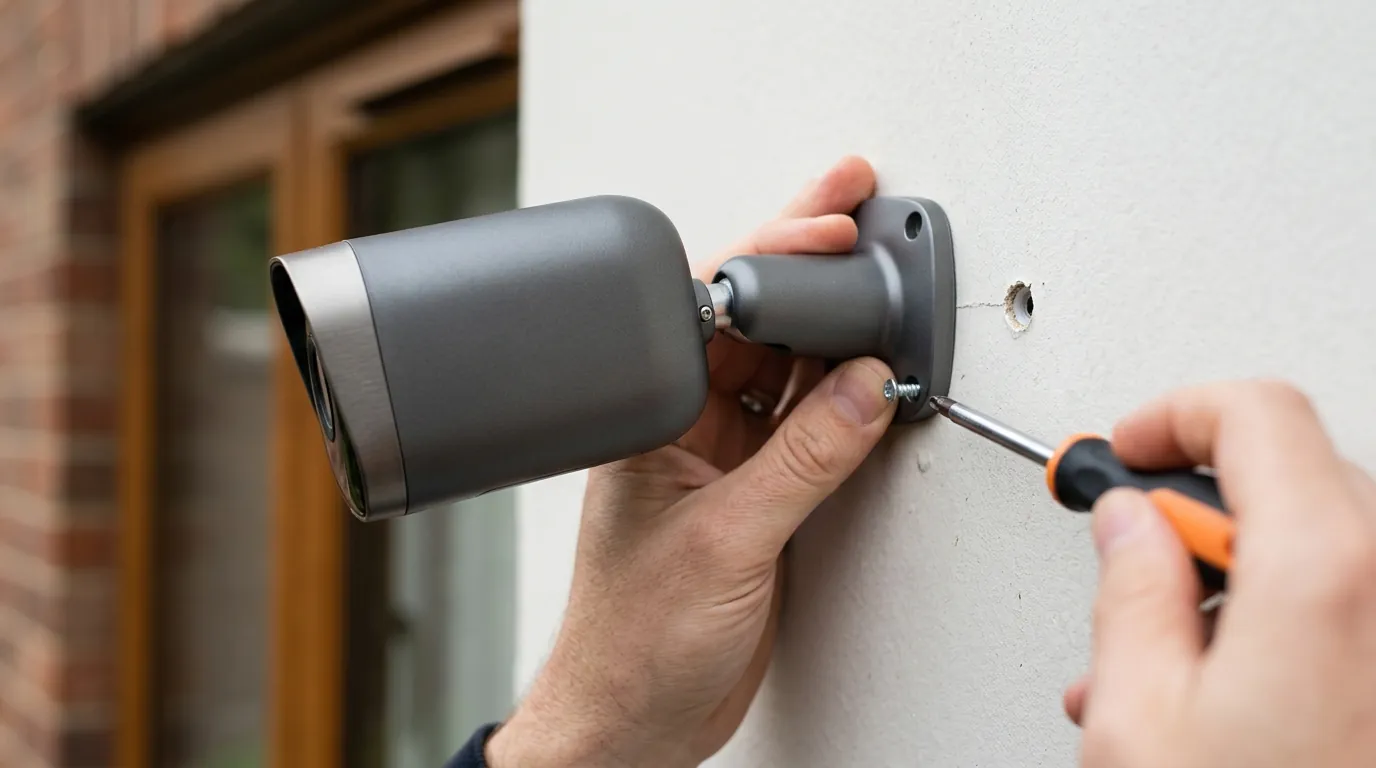
The rivalry between these two brands exists because of a massive shift in consumer priorities. One segment of the market prioritizes “Smart Home Convenience” (Ring), while another prioritizes “Privacy and Long-term Value” (Eufy).
The Amazon Factor
Ring exists to reinforce the Amazon ecosystem. With deep integration into Alexa-enabled devices like the Echo Show and Fire TV, Ring provides a seamless experience for users who are already “all-in” on Amazon. Furthermore, the Ring Neighbors app has created a social-media-style layer to home security, allowing users to share clips with nearby residents, though this has sparked significant debate regarding community surveillance.
The “No-Fee” Rebellion
Eufy gained market share by targeting “subscription fatigue.” As streaming services and software-as-a-service (SaaS) prices climbed between 2022 and 2026, many homeowners began looking for ways to trim recurring bills. Eufy’s marketing focuses heavily on the “No Monthly Fees” promise, which has resonated with tech-savvy buyers and those wary of Amazon’s data-collection practices.
Timeline of Ring Subscription Changes
The cost of using a Ring camera has risen steadily. In 2022, the Basic plan was approximately $3/month. By 2024, it rose to $4.99/month. In 2026, following industry trends in cloud storage maintenance, these plans have stabilized at the higher end of the spectrum, making the “no-fee” alternative more attractive than ever before.
How it works under the hood
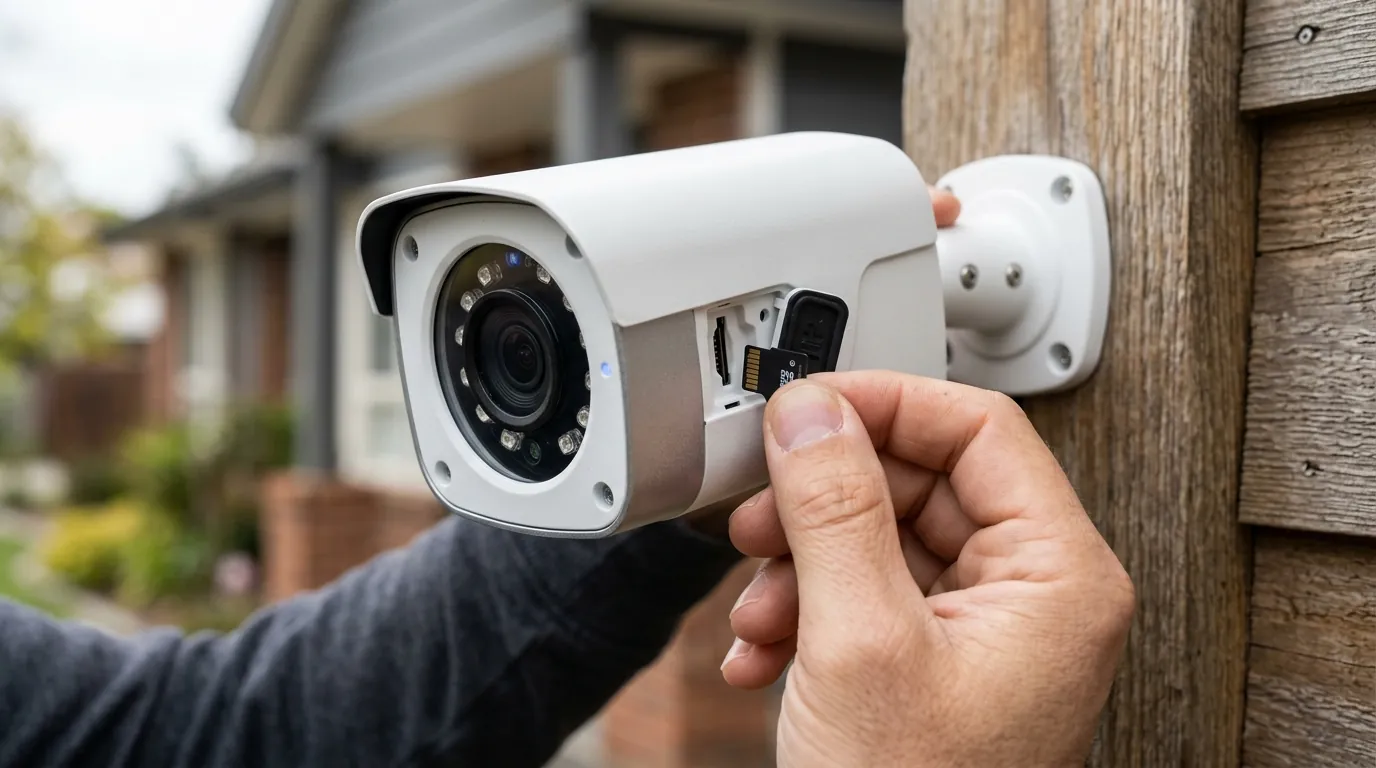
The technical differences between Eufy and Ring are most apparent in how they process video and where they store it.
Eufy BionicMind vs. Ring Smart Alerts
Eufy’s BionicMind AI, housed in the HomeBase 3, uses a self-learning algorithm to identify faces, bodies, and pets. According to Eufy’s technical specifications, the system claims 99.7% accuracy in person recognition. Because this happens on your local network, the notification speed is often faster than cloud-based systems, as the data doesn’t have to travel to a server and back to your phone.
Ring uses AWS-based Cloud AI. When a Ring camera detects motion, it uploads the clip to Amazon’s servers, where the AI determines if the motion was a person, a package, or a stray cat. While highly accurate, this process is dependent on your internet upload speed.
AI Detection Capabilities (2026 Comparison)
| Feature | Eufy (with HomeBase 3) | Ring (with Protect Sub) |
|---|---|---|
| Person Detection | Yes (Local) | Yes (Cloud) |
| Facial Recognition | Yes (Familiar Faces) | No |
| Package Detection | Yes | Yes |
| Vehicle Detection | Yes | Yes |
| Pet Detection | Yes | Yes |
| Processing Location | On-Device / HomeBase | Cloud (AWS) |
HomeBase 3 vs. Ring Edge Local Storage
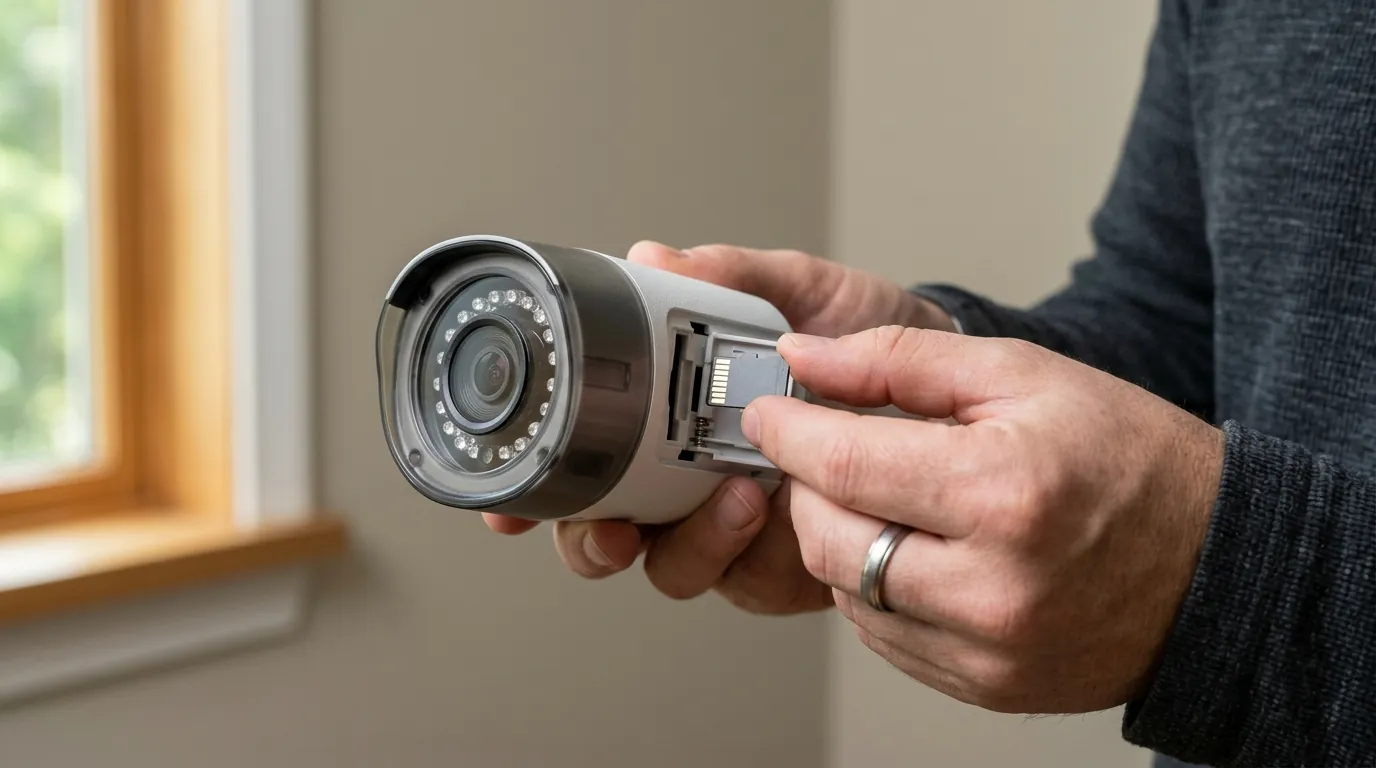
For years, Ring was cloud-only. In response to privacy demands, they introduced Ring Edge, which allows for local processing and storage if you own a Ring Alarm Pro base station. However, there is a catch: even if you store video locally on a microSD card via Ring Edge, you still must pay for a Ring Protect subscription to access the features.
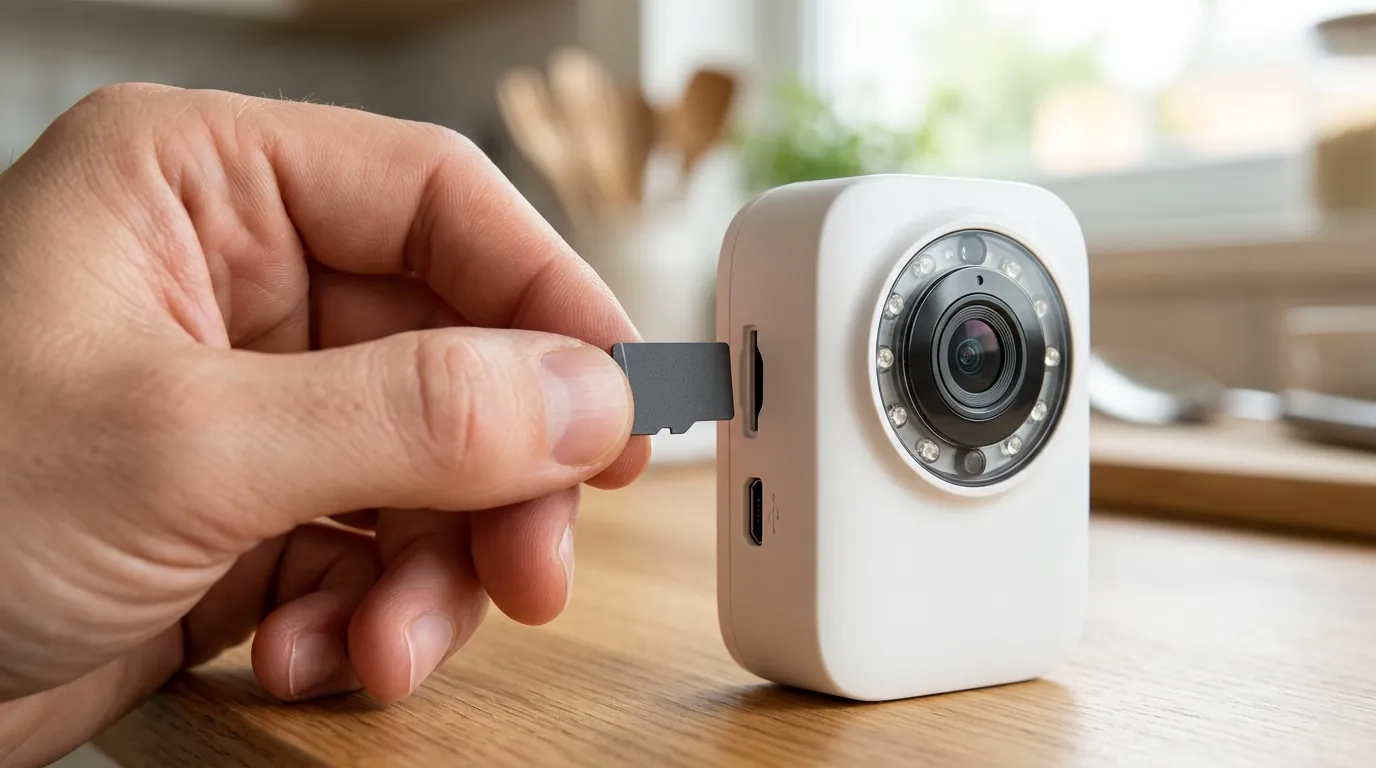
Eufy’s HomeBase 3 is more flexible. It features 16GB of built-in storage but is expandable via a 2.5-inch SATA drive slot (HDD or SSD) up to 16TB. This allows for months, or even years, of continuous 24/7 recording without a single recurring fee—a feat Ring currently does not match for consumer-grade cameras.
Connectivity: Sub-1GHz and Wi-Fi
Ring cameras rely heavily on standard 2.4GHz or 5GHz Wi-Fi and Amazon Sidewalk, a low-bandwidth network that shares a small portion of your internet bandwidth with neighbors to keep devices connected even if they are far from the router.
Eufy uses a proprietary Sub-1GHz wireless protocol to communicate between the cameras and the HomeBase. This lower frequency penetrates walls more effectively than standard Wi-Fi, often resulting in better range for outdoor cameras placed far from the house.
Real-world implications
The differences in architecture lead to very different experiences when things go wrong.
Internet Outages and Reliability
If your internet goes down, a standard Ring camera becomes a “brick” that cannot record or save footage. While the Ring Alarm Pro with a subscription offers cellular backup, the cameras themselves are tethered to the cloud.
Eufy cameras continue to function during an internet outage. Because they record directly to the HomeBase 3, they will continue to capture and store events locally. You won’t receive a notification on your phone until the internet returns, but the evidence of the event is preserved on your hard drive.
Privacy and Law Enforcement Access
Privacy remains the most contentious issue in the Eufy vs. Ring debate.
Ring has historically had a close relationship with law enforcement through its “Request for Assistance” (RFA) program. However, in early 2024, Ring announced it would no longer allow police to request footage directly through the Neighbors app. Police must now use formal legal processes (warrants or subpoenas) to access user data, except in extreme emergencies.
Eufy faced a privacy crisis in late 2022 when researchers discovered that some “local” data was being sent to the cloud unencrypted. In response, Eufy overhauled its privacy disclosures and added clear toggles in the app to show exactly when the cloud is being used (e.g., for “rich notifications”). In 2026, Eufy’s policy remains “Warrant Only,” and because the data is stored locally, the physical HomeBase would generally need to be seized for access unless the user has opted into cloud backups.
Privacy Comparison Matrix
| Feature | Eufy | Ring |
|---|---|---|
| End-to-End Encryption (E2EE) | Yes (Optional) | Yes (Most models) |
| Police Access Policy | Warrant Only | Warrant Only (as of 2024) |
| Third-Party Data Sharing | Minimal (Marketing only) | Shared with Amazon Ecosystem |
| Web Portal Access | Encrypted (v2.0+) | Encrypted |
The App Experience
The Ring app is widely considered the “gold standard” for stability and ease of use. It is polished, fast, and integrates perfectly with the Ring Alarm system.
The Eufy Security app is more feature-rich but can feel “cluttered.” Because Eufy offers a wider variety of hardware (dual-lens cameras, solar-integrated cams, etc.), the settings menus are more complex. Users on r/EufyCam often report occasional bugs with notification delays, though the 2026 firmware updates have significantly improved stability.
Common misconceptions
Myth: “Eufy has no cloud.”
Fact: Eufy offers an optional cloud storage service for those who want off-site backups in case the HomeBase itself is stolen. It costs roughly the same as Ring’s basic plan, but it is not required for the camera to function.
Myth: “Ring is always spying on you.”
Fact: Ring has implemented robust End-to-End Encryption (E2EE) for most of its modern plug-in and battery devices. When E2EE is enabled, not even Amazon can view your footage. However, enabling E2EE disables some features, like the ability to view clips on an Echo Show.
Myth: “Local storage is less secure.”
Fact: While local storage is immune to cloud-side server hacks, it is vulnerable to physical theft. If a burglar steals your HomeBase 3, they steal your footage. This is why Eufy recommends hiding the HomeBase in a secure, non-obvious location, whereas Ring’s cloud storage is immune to physical tampering at the scene.
Decision Framework: Which should you choose?
To simplify the choice, prioritize your needs based on the following scenarios:
- The Renter: Choose Ring. The hardware is often cheaper, and you won’t need to set up a HomeBase. The “Protect Basic” plan is a manageable monthly cost for a single doorbell.
- The Privacy-Centric Homeowner: Choose Eufy. The ability to keep all footage on a 16TB hard drive in your closet is the gold standard for data sovereignty.
- The “Smart Home” Enthusiast: Choose Ring. If your house is filled with Echo Dots and Fire TVs, the “Doorbell Press” announcements and automatic video feeds on your TV are unmatched.
- The Multi-Camera Property: Choose Eufy. Once you have 4+ cameras, the Ring “Protect Plus” plan (around $100/year) becomes a permanent tax. Eufy’s upfront cost for a HomeBase 3 pays for itself in about two years.
- The Professional Security Seekers: Choose Ring. If you want 24/7 professional monitoring for your home alarm that integrates with your cameras, Ring’s “Protect Pro” tier is a comprehensive, UL-certified solution.
Further reading
For those looking to expand their systems beyond a simple doorbell, understanding the compatibility of older hardware with newer hubs is essential.
- HomeBase 3 Compatibility: Not all legacy Eufy cameras support the full suite of BionicMind AI features. Check Eufy’s compatibility list before buying older EufyCam 2C units.
- Ring Edge Setup: If you are committed to Ring but want local storage, you must purchase the Ring Alarm Pro. Be aware that this replaces your existing router with an Eero Wi-Fi 6 system, which may complicate existing network setups.
- The 4K Alternatives: If neither Eufy nor Ring satisfies your requirements, brands like Reolink and Lorex offer Power-over-Ethernet (PoE) systems that provide even higher reliability and 4K resolution without any cloud dependencies.
Quvii tracks these trade-offs across the category to ensure you don’t get locked into an ecosystem that doesn’t fit your long-term budget. Whether you choose the convenience of Ring or the autonomy of Eufy, the best camera is the one that you can afford to keep running for the next five years.
Sources
- Eufy Security: Privacy Policy and Data Encryption
- Ring: A Message from Jamie Siminoff on Police Requests
- FCC ID Search: Anker/Eufy HomeBase 3 (2AOKB-S380)
- RTINGS: Ring Video Doorbell Pro 2 Review & Testing
- The Verge: Eufy’s response to its security camera flaws
- Ring: Ring Protect Plan Pricing and Tiers 2024-2026