
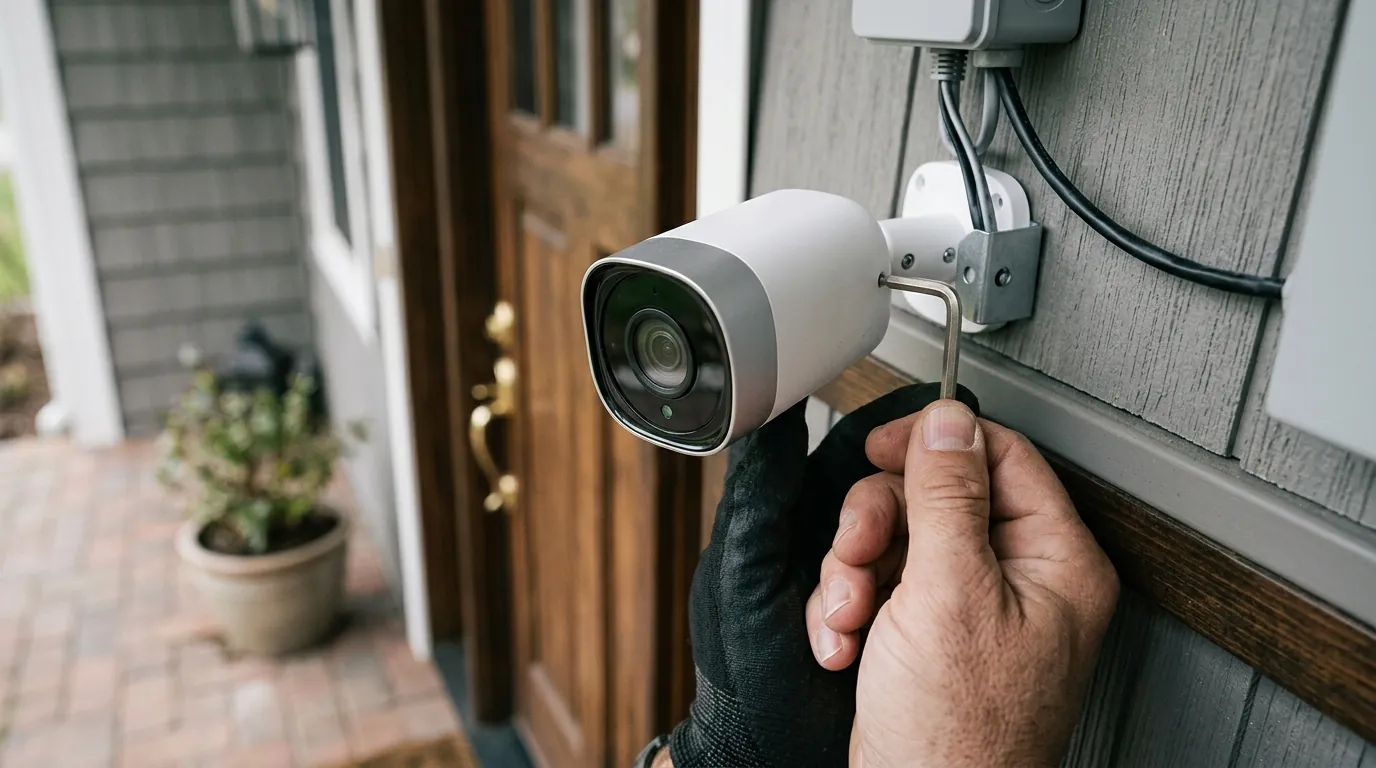
eufy SoloCam vs. Ring Solar: The 2026 No-Subscription Guide
Choosing between a solar-powered camera that stores video locally and one that relies on the cloud involves more than just comparing hardware; it is a choice between a one-time investment and a perpetual service fee.
The shift toward “forever power” in home security has moved from a niche convenience to a baseline expectation. In 2026, the two dominant architectures for achieving this—eufy’s integrated solar approach and Ring’s modular ecosystem—have diverged significantly in their underlying technology and long-term costs. While both brands promise to end “ladder fatigue” (the need to manually recharge batteries), they handle your data and your wallet very differently.
Quick Answer: The eufy SoloCam (specifically the S340) is the superior choice for users prioritizing high-resolution video and zero monthly fees, offering 3K dual-lens imaging and local AI processing. Ring Solar (Spotlight Cam Pro) remains the better choice for those already deep in the Alexa ecosystem who value radar-based motion precision, provided they are willing to pay approximately $50/year per camera for video history.
What it means
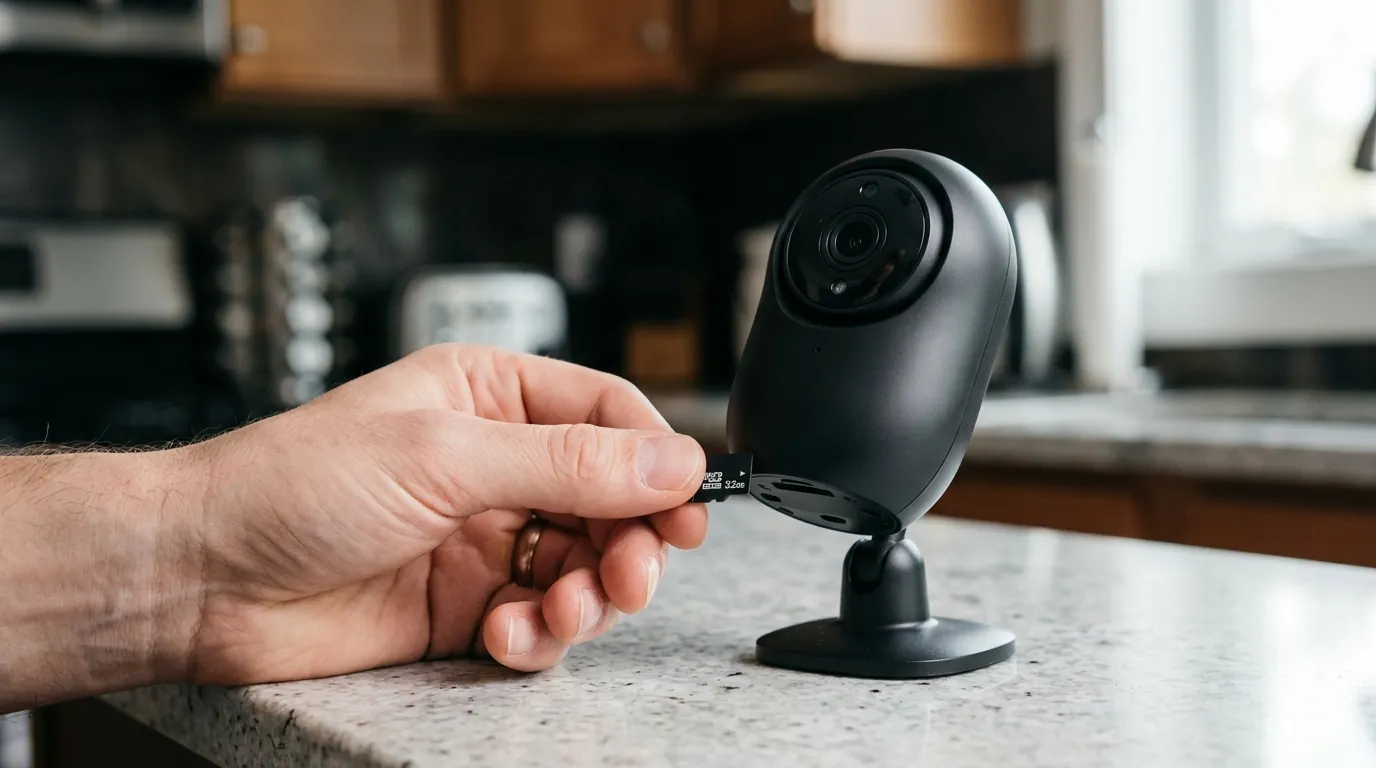
The “Solar” category in 2026 is split into two distinct design philosophies: integrated and modular. eufy has doubled down on the integrated approach, where the solar panel is built directly into the camera housing. Ring continues to favor a modular approach, where a standard battery camera is bundled with a separate, adjustable solar panel connected via a USB-C cable.
The Integrated vs. Modular Debate
The integrated design of the eufy SoloCam S340 simplifies installation. There is only one bracket to mount, and no exposed wires to weather or for intruders to snip. However, this design requires the camera itself to be mounted in a location that receives at least 2 hours of direct sunlight.
Ring’s modular system, seen in the Ring Spotlight Cam Pro Solar, allows for more flexibility. You can mount the camera in a shaded porch area while running the solar panel cable to a sunny spot on the roofline. In 2026, Ring panels have become smaller and more efficient, but the “two-device” footprint remains more visually intrusive than eufy’s all-in-one chassis.
Defining the 2026 Flagship Models
To compare these fairly, we look at the current top-tier solar offerings from both brands.
| Feature | eufy SoloCam S340 | Ring Spotlight Cam Pro Solar |
|---|---|---|
| Resolution | 3K (2880 x 1620) Dual-Lens | 1080p HDR |
| Field of View | 360° Pan/Tilt (135° Vertical) | 140° Horizontal / 80° Vertical |
| Motion Tech | AI-based Image Analysis | 3D Motion Detection (Radar) |
| Storage Type | 8GB Local (Expandable via HomeBase 3) | Cloud-Only (AWS) |
| 2026 Sub. Cost | $0 (Optional Cloud Available) | Around $50/year (Ring Protect Solo) |
| Night Vision | Color (Spotlight) & IR | Color (Spotlight) & IR |
[Information sourced from eufy.com and ring.com spec sheets, June 2026]
(After H2-1: A side-by-side real-world installation: A eufy SoloCam S340 mounted on a wooden fence and a Ring Spotlight Cam Pro with a separate solar panel mounted on a brick wall, both in a typical US suburban backyard. Aspect Ratio 16:9)
Why it exists
The explosion of solar-powered security cameras is a direct response to “ladder fatigue.” Early DIY cameras required recharging every 3 to 6 months, a task that many homeowners eventually abandoned, leaving their property unprotected.
The End of the Charging Cable
By 2026, solar harvesting technology has reached a point where even a 2.2W panel—standard on the eufy S220 SoloCam—can maintain a full charge under moderate use (roughly 15–20 events per day) with just a few hours of sunlight. This has allowed manufacturers to increase the power draw of the cameras, enabling features like dual-lens zooming and high-output LED spotlights that were previously too taxing for battery-only units.
The Hidden Cost of ‘Free’ Cloud Features
The second driver for this category is the “Subscription Rebellion.” As cloud storage costs have risen, with Ring Protect Solo now reaching the $50/year mark per camera, buyers are increasingly looking for hardware that doesn’t come with a “rent” requirement.
5-Year Total Cost of Ownership (TCO) Comparison
- eufy SoloCam S340:
- Hardware: Around $200
- Subscription (60 months): $0
- Total: Around $200
- Ring Spotlight Cam Pro Solar:
- Hardware: Around $230
- Subscription (60 months @ $4.99/mo): Around $300
- Total: Around $530
This $330 gap represents the “subscription tax.” Without the subscription, the Ring camera is functionally crippled; it will provide motion alerts, but you cannot view recorded footage of the event that triggered the alert. eufy provides the same AI-filtered alerts and full video history with no ongoing cost.
How it works under the hood
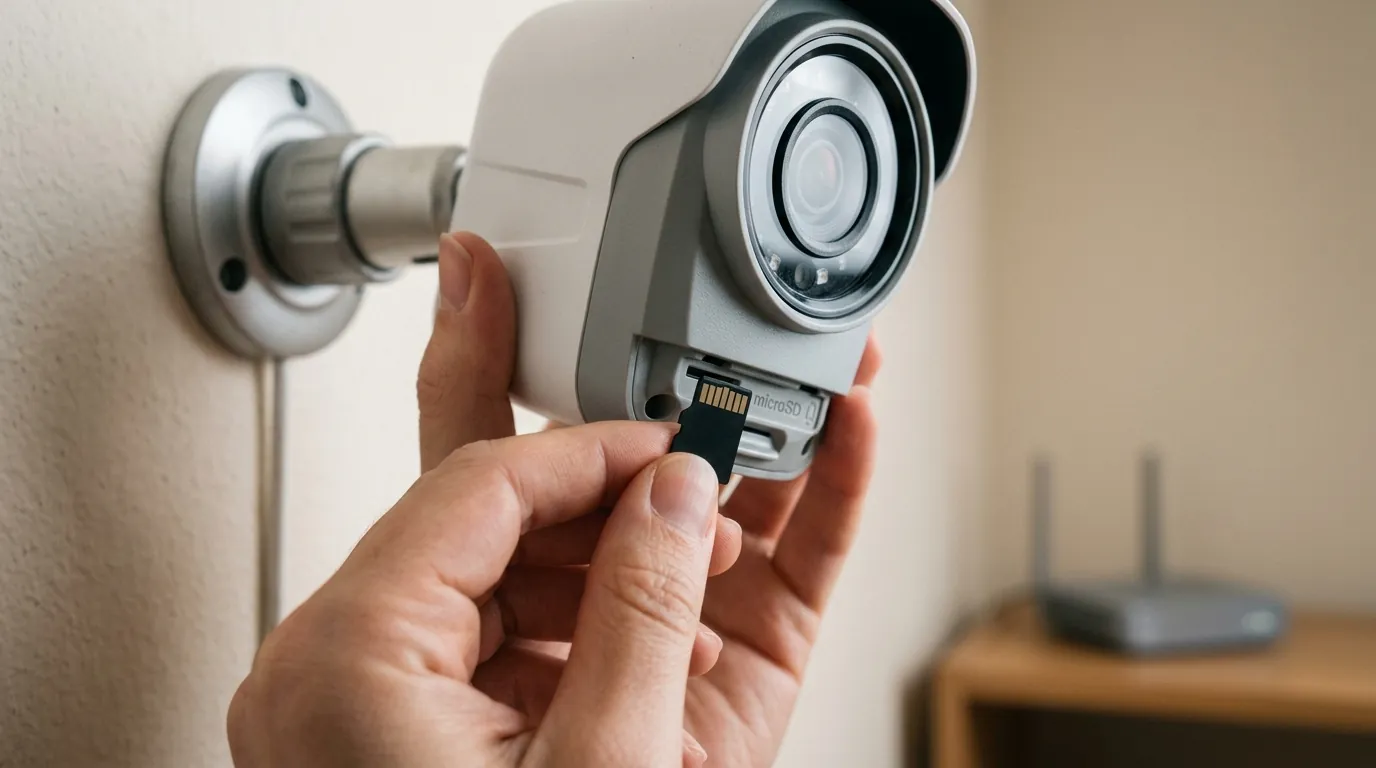
The technical divide between these two brands lies in where the “thinking” happens. eufy processes data on the device (Edge AI), while Ring relies on a round-trip to Amazon Web Services (AWS) servers.
Radar vs. PIR: The Motion Detection War
Ring’s “3D Motion Detection” uses 60GHz radar technology to measure the exact distance of an object from the camera. This allows users to set a “threshold” (e.g., only alert if someone comes within 15 feet). This is significantly more accurate than the Passive Infrared (PIR) sensors used in older cameras, which often trigger for swaying trees or passing cars.
eufy, conversely, uses its BionicMind AI. Instead of radar, it uses an on-device Neural Processing Unit (NPU) to analyze the video feed in real-time. It looks for human shapes, faces, and vehicles. While it lacks Ring’s “Bird’s Eye View” (a top-down map of a person’s path), eufy’s facial recognition allows it to distinguish between a family member and a stranger, a feature Ring currently gates behind its subscription.
BionicMind: AI Without the Cloud
The eufy HomeBase 3 (S380) serves as the “brain” for the SoloCam line if you choose to expand. It centralizes the AI processing and provides expandable storage (up to 16TB). Because the processing is local, the latency between a person stepping onto your porch and your phone vibrating is often lower than cloud-based systems. According to independent testing by RTINGS, local processing can shave 1–2 seconds off notification times compared to cloud-reliant models.
(After H2-3: A technical overlay showing a radar wave (Ring) vs. a localized AI facial recognition box (eufy) on a person walking up a driveway at dusk. Aspect Ratio 4:3)
Real-world implications
Hardware specs often fail to account for the realities of geography and privacy. In 2026, these factors are more critical than resolution.
The ‘Subscription Tax’ in Daily Use
If you choose the Ring Solar without a subscription, you lose:
- Video History: You can only see “Live View.” If you miss the notification, you miss the event.
- Person Detection: You will receive alerts for every cat, car, and shadow.
- Rich Notifications: You won’t see a thumbnail image on your lock screen.
eufy provides all these features out of the box. However, the trade-off is the “Bricked” experience. If your internet goes down, eufy SoloCams can still record to their internal 8GB eMMC storage. Ring cameras, being cloud-dependent, generally cannot record or save footage during a Wi-Fi or ISP outage.
Privacy: Who Can See Your Footage?
Privacy policies have become a primary differentiator in 2026.
- Ring (Amazon): Following significant public pressure, Ring ended its “Request for Assistance” (RFA) program in 2024, which previously allowed police to request footage directly through the Neighbors app. However, Ring still complies with legal warrants and “emergency requests” where there is an imminent threat of death or serious injury, as detailed in their Law Enforcement Guidelines.
- eufy (Anker): eufy’s marketing emphasizes “Local Storage, Local Privacy.” Because the footage is encrypted and stored on your hardware (either the camera or HomeBase 3), eufy technically cannot hand over your footage to law enforcement because they do not possess the decryption keys. This “zero-knowledge” architecture is a major draw for privacy-conscious buyers.
Common misconceptions
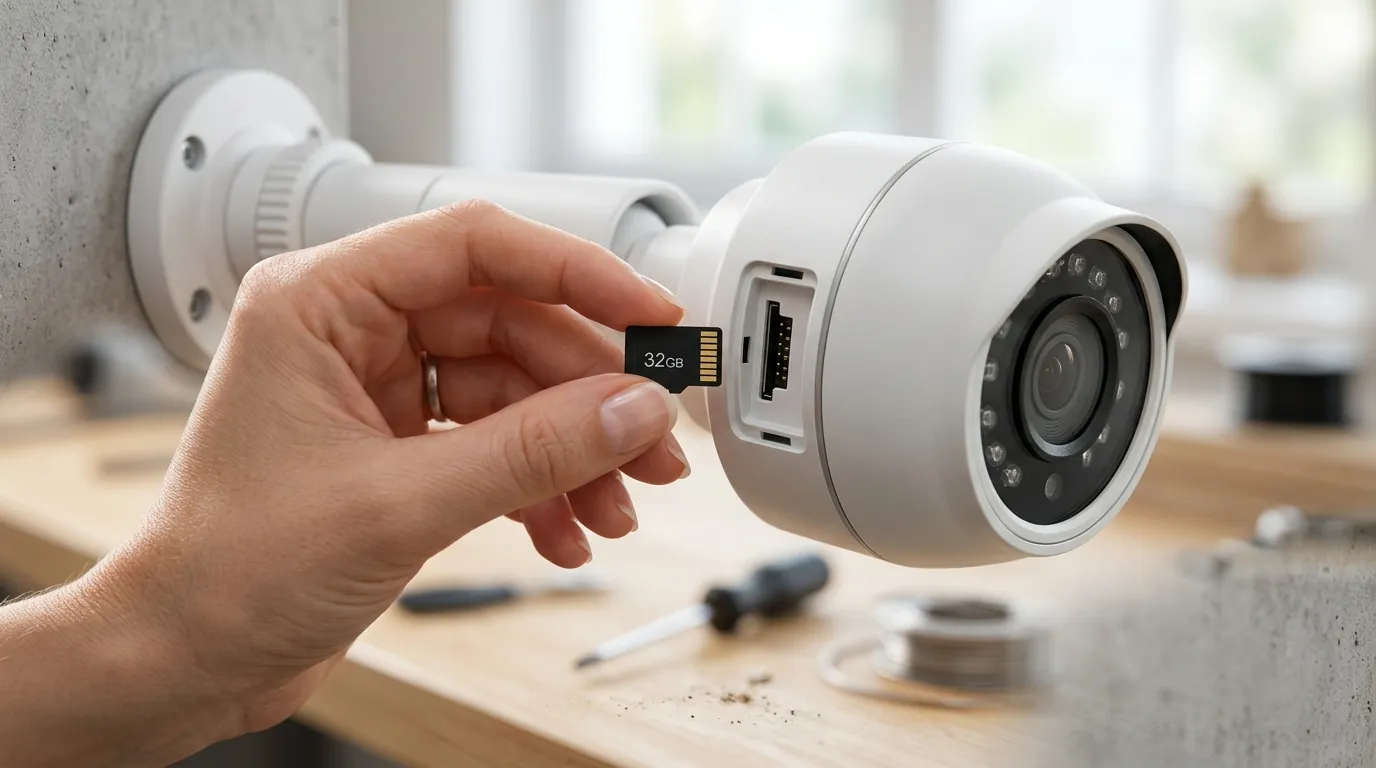
As solar cameras have gone mainstream, several myths persist regarding their reliability and privacy.
The Myth of Maintenance-Free Security
The most common misconception is that “Solar means infinite power.” In reality, a solar camera is still a battery camera that is being “trickle-charged.”
- The 2.2W Reality: A typical 2.2W integrated panel can support roughly 200–300 seconds of recording per day if it receives 2-3 hours of direct sun.
- Vampire Drain: If you mount a solar camera facing a busy sidewalk where it triggers 100 times a day, the battery will drain faster than the sun can replenish it.
Is Local Storage Truly ‘Off-Grid’?
Users often assume local storage is 100% private. In 2023, eufy faced a controversy where thumbnails of local events were being uploaded to the cloud to facilitate mobile notifications. In 2026, eufy has clarified this in their Privacy Policy, allowing users to choose between “Basic” (text-only) notifications that stay off the cloud and “Full Effect” (thumbnail) notifications that use a temporary cloud relay.
Decision Framework: Which should you choose?
- Prioritize eufy SoloCam if: You want the highest resolution (3K), you refuse to pay monthly fees, and you want your data kept off third-party servers.
- Prioritize Ring Solar if: You already own an Echo Show or Ring Alarm, you need the flexibility of a separate solar panel for a shaded mounting spot, and you value radar-based motion accuracy over raw resolution.
- Renter/Temporary Housing: eufy SoloCam is easier to move (one piece, no separate panel) and requires no recurring contract.
- High-Traffic Business Use: Both may struggle. For a storefront with 500+ triggers a day, a hardwired PoE (Power over Ethernet) camera is still recommended over solar.
Further reading
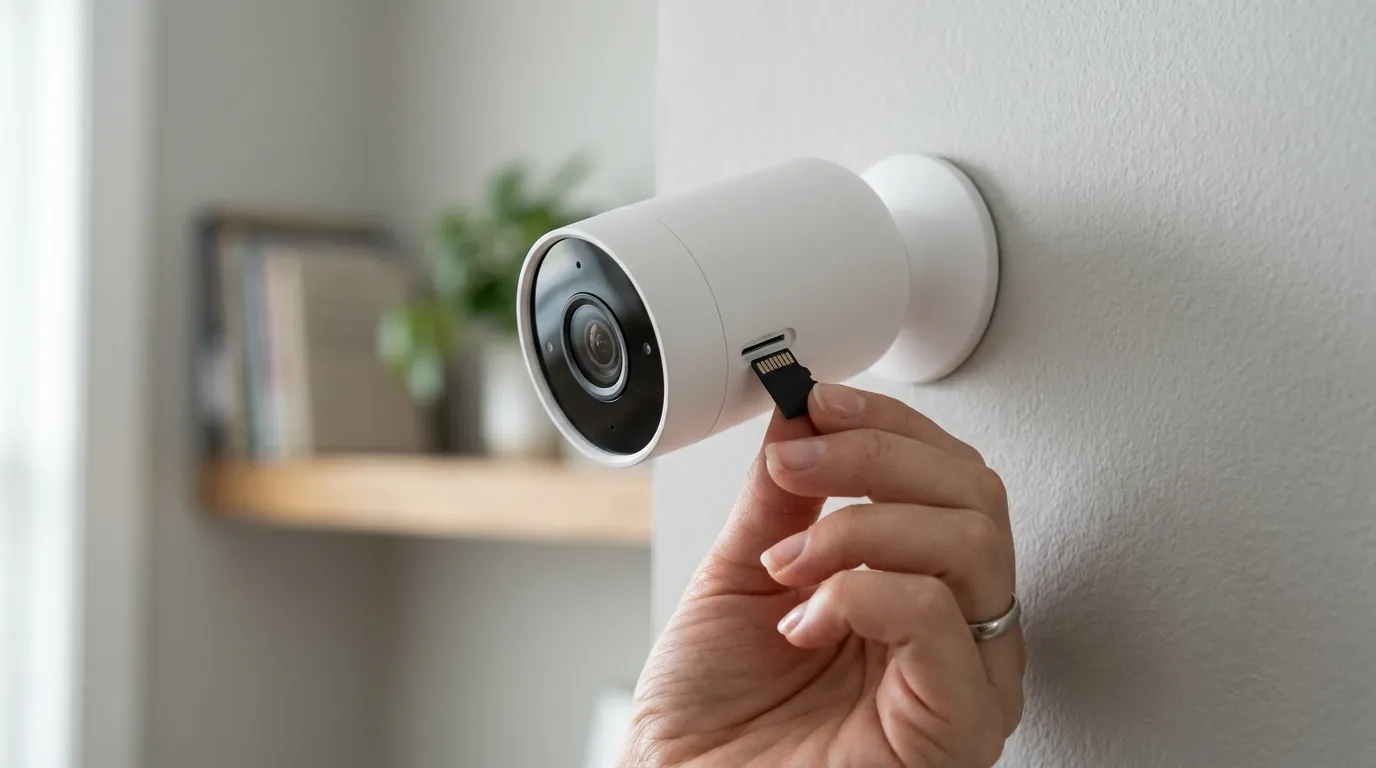
Understanding the nuances of storage and placement is key to a successful DIY security setup.
Related Quvii Intelligence
- Local Storage vs. Cloud: A deep dive into the security implications of eMMC vs. AWS.
- HomeBase 3 Review: How eufy’s central hub improves AI accuracy across the SoloCam line.
- Radar Security Cameras: Why 60GHz sensors are the new standard for reducing false alerts.
External Technical Resources
- eufy Support: Solar Panel Positioning Guide — Detailed lux requirements for North American latitudes.
- Ring Help: 3D Motion Detection Explained — Technical breakdown of radar distance-sensing.
- FCC ID Search — Verify the radio frequency and power output of specific camera models.
Quvii tracks these trade-offs across the category to ensure your security investment remains functional long after the warranty expires.
Sources
- eufy SoloCam S340 Product Page — https://www.eufy.com/products/t81701w1
- Ring Spotlight Cam Pro Solar Specifications — https://ring.com/products/spotlight-cam-pro-solar
- Ring Law Enforcement Guidelines
- eufy Privacy Policy — https://www.eufy.com/privacy-policy
- RTINGS: Best Outdoor Security Cameras 2024/2025
- Ring Protect Subscription Tiers — https://ring.com/protect-plans