
Eufy Security Camera Privacy Policy Update 2026: What You Need to Know
For many homeowners and small business operators, the decision to install a security camera is a trade-off between the desire for safety and the risk of digital intrusion. Eufy’s 2026 privacy policy update aims to address this tension by formalizing its “Local-First” architecture while clarifying exactly where the cloud still touches your data.
Quick Answer: As of its January 30, 2026, update, Eufy’s privacy policy emphasizes local storage and on-device processing for features like facial recognition, with data encrypted both in transit and at rest. While Eufy champions a local-first approach to minimize cloud reliance, users should be aware of optional cloud storage, the brief cloud hosting of push notification thumbnails, and the mandatory Eufy account for device setup and management.
What it means
Related: Blink Camera Offline? June 2026 Troubleshooting Guide · Google Nest Camera Firmware Update Failed: Solutions & Causes · Reolink Camera Connection Failure: 2026 Troubleshooting Guide
The updated privacy policy, effective January 30, 2026, represents a significant refinement of Eufy’s stance on data sovereignty. The core of this update is a reinforced commitment to keeping video footage and sensitive metadata within the physical confines of the user’s property. Unlike competitors that default to cloud-based analysis, Eufy’s 2026 framework prioritizes the HomeBase ecosystem as the primary “brain” of the security network.
Key pillars of the 2026 policy include:
- Local-First Data Residency: All video footage recorded by HomeBase-compatible cameras is stored on local drives, reducing the exposure of private life to third-party servers.
- Edge-Based Biometrics: Biometric data, specifically facial recognition signatures generated by Eufy’s BionicMind AI, are processed and stored exclusively on the local device. The policy explicitly states that these mathematical representations of faces are not uploaded to the cloud for training or identification purposes.
- Hardened Encryption Standards: The policy codifies the use of AES-256 for data at rest (on the device) and a combination of TLS 1.3 and ECDH key exchange for data in transit. This ensures that even if a data stream is intercepted, it remains unreadable without the unique user keys.
- Granular Privacy Controls: New provisions highlight “Privacy Zones” and “Motion Detection Zones” as privacy-preserving features that allow users to black out areas of a camera’s field of view (like a neighbor’s window) before the data is ever recorded.
Why it exists
This policy update did not emerge in a vacuum. It is a strategic response to three primary drivers: consumer demand, competitive differentiation, and regulatory accountability.
First, there is a growing segment of “subscription-weary” consumers. Many users are increasingly skeptical of the “Security-as-a-Service” model popularized by brands like Ring and Nest, where core features are locked behind monthly fees and data is routinely stored in the cloud. Eufy uses this policy to position itself as the primary alternative for those seeking professional-grade security without the “cloud tax.”
Second, the update serves as a final corrective measure following the high-profile security controversies of 2022 and 2023. During that period, independent researchers discovered that unencrypted thumbnails and unauthenticated streams were accessible via web portals. These lapses led to a 2025 settlement with the New York Attorney General, which mandated stricter transparency and independent security audits. The 2026 policy is the manifestation of those mandated improvements, aiming to rebuild trust through verifiable technical safeguards.
Finally, Eufy is pursuing global compliance with evolving data protection laws. By achieving ISO27001 and ISO27701 certifications, as noted in their official privacy portal, Eufy aligns its operations with the highest international standards for information security and privacy management.
How it works under the hood
To understand the 2026 policy, one must look at the hardware and software protocols that enforce it. Privacy in the Eufy ecosystem is not just a legal promise; it is an architectural choice.
Local Storage Mechanisms
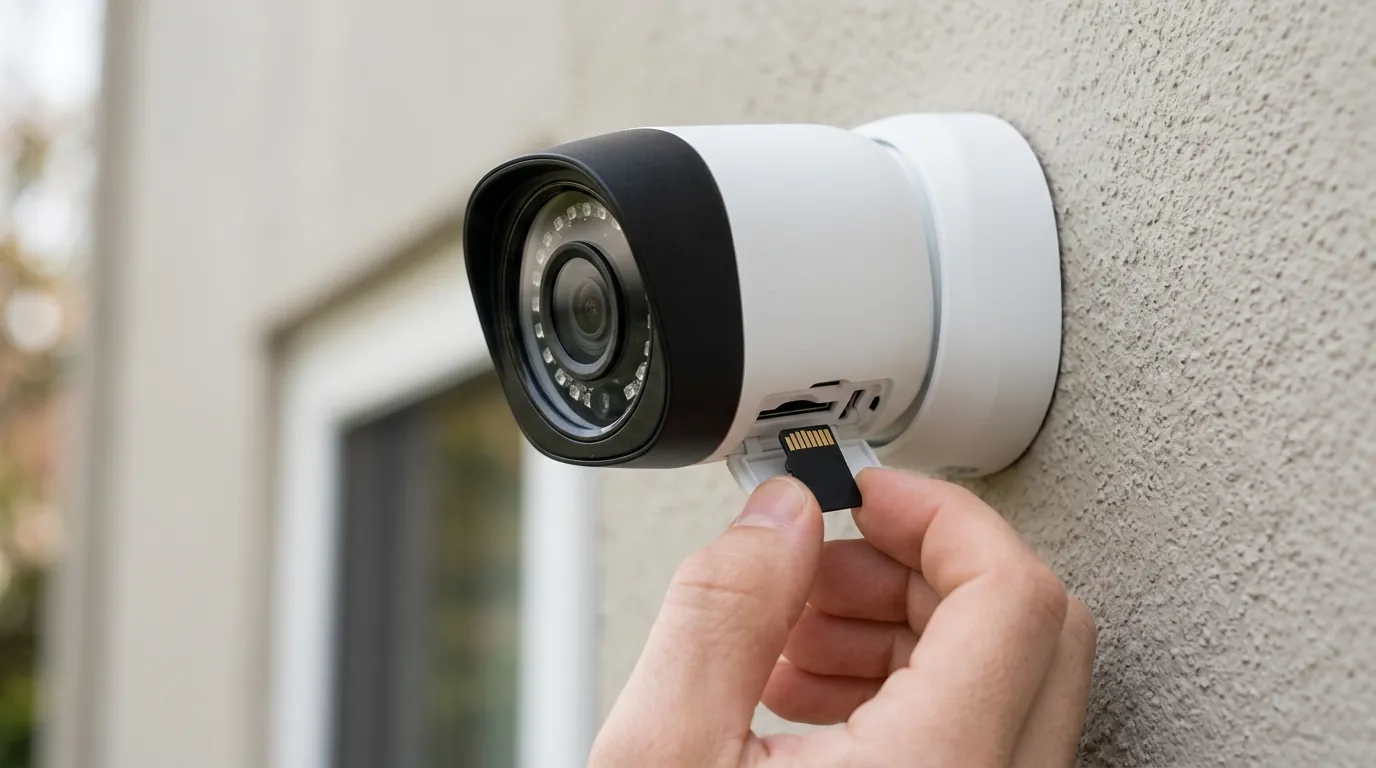
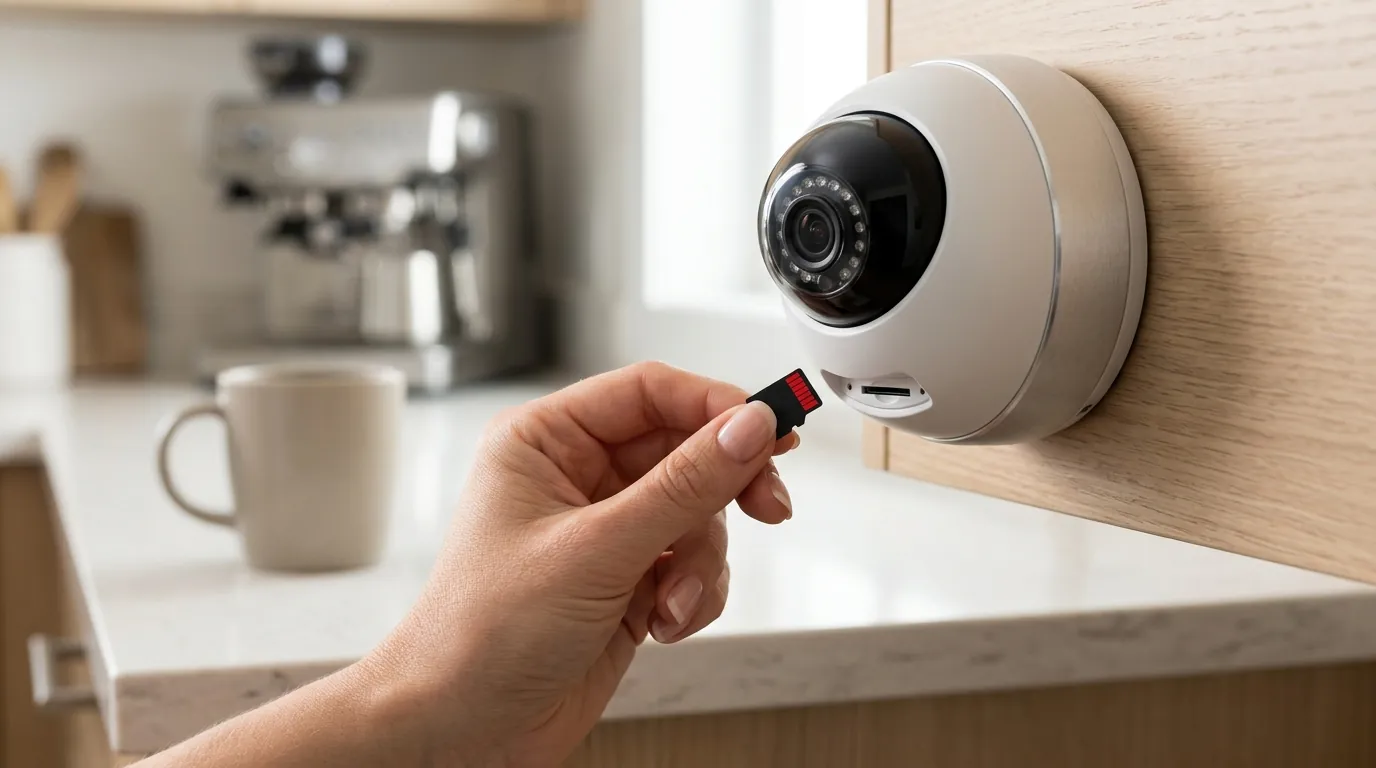
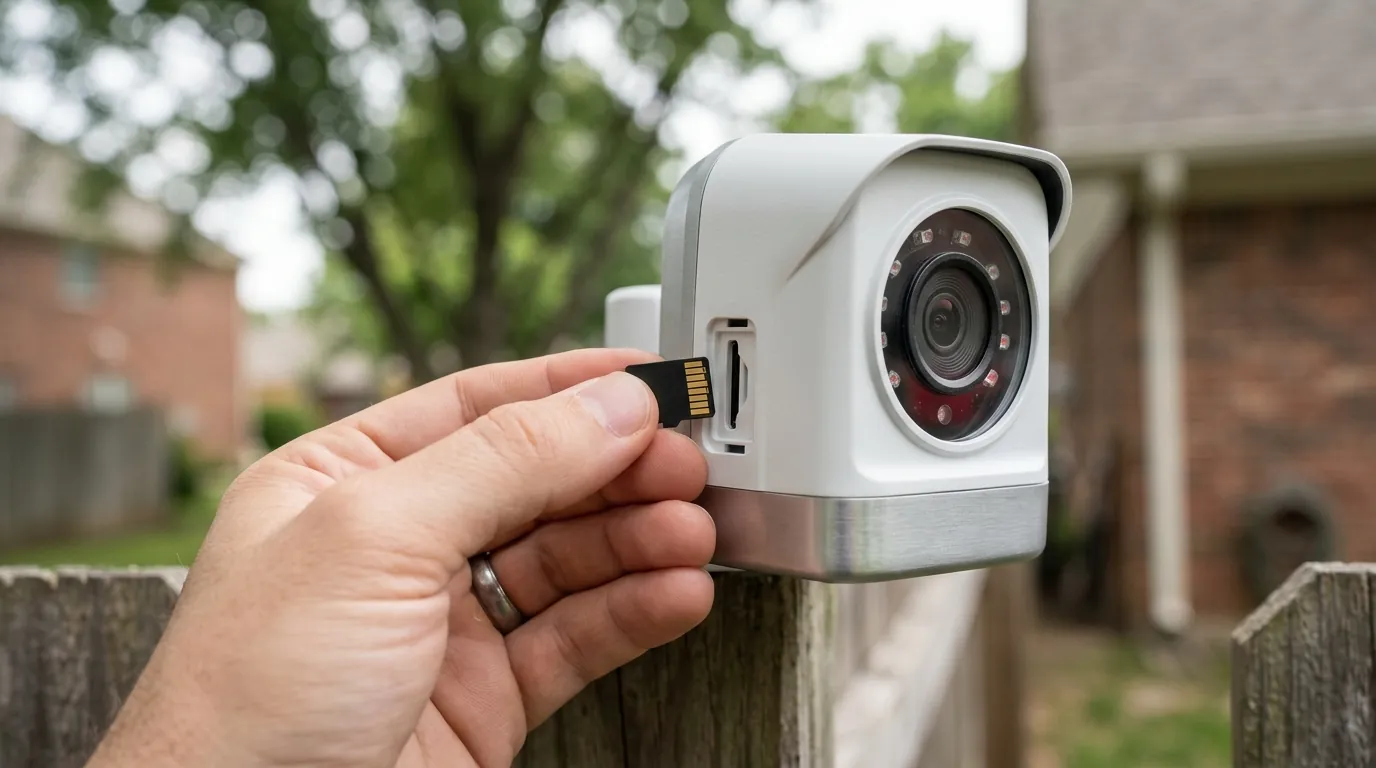
The backbone of Eufy’s privacy claim is the HomeBase 3 (S380). This central hub utilizes internal eMMC storage for critical system data and offers a SATA drive bay for expandable video storage. According to Eufy’s product specifications, the HomeBase 3 can support up to 16TB of local storage, allowing for months of 4K footage to remain on-site without ever touching a cloud server. SoloCams and battery doorbells without a HomeBase utilize high-endurance microSD cards (up to 128GB or 256GB depending on the model) for similar local-only recording.
Encryption Standards
Eufy employs a multi-layered encryption strategy. For data at rest—footage sitting on your HomeBase or microSD card—AES-256 encryption is the standard. For data in motion (streaming to your phone), Eufy uses TLS 1.3. A critical addition in the 2026 update is the emphasis on ECDH (Elliptic Curve Diffie-Hellman) key exchange. This protocol ensures that the “handshake” between your camera and your smartphone is unique and cannot be spoofed by a man-in-the-middle attack.
On-Device AI Processing
The “BionicMind” AI is the software engine that identifies people, pets, and vehicles. While many brands upload clips to the cloud for this analysis, Eufy’s 2026 policy confirms that this processing happens on the HomeBase’s 1.2GHz Quad-Core ARM processor. By keeping the “recognition” local, Eufy prevents the creation of a centralized cloud database of user faces.
Cloud Service Interactions
Despite the “local-first” branding, the 2026 policy clarifies three specific instances where the cloud (AWS) is utilized:
- Push Notifications: To send a notification with a thumbnail of the event, Eufy briefly hosts a small image on AWS. The 2026 policy states these are end-to-end encrypted and deleted immediately after the notification is delivered or after a short expiration period.
- Account Management: User authentication, device settings, and sharing permissions are managed via Eufy’s cloud servers to allow for remote access.
- Optional Cloud Backup: For users who want off-site redundancy in case of theft of the HomeBase itself, Eufy offers a paid cloud storage tier. This data is encrypted, and Eufy claims it does not hold the keys to decrypt this footage.
Table 1: Eufy 2026 Hardware & Privacy Specs
| Model Series | Max Resolution | Storage Type | AI Location | 3-Year Subscription Cost |
|---|---|---|---|---|
| eufyCam 3 (S330) | 4K (Ultra HD) | HomeBase 3 (up to 16TB) | Local (HomeBase) | $0 |
| SoloCam S340 | 3K (Dual Lens) | 8GB Local / microSD | Local (On-device) | $0 |
| Video Doorbell E340 | 2K (Dual Cam) | HomeBase or microSD | Local (HomeBase) | $0 |
| Indoor Cam S350 | 4K (PTZ) | microSD / HomeBase | Local (On-device) | $0 |
| Wired Wall Light | 2K | 4GB Built-in | Local (On-device) | $0 |
Real-world implications
The 2026 policy update has direct consequences for how you use and pay for your security system.
Empowering User Control
The primary implication is that you own your data. If you decide to delete a clip, it is deleted from the local drive immediately. There is no “trash bin” on a corporate server that retains your deleted moments for 30 days. Furthermore, the inclusion of “Advanced Encryption” as a toggle in the Eufy Security app allows users to prioritize security over convenience. Enabling this ensures that even Eufy’s web portal cannot view the stream, though it may limit compatibility with some third-party smart displays.
Cost Savings and No Subscriptions
One of the most significant real-world benefits is the Total Cost of Ownership (TCO). Because the 2026 policy supports full functionality—including AI detection and high-resolution recording—without a cloud plan, the long-term savings are substantial compared to the industry standard.
TCO Comparison (3-Year Estimate):
- Eufy (eufyCam 3 + HomeBase 3): Hardware (around $450-550) + $0 subscription + $50 for a 1TB HDD = ~$550-600.
- Competitor (Ring/Arlo/Nest): Hardware (around $300-400) + $10/month subscription ($360 over 3 years) = ~$660-760.
- The “Feature Paywall” Trap: Many competitors disable person detection or high-resolution recording if the subscription lapses. Eufy’s 2026 policy guarantees these features remain active locally.
Data and Law Enforcement
A critical section of the 2026 update covers law enforcement requests. Eufy states that for locally stored footage, they physically cannot provide video to the police because they do not have access to the local encryption keys stored on your HomeBase. This is a stark contrast to brands like Ring or Nest, which have historically (though less frequently now) provided footage to law enforcement in “emergency” situations without a warrant.
For users who opt into Eufy’s cloud storage, the policy states that Eufy will only comply with law enforcement requests that include a valid search warrant or court order. Even then, if the user has enabled end-to-end encryption, Eufy claims the provided data would be unreadable.
Connectivity and Functionality
Users should be aware that while recording is local, “remote access” still requires an internet connection. If your home internet goes down, your cameras will continue to record to the HomeBase, but you will not receive notifications or be able to view the live feed until the connection is restored. This “offline resilience” is a key advantage for small businesses in areas with spotty connectivity.
Decision Framework: Is Eufy Right for You?
- If you are a Renter: Prioritize the SoloCam series (around $130-180). It offers local microSD storage without needing to wire a HomeBase into the router.
- If you are a Homeowner: Prioritize the eufyCam 3 (S330) system. The HomeBase 3 provides the most robust privacy features and the largest storage capacity for long-term recording.
- If you are a Small Business: Prioritize a HomeBase 3 setup with an added 2TB+ hard drive. This ensures you have a 30-60 day “look back” period for liability purposes without monthly fees.
- If you have no Wi-Fi: Look for the 4G LTE Cam S230 (around $200-250 range), which uses a SIM card but still maintains local storage on a microSD card.
Common misconceptions
Despite the clarity of the 2026 update, several myths persist about Eufy’s privacy model.
Cloud-Free vs. Cloud-Minimal
A common misconception is that “Eufy is 100% cloud-free.” As noted in community discussions on r/HomeSecurity, the system still requires the cloud for “signaling.” When you open the app to view a camera, a Eufy server helps route that connection to your home. While the video data itself is encrypted, the metadata (when you logged in, which camera you viewed) is processed by Eufy to facilitate the service.
Understanding End-to-End Encryption
Users often assume all footage is end-to-end encrypted (E2EE) by default. In reality, E2EE is often an “Advanced Encryption” option that must be toggled on. If you use Alexa or Google Assistant to view your cameras, E2EE is typically disabled for those streams because the smart displays do not yet support Eufy’s specific decryption keys.
Data Selling vs. Data Sharing
There is a persistent fear that “Eufy sells user data.” The 2026 privacy policy explicitly states: “We do not sell your personal information.” However, it does disclose that data is shared with service providers like AWS for cloud hosting or Stripe for payment processing. This is a standard operational necessity, not a data-harvesting scheme.
Addressing Past Controversies
Some critics claim Eufy has never addressed its 2022 security flaws. The 2026 policy update is, in fact, the documentation of those fixes. Following the 2025 New York Attorney General settlement, Eufy moved all notification thumbnails to an encrypted path and implemented a “Web Portal Security” update that requires two-factor authentication (2FA) and end-to-end encryption for browser-based viewing.
Access to Cloud-Stored Data
Finally, some believe that if they use Eufy’s cloud backup, Eufy employees can watch their videos. The 2026 policy clarifies that cloud data is encrypted using the user’s account credentials. Without your password and 2FA code, the data remains a “black box” to Eufy and AWS staff.
Frequently Asked Questions
Does Eufy share my camera footage with the police?
According to the 2026 policy, Eufy cannot access or share footage stored locally on your HomeBase or microSD card. For footage stored in their optional cloud service, they require a valid legal warrant and claim they cannot decrypt the video if the user has enabled Advanced Encryption.
Do I have to pay a monthly fee for Eufy cameras to work?
No. Unlike many competitors, Eufy cameras provide full access to AI detection, 2K/4K recording, and mobile alerts without a subscription. A subscription is only required if you want off-site cloud backup or professional 24/7 monitoring services.
Are Eufy cameras 100% private from the internet?
Not by default. While footage is stored locally, the cameras must “check in” with Eufy’s servers to provide remote access and notifications. For a truly “air-gapped” system, users would need to use Eufy cameras with a local RTSP/NAS setup and block the cameras from internet access at the router level, though this disables the Eufy Security app features.
What happens to my data if Eufy goes out of business?
Because your footage is stored on a local HomeBase or microSD card, you would still have physical possession of your recordings. However, remote viewing via the Eufy app would likely cease to function without Eufy’s cloud signaling servers.
Further reading
- Local Storage Security Cameras: A deep dive into why physical data ownership is becoming the gold standard for home privacy.
- End-to-End Encryption: Understanding the math that keeps your video streams away from prying eyes.
- Eufy vs Ring Privacy: A head-to-head comparison of how the two leading brands handle your sensitive data.
- No Subscription Security Cameras: How to avoid the “monthly fee trap” while maintaining high-end security features.
Quvii tracks these trade-offs across the category to help you navigate the complex intersection of security and privacy.
Sources
- Eufy Official Privacy Commitment — https://www.eufy.com/privacy-commitment
- Eufy Security Software Encryption Standards
- ISO/IEC 27001 Certification Registry — https://www.iso.org/standard/27001
- New York Attorney General Press Office (2025 Settlement) — https://ag.ny.gov/press-releases
- RTINGS: Eufy Security Camera Reviews and Data Privacy Testing