
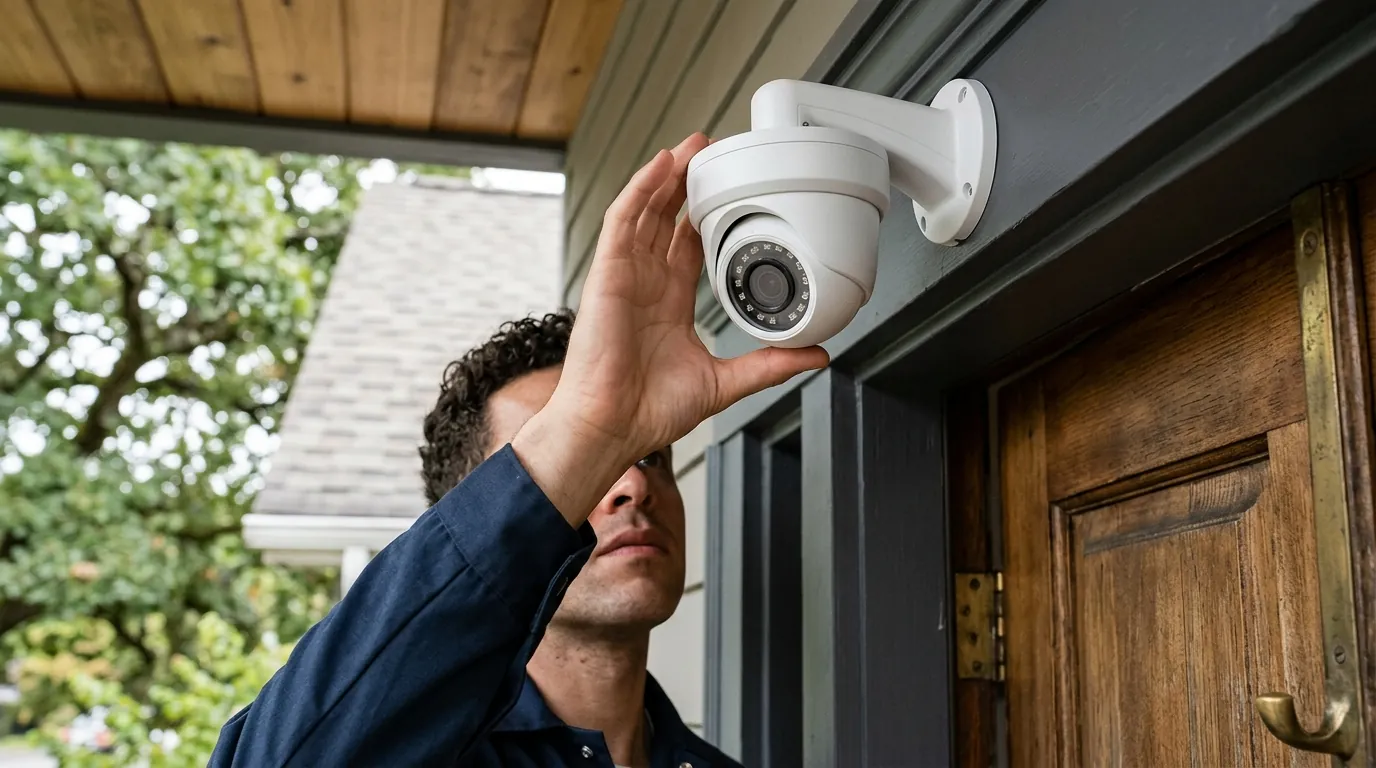
Doorbell Camera Privacy: Your Rights When Federal Agents Visit Your Porch
When federal agents appear on a private porch, the doorbell camera transitioning from a convenience tool to a legal record-keeper. Understanding how that data is stored, who can access it, and what constitutional protections apply is essential for any homeowner managing a modern surveillance system.
Quick Answer: Federal agents can access doorbell camera footage through a valid search warrant, a subpoena, or by requesting it directly from the homeowner, who has the right to refuse without a warrant. In life-threatening emergencies, camera manufacturers like Ring and Google Nest may also provide cloud-stored footage without user consent under exceptions in the Electronic Communications Privacy Act (ECPA). Doorbell cameras with local storage, such as those from Eufy and Reolink, generally offer greater user control over data as footage is stored on-site.
What it means
Related: Arlo Pro VMC4030 Factory Reset Failure: July 2026 Fix Guide · Home Assistant Alexa Media Player Broken in 2026? Fixes & Alternatives · Ring Stick Up Cam Solar Charging Issues: 2026 Troubleshooting Guide
A “porch visit” from federal agents refers to a situation where representatives from agencies such as the Federal Bureau of Investigation (FBI), Immigration and Customs Enforcement (ICE), or the Drug Enforcement Administration (DEA) arrive at a residence. These visits are often “knock-and-talks,” where agents seek information or voluntary cooperation without a warrant.
From a legal perspective, the Fourth Amendment protects individuals from “unreasonable searches and seizures” within their home and its “curtilage.” The curtilage is the land immediately surrounding and associated with the home, such as a front porch or a fenced yard. While a doorbell camera is a private surveillance tool, it records activity within this protected zone.
When agents visit, the doorbell camera creates a digital record of the interaction. The core privacy concern is not just the recording itself, but the pathway that footage takes from the device to the government. Depending on the camera’s architecture, that pathway may involve the homeowner’s direct consent, a manufacturer’s server, or a judicial order.
Why it exists
The tension between doorbell cameras and federal law enforcement exists because of the intersection of three factors: the Fourth Amendment, the Electronic Communications Privacy Act (ECPA), and the evidentiary value of digital video.
- The Fourth Amendment: Generally, law enforcement requires a warrant based on probable cause to search private property. However, courts have historically held that there is a “diminished expectation of privacy” for areas visible from public streets. Doorbell cameras often capture these “plain view” areas, creating a gray area in privacy law.
- ECPA Exceptions: The Electronic Communications Privacy Act governs how third-party service providers (like Amazon or Google) handle user data. A specific exception allows these companies to disclose records to the government without a warrant in “emergency situations” involving imminent danger of death or serious physical injury.
- Investigative Value: Federal agencies increasingly view doorbell footage as a critical source of intelligence. It provides timestamps, facial recognition opportunities, and a record of who entered or exited a premises, making it a primary target for subpoenas and warrants.
How it works under the hood
The technical architecture of a doorbell camera—specifically where it stores data—determines how much control a homeowner retains when federal agents come knocking.
Cloud vs. Local Storage: A Comparison
Most consumer doorbell cameras fall into two categories: cloud-dependent or local-first.
- Cloud Storage: Brands like Ring, Google Nest, and Arlo primarily store footage on remote servers. When a camera detects motion, the encrypted video is uploaded to the manufacturer’s cloud. To view past footage, the user (or anyone with legal access) must retrieve it from those servers.
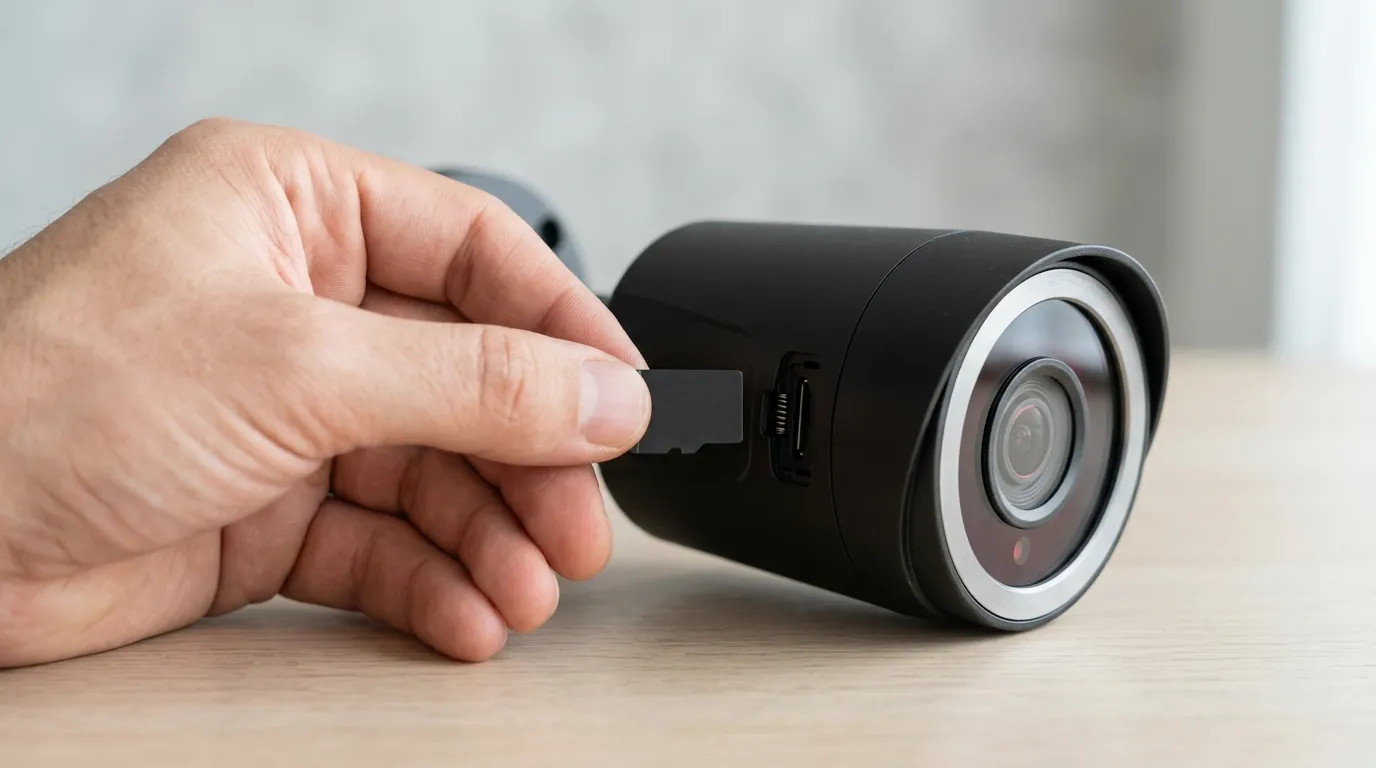
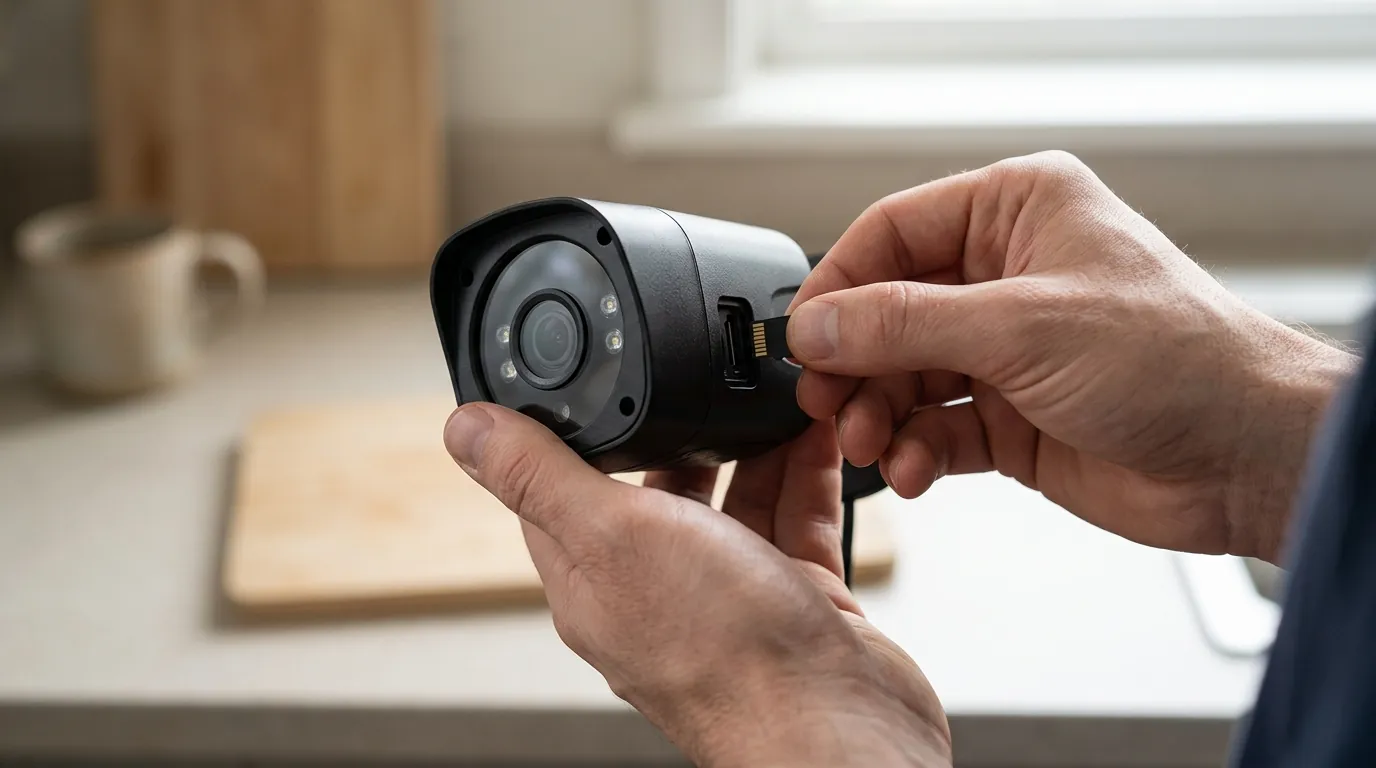
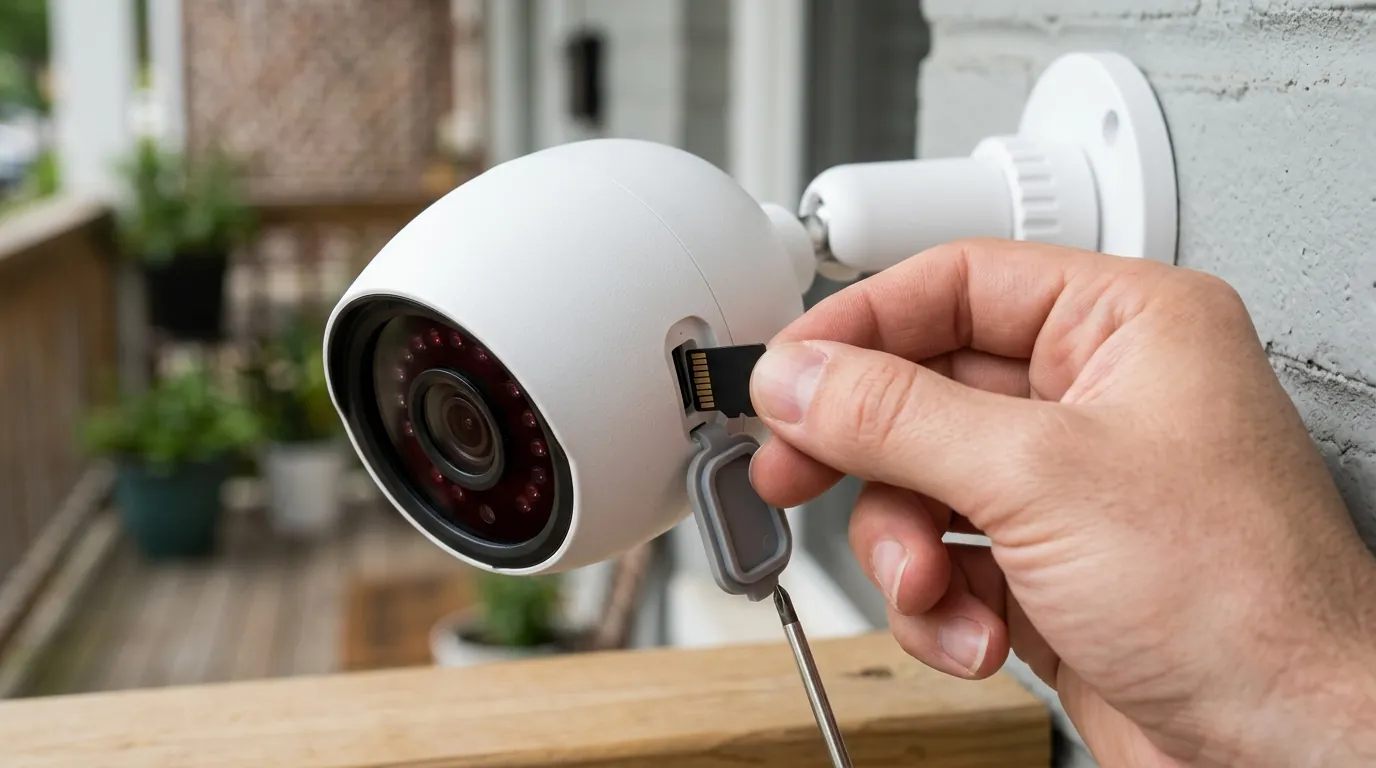
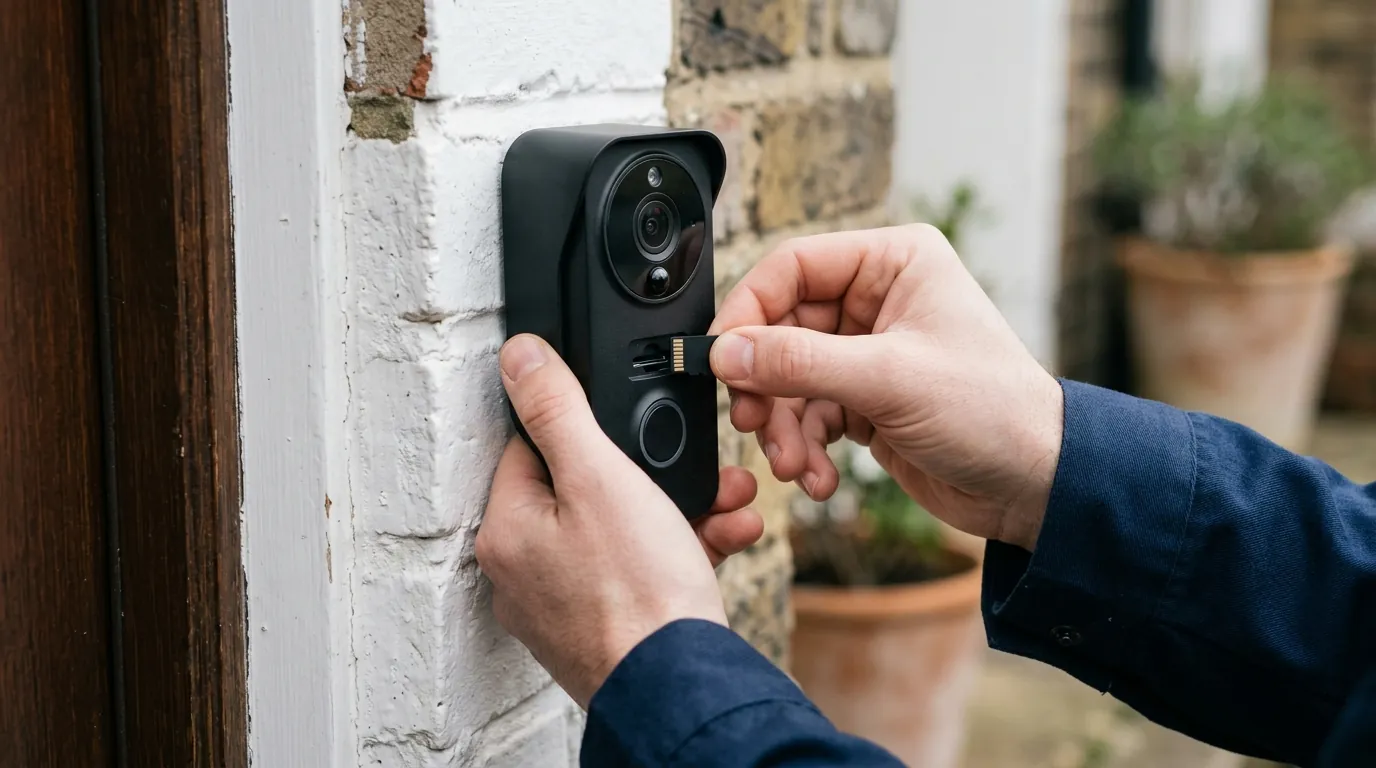
- Local Storage: Brands like Reolink, Eufy, and Aqara offer options to store footage on a microSD card inside the camera, a HomeBase station inside the house, or a Network Video Recorder (NVR). In this setup, the data never leaves the home’s physical perimeter unless the user explicitly shares it.
Encryption Standards and Your Data
Reputable brands use AES-128 or AES-256 encryption to protect data “in transit” (moving from camera to server) and “at rest” (sitting on a server). However, the critical distinction is End-to-End Encryption (E2EE).
If a camera supports E2EE, only the user’s authorized mobile device holds the “key” to decrypt the video. Even if a federal agency serves a warrant to the manufacturer, the manufacturer may be technically unable to provide viewable footage because they do not possess the decryption key. Ring offers E2EE as an opt-in feature for many of its newer models, while Eufy emphasizes local decryption on its HomeBase units.
How Major Brands Handle Law Enforcement Requests
The policy landscape changed significantly in early 2024. Here is the current standing for major manufacturers:
- Ring (Amazon): As of January 2024, Ring discontinued its “Request for Assistance” tool, which previously allowed local police to request footage directly from users through the Neighbors app. However, Ring still complies with valid judicial warrants and subpoenas. Crucially, Ring reserves the right to share footage without a warrant in “emergency” cases.
- Google Nest: Google’s policy states they may provide data to government agencies in response to valid legal processes or emergency requests. Like Ring, they notify users of these requests unless legally barred from doing so (e.g., by a “gag order”).
- Eufy (Anker): Eufy’s privacy model is built on local storage. While they provide small thumbnails to the cloud to facilitate push notifications, the actual video files remain on the user’s hardware. This makes it difficult for federal agents to bypass the homeowner; they typically must seize the physical hardware or obtain a warrant directed at the homeowner rather than the company.
Doorbell Camera Specification Comparison (2026 Models)
| Model | Storage Type | Resolution | E2EE Support | Sub Cost (approx. yr) | 3-Year TCO Band |
|---|---|---|---|---|---|
| Ring Battery Doorbell Pro | Cloud | 1536p | Yes (Opt-in) | $50-$100 | $300-$350 |
| Google Nest Doorbell (Gen 2) | Cloud | 960 x 1280 | No | $80-$150 | $350-$450 |
| Reolink Video Doorbell WiFi | Local (SD/NVR) | 2K+ (5MP) | No | $0 | Under $150 |
| Eufy Video Doorbell E340 | Local (HomeBase) | 2K Dual Cam | Yes | $0 | $200-$250 |
| Arlo Video Doorbell 2K | Cloud | 2K | Yes | $60-$120 | $300-$400 |
Real-world implications
When federal agents visit a porch, the interaction is governed by a specific set of rights and technical realities.
Your Constitutional Rights at the Door
If an agent from the FBI or ICE asks you to hand over your doorbell camera footage or asks to see your phone, you have the right to refuse in the absence of a warrant. A “knock-and-talk” is voluntary. Agents may attempt to use “administrative warrants” (often used by ICE), but these are not the same as judicial search warrants signed by a judge and do not generally grant the authority to compel the production of private data or entry into a home.
When Companies Can Share Your Data
If you use a cloud-based system (Ring, Nest, Arlo), the federal government can go “around” you. By serving a warrant or subpoena directly to the manufacturer, agents can obtain your footage without your physical cooperation.
The “Emergency Disclosure” exception is the most controversial aspect of this process. Under the ECPA, if a manufacturer “in good faith, believes that an emergency involving danger of death or serious physical injury to any person requires disclosure without delay,” they can hand over footage. Ring reported providing footage to law enforcement in several such instances in previous years, often without the homeowner’s knowledge.
The Role of Local vs. Cloud Storage in Access
Local storage changes the legal friction. If your footage is stored on a microSD card or an NVR inside your home:
- Federal agents cannot subpoena a third-party cloud provider for the data because the data doesn’t exist there.
- Agents must obtain a search warrant for your specific residence to seize the physical storage device.
- This places the homeowner in the direct loop of the legal process, ensuring they are aware of the investigation.
Documented Tactics: Covering Cameras
There have been documented instances of federal agents covering doorbell cameras with tape or their hands during an approach. Legal experts suggest this could be argued as an “unreasonable seizure” of the camera’s function under the Fourth Amendment, though case law on this specific tactic is still evolving.
Decision Framework: Choosing Based on Privacy Needs
| Scenario | Priority | Recommended Architecture |
|---|---|---|
| Renter / High Mobility | Ease of setup, 24/7 support | Cloud-Based (Ring/Arlo) - Easy to install, but requires a subscription and carries higher third-party access risk. |
| Privacy Advocate | Maximum data control | Local-First (Reolink/Eufy) - Keeps data on-site. Harder for federal agents to access without a direct warrant for your home. |
| High-Risk/Business | Continuous recording | PoE/NVR Systems - Power-over-Ethernet cameras recording to a local NVR. Provides the most robust record with zero cloud reliance. |
| Smart Home Integrated | Ecosystem synergy | HomeKit Secure Video (Aqara/Logitech) - Uses Apple’s end-to-end encryption, preventing even Apple from seeing the footage. |
Total Cost of Ownership (TCO)
When evaluating doorbell privacy, the “sticker price” is often misleading. Cloud-dependent cameras often lock essential privacy and recording features behind a “feature paywall.”
- Hardware Cost: A mid-range doorbell typically costs between $100 and $200.
- Subscription Fees: Most cloud brands charge $50 to $150 per year for video history. Over three years, this adds $150 to $450 to the initial price.
- The “Feature Paywall”: Without a subscription, many cloud cameras (Ring, Nest) will only provide live views and no recorded history, rendering them nearly useless for documenting a federal visit after the fact.
- 3-Year Real Cost: A “free” cloud camera often costs more than a $250 local-storage system within the first 18 months of ownership.
Common misconceptions
- “My doorbell camera is private, no one can access it.” This is incorrect. If your data is in the cloud, it is subject to subpoenas, warrants, and emergency disclosure requests that can bypass you entirely.
- “Local storage guarantees absolute privacy.” While local storage provides more control, it is not a legal shield. If federal agents have a judicial warrant to search your home, they can legally seize your NVR or microSD card.
- “Federal agents can always bypass warrants.” Generally, federal agents are bound by the same Fourth Amendment requirements as local police. While the Foreign Intelligence Surveillance Act (FISA) provides broader powers for foreign intelligence, standard domestic investigations require a warrant for private data.
- “Deleting footage immediately makes it permanently gone.” Not necessarily. Cloud providers may have backup cycles or retention policies that keep “deleted” data for a short window (e.g., Ring’s 72-hour window for certain data types). With local storage, once a sector is overwritten or the card is destroyed, recovery is significantly more difficult.
Further reading
- Choosing a doorbell camera with local storage: Prioritizing devices that store data on-site is the most effective technical step toward maintaining data sovereignty.
- Understanding end-to-end encryption: Learn how E2EE creates a “zero-knowledge” environment where even the manufacturer cannot view your porch activity.
- Legal rights when interacting with law enforcement: Familiarize yourself with the ACLU’s “Know Your Rights” guides regarding home searches and digital privacy.
- Setting up privacy zones: Most modern cameras allow you to “black out” certain areas of the frame (like a neighbor’s door or the public sidewalk) to ensure you are only recording your own curtilage.
Frequently Asked Questions
Can federal agents force me to unlock my phone to show them doorbell footage?
Generally, no. Under the Fifth Amendment, you cannot be compelled to provide a passcode that would incriminate you. While some courts have ruled differently on biometric unlocking (FaceID/TouchID), agents typically need a specific warrant to search the contents of your phone.
What should I do if agents cover my doorbell camera?
If you are aware of the visit, you can verbally state that you do not consent to a search. Documenting the interaction through other means (like a secondary camera or a phone recording) is advisable. Covering a camera does not legally waive your Fourth Amendment rights.
Does Ring still give video to police without a warrant?
As of early 2024, Ring no longer facilitates voluntary requests from police through the Neighbors app. However, they will still provide video in response to a judicial warrant or if they determine an “emergency” exists under the ECPA guidelines.
Can I be sued for recording federal agents on my porch?
No. In the United States, you generally have a First Amendment right to record law enforcement officers performing their duties in public or on your own private property, provided you do not physically interfere with their work.
Sources
- Ring Law Enforcement Disclosure Policy
- Google Nest Transparency Report & Policies
- Electronic Communications Privacy Act (ECPA) - DOJ
- Eufy Privacy Commitment
- Reolink Product Specifications
- AP News: Ring to stop allowing police to request doorbell footage
Quvii tracks these trade-offs across the doorbell camera category to help homeowners align their security hardware with their personal privacy standards.