
Blink Outdoor 4 Battery Life in Extreme Heat: What You Need to Know
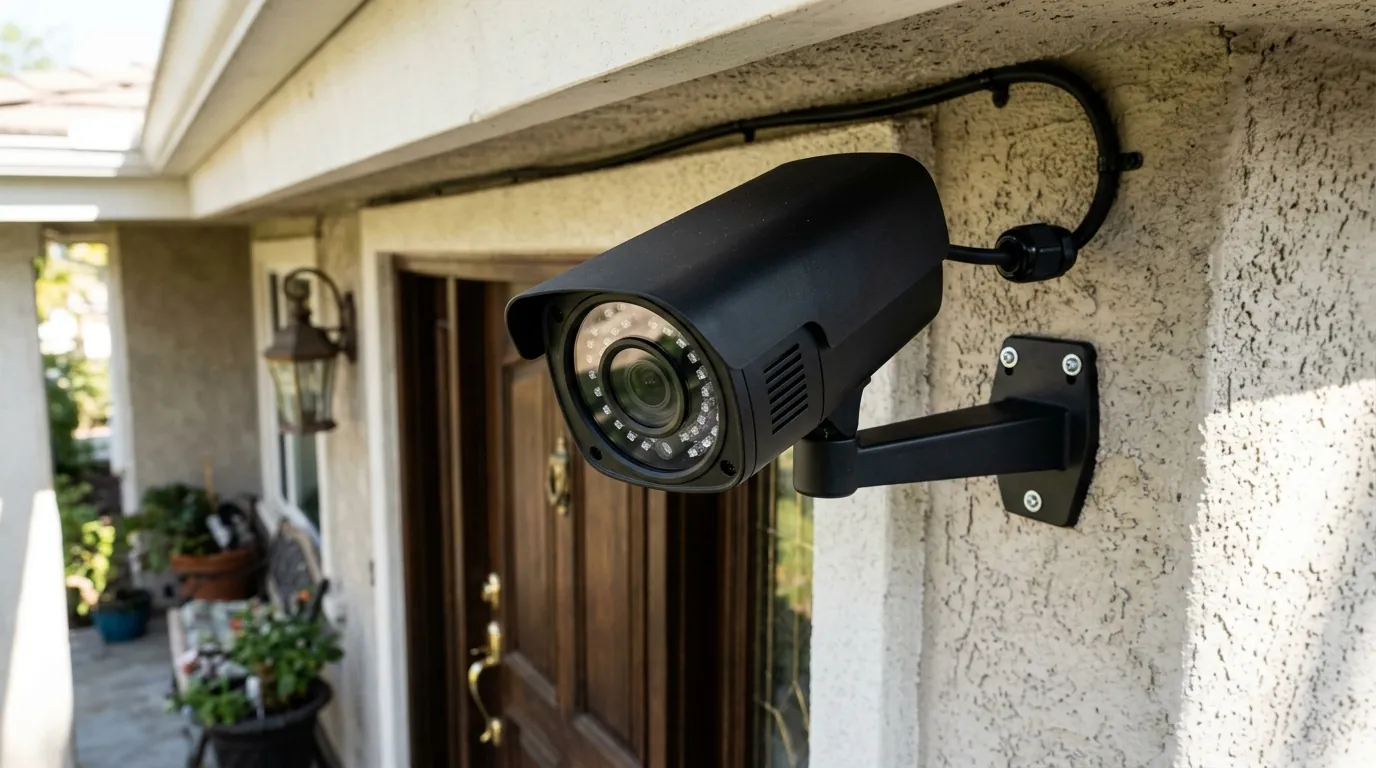
The intense summer sun can be a formidable adversary for outdoor electronics, and your Blink Outdoor 4 security camera is no exception. Understanding how extreme heat impacts its battery life is crucial for maintaining reliable home surveillance.
The Blink Outdoor 4 camera is designed to operate in temperatures up to 113°F (45°C). However, extreme heat, especially prolonged exposure above 77°F (25°C), can significantly accelerate the degradation of its non-rechargeable AA lithium batteries, potentially halving their advertised two-year lifespan and leading to more frequent replacements.
What it means
Related: Reolink Doorbell WiFi vs. PoE: Summer Stability & Performance · Ring Battery Doorbell Plus Motion Zone Issues: What You Need to Know · How to Secure Your Smart Home from AI Hacks (2026 Guide)
For the Blink Outdoor 4 camera, “extreme heat” refers to temperatures at or approaching its upper operational limit. The official operating temperature range for the Blink Outdoor 4 is stated as -4°F to 113°F (-20°C to 45°C). This range indicates the conditions under which the camera is designed to function reliably.
Blink advertises an impressive battery life of up to two years for its Outdoor 4 camera under default settings. This longevity is achieved using two AA 1.5V non-rechargeable lithium batteries, with Energizer Lithium often recommended by the manufacturer. This two-year estimate, however, is a baseline established under ideal conditions, which typically assume moderate temperatures and average usage.
There is a direct and well-documented correlation between elevated temperatures and reduced battery longevity, even within the stated operating range. While the camera might continue to operate at 113°F, sustained exposure to such heat will inevitably shorten the lifespan of the lithium batteries, leading to more frequent replacements than the advertised two years.
Why it exists

The impact of heat on battery life stems from the fundamental science of how lithium batteries operate and degrade.
The Science of Lithium Battery Degradation
Lithium batteries generate electrical current through electrochemical reactions where lithium ions move between the anode and cathode through an electrolyte. This process is inherently sensitive to temperature. High temperatures accelerate these chemical reactions, which can be detrimental to the battery’s overall health and capacity. Specifically, elevated heat can cause the electrolyte to decompose faster, leading to the formation of a solid electrolyte interphase (SEI) layer on the anode. While an SEI layer is necessary for battery function, excessive or uneven growth due to heat can impede lithium ion movement, reducing the battery’s ability to hold a charge.
Thermal Stress and Component Breakdown
Beyond the electrolyte, high temperatures place thermal stress on other internal components of the battery. This stress can lead to the breakdown of separators, which prevent short-circuiting between the anode and cathode, or the degradation of active materials within the electrodes themselves. The cumulative effect is a reduction in the battery’s overall capacity, meaning it can store less energy even when fully “charged” (in the case of non-rechargeable batteries, this means its total available energy is diminished).
While more common in high-power rechargeable lithium-ion batteries, the concept of “thermal runaway” is a severe consequence of uncontrolled overheating. This is a self-accelerating heating process that can lead to fire or explosion. Consumer devices like the Blink Outdoor 4 are designed with safety mechanisms and use non-rechargeable lithium primary batteries, which generally have lower risks than rechargeable lithium-ion cells. However, prolonged exposure to temperatures significantly beyond their design limits can still pose safety risks, although less common with proper device design and usage. The primary impact for users of Blink Outdoor 4 in extreme heat will be reduced operational lifespan rather than immediate safety hazards, assuming the device remains within its specified temperature range.
How it works under the hood
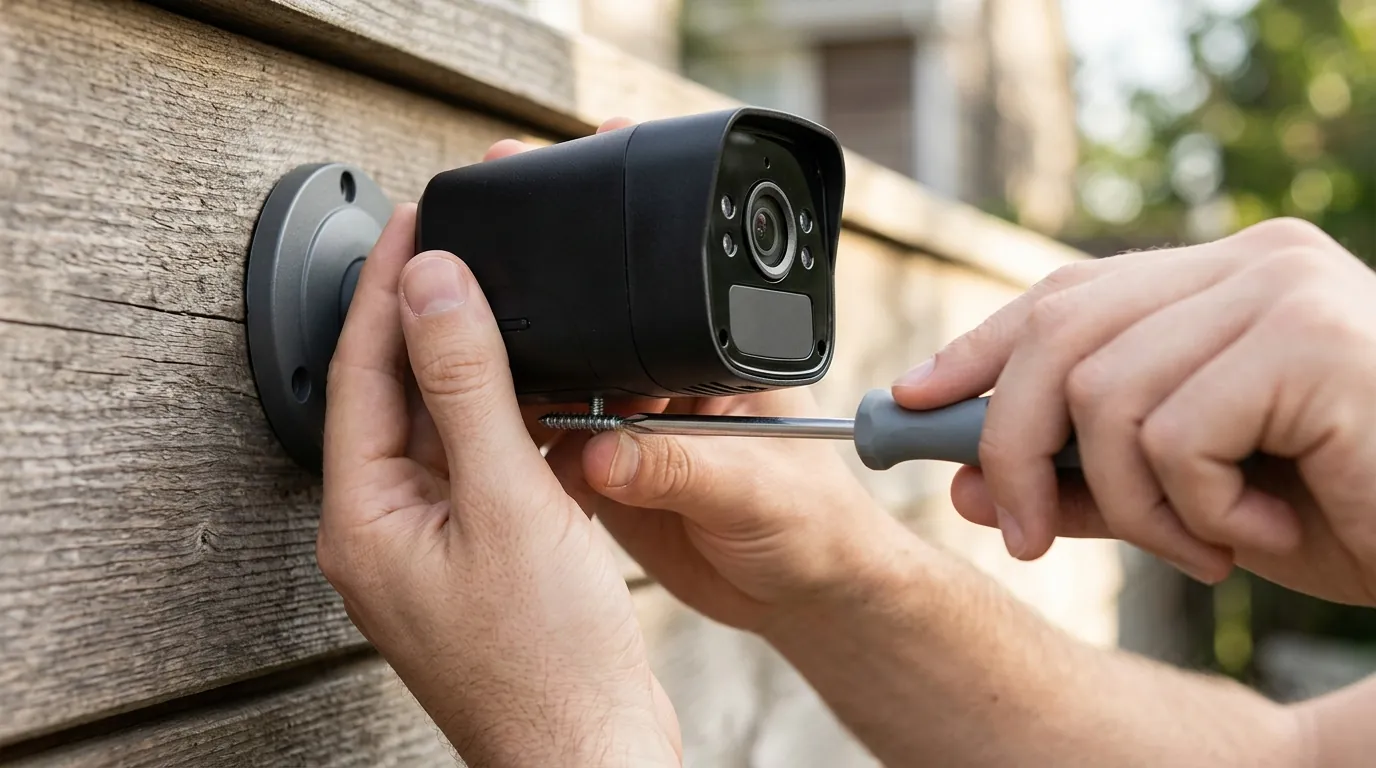
The Blink Outdoor 4 camera is designed with specific power management strategies to optimize its performance and battery life, though these are challenged by extreme environmental conditions.
Blink’s Battery System: Non-Rechargeable Lithium AA
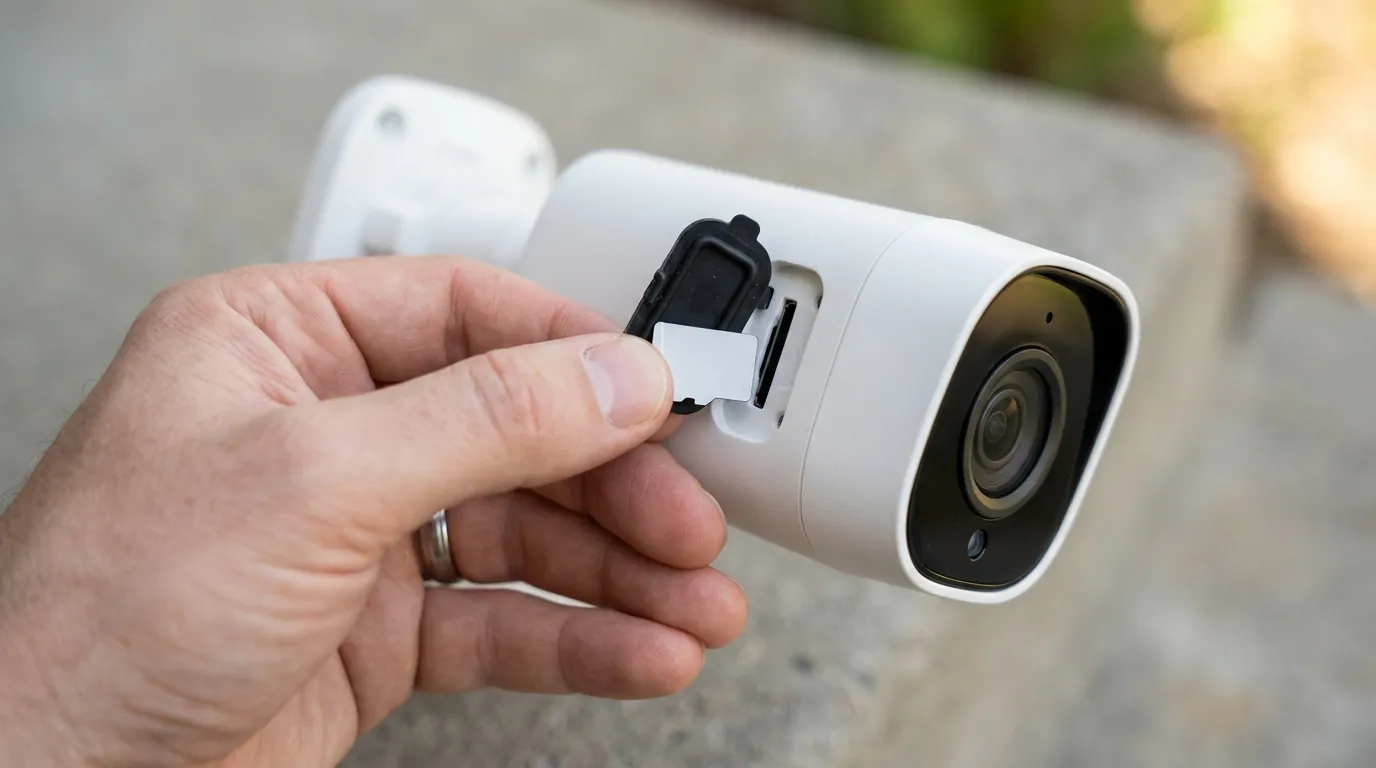
The Blink Outdoor 4 camera is powered by two AA 1.5V non-rechargeable lithium batteries. These are distinct from typical alkaline AA batteries or rechargeable NiMH batteries. Lithium primary batteries offer a higher energy density and a wider operating temperature range, making them suitable for outdoor applications, especially in colder climates. However, their non-rechargeable nature means that once their capacity is depleted, they must be replaced. Blink specifically advises against using rechargeable batteries, as they operate at a lower voltage (typically 1.2V) which can lead to poor performance and inaccurate battery level readings.
Firmware and Power Management in Heat
The camera’s internal firmware plays a crucial role in managing power consumption. It continuously monitors various parameters, including ambient conditions, to optimize operations. While the Blink Outdoor 4 doesn’t have a user-accessible internal temperature sensor reading, the system is designed to manage power output based on its operational environment. The firmware aims to balance performance with battery preservation, automatically adjusting certain functions to conserve power. However, this power management primarily focuses on extending life under normal conditions and cannot indefinitely counteract the accelerated chemical degradation caused by sustained high temperatures.
Moreover, various camera settings directly influence battery drain, which becomes more pronounced in high heat. Settings such as higher video quality, longer clip lengths, increased motion detection sensitivity, and more frequent Live View sessions all demand more power. In hot environments, the battery has to work harder to deliver this power, further contributing to faster degradation and reduced overall life. Users can adjust these settings within the Blink app to potentially extend battery life, but the fundamental impact of heat on battery chemistry remains.
Real-world implications
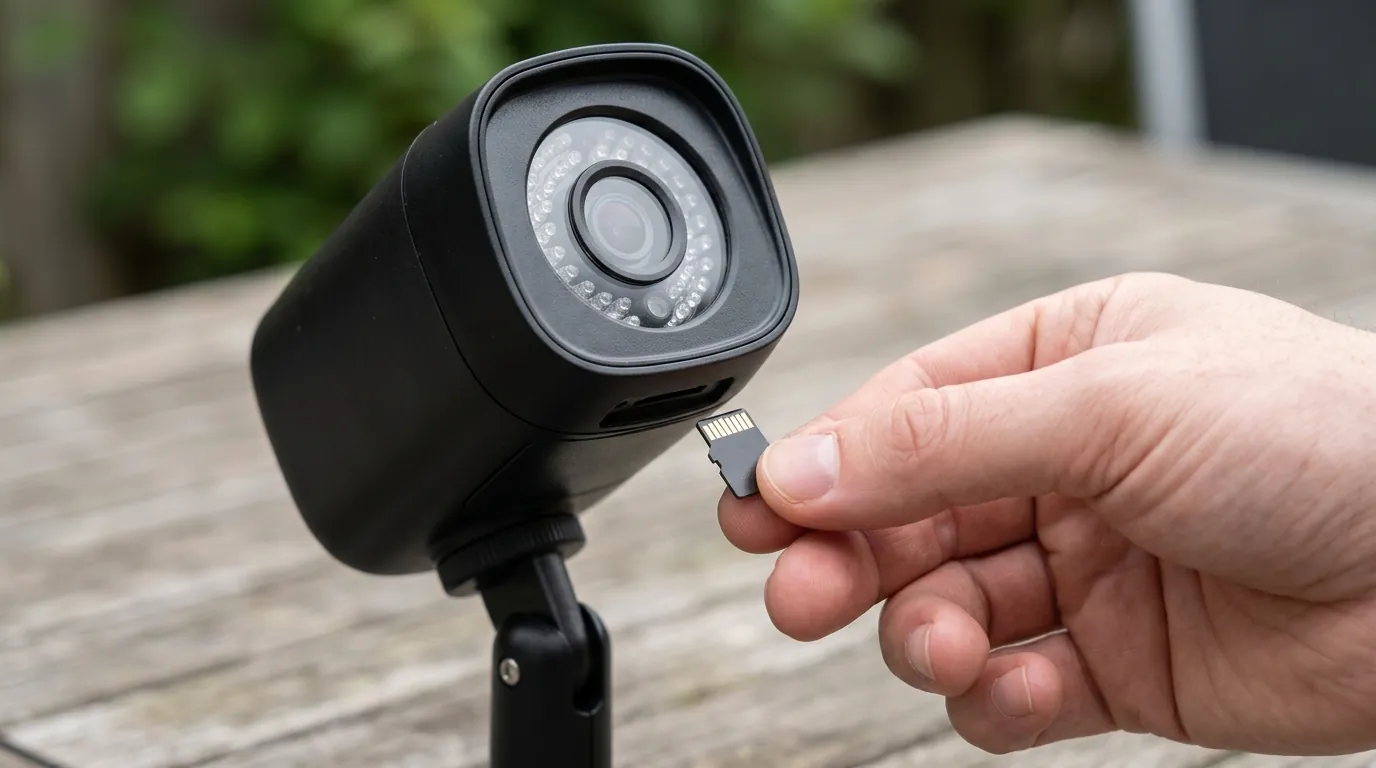
The theoretical effects of heat on lithium batteries translate into tangible impacts for Blink Outdoor 4 users in hot climates.
Faster Battery Drain in Hot Climates
Users in regions experiencing prolonged high temperatures, especially those consistently above 77°F (25°C), are likely to observe significantly shorter battery life than Blink’s advertised two-year estimate. While a precise, universally applicable degradation rate is difficult to quantify due to varying usage patterns and specific environmental factors, general battery science suggests that for every 15°F (approximately 8°C) increase in temperature above a typical room temperature baseline (around 77°F or 25°C), the battery’s lifespan can be effectively halved. This means a camera operating consistently at 92°F (33°C) might see its battery life cut by 50%, and at 107°F (42°C), it could be reduced by 75% or more. This accelerated drain necessitates more frequent battery replacements, increasing the operational cost and maintenance burden for the user.
Impact of Direct Sunlight and Placement
A critical factor often overlooked is the difference between ambient air temperature and the surface temperature of the camera itself, particularly when exposed to direct sunlight. While the ambient air might be within the Blink Outdoor 4’s 113°F (45°C) operating limit, direct solar radiation can cause the camera’s dark casing to absorb heat, pushing its internal temperature far beyond the ambient air temperature. This superheated internal environment will drastically accelerate battery degradation, even if the surrounding air temperature seems acceptable.
Strategic placement is therefore paramount. Mounting the camera in shaded areas, such as under eaves, carports, or awnings, can significantly mitigate the effects of direct sunlight and help keep the camera’s internal temperature closer to the ambient air temperature.
User Experiences and Troubleshooting
Reports from user forums often corroborate the impact of heat. Owners in Arizona, Florida, and other hot regions frequently report needing to replace batteries much more often than the two-year claim. Common troubleshooting advice includes:
- Optimizing Settings: Reducing video quality, shortening clip lengths, lowering motion sensitivity, and decreasing the frequency of Live View sessions can reduce the power demanded from the batteries.
- Strategic Placement: As mentioned, placing cameras in shaded locations is the most effective passive cooling strategy.
- Optional Accessories: Blink offers accessories that can help. The Blink Weather Resistant Power Adapter allows for continuous power if an outdoor outlet is available, bypassing battery reliance entirely. For situations where wired power isn’t feasible, the Blink Battery Extension Pack (sold separately) doubles the camera’s battery capacity, effectively extending the time between replacements, though it does not prevent heat-induced degradation of individual cells.
Common misconceptions
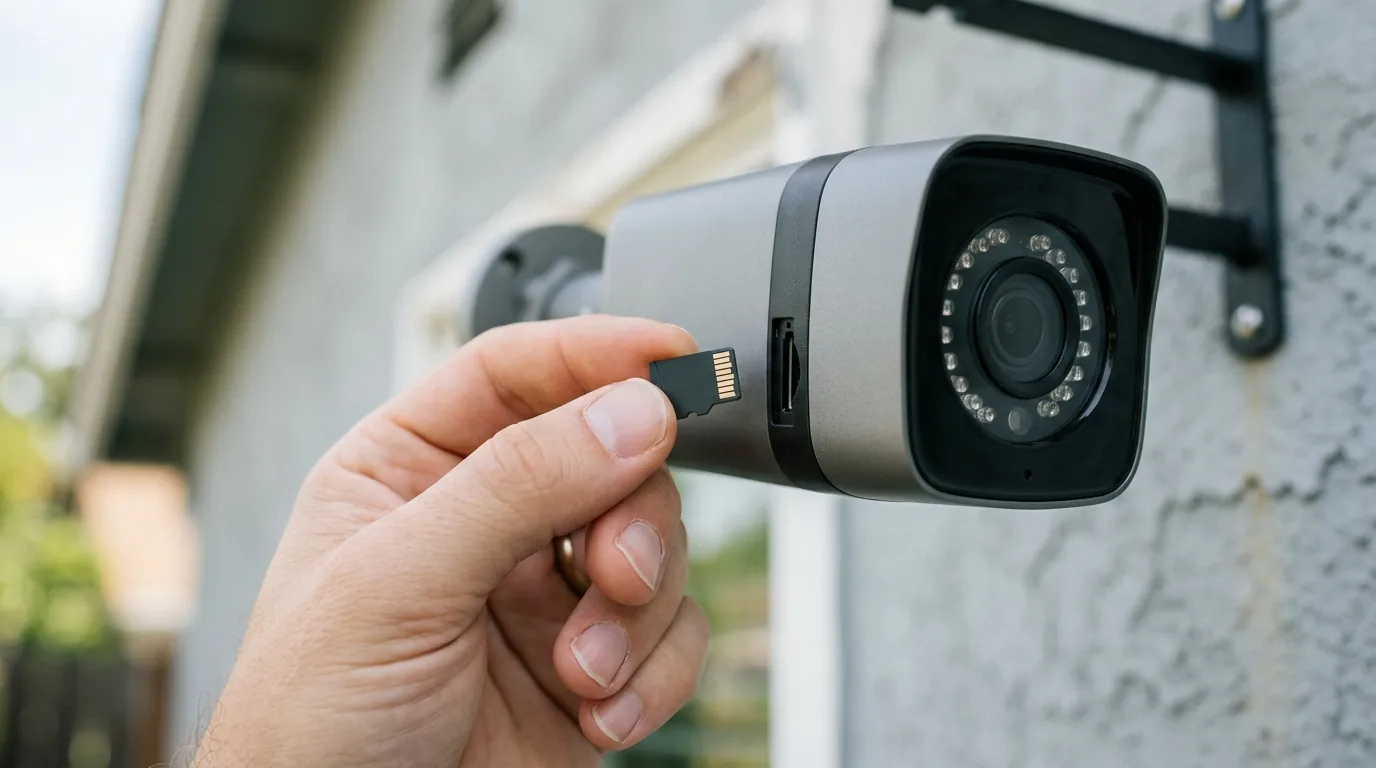
Several misunderstandings persist regarding security camera battery performance in extreme heat.
-
Myth: Rechargeable batteries are a good alternative. Fact: Blink specifically recommends and includes non-rechargeable 1.5V AA lithium batteries (e.g., Energizer Ultimate Lithium). Using standard rechargeable batteries like NiMH (Nickel-Metal Hydride) is strongly discouraged. These typically provide 1.2V, which is insufficient for optimal performance and can lead to inaccurate battery level reporting, potentially causing the camera to shut down prematurely or function erratically. The camera’s power management system is calibrated for the specific voltage profile of 1.5V lithium primary cells.
-
Myth: The camera will immediately fail in extreme heat. Fact: While prolonged, severe heat can eventually cause a camera to malfunction or shut down, degradation is often gradual. The primary effect is a significant reduction in battery efficiency and overall lifespan rather than instantaneous failure. Users will typically notice batteries dying faster or the camera becoming less responsive before a complete, sudden breakdown, assuming temperatures remain within the stated operating range. Exceeding the absolute maximum operating temperature for extended periods, however, does increase the risk of permanent damage to the camera’s internal electronics.
-
Myth: All ‘weatherproof’ cameras perform identically in heat. Fact: The term “weatherproof” often refers to a camera’s IP (Ingress Protection) rating, which indicates its resistance to dust and water. The Blink Outdoor 4, for example, is rated IP65. While this rating confirms its ability to withstand rain and dust, it does not directly address internal heat dissipation or the battery’s susceptibility to high temperatures. Different brands and models utilize various battery chemistries (e.g., standard lithium-ion, LiFePO4, or primary lithium cells like Blink’s) and internal designs that can offer varying levels of heat tolerance. Therefore, an IP65 rating does not guarantee identical performance or battery longevity across all cameras in hot conditions.
Further reading
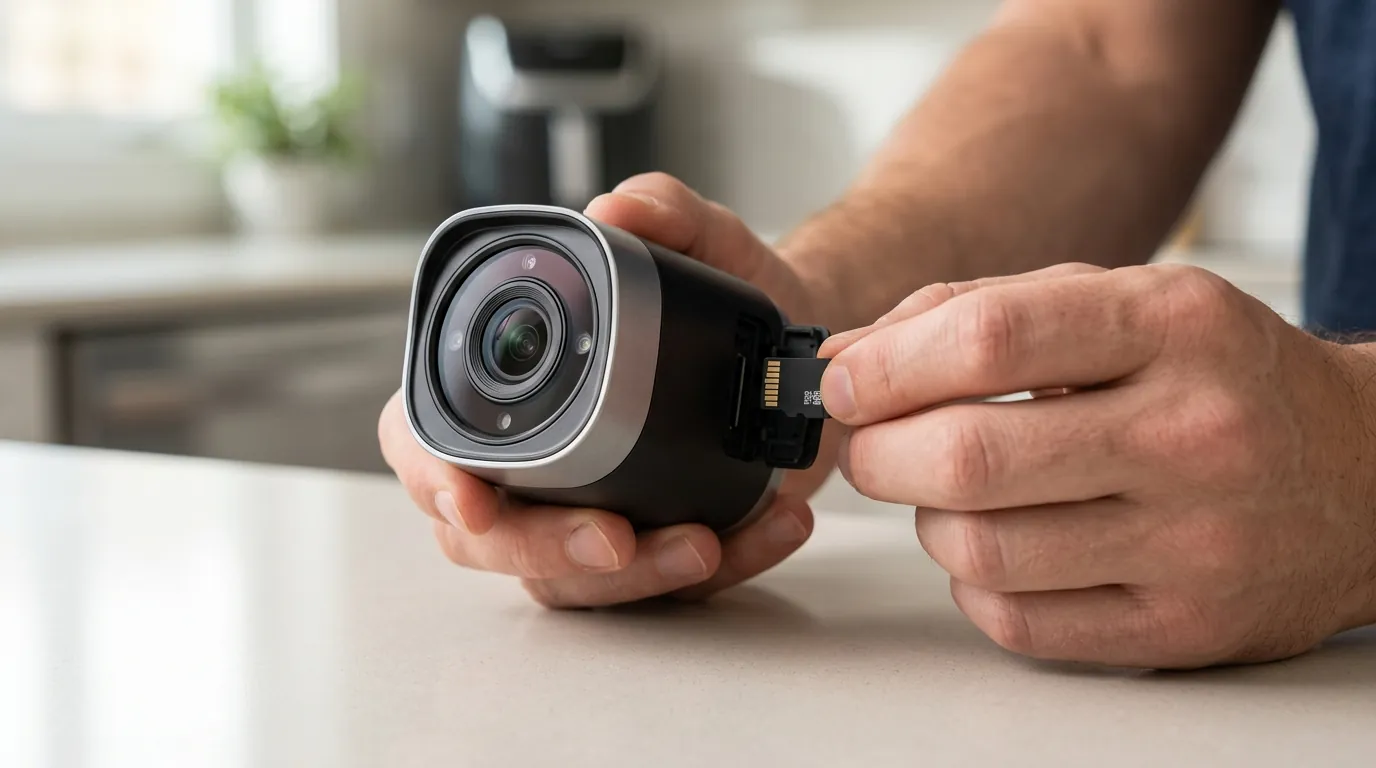
For those looking to delve deeper into optimizing their security camera setup in challenging environments, consider exploring these topics:
- Understanding different battery chemistries for security cameras.
- Tips for optimizing battery life in outdoor security cameras.
- Choosing the right outdoor security camera for extreme climates.
Blink Outdoor 4 Specifications Overview
| Feature | Blink Outdoor 4 | Citation |
|---|---|---|
| Resolution | 1080p HD | |
| Field of View | 143° diagonal | |
| Night Vision | Infrared (IR) | |
| Operating Temp. | -4°F to 113°F (-20°C to 45°C) | |
| Power Source | 2x AA 1.5V non-rechargeable Lithium batteries | |
| Advertised Battery Life | Up to 2 years | |
| IP Rating | IP65 (weather resistant) | |
| Local Storage | Via Blink Sync Module 2 (USB drive, sold separately) | |
| Cloud Storage | Optional Blink Subscription Plan (monthly/annual) | |
| Two-Way Audio | Yes |
Decision Framework: Choosing the Right Setup for Hot Climates
When considering the Blink Outdoor 4 or any outdoor security camera in a hot climate, your specific situation dictates the best approach:
-
If you prioritize maximum battery life and flexibility (no wiring):
- Prioritize: Strategic placement in shaded areas. Consider the Blink Battery Extension Pack to double capacity, but be prepared for more frequent battery changes than advertised.
- Avoid: Direct sunlight exposure at all costs.
-
If you have access to an outdoor power outlet and want minimal battery maintenance:
- Prioritize: Using the Blink Weather Resistant Power Adapter. This converts the camera to continuous power, eliminating battery reliance and mitigating heat’s impact on battery life.
- Consider: Professional installation for discreet wiring if needed.
-
If you need continuous recording or advanced features (person detection, longer clips):
- Prioritize: A Blink Subscription Plan for cloud storage and enhanced features, combined with the Weather Resistant Power Adapter to ensure consistent power for higher usage.
- Understand: These features demand more power, making wired operation almost essential in hot conditions.
-
If budget is a primary concern but you live in a very hot climate:
- Prioritize: The camera’s initial cost, but factor in the recurring expense of non-rechargeable AA lithium batteries.
- Be aware: The “free” aspect of battery-powered operation comes with a hidden cost in high heat.
Total Cost of Ownership (TCO) for Blink Outdoor 4
Understanding the total cost of ownership goes beyond the initial purchase price, especially for battery-powered cameras in challenging environments. Here’s a breakdown over a hypothetical three-year period:
-
Hardware Cost:
- Blink Outdoor 4 Camera: In the $100-150 range per camera.
- Blink Sync Module 2: Often included in multi-camera kits or around $35-50 if purchased separately.
- Optional Blink Battery Extension Pack: Around $30-40.
- Optional Blink Weather Resistant Power Adapter: Around $15-25.
-
Subscription Tier (Optional but Recommended for Full Features):
- Blink Basic Plan (single camera cloud storage): Around $3-5 per month or $30-40 annually.
- Blink Plus Plan (unlimited cameras, cloud storage, extended warranty): Around $10-12 per month or $100-120 annually.
- 3-Year Subscription Cost (Plus Plan example): $300 - $360.
-
Battery Replacement Costs:
- The Blink Outdoor 4 uses two AA 1.5V non-rechargeable lithium batteries. A 12-pack of Energizer Ultimate Lithium AA batteries is typically in the $20-30 range.
- Advertised Life (ideal conditions): 2 years. This means 1 set of batteries every 2 years.
- Realistic Life (extreme heat): Could be 6 months to 1 year, meaning 3-6 sets of batteries over 3 years.
- 3-Year Battery Cost (extreme heat estimate): If batteries last 6 months, you’d need 6 sets (12 batteries total) over 3 years. This could be $60-90 or more per camera. For multiple cameras, this cost escalates significantly.
Example 3-Year TCO for one Blink Outdoor 4 in a hot climate (with Sync Module 2 and Plus Plan):
- Hardware: ~$125 (camera) + ~$40 (Sync Module) = $165
- Subscription (Plus Plan): ~$330 (3 years x $110/year)
- Batteries (assuming 6-month life): ~$75 (3 years / 0.5 year/set = 6 sets; 6 sets x ~$12.50/set of 2)
- Estimated 3-Year TCO: ~$165 (hardware) + ~$330 (subscription) + ~$75 (batteries) = ~$570
This calculation highlights that while the initial camera price might be modest, the ongoing costs of subscription services and accelerated battery replacements in hot climates can significantly increase the overall investment over time.
Frequently Asked Questions
What is the maximum operating temperature for the Blink Outdoor 4 camera?
The Blink Outdoor 4 camera is rated to operate in temperatures ranging from -4°F to 113°F (-20°C to 45°C). While it can function at the upper end of this range, sustained exposure to such heat can negatively impact battery life and performance.
Can I use rechargeable AA batteries in my Blink Outdoor 4 camera?
No, Blink strongly advises against using rechargeable AA batteries. The Blink Outdoor 4 is designed for 1.5V non-rechargeable lithium AA batteries, and rechargeable batteries typically provide a lower voltage (1.2V), which can lead to poor performance, inaccurate battery level readings, and potentially damage the camera.
How does direct sunlight affect my Blink Outdoor 4’s battery life?
Direct sunlight significantly increases the camera’s internal temperature beyond the ambient air temperature, accelerating the chemical degradation of the lithium batteries. This can drastically shorten their lifespan, making strategic placement in shaded areas crucial for maximizing battery longevity.
What are the best ways to extend Blink Outdoor 4 battery life in a hot climate?
To extend battery life in hot climates, place the camera in a shaded location to avoid direct sunlight. Additionally, optimize camera settings by reducing video quality, shortening clip lengths, and lowering motion sensitivity. For continuous power, consider using the Blink Weather Resistant Power Adapter.
Will my Blink Outdoor 4 camera shut down if it gets too hot?
While the camera is designed to operate within its specified temperature range, prolonged exposure to temperatures significantly above 113°F (45°C) can cause performance issues or lead to temporary shutdown to prevent damage. However, the more common outcome in extreme heat within the operating range is accelerated battery drain rather than immediate camera failure.
Sources
- Blinkforhome.com — Blink Outdoor 4
- Blinkforhome.com — Blink Outdoor 4 Camera Specifications
- amazonforum.com — Blink Outdoor 4 Battery Life
- Bestbuy.com — Blink Outdoor 4 (2-Pack)
- Large-battery.com — Understanding Battery Life in Extreme Temperatures
- Vettedhomegear.com — Blink Outdoor 4 Review
- Blinkforhome.com — Using Rechargeable Batteries in Blink Cameras
- Reddit.com — Blink Outdoor 4 Battery Life in Hot Weather
- Homedept.com — Blink Outdoor 4 Camera with Sync Module 2
- Wattcycle.com — How Temperature Affects Battery Life
- Boltenergyusa.com — Lithium Battery Degradation
- Blinkforhome.com — Blink Subscription Plans
- Target.com — Blink Outdoor 4
- Pcmag.com — Blink Outdoor 4 Review
- Amazon.com — Energizer Ultimate Lithium AA Batteries
- Techgearlab.com — Security Camera Placement Tips
- Citylabs.net — Understanding IP Ratings
- Reddit.com — Blink Outdoor 4 in Arizona Heat