
Best Smart Locks for Summer Rental Properties (2026 Guide)
Managing a high-turnover summer rental requires a shift in mindset from “convenience” to “resilience.” In 2026, the best smart locks for vacation properties are no longer judged solely by their apps, but by their ability to survive salt air, withstand 100-degree heat, and maintain a connection when the property’s Wi-Fi inevitably hiccups.
For 2026 summer rentals, the Schlage Encode Plus (Grade 1 security) and Yale Assure Lock 2 (native Airbnb integration) are top picks. For coastal properties, prioritize Matter-over-Thread models to maximize battery life in heat.
What it means
Related: Best Privacy-Focused Smart Home Cameras for 2026: Your Data, Your Cont · EufyCam S3 Pro Solar Charging: Maximize Efficiency for Continuous Powe · Blink Outdoor 4 Battery Life in Extreme Heat: What You Need to Know
In the context of 2026 vacation rentals, “Rental-Grade” hardware has evolved beyond simple remote unlocking. A rental-grade smart lock must facilitate a completely hands-off ecosystem where guest codes are generated, activated, and revoked without the host ever opening an app. This “set-and-forget” requirement separates consumer-grade hardware from professional-grade rental solutions.
The most significant shift in 2026 is the industry-wide transition from Wi-Fi-native locks to Matter-over-Thread. While Wi-Fi locks connect directly to a router, they are notorious for the “dead battery crisis”—where the power-hungry Wi-Fi radio drains four AA batteries in as little as three months during high-occupancy summer weeks. Matter-over-Thread utilizes a low-power mesh network, offloading the heavy lifting to a border router (like an Apple TV, HomePod, or specialized hub). This allows 2026 hardware to achieve battery lifespans of 12 to 18 months, even with multiple daily guests.
Furthermore, hardware durability is categorized by ANSI/BHMA (American National Standards Institute/Builders Hardware Manufacturers Association) grades. For a rental property with high traffic, an ANSI Grade 1 rating—the highest level of residential security—is the gold standard for resisting forced entry and physical wear.
2026 Smart Lock Comparison Table
| Feature | Schlage Encode Plus | Yale Assure Lock 2 | Eufy Video Smart Lock S330 |
|---|---|---|---|
| ANSI/BHMA Grade | Grade 1 (Highest) | Grade 2 (Intermediate) | [Information Unavailable] |
| Primary Protocol | Thread, Wi-Fi, NFC | Thread, Bluetooth, Z-Wave | Wi-Fi (Direct) |
| Native Airbnb Sync | Via 3rd Party (HostTools) | Yes (Direct API) | No (Manual/App) |
| Power Source | 4 AA Batteries | 4 AA Batteries | Rechargeable Li-Ion |
| Emergency Power | Physical Key | 9V Battery Terminal | USB-C Port |
| Weather Rating | IP54 Equivalent | IPX5 | IP65 |
| Price Band | $300 - $350 | $200 - $260 | $300 - $380 |
Data synthesized from Schlage.com, YaleHome.com, and Eufy.com.
Why it exists
The “Lockbox” era is effectively over. In the early 2020s, physical lockboxes were the standard, but they presented two critical failures: security risks (codes were rarely changed) and the “2 AM lockout” call. If a guest loses a physical key at a beach house, the host must either drive to the property or hire an emergency locksmith, often costing more than the smart lock itself.
Security vs. Convenience: The ROI of Keyless Entry
Guest expectations have shifted dramatically. According to 2026 travel industry data, over 90% of US travelers now prefer contactless self-check-in. A smart lock isn’t just a security tool; it is a marketing asset. Listings that feature “Keyless Entry” and “Smart Lock” filters consistently see higher conversion rates on platforms like VRBO.
For the host, the Return on Investment (ROI) is found in operational scaling. A single host or property manager can manage 10 properties across different states from a single dashboard. When a booking is confirmed, the system automatically assigns the last four digits of the guest’s phone number as their entry code, valid only from 3:00 PM on arrival to 11:00 AM on departure. This eliminates the logistical nightmare of manual code management and ensures that previous guests or cleaning crews cannot re-enter the property outside of their scheduled windows.
How it works under the hood
To understand why some locks fail in summer rentals while others thrive, we must look at the “handshake” between the hardware and the software.
Connectivity Protocols: Wi-Fi vs. Thread
In 2026, the primary battle is between Wi-Fi and Thread.
- Wi-Fi: The lock wakes up, connects to the router, sends/receives data, and goes back to sleep. This “wake-up” cycle is power-intensive. In a summer rental where guests may enter and exit 20 times a day, a Wi-Fi lock’s battery life can plummet.
- Thread: Part of the Matter standard, Thread is a self-healing mesh. The lock stays in a low-power state and communicates with a “Border Router” (like a 2026-era smart speaker). This consumes a fraction of the energy, making it the superior choice for remote properties where the host cannot easily swap batteries.
API Handshakes: The Booking-to-Code Process
The automation process follows a specific logic flow:
- Booking Confirmed: The rental platform (Airbnb/VRBO) sends a webhook to the lock’s cloud server (or a middleware like Seam or Jervis Systems).
- Code Generation: The server generates a unique PIN and pushes it to the lock via the local hub.
- Guest Notification: The guest receives the code via the Airbnb app.
- Activation: At the check-in time, the lock moves the code from “Pending” to “Active.”
- Audit Trail: Every time the code is used, a log is sent to the host, providing a “Proof of Presence” for insurance or dispute purposes.
Power Management and Encryption
Modern locks like the Yale Assure 2 include 9V emergency jumpstart terminals. If the internal batteries die, a guest can hold a standard 9V battery to contact points on the exterior to provide enough temporary power to enter their code. On the digital side, 2026 standards require AES-128 encryption and TLS 1.3 for all data transmissions between the lock and the cloud, ensuring that “digital lockpicking” remains a theoretical rather than practical threat.
Real-world implications
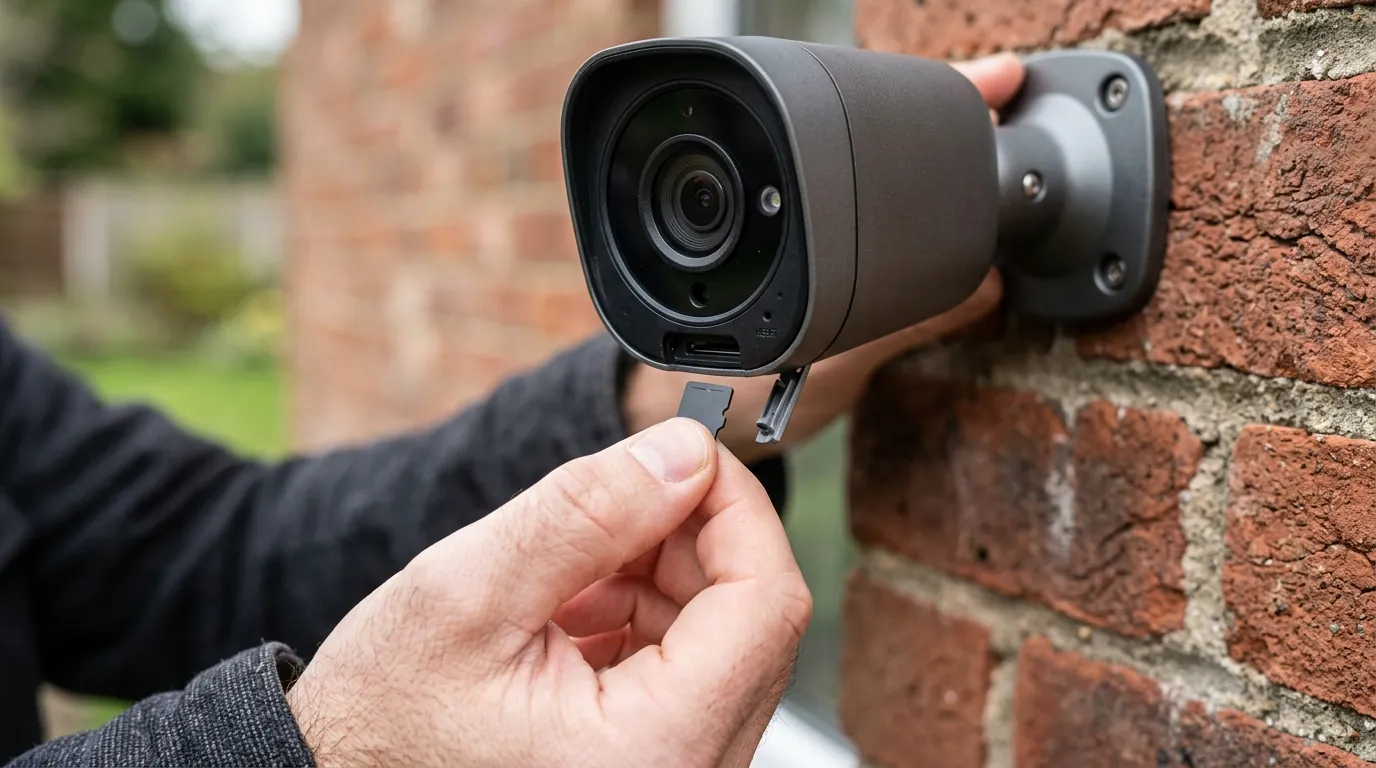
The environment of a summer rental is often hostile to electronics. For properties located within five miles of a coastline, the “Coastal Killer”—a combination of salt-laden air and high humidity—can destroy a standard smart lock in a single season.
The Coastal Killer and Weatherproofing
Salt air causes rapid oxidation on zinc-alloy components and can lead to internal condensation on circuit boards. When shopping for beachfront properties, hosts should look for locks with PVD (Physical Vapor Deposition) finishes and an IP (Ingress Protection) rating of at least IP54.
- IP54: Protected against dust and water splashes from any direction.
- IP65: (Found on the Eufy S330) Protected against low-pressure water jets and total dust ingress.
Battery Drain in Summer Heat
High temperatures accelerate the chemical discharge of both alkaline and lithium batteries. A lock sitting in direct afternoon sun on a 95-degree day can experience “motor strain” if the door frame has expanded due to humidity. This is where DoorSense technology (pioneered by Yale and August) becomes critical. It uses a magnetic sensor to ensure the door is fully closed before the motor attempts to throw the bolt. Without this, the motor may jam against a misaligned strike plate, draining the battery in hours as it repeatedly tries to lock.
Guest Privacy and the Lockout Protocol
While hosts value entry logs, they must balance this with guest privacy. In 2026, transparency is key. Hosts should never use “Video Locks” (locks with built-in cameras) to monitor guest behavior inside the home. Furthermore, every rental should have a “Lockout Protocol.” This includes:
- A secondary smart entry point (e.g., a side door or garage).
- A physical key hidden in a secure, mechanical-code lockbox (like a Master Lock 5401D) for emergency use if the electronics fail entirely.
Common misconceptions
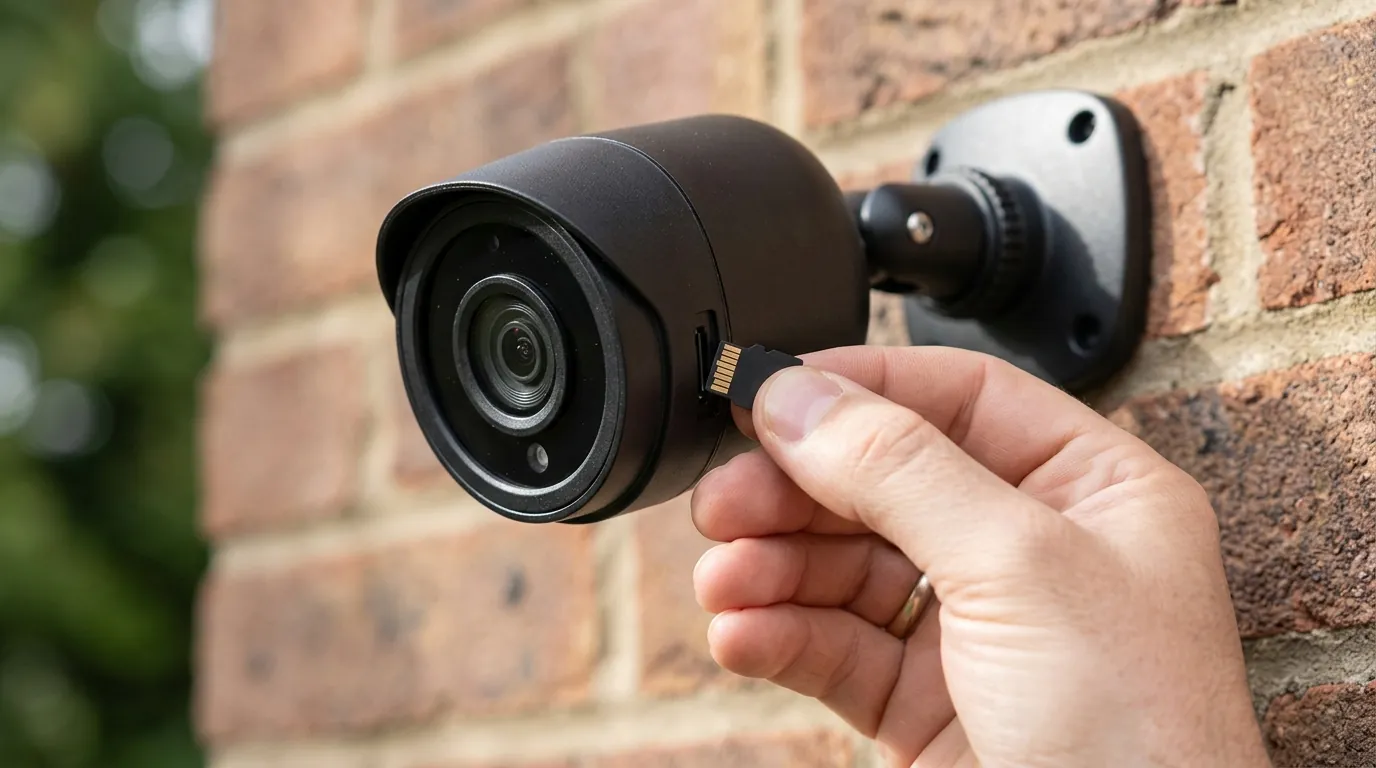
Misconception: “Wi-Fi locks are always easier.”
Reality: While Wi-Fi locks don’t require a hub, they are the most common source of “Offline” notifications. In high-traffic rentals, the frequent battery changes (every 3-4 months) often negate the initial convenience of not buying a hub. Thread-based models are significantly more stable in the long run.
Misconception: “Smart locks are easy to hack.”
Reality: According to FBI Uniform Crime Reporting (UCR) data, the vast majority of residential break-ins occur via forced entry (kicking in the door or prying the frame). A lock’s physical ANSI Grade 1 rating—which tests the bolt’s resistance to hammer blows and prying—is far more important for property protection than its software firewall.
Misconception: “You need a monthly subscription.”
Reality: Many leading 2026 models, including the Schlage Encode Plus and Eufy S330, offer full remote management, code scheduling, and history logs with zero ongoing fees. Subscriptions are typically only required for advanced video storage or third-party professional monitoring.
Misconception: “They work on any door.”
Reality: Door misalignment is the #1 cause of smart lock failure. In older summer cottages, wood doors often swell in the summer humidity. If a guest has to “pull the door tight” to get the bolt to turn, a smart lock motor will eventually burn out or fail to lock. Correcting the strike plate alignment is a mandatory step in any smart lock installation.
Decision Framework: Which Lock for Your Rental?
- If you have a high-end beachfront property: Prioritize the Schlage Encode Plus. Its Grade 1 rating and Thread support make it the most durable and reliable in harsh environments.
- If you manage multiple Airbnbs on a budget: Prioritize the Yale Assure Lock 2. Its native integration with the Airbnb API simplifies code management without requiring third-party middleware.
- If you want a “No-Subscription” security suite: The Eufy Video Smart Lock S330 combines a 2K camera with a deadbolt. It stores footage locally, avoiding the monthly fees associated with Ring or Nest.
- If you cannot change the exterior hardware (Apartment/Condo): The August Wi-Fi Smart Lock (4th Gen) fits over your existing thumbturn, allowing you to keep the original exterior key.
Total Cost of Ownership (3-Year Estimate)
| Cost Component | Schlage Encode Plus (Thread) | Yale Assure 2 (Wi-Fi) | Ring Doorbell + Basic Lock |
|---|---|---|---|
| Hardware | ~$320 | ~$240 | ~$350 (Combined) |
| Hub/Border Router | ~$100 (Apple TV/HomePod) | $0 (Direct Wi-Fi) | ~$60 (Ring Bridge) |
| Subscription (3yr) | $0 | $0 | ~$150 ($50/yr) |
| Batteries (3yr) | ~$30 (2 changes) | ~$90 (8-10 changes) | ~$40 |
| TOTAL 3-YEAR TCO | ~$450 | ~$330 | ~$600 |
Note: While the Yale Wi-Fi has a lower hardware cost, the frequent battery replacements and potential for “Offline” downtime in a rental environment may increase the “hidden” cost of manual maintenance.
Frequently Asked Questions
What happens if the power goes out at my rental?
Most smart locks, including those from Schlage and Yale, operate on local battery power and do not require electricity to function. However, if the power is out, the Wi-Fi/Thread bridge will be down, meaning you cannot remotely add or change codes. Existing codes stored in the lock’s local memory will continue to work.
Do I need to provide a physical key to guests?
While not required, it is highly recommended to have a backup plan. Most hosts keep a physical key in a traditional mechanical lockbox hidden elsewhere on the property. This ensures that if the smart lock’s motor fails or the batteries die unexpectedly, the guest is not stranded.
How do I handle “early check-in” with a smart lock?
If you use an automated system (like Yale’s Airbnb integration), the code is strictly tied to the check-in time. If you grant a guest early access, you must manually update the start time in the lock’s app or provide them with a temporary “Master Code” if your software allows it.
Will salt air ruin my smart lock?
Yes, over time. For coastal rentals, look for locks with a “Satin Chrome” or “Bright Brass” finish, which often feature PVD coatings that resist pitting and corrosion better than “Oil Rubbed Bronze” or “Matte Black” finishes.
Further reading
- Quvii’s Guide to local storage security cameras for Rentals
- Best outdoor cameras for rentals for Vacation Properties (No Subscription)
- Understanding Smart Home Privacy: security camera privacy and Who Owns Your Entry Data?
Sources
- Schlage Encode Plus Specifications — https://www.schlage.com/en/home/smart-locks/encode-plus.html
- Yale Assure Lock 2 Product Page — https://shopyalehome.com/pages/yale-assure-lock-2
- Eufy Security S330 Video Smart Lock
- BHMA Certified Products Directory — https://buildershardware.com/cpd
- The Verge: Matter 1.3 and Smart Lock Standards
- Seam: Connecting Smart Locks to Vacation Rental Platforms