
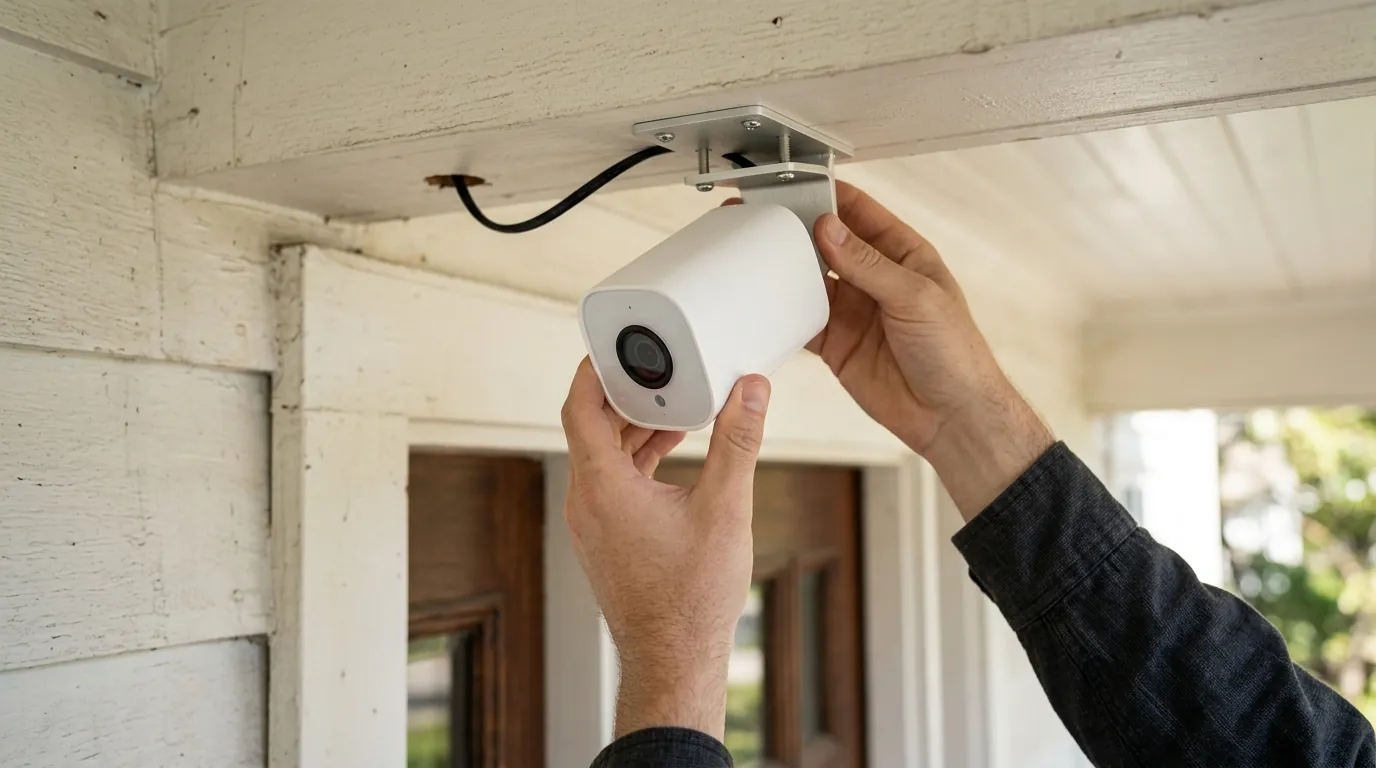
Best Smart Home Security for Summer Travel: 2026 No-Subscription Guide
Reliable home security during a two-week summer vacation no longer requires a monthly line item in your budget or a reliance on corporate cloud servers. In 2026, the transition toward “Local-First” security architecture allows travelers to maintain high-definition oversight of their property with zero subscription fees and significantly reduced privacy risks.
For 2026 summer travel, prioritize solar-powered cameras with local AI and no subscriptions. Top picks: Eufy SoloCam S340 for dual-lens zoom and Reolink Altas PT Ultra for industry-first 24/7 battery recording without fees.
What it means
Related: How to Claim a Wyze Cam v4 Refund: 2026 Process & Policy Guide · eufy SoloCam vs. Ring Solar: The 2026 No-Subscription Guide · How to Install PoE Security Cameras: A Step-by-Step Guide (2026)
In the context of 2026 smart home technology, “travel-ready” security refers to systems engineered for total autonomy during 14-to-30-day absences. Unlike early-generation Wi-Fi cameras that required frequent battery swaps or constant “hand-holding” via app reboots, modern travel-ready systems are defined by three pillars: energy independence, edge-based intelligence, and local data redundancy. The goal is to eliminate “battery anxiety” and the risk of a system going dark due to a cloud provider outage while you are thousands of miles away.
The 2026 Definition of “Wire-Free”
The term “wire-free” has evolved. In 2026, it implies more than just the absence of a power cord; it signifies a camera capable of “infinite power” through high-efficiency solar harvesting. Current standards for mid-to-high-end outdoor cameras, such as the Eufy SoloCam S340, now include integrated or detachable solar panels with a minimum 2.2W to 5W rating. This ensures that even during a week of summer thunderstorms, the internal lithium-ion or LiFePO4 batteries remain sufficiently charged to handle high-traffic monitoring. Furthermore, Wi-Fi 6 and 6E integration has become the baseline for 2026 hardware, providing the range and penetration necessary to maintain a stable 4K stream from a backyard fence to an indoor router.
Subscription-Free vs. Cloud-Dependent Systems
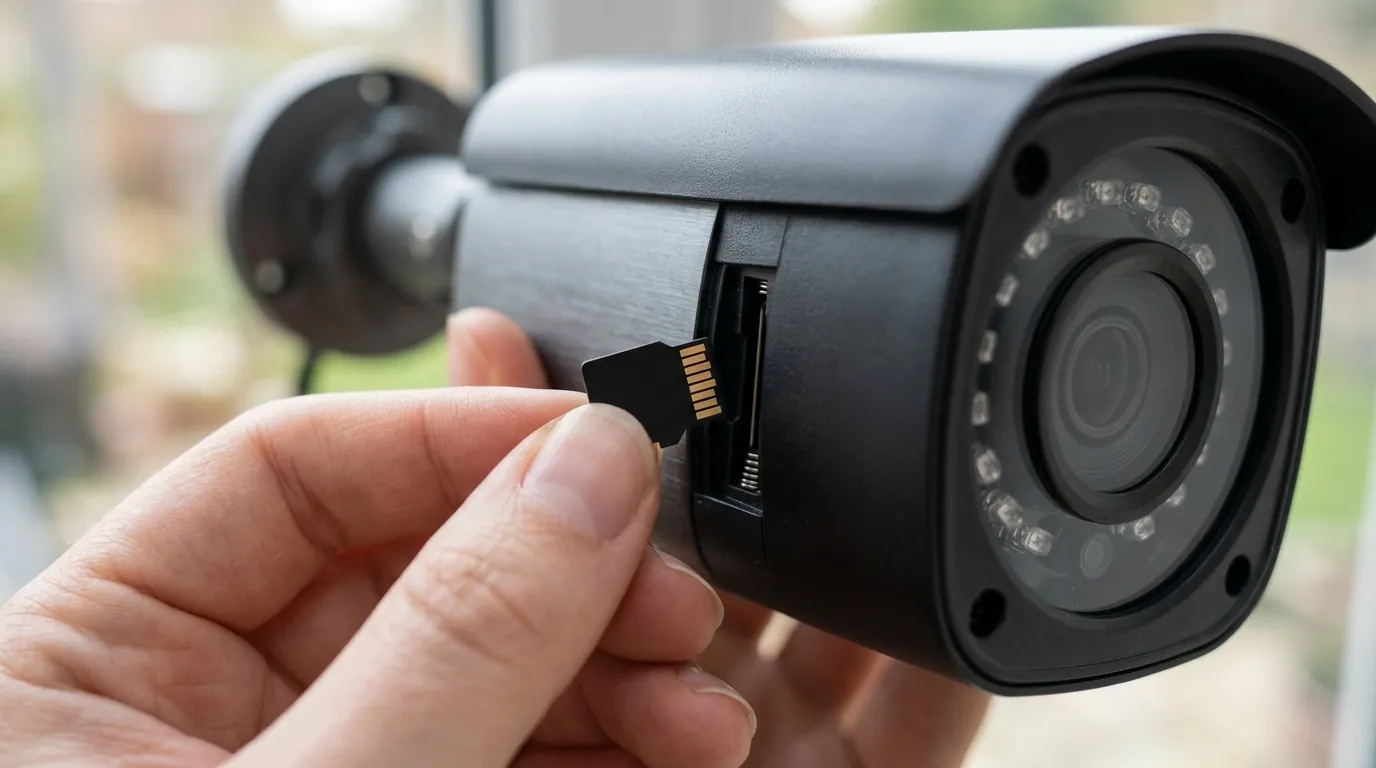
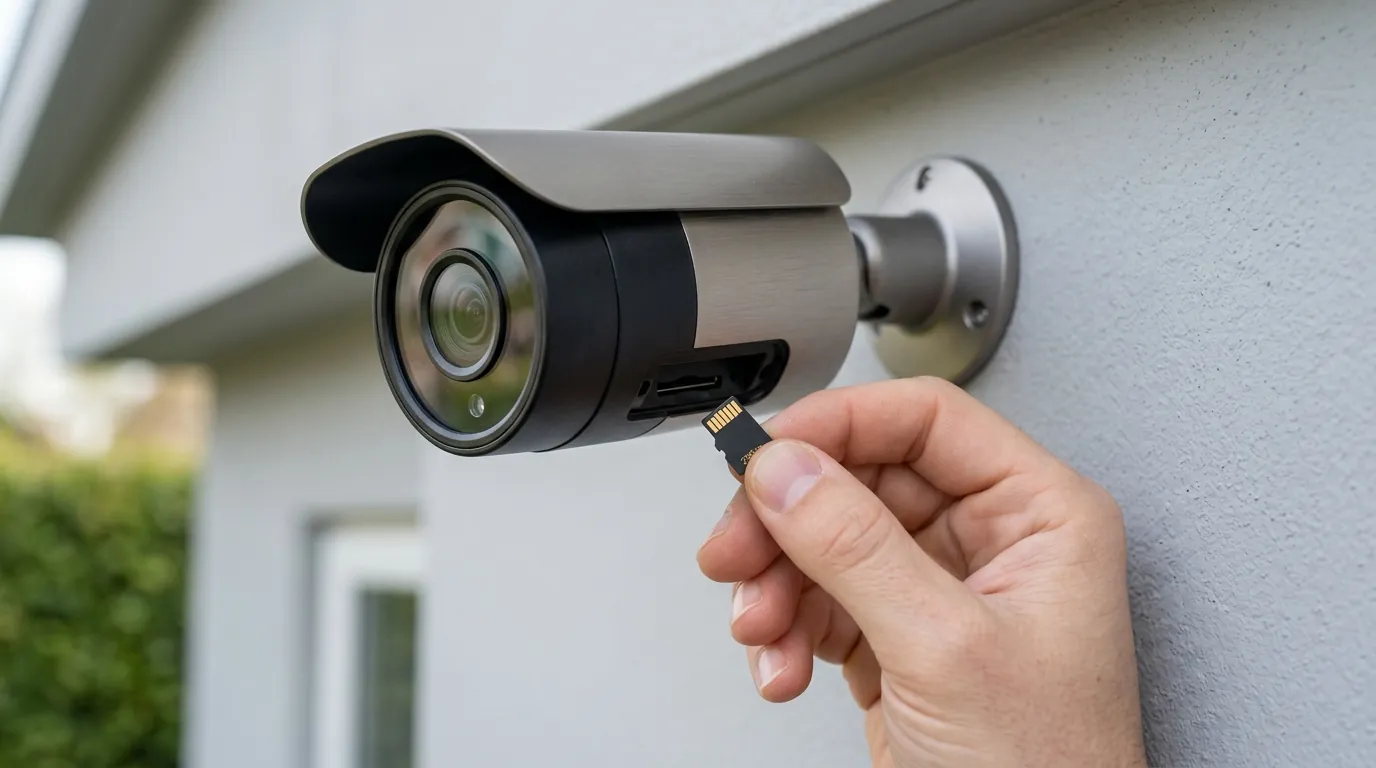
The 2026 market has bifurcated into two distinct philosophies. Cloud-dependent systems (like Ring and Nest) store footage on remote servers, often locking essential features like “Person Detection” or “Rich Notifications” behind a monthly paywall. Conversely, “Local-First” systems (like those from Reolink and TP-Link Tapo) perform all AI processing on the device itself. These systems store encrypted footage on high-end microSD cards or an indoor hub. For the summer traveler, this means that even if the home’s internet connection is severed, the cameras continue to detect, deter, and record intruders locally.
2026 Travel-Ready Camera Comparison
| Feature | Eufy SoloCam S340 | Reolink Altas PT Ultra | TP-Link Tapo C425 | Reolink Argus 4 Pro |
|---|---|---|---|---|
| Resolution | 3K (Dual Lens) | 4K UHD | 2K QHD | 4K UHD |
| Field of View | 360° Pan/Tilt | 360° Pan/Tilt | 150° Fixed | 180° Wide (Dual) |
| Storage | 8GB Local / HomeBase 3 | microSD (up to 512GB) | microSD (up to 512GB) | microSD (up to 128GB) |
| Power | Integrated Solar | 20,000mAh + Solar | 10,000mAh + Solar | 5,000mAh + Solar |
| 24/7 Recording | No (Event-only) | Yes (Continuous) | No (Event-only) | No (Event-only) |
| Matter Support | Via HomeBase 3 | Matter 1.4+ | Matter 1.2+ | Matter 1.4+ |
| Price Band | $150–200 | $200–250 | Under $100 | $150–200 |
Why it exists
The surge in demand for no-subscription security is a direct response to “subscription fatigue.” By early 2026, major security vendors increased their basic monitoring tiers to the $10–$20 per month range, leading many US households to realize they were paying upwards of $200 annually just to access hardware they already owned.
The Rising Cost of the “Cloud Tax”
The “Cloud Tax” refers to the mandatory ongoing costs required to make a camera functional. In 2026, brands like Arlo and Ring have migrated almost all advanced detection features (AI filtering for pets vs. people) to their subscription tiers. For a homeowner traveling for three months over the summer, this recurring cost provides diminishing returns compared to one-time-purchase hardware that includes these features “on the box.”
Privacy as a Security Feature
Privacy is no longer just a policy preference; it is a technical requirement for many 2026 consumers. High-profile incidents involving unauthorized access to cloud footage and the sharing of data with law enforcement without warrants have pushed users toward local storage. When footage is stored on a Reolink Altas PT Ultra or a Eufy HomeBase 3 inside the home, the homeowner retains physical and legal “keys” to that data. This architecture ensures that sensitive interior or entryway footage is never sitting on a third-party server vulnerable to a breach.
How it works under the hood
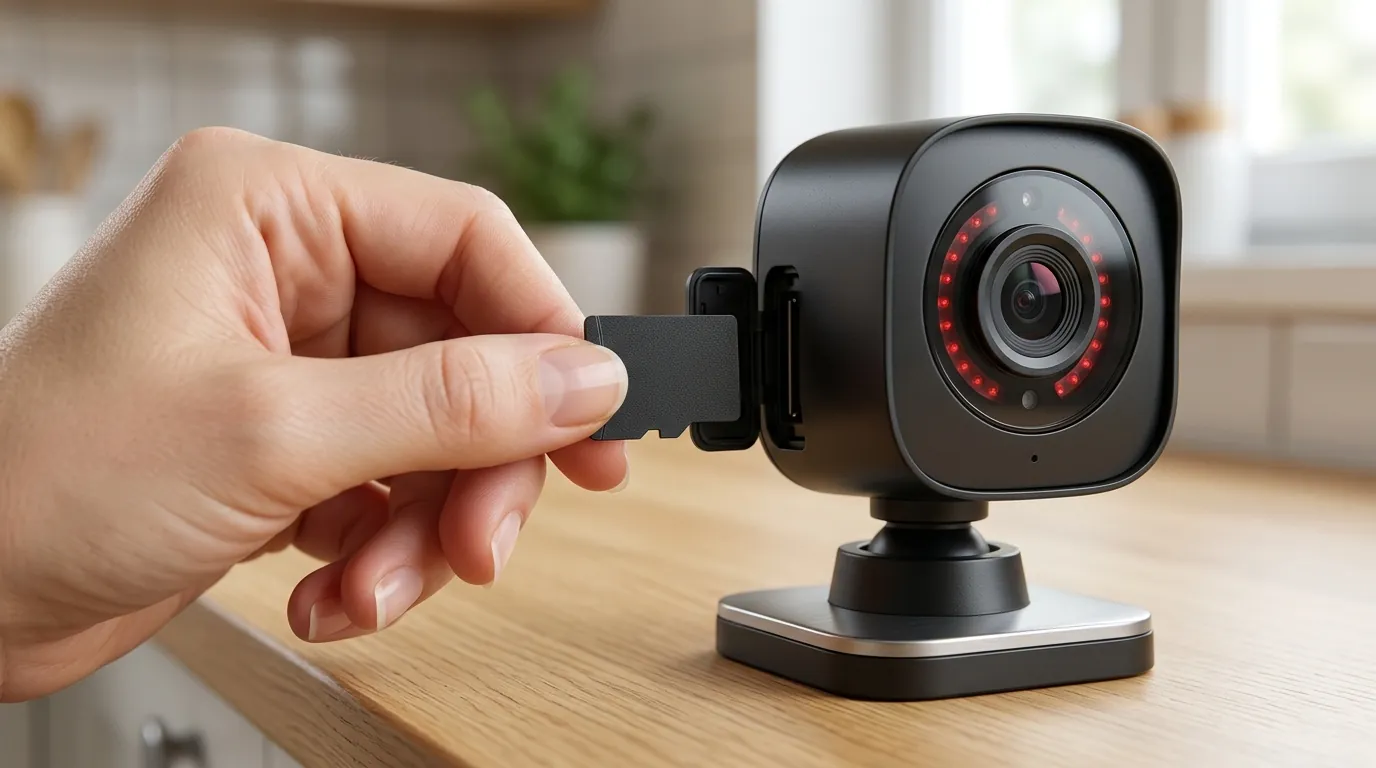
Modern 2026 security cameras are essentially high-performance computers optimized for computer vision. The shift from cloud to local is made possible by the integration of dedicated Neural Processing Units (NPUs) within the camera’s SoC (System on a Chip).
Local AI: The Death of the Cloud Brain
In 2024 and 2025, AI detection often required the camera to send a low-resolution “thumbnail” to a cloud server, which would analyze the image and send a notification back to the user. This introduced latency and required a constant internet connection. In 2026, cameras like the TP-Link Tapo C425 use on-device NPUs to analyze 4K frames in real-time. This allows the camera to distinguish between a neighbor’s cat and a package thief in milliseconds, triggering a siren or spotlight before the intruder even reaches the porch.
Matter 1.5 and the Unified Smart Home
The 2026 release of Matter 1.5/1.6 has standardized how security cameras communicate with the rest of the home. Previously, a Reolink camera could not easily talk to a Philips Hue light without a complex third-party bridge. Under Matter 1.5, a camera-detected motion event can natively trigger a “Vacation Routine”—turning on smart lights in the living room and playing audio on a smart speaker to simulate occupancy—regardless of the brands involved.
Power Management in the Summer Sun
Energy harvesting has seen a significant leap. 2026 solar panels use high-efficiency monocrystalline cells that can generate sufficient wattage even in partial shade. For example, the Reolink Altas PT Ultra utilizes a massive 20,000mAh battery paired with optimized firmware that allows it to record 24/7—a feat previously impossible for battery cameras. This is achieved by using “pre-roll” buffers and low-power image sensors that consume minimal energy during standby.
Real-world implications
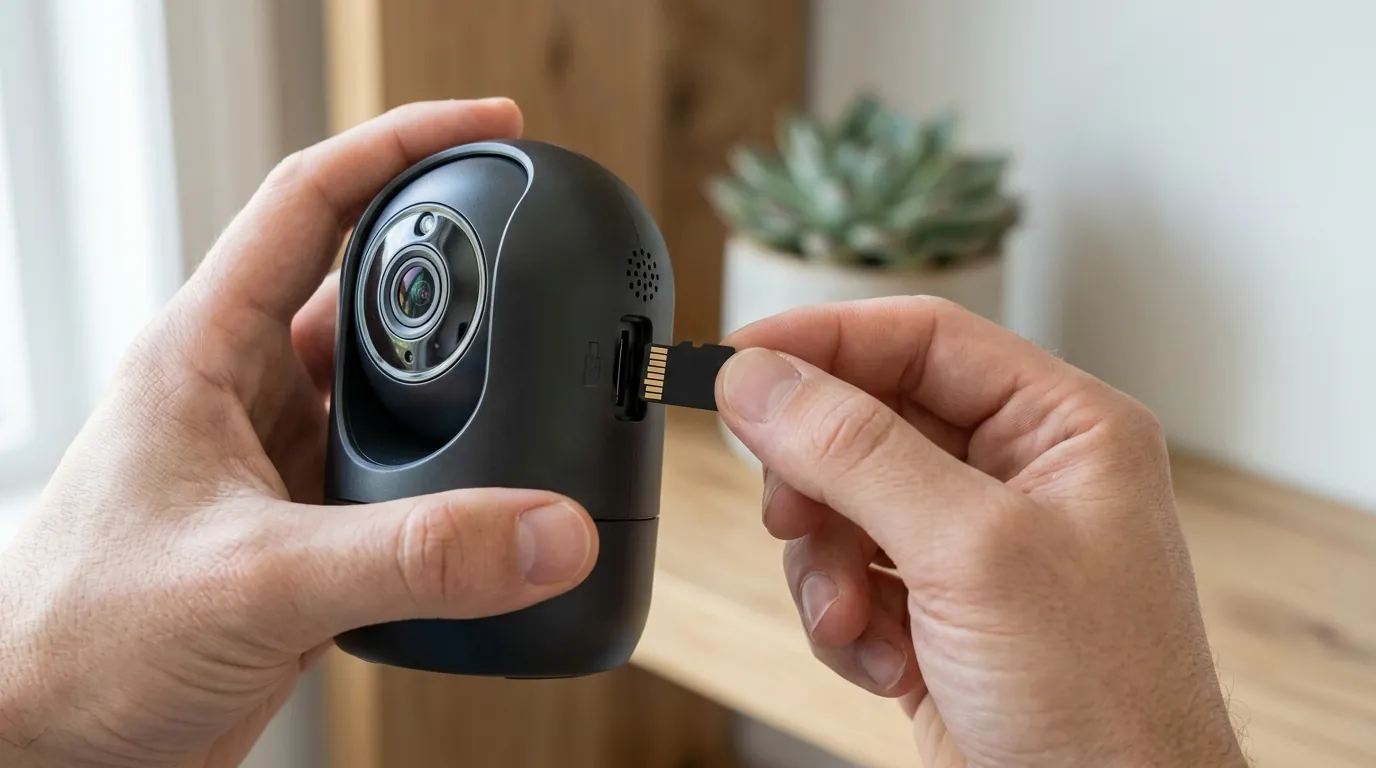
Choosing a no-subscription, local-storage system changes the operational reality of home security, particularly regarding reliability and long-term costs.
The “Internet-Down” Security Test
A common failure point during summer travel is a home router freezing or a service provider outage caused by heat or storms. In a cloud-dependent system, the camera becomes a “brick” during the outage, failing to record any events. A local-storage system continues to operate. If a burglary occurs while the internet is down, the footage is safely recorded to the internal microSD card or HomeBase, ready for review once you return or the connection is restored.
Calculating Your Long-Term ROI
The Total Cost of Ownership (TCO) is the most critical metric for the 2026 buyer. While a “subscription-free” camera may have a higher upfront cost, the 3-year savings are substantial.
3-Year TCO Comparison (Estimated 2026 Prices):
- Subscription Brand (e.g., Ring/Arlo): $150 (Hardware) + $180/year (Subscription) = $690
- Local-First Brand (e.g., Eufy/Reolink): $200 (Hardware) + $40 (High-end 512GB SD Card) = $240
- Total Savings: $450 per camera over three years.
Deterrence vs. Documentation
Travelers often focus on recording a crime, but 2026 systems focus on deterrence. Features like “Active Deterrence” use the local AI to identify a human lingering for more than 30 seconds and automatically trigger a voice prompt (“You are being monitored”) or a strobing light. This proactive approach can prevent a break-in from occurring, which is far more valuable than high-quality footage of a masked intruder already inside the home.
Decision Framework: Which System Fits Your Summer?
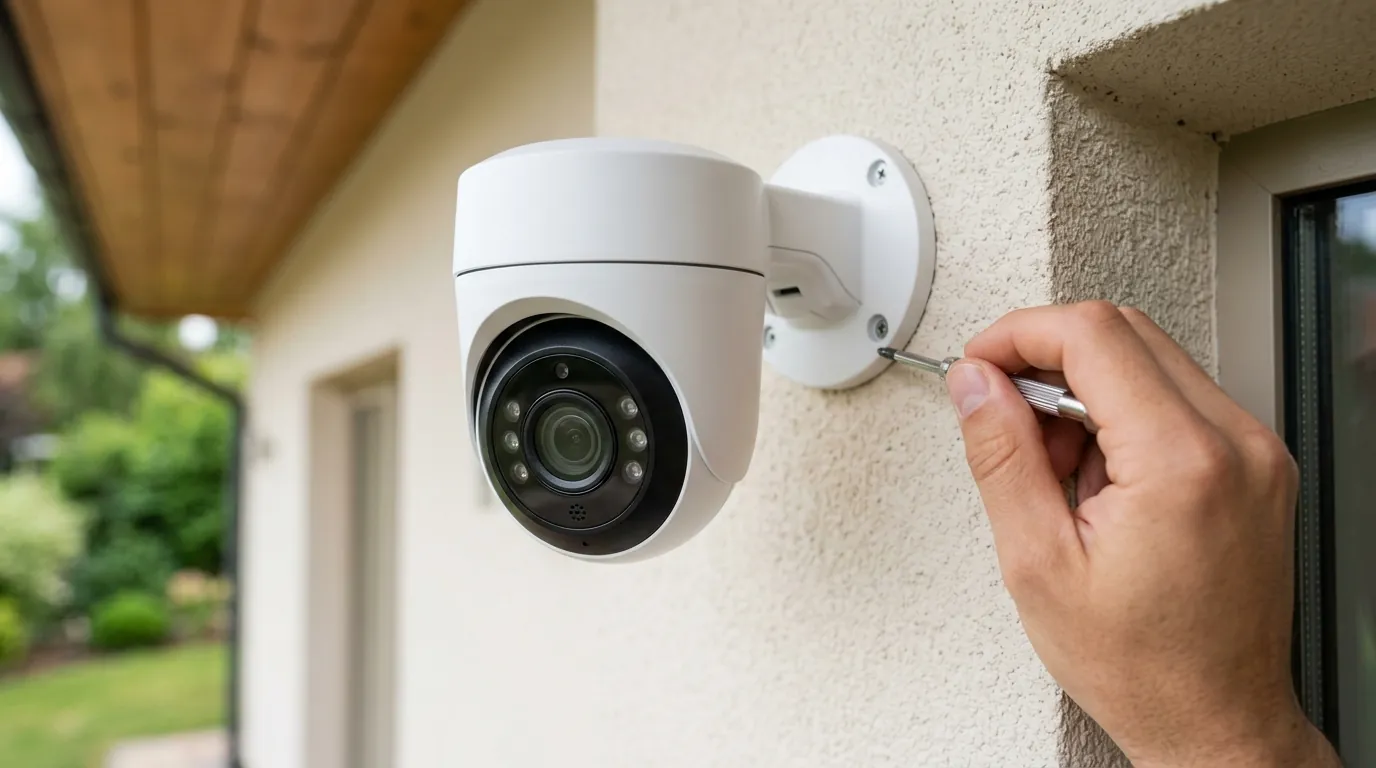
- If you are a Renter: Prioritize the TP-Link Tapo C425. Its magnetic mount allows for damage-free installation, and its local AI is highly rated for filtering out hallway traffic from actual door approaches.
- If you have a Large Property: Prioritize the Reolink Argus 4 Pro. Its 180-degree field of view uses dual lenses to eliminate “fish-eye” distortion, allowing one camera to cover a wide backyard that would normally require two.
- If you want 24/7 Peace of Mind: Prioritize the Reolink Altas PT Ultra. It is the only battery-powered model in 2026 that supports continuous recording, ensuring you don’t miss the seconds before a motion sensor is triggered.
- If you want a Multi-Camera Hub: Prioritize the Eufy SoloCam S340 with HomeBase 3. The HomeBase 3 provides expandable storage (up to 16TB) and centralizes the AI for all connected cameras, keeping your data off the cloud but accessible via the app.
Common misconceptions
The “No-Cloud, No-Access” Myth
A frequent misunderstanding is that without a subscription, you cannot view your cameras while away. This is false. In 2026, almost all local-storage brands use P2P (Peer-to-Peer) technology to “tunnel” a secure connection from your phone directly to your camera. Whether you are in London or Los Angeles, you can view live 4K feeds and playback recorded clips for free, provided your home system has an internet connection.
The Truth About Battery Life and 24/7 Recording
Until recently, battery cameras only recorded when they “felt” motion. This often led to missed events if the sensor was slow to wake up. As of 2026, models like the Altas PT Ultra have solved this through high-capacity batteries and ultra-low-power chipsets. However, for most users, “Event-Based” recording is still the most efficient choice for summer travel, as it extends the hardware lifespan and simplifies the review of footage.
Frequently Asked Questions
Can I still get phone notifications if I don’t pay for a subscription?
Yes. Basic motion and AI-categorized notifications (Person, Vehicle, Pet) are standard features on no-subscription brands like Eufy, Reolink, and Tapo in 2026. You do not need a monthly plan to receive a push alert on your phone while traveling.
What happens if a thief steals the camera itself?
If the camera uses only an internal microSD card, the footage goes with the thief. To prevent this, look for systems that sync to an indoor hub, such as the Eufy HomeBase 3 or a Reolink NVR. These devices stay hidden inside your home and record the footage even if the outdoor camera is destroyed or stolen.
Do I need a special microSD card for 4K travel security?
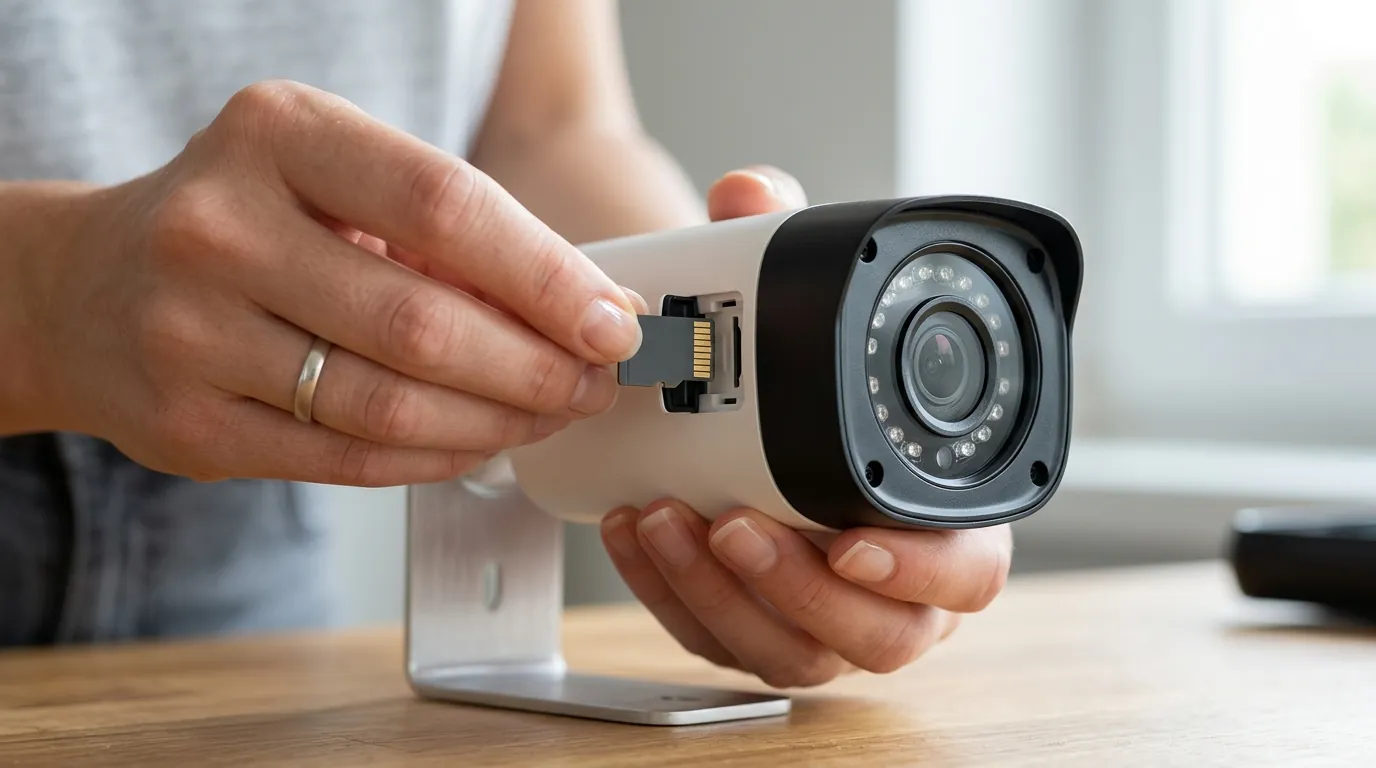
Yes. For 4K recording, especially in summer heat, you should use “High Endurance” microSD cards rated for UHS Speed Class 3 (U3) and Video Speed Class 30 (V30). These are designed for continuous overwrite cycles and can withstand the higher temperatures found in outdoor camera housings.
Will the solar panel work if it’s cloudy for several days?
Most 2026 solar cameras are designed to operate for 3 to 6 months on a single charge with average motion triggers. The solar panel acts as a “trickle charger.” Even a few hours of overcast light can provide enough energy to offset several days of standard monitoring.
Sources
- Eufy Security — https://www.eufy.com/products/t81701w1
- Reolink Altas PT Ultra Product Page — https://reolink.com/product/altas-pt-ultra/
- TP-Link Tapo C425 Specifications — https://www.tapo.com/us/product/smart-camera/tapo-c425/
- Matter Smart Home Standards — https://csa-iot.org/all-solutions/matter/
- RTINGS Security Camera Reviews