
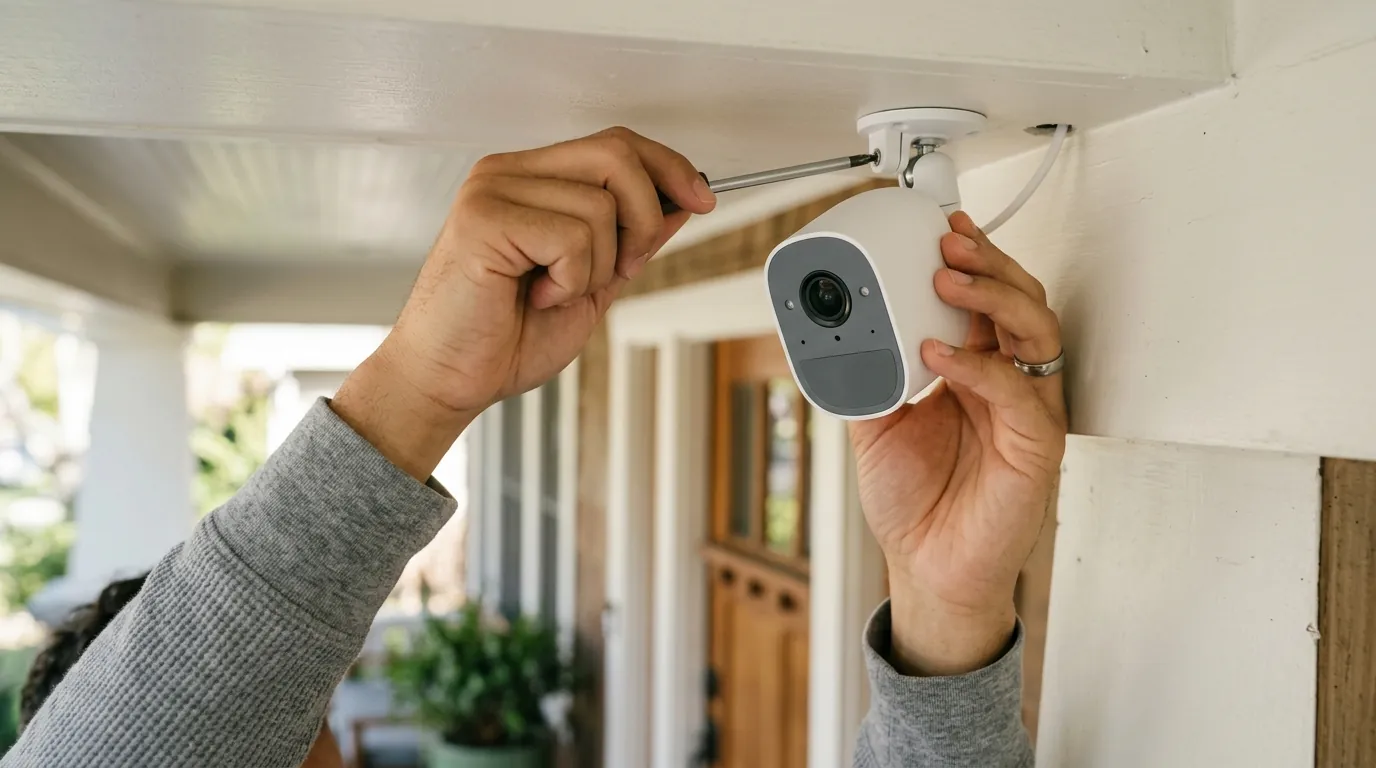
Best Smart Home Motion Detectors for Security: 2026 Guide
Effective motion detection in 2026 has transitioned from simple “on/off” triggers to sophisticated spatial awareness, utilizing radar and edge-based artificial intelligence to eliminate the nuisance of false alarms.
Quick Answer: For 2026, the best security motion detectors utilize mmWave (like the Aqara FP2) for presence sensing or dual-tech PIR/AI for outdoor cameras. Look for Matter-over-Thread support to ensure local, subscription-free speed and cross-brand interoperability.
What it means
Related: Eufy vs. Wyze: 2026 Budget Security Camera Comparison · Best Smart Locks for Summer Travel 2026: Secure Your Home · Best Wireless Security Cameras for Renters 2026: No-Drill & No-Sub
The landscape of motion detection has diverged into two distinct categories: simple movement detection and true “presence” sensing. A traditional “dumb” sensor, typically using Passive Infrared (PIR) technology, only knows if something warmer than the background moved across its field of view. In contrast, a 2026 “smart” motion detector uses high-frequency radar or local computer vision to understand what is moving and where it is located within a room.
The most significant shift in 2026 is the maturity of “occupancy” and “presence” sensing. While a motion sensor might turn off the lights if you sit still on a sofa, a presence sensor—utilizing Millimeter Wave (mmWave) radar—detects the micro-movements of human breathing. This ensures the security system remains “armed” and aware even when residents are stationary.
Defining Presence vs. Motion
Motion detection is transient; it captures the act of moving. Presence sensing is state-based; it captures the fact of being there. For security, this distinction is vital. A motion sensor might trigger an entry alert, but a presence sensor can confirm if an intruder is still hiding in a room, even if they remain perfectly still.
The Role of Local Processing
In 2026, the baseline for a “prosumer” security setup is local processing via Matter-over-Thread. By moving the logic from the cloud to a local Border Router (like an Apple HomePod, Google Nest Hub, or a dedicated Home Assistant SkyConnect), the latency between “motion detected” and “siren activated” has dropped from seconds to milliseconds. This local-first approach also ensures that if your internet connection is cut by an intruder, your internal sensors still trigger your local alarms and cameras.
Comparison: Motion Detection Technologies (2026 Standards)
| Technology | Primary Use Case | Accuracy (False Positives) | Power Draw | 2026 Market Status |
|---|---|---|---|---|
| PIR (Passive Infrared) | Battery cameras, outdoor floodlights | Moderate (High in wind/heat) | Ultra-Low | Standard / Legacy |
| mmWave (Radar) | Indoor occupancy, precision zones | High (Immune to heat/wind) | Medium (Usually wired) | High-End / Preferred |
| AI-Pixel (Camera) | Exterior perimeter, human/vehicle ID | High (Software dependent) | High (Requires NVR/CPU) | Mainstream (Reolink/Eufy) |
| Ultrasonic | Commercial hallways, hard surfaces | Moderate (Sensitive to air) | Low | Niche / Industrial |
Why it exists
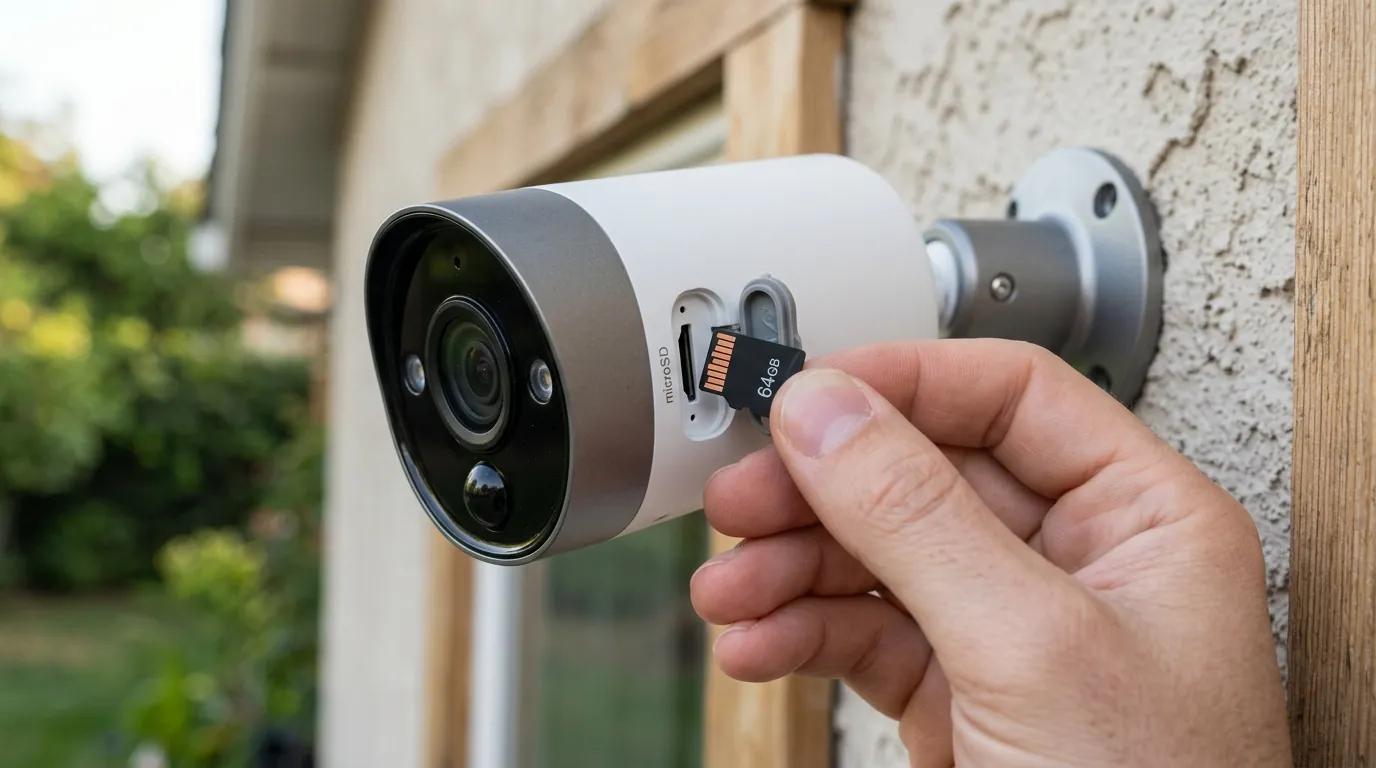
The primary driver behind the evolution of motion detectors is “Notification Fatigue.” Early smart home adopters were plagued by constant pings on their smartphones caused by a swaying tree branch or a neighborhood cat. Smart motion detectors exist to filter the “noise” of the environment so that a notification actually signifies a security event.
The Death of the False Positive
Advanced sensors now use “zone-based” detection. Instead of monitoring a whole yard, a user can draw a digital box around a window or a tool shed. Modern mmWave sensors, such as those compliant with Matter 1.4 specifications, allow for “interference zones.” You can program the sensor to ignore a ceiling fan or a robotic vacuum while remaining hyper-sensitive to the area around your safe or gun cabinet.
Privacy-Centric Security Layers
There is a growing demand for “camera-free” security in sensitive areas. Many homeowners are uncomfortable with cameras in bedrooms, bathrooms, or nurseries. mmWave sensors provide a solution: they can detect a fall, an intruder, or an unauthorized presence using radar dots rather than identifiable video frames. This allows for high-level security monitoring without the privacy risks associated with cloud-connected cameras.
Latency Benchmarks by Protocol (2026 Data)
Speed is security. If a motion sensor takes three seconds to wake up a camera, the intruder’s face may already be out of frame.
- Thread (Matter): ~40ms – 80ms (Near-instant triggers)
- Zigbee 3.0: ~100ms – 250ms (Reliable, requires hub)
- Wi-Fi (Cloud-based): 800ms – 2,500ms (Noticeable lag, prone to interference)
- Bluetooth LE: 500ms – 1,500ms (Short range, slow wake-up)
How it works under the hood
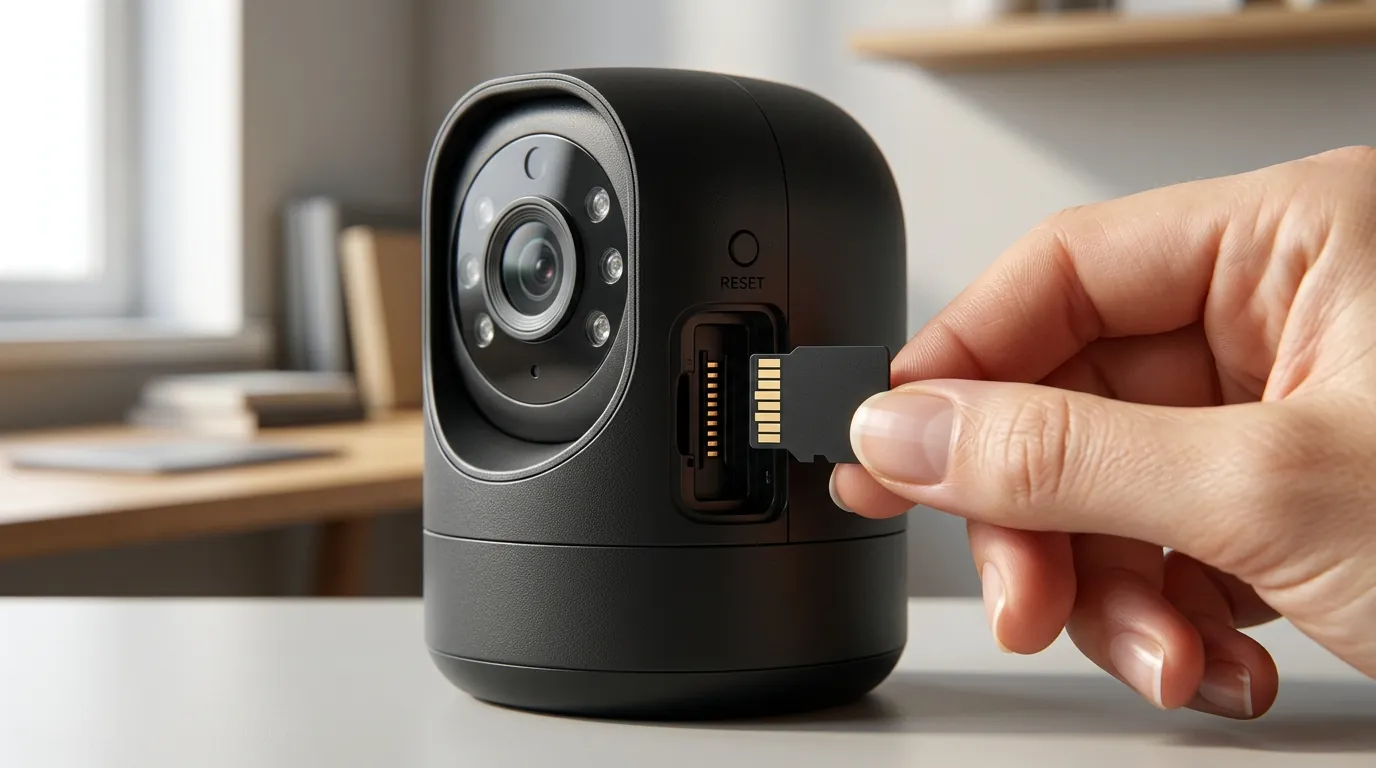
Understanding the physics of these sensors allows for better placement and fewer hardware failures.
The Physics of PIR
Passive Infrared sensors do not “emit” anything. They are passive. They look for changes in infrared radiation (heat). The front of a PIR sensor is covered by a Fresnel lens, which divides the field of view into multiple “fingers” or zones. When a heat source moves from one zone to another, the sensor generates a voltage pulse. This is why PIR sensors are most effective when someone walks across their field of vision rather than directly toward them.
mmWave and the 60GHz Revolution
Modern sensors like the Aqara FP2 operate on the 60GHz to 77GHz spectrum. These devices emit low-power radio waves that bounce off objects and return to the sensor. By measuring the “Time of Flight” and the phase shift of the returning waves, the sensor can calculate the exact distance, speed, and even the posture of a human being. Unlike PIR, mmWave can see through thin drywall, plywood, and glass, though this can occasionally lead to “ghost” detections if not calibrated correctly.
Edge AI: Processing Motion Locally
Cameras from brands like Reolink and Eufy have moved away from simple pixel-change detection. They now utilize on-device Neural Processing Units (NPUs). When the camera sees movement, the NPU compares the shape against millions of pre-loaded models of humans, vehicles, and pets. This “Edge AI” happens on the camera itself, meaning no video needs to be sent to the cloud for analysis, which improves both speed and privacy.
Decision Framework: Which Sensor for Which Scenario?
| If you are… | Prioritize this technology | Why? |
|---|---|---|
| A Renter | Matter-over-Thread PIR | Battery-powered, no hub required, easy to move. |
| A Homeowner | mmWave (Wired) | Permanent precision; eliminates false alarms in high-traffic areas. |
| Monitoring Outdoors | AI-Integrated Cameras | Distinguishes between a burglar and a swaying bush. |
| Privacy-Conscious | Standalone mmWave | Provides “presence” data without any video feed. |
Real-world implications
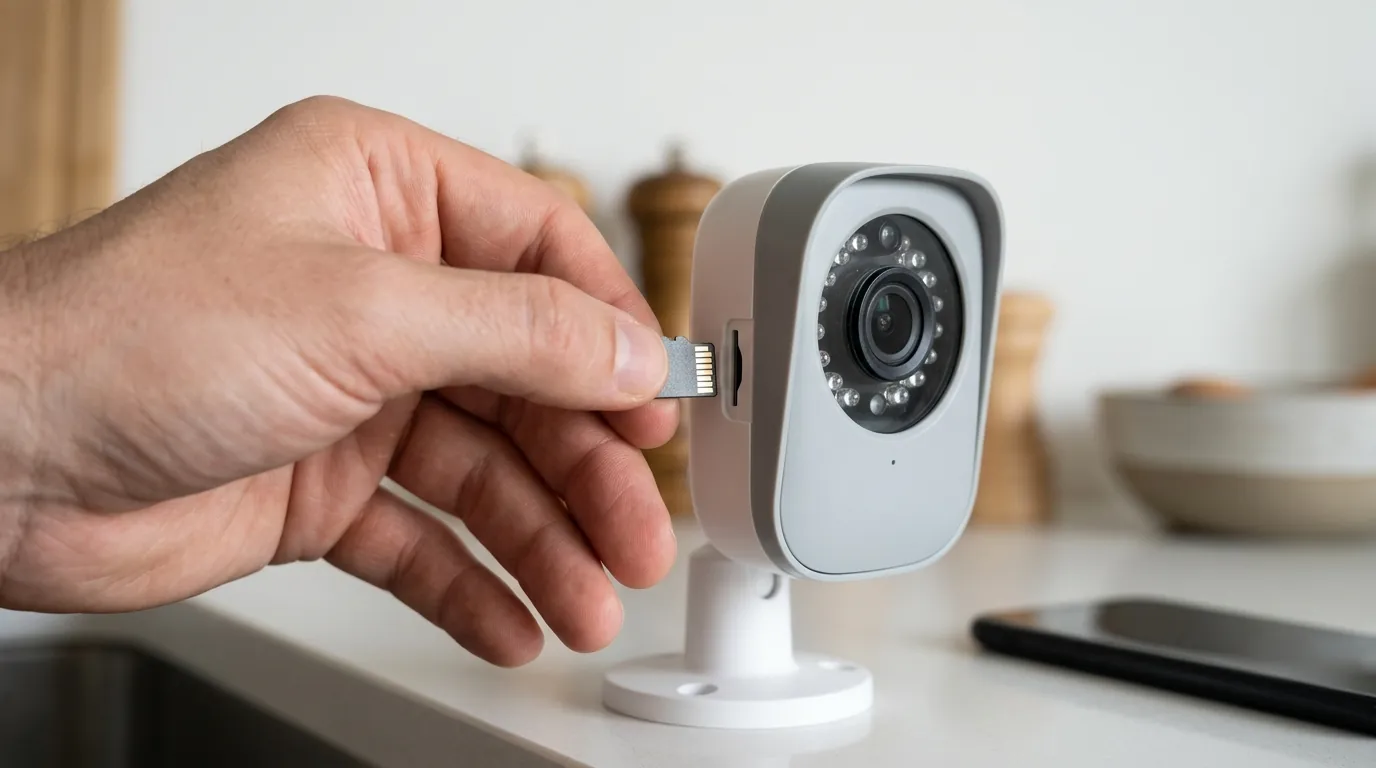
The “sticker price” of a motion detector is rarely the total cost of ownership. In 2026, the industry has shifted heavily toward feature-locking, where the hardware you buy only performs at 50% capacity unless you pay a monthly fee.
The Subscription Trap
Brands like Ring, Arlo, and Nest often lock “Advanced Motion Detection” (such as person vs. animal filtering) behind a subscription. If you stop paying, your “smart” sensor reverts to a “dumb” PIR sensor that pings you every time a moth flies past.
3-Year Total Cost of Ownership (TCO) Comparison:
| Brand/Model | Hardware Cost (MSRP Band) | Monthly Sub (Req. for AI) | 3-Year Total Cost |
|---|---|---|---|
| Ring Alarm Motion | Under $50 | $5 - $10 | ~$230 - $410 |
| Arlo Essential | Around $100 | $13 - $18 | ~$560 - $740 |
| Aqara FP2 (Matter) | $80 - $100 | $0 | ~$90 |
| Eve Motion (Thread) | Around $50 | $0 | ~$50 |
Note: Costs are estimates based on 2026 subscription tiers for single-camera/sensor setups.
Strategic Placement for Maximum Coverage
- PIR Placement: Mount at 7–8 feet. Avoid facing windows or HVAC vents, as sudden temperature changes (sunlight hitting a floor or an AC kicking on) can trigger a false alarm.
- mmWave Placement: Can be mounted lower or even hidden behind furniture. However, avoid placing them facing large mirrors or metal surfaces, which reflect radar waves and create “multipath” errors (seeing people where they aren’t).
Breaking the Ecosystem Lock-in
The 2026 standard is Matter. A Matter-certified motion sensor from Eve can trigger a light bulb from Philips Hue and a recording on a local NVR (Network Video Recorder) without either brand “talking” to each other’s clouds. This interoperability prevents “ecosystem lock-in,” where you are forced to buy inferior sensors just because they match your existing camera brand.
Common misconceptions
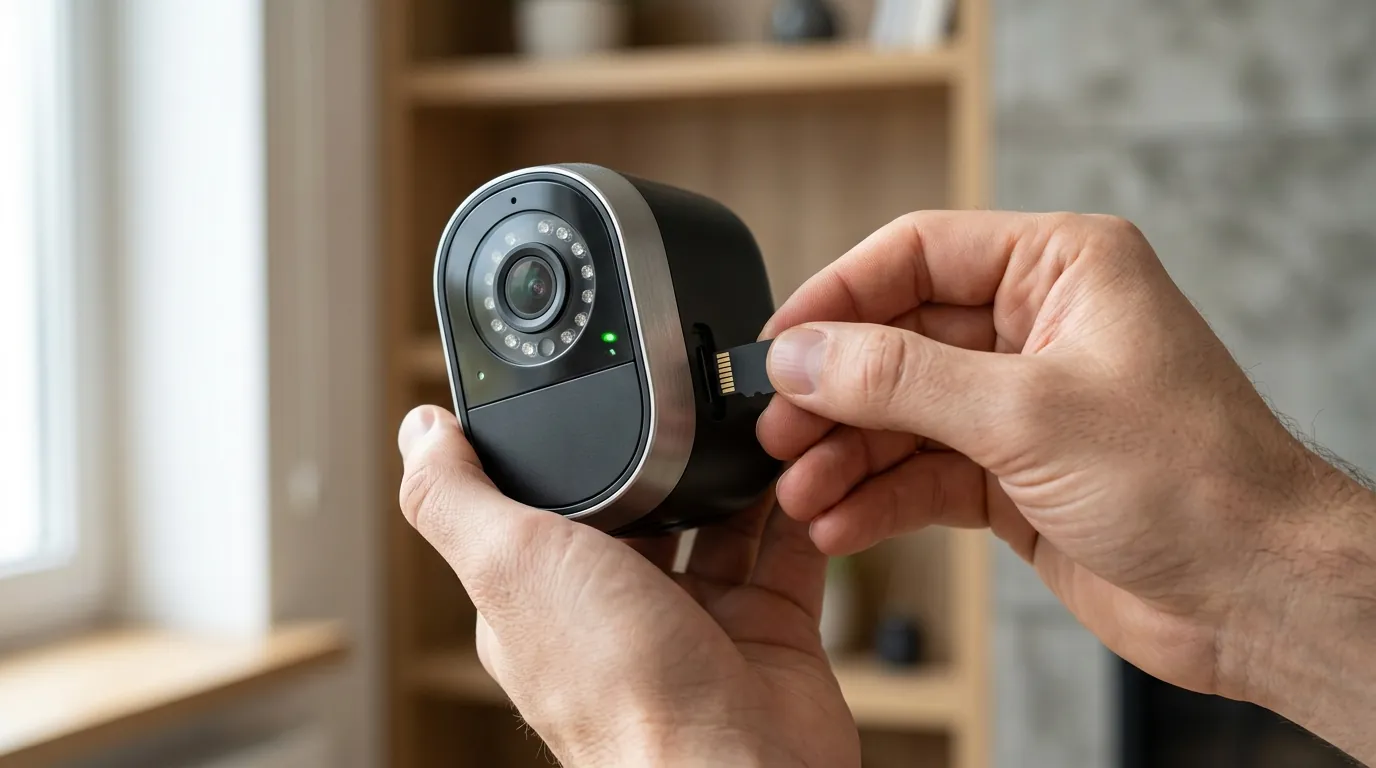
As motion detection technology has become more complex, several myths persist in the consumer market.
The ‘Pet-Proof’ Myth
Many PIR sensors are marketed as “pet-immune up to 50 lbs.” This is not a weight-sensing feature. Instead, the sensor’s lens is designed to ignore the bottom 2-3 feet of a room. If your 15-lb cat jumps onto a bookshelf or the back of a sofa, it will enter the “active” zone and trigger the alarm. True pet immunity in 2026 is only found in AI-Pixel sensors that can specifically identify the skeletal structure of a quadruped vs. a biped.
Radar vs. Privacy Concerns
A common fear is that mmWave radar can “see through walls” to spy on neighbors. While technically possible with high-power industrial radar, consumer-grade sensors (like those from Aqara or Tuya) use very low-power 60GHz waves. These waves are significantly attenuated by standard residential walls. While they might detect movement through a thin drywall partition, they cannot “image” a person or see through exterior brick or insulated walls.
Fact-Check: Marketing Claims vs. Reality
| Claim | Reality |
|---|---|
| “100% False-Alarm Free” | Impossible. Spiders crawling over a lens or extreme power surges can still cause triggers. |
| “Works without a Hub” | Only if you have a “Border Router” (e.g., a modern smart speaker). You still need a local controller. |
| “10-Year Battery Life” | Usually based on “low-traffic” settings (2-3 triggers per day). High-traffic hallways will drain batteries in 1-2 years. |
| “Sees in Total Darkness” | True. Both PIR and mmWave do not require ambient light to function. |
Further reading
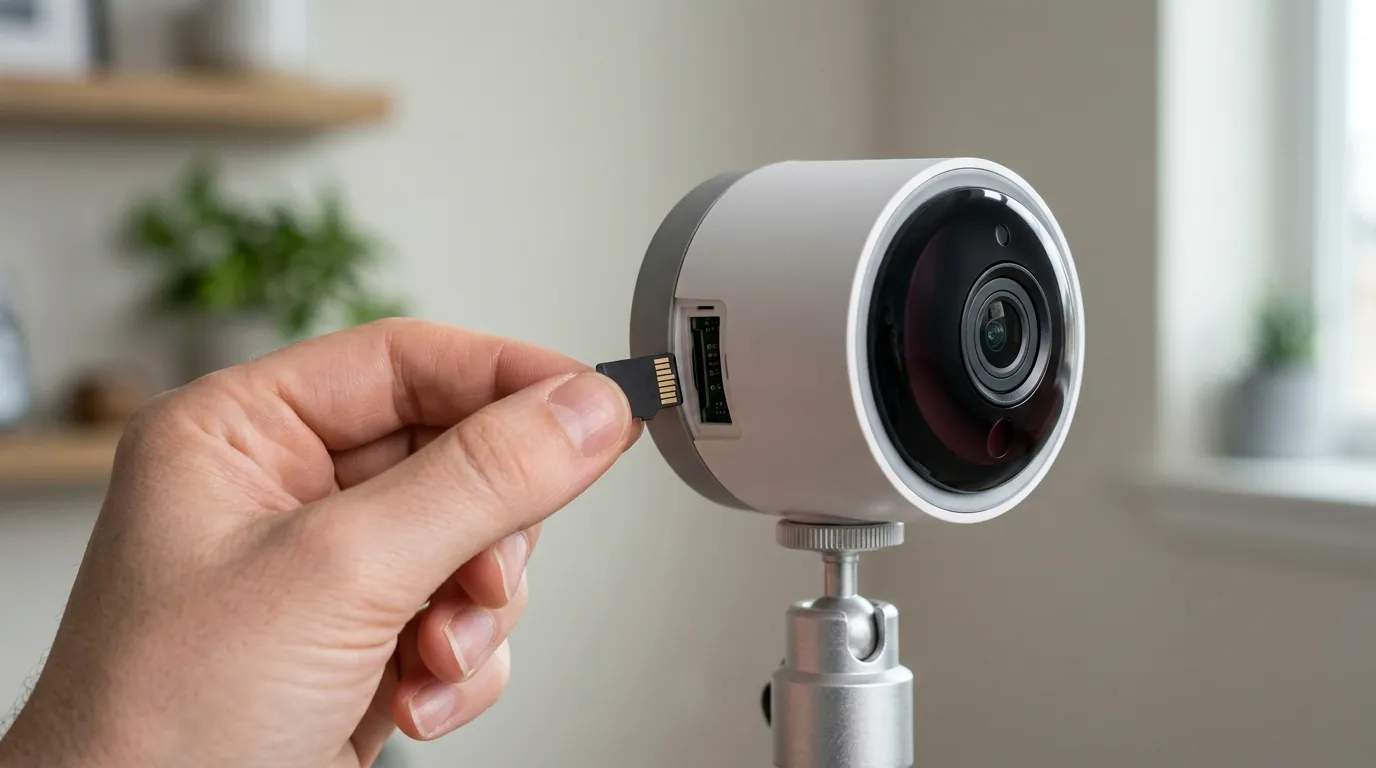
For those looking to build a robust, local-first security system, understanding the underlying protocols and transparency reports is the next step.
Technical Standards & Whitepapers
- Matter 1.4 Specification: The Connectivity Standards Alliance (CSA) provides the technical framework for how motion and occupancy sensors must report data to ensure privacy and speed.
- FCC ID Search: You can verify the actual frequency and power output of any sensor by searching its FCC ID on the FCC ID.io database. This is useful for confirming if a “radar” sensor is truly 60GHz or a lower-quality 24GHz unit.
Quvii Community Recommendations
The consensus on r/HomeSecurity and r/HomeAssistant for 2026 favors local-only hardware. Users increasingly recommend the Reolink CX series for outdoor motion (due to large sensors that don’t require IR “glow”) and the Eve Motion for indoor Thread-based reliability.
Quvii tracks these trade-offs across the category to help you avoid the “subscription trap” while maintaining a responsive, secure home.
Frequently Asked Questions
Can I use a motion sensor from one brand with a camera from another?
Yes, provided both devices support the Matter standard. In a Matter-enabled home, a motion trigger from an Eve sensor can tell a Reolink camera to start recording via a local hub like Home Assistant or Apple Home, without any cloud latency.
Do smart motion detectors work if the Wi-Fi goes out?
If you use Matter-over-Thread or Zigbee, the sensors will continue to trigger local actions (like sirens or local NVR recording) even without internet. However, you will not receive a notification on your phone until the internet connection is restored, unless you have a cellular backup.
What is the difference between a motion sensor and an occupancy sensor?
A motion sensor requires significant movement (walking, waving) to stay active. An occupancy sensor (usually mmWave) can detect a person sitting still or sleeping by monitoring micro-movements like chest rises during breathing.
Where is the best place to put a motion detector for security?
For PIR sensors, place them in “choke points” like hallways or at the top of stairs where an intruder must walk across the sensor’s path. For mmWave presence sensors, a corner mount with a clear view of the entire room is best.
Sources
- Connectivity Standards Alliance (Matter 1.4 Specs) — https://csa-iot.org/
- Aqara FP2 Product Specifications — https://www.aqara.com/en/product/presence-sensor-fp2/
- Reolink AI Detection Technology
- FCC ID Database — https://fccid.io/
- Eve Home (Thread/Matter technicals) — https://www.evehome.com/en/matter