
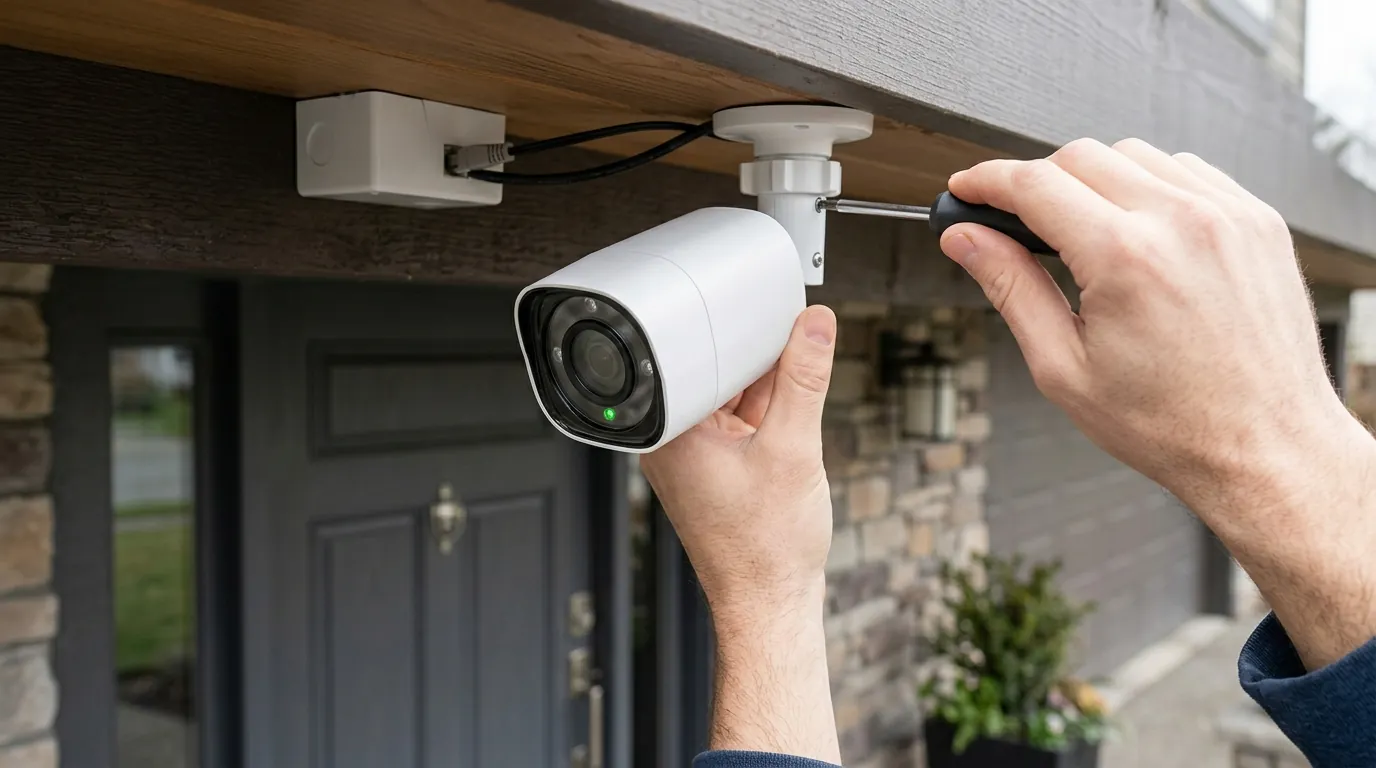
Best Privacy-Focused Smart Home Cameras for 2026: Your Data, Your Control
In an age where smart devices constantly collect data, choosing a home security camera that respects your privacy is paramount. Many popular models offer convenience at the cost of your personal data, often funneling footage to cloud servers and locking essential features behind recurring subscriptions. Fortunately, a growing segment of the market prioritizes user control, local storage, and robust encryption.
For 2026, the best privacy-focused smart home cameras emphasize local storage, on-device AI processing, and robust encryption to minimize cloud reliance and subscription fees. Leading options include models from Reolink (such as the Argus 4 Pro) and Eufy (like the Indoor Cam E30 or EufyCam S3 Pro), which offer features like microSD card storage, NVR compatibility, and end-to-end encryption without mandatory subscriptions.
What it means
Related: EufyCam S3 Pro Solar Charging: Maximize Efficiency for Continuous Powe · Blink Outdoor 4 Battery Life in Extreme Heat: What You Need to Know · Reolink Doorbell WiFi vs. PoE: Summer Stability & Performance
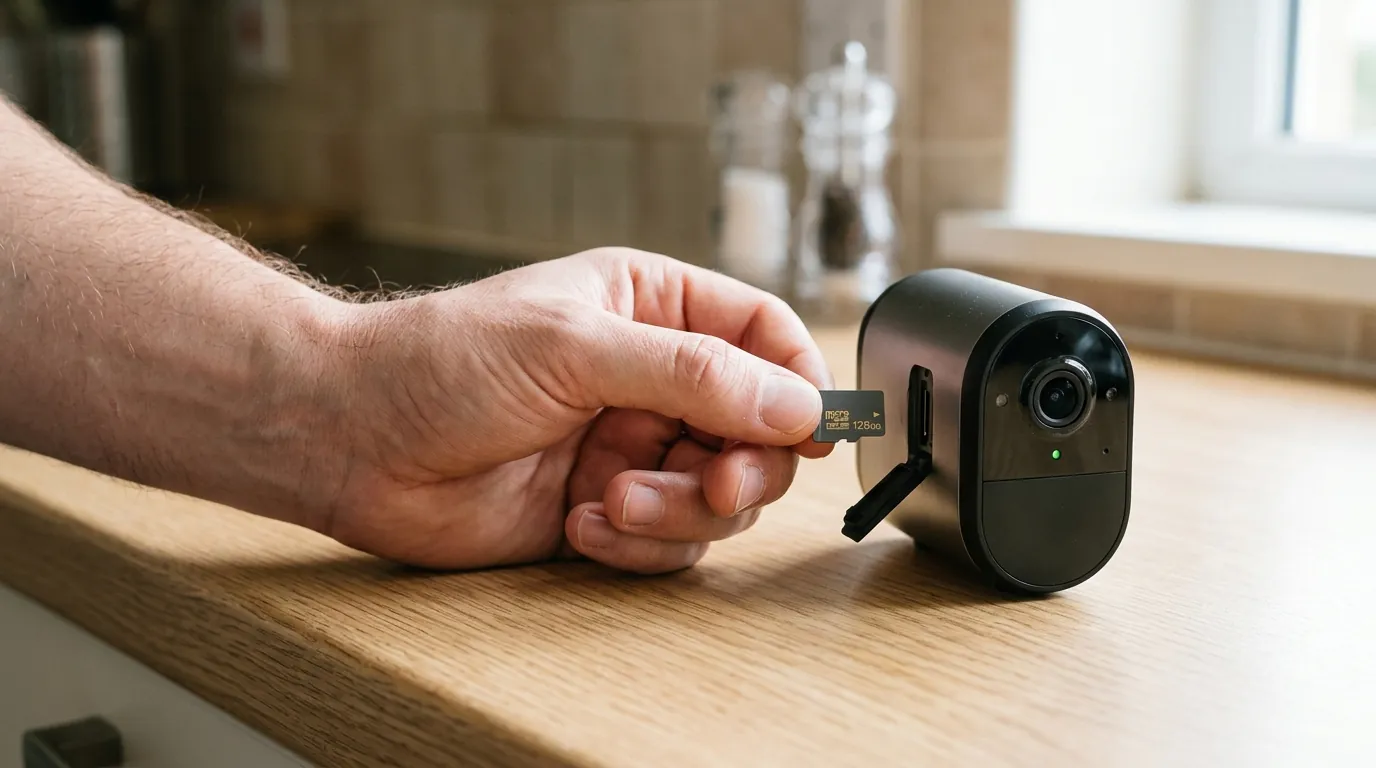
A privacy-focused smart home camera prioritizes user control over video footage and personal data, minimizing reliance on third-party cloud servers. These cameras are designed with “privacy by design” principles, aiming to keep your sensitive recordings out of the hands of manufacturers and other external entities.
Key characteristics include local storage options (microSD card, Network Video Recorder or NVR), end-to-end encryption (E2EE) for data in transit and at rest, and on-device (edge) AI processing. Such cameras typically offer core features like person/vehicle detection, activity zones, and two-way audio without requiring a paid subscription. Transparency in data handling, clear privacy policies, and a commitment to not sharing user data with third parties or law enforcement without explicit consent are crucial.
Local Storage vs. Cloud Storage
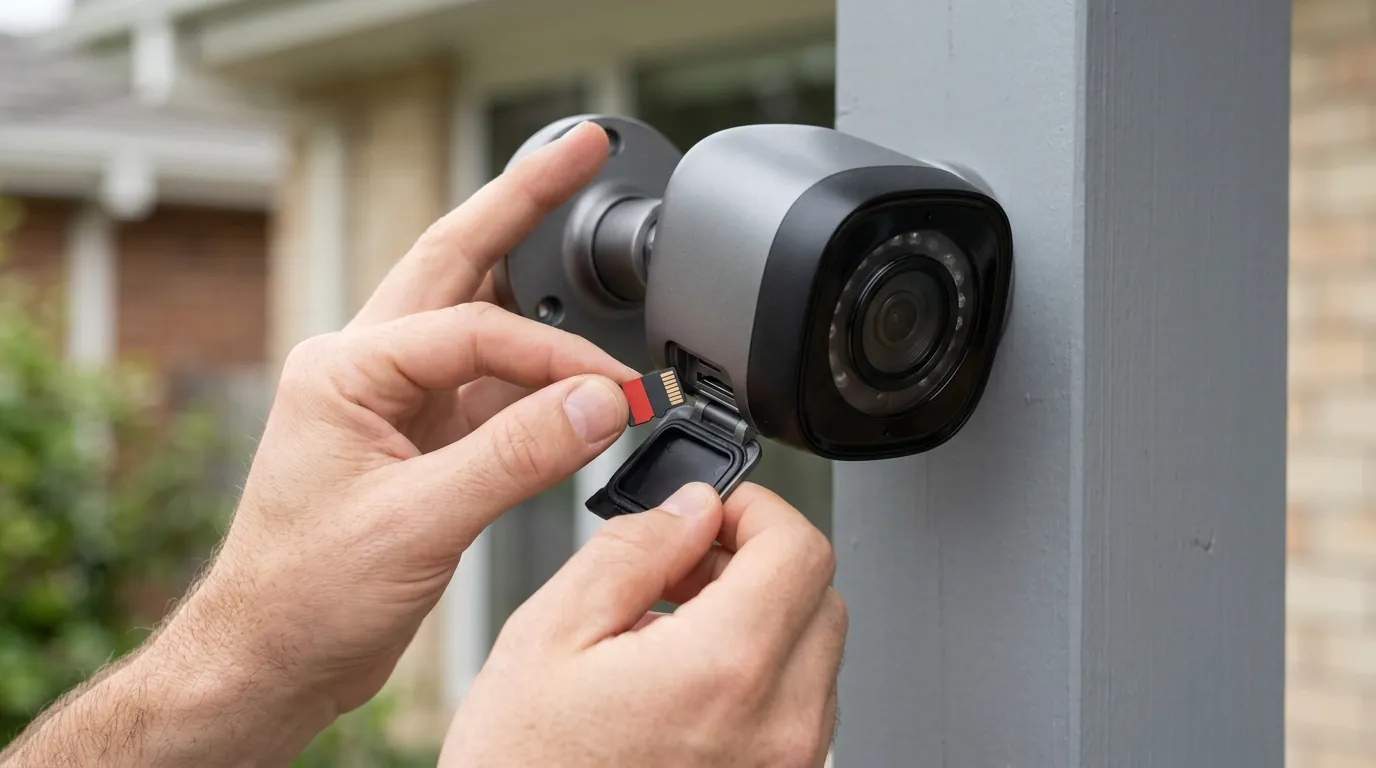
The fundamental difference between privacy-focused cameras and many mainstream alternatives lies in their approach to video storage. Cloud storage involves sending your camera’s footage over the internet to a manufacturer’s remote servers. While convenient for remote access and backup, it introduces potential privacy risks, including data breaches and access by third parties. Local storage, conversely, keeps your video recordings physically within your home, typically on a microSD card inserted directly into the camera or on a Network Video Recorder (NVR) connected to your local network. This approach ensures that your footage never leaves your property unless you explicitly choose to upload it.
End-to-End Encryption (E2EE)
End-to-End Encryption (E2EE) is a cryptographic method that secures data so that only the sender and intended recipient can read it. For security cameras, this means that video streams are encrypted on the camera itself and can only be decrypted by your authorized viewing device (e.g., your smartphone app). Even if data is intercepted during transmission or stored temporarily on a cloud server (if optional cloud storage is used), it remains unreadable to anyone without the correct decryption key. This level of encryption is vital for ensuring the confidentiality of your private video feeds.
On-Device AI Processing
Traditional smart cameras often rely on cloud servers to perform advanced analytics like person detection, vehicle identification, or facial recognition. This means your video footage must be uploaded to the cloud for processing, raising privacy concerns. On-device AI processing, also known as edge computing, allows these analytical tasks to be performed directly on the camera’s internal processor. By processing video locally, privacy-focused cameras can offer intelligent alerts and features without sending your sensitive footage off-site, significantly enhancing data privacy and often speeding up alert times.
Why it exists
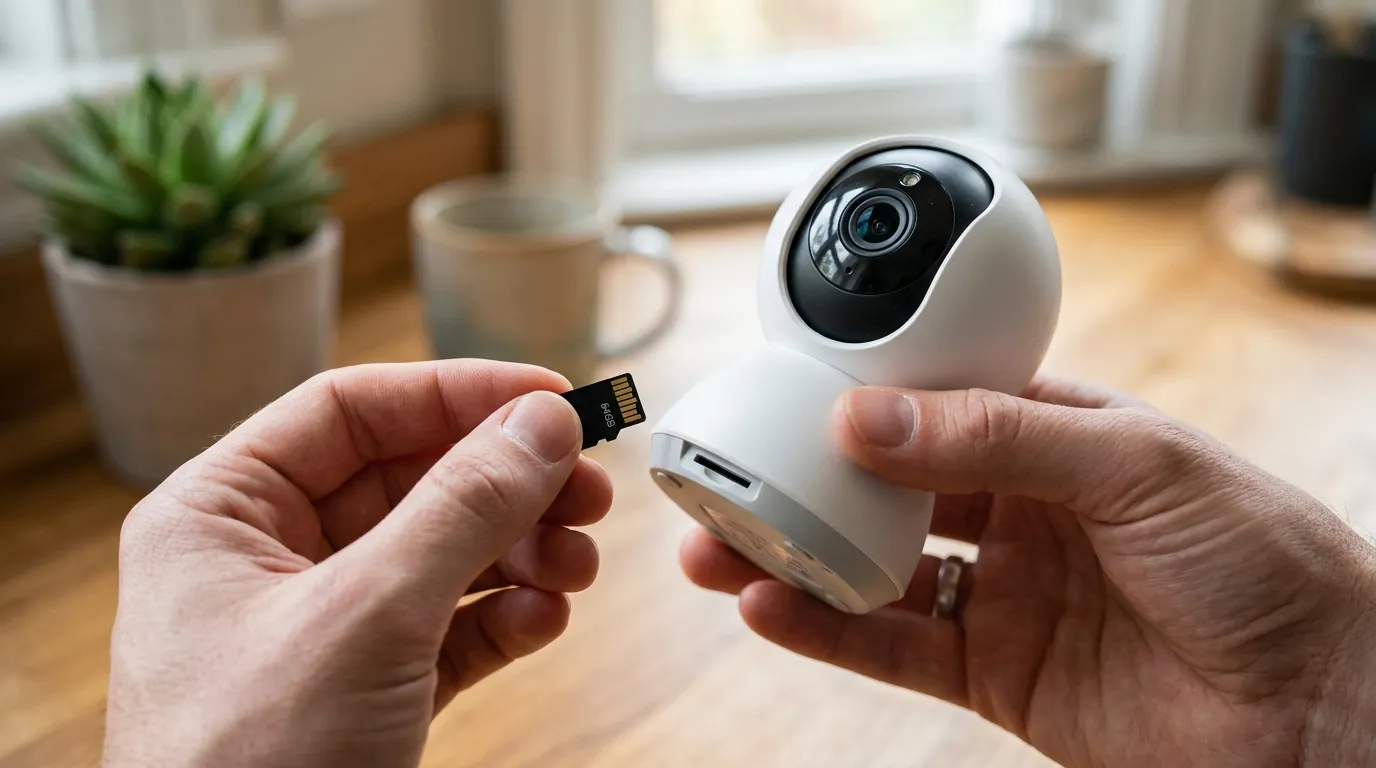
The rise of privacy-focused cameras is a direct response to a combination of consumer frustrations and technological advancements. Users are increasingly aware of the value of their data and the implications of sharing it with third-party services.
The Subscription Fatigue
A significant driver for privacy-focused cameras is the widespread consumer frustration with mandatory cloud subscriptions and recurring fees from incumbent brands like Ring, Nest, and Arlo. Many popular cameras require a monthly or annual subscription to access basic features such as video recording history, smart alerts (like person detection), and even the ability to view recorded clips. This “feature paywall” has led many users to seek alternatives that offer these functionalities without ongoing costs.
Data Security & Law Enforcement Concerns
Concerns over data breaches, unauthorized access, and the sharing of user footage with law enforcement (sometimes without warrants) have driven demand for greater data control. High-profile incidents of camera footage being accessed or misused have highlighted the risks associated with cloud-centric security systems. Users seek peace of mind, knowing their sensitive home security footage remains private and is not easily accessible by camera manufacturers or external entities. Transparency reports from some manufacturers have revealed instances of data requests from law enforcement, further fueling the desire for local control.
Empowering User Control
Ultimately, privacy-focused cameras exist to empower users with greater control over their own data. Advancements in edge computing and more powerful camera hardware now allow for advanced features like AI detection to run locally, reducing the need for cloud processing and putting the user in charge of where their data resides and who can access it. This shift reflects a growing consumer demand for ownership and autonomy in their smart home ecosystems.
How it works under the hood
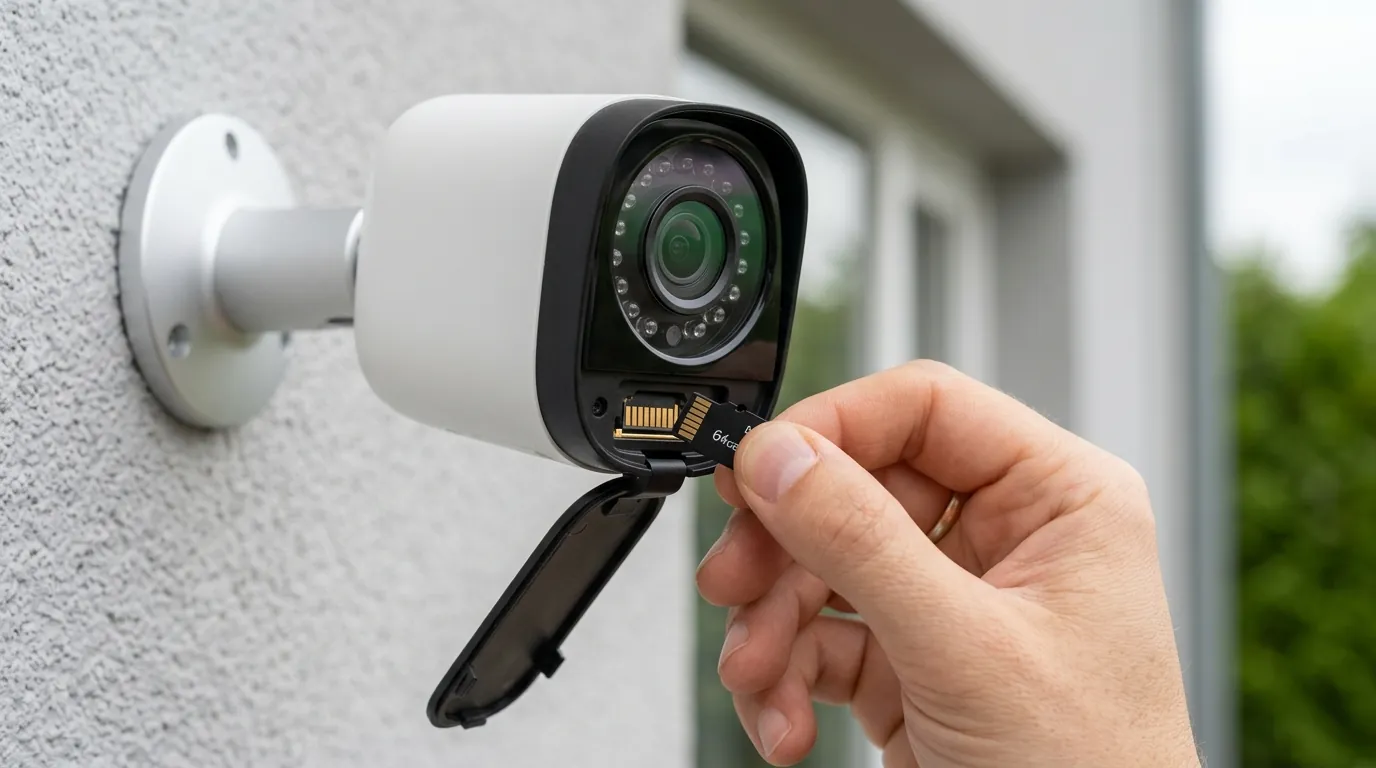
Privacy-focused smart cameras employ several technologies to ensure user data remains private and secure. These mechanisms work in concert to minimize external exposure and maximize user control.
Local Data Processing
At its core, local data processing means that video footage is handled on your premises. Footage is recorded directly onto a microSD card within the camera itself or to a Network Video Recorder (NVR) located on the user’s premises. This eliminates the need for continuous internet uploads for basic recording. For advanced features, Artificial intelligence algorithms for person, vehicle, or pet detection run directly on the camera’s processor (edge computing), eliminating the need to send video to the cloud for analysis. This architecture ensures that sensitive video data never leaves your local network for processing, drastically reducing privacy risks.
Encryption Protocols
When data does need to be transmitted, such as for remote viewing via a smartphone app, privacy-focused cameras utilize robust encryption protocols. End-to-End Encryption (E2EE) is critical here: video streams are encrypted on the camera and can only be decrypted by the user on their authorized device. This ensures privacy even if data is intercepted in transit or stored in the cloud (if opted in for optional cloud backup). Many cameras also use industry-standard encryption like AES 256-bit for data at rest on local storage and TLS/SSL for secure communication channels over the internet.
Network & Firmware Security
Beyond data handling, the security of the camera’s network connection and internal software (firmware) is paramount. Cameras employ secure boot processes to prevent unauthorized firmware modifications and receive regular, signed firmware updates to patch vulnerabilities and enhance security. Some cameras also support open protocols like RTSP (Real-Time Streaming Protocol) and ONVIF (Open Network Video Interface Forum). These allow advanced users to integrate the camera with third-party NVRs or home automation systems and, crucially, to isolate them on a local network, preventing any internet access while maintaining local recording and viewing. This level of control is essential for users who want to completely sever their cameras’ connection to manufacturer cloud services.
Real-world implications
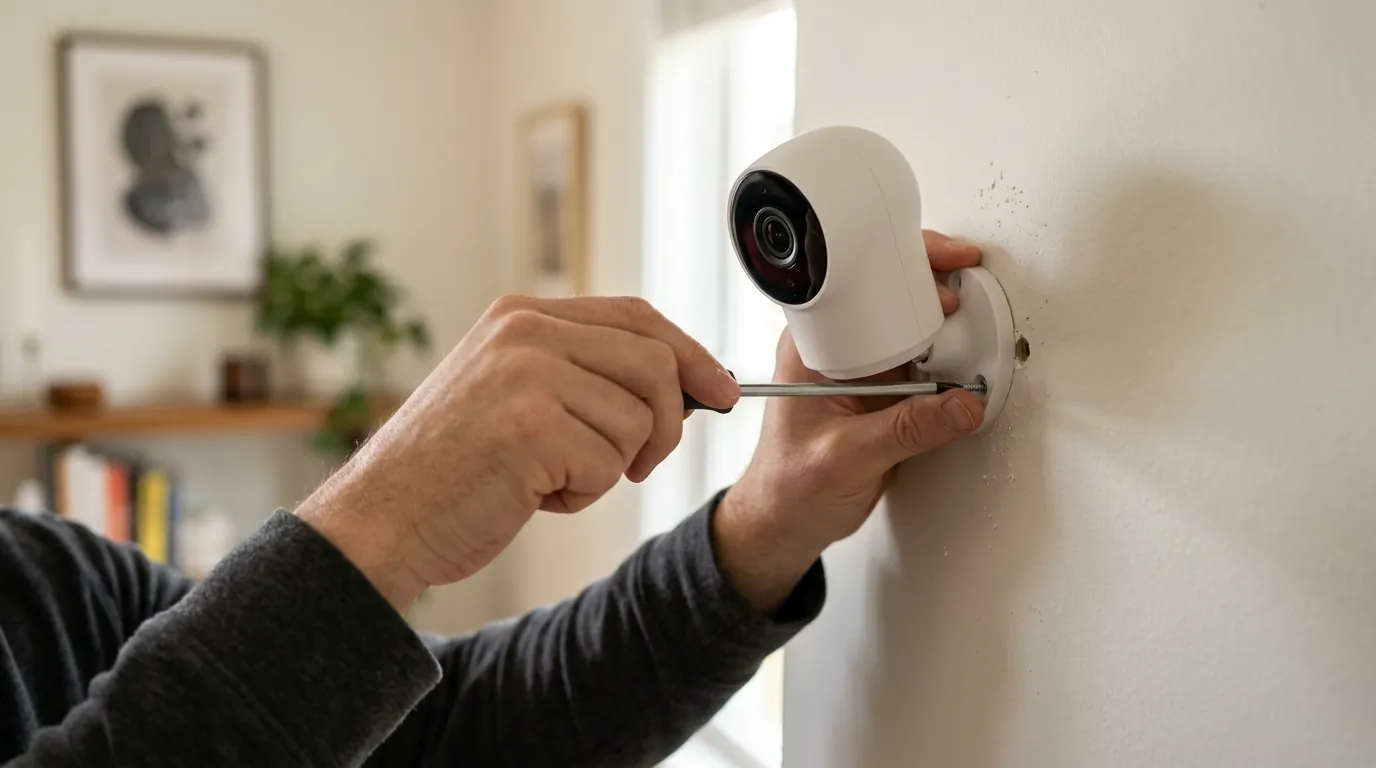
Choosing a privacy-focused smart home camera has tangible benefits that extend beyond theoretical data security, impacting your wallet, your control, and the performance of your system.
Cost Savings
One of the most immediate real-world implications is the significant cost savings. By relying on local storage and on-device AI, users avoid recurring monthly or annual fees for essential features like video storage, smart alerts, and extended video history that are often paywalled by cloud-centric brands. Over the lifespan of a camera, these subscription savings can easily exceed the initial hardware cost, offering a much lower total cost of ownership.
Total Cost of Ownership (TCO) Comparison (Estimated 3-Year Cost)
| Feature/Cost Type | Privacy-Focused Camera (e.g., Eufy/Reolink) | Cloud-Centric Camera (e.g., Ring/Arlo Basic Plan) |
|---|---|---|
| Hardware | Around $50 - $200 (one-time) | Around $50 - $200 (one-time) |
| Local Storage (microSD) | Around $15 - $30 (one-time, if not included) | N/A |
| Subscription Fees | $0 | Around $30 - $120/year (e.g., $3-10/month) |
| 3-Year Total | Around $65 - $230 | Around $140 - $560+ |
| Note: Prices are approximate and can vary based on model, sales, and subscription tier. |
Data Ownership
Perhaps the most compelling benefit is enhanced data privacy and ownership. Your footage remains under your direct control, significantly reducing the risk of unauthorized access or sharing by third parties, including manufacturers or law enforcement, without your explicit consent or a legal warrant. This provides peace of mind, knowing that sensitive moments captured in your home stay within your home.
Performance Benefits
On-device AI can lead to quicker detection and notification times as data doesn’t need to travel to and from the cloud for processing. This means you receive alerts almost instantaneously, allowing for faster response to events. Additionally, local recording ensures reliability during internet outages; your camera continues to record even if your Wi-Fi or internet connection is lost, providing continuous surveillance without interruption.
Recommended Models
For 2026, several models stand out for their commitment to privacy, offering robust features without mandatory subscriptions.
- Reolink Argus 4 Pro: This camera offers impressive 4K UHD resolution with a 180-degree panoramic field of view, and features on-device AI detection for people, vehicles, and pets. It stores footage locally on a microSD card and typically falls under the $150 price band. Reolink emphasizes local storage and offers optional cloud services.
- Eufy Indoor Cam E30 (S350): Providing 4K UHD resolution, the Eufy Indoor Cam E30 features on-device AI person/pet detection and local microSD card storage. This model is often available for under $55, making it a budget-friendly, privacy-conscious choice. Eufy promotes end-to-end encryption for its stored data and user streams.
- Lorex 4K Spotlight Camera: This camera features 4K resolution, color night vision, and includes a microSD card for local storage. It supports person and vehicle detection, and its pricing is generally in the $150-200 range. Lorex also offers NVR systems for more extensive local storage solutions.
- TP-Link Tapo C120: A versatile indoor/outdoor camera, the Tapo C120 offers 2K QHD resolution with subscription-free person recognition and onboard video storage via a microSD card. It usually costs around $40-50, providing excellent value for privacy-focused users.
- Aqara Camera Hub G5 Pro: Delivering sharp 2K video, the Aqara Camera Hub G5 Pro integrates AI-driven motion detection and offers built-in local storage. It supports multiple smart home platforms and generally sits in the $100-150 price range. Aqara is known for its focus on local control within its smart home ecosystem.
Top Privacy-Focused Camera Models for 2026: Key Specifications
| Model | Resolution | Storage Type | On-Device AI Detection | Price Band | E2EE Claimed |
|---|---|---|---|---|---|
| Reolink Argus 4 Pro | 4K UHD | microSD | Person, Vehicle, Pet | Under $150 | Yes |
| Eufy Indoor Cam E30 (S350) | 4K UHD | microSD | Person, Pet | Under $55 | Yes |
| Lorex 4K Spotlight Camera | 4K | microSD, NVR | Person, Vehicle | $150-200 | Yes |
| TP-Link Tapo C120 | 2K QHD | microSD | Person | Around $40-50 | Yes |
| Aqara Camera Hub G5 Pro | 2K | microSD, NVR (via hub) | Person, Pet | $100-150 | Yes |
Common misconceptions
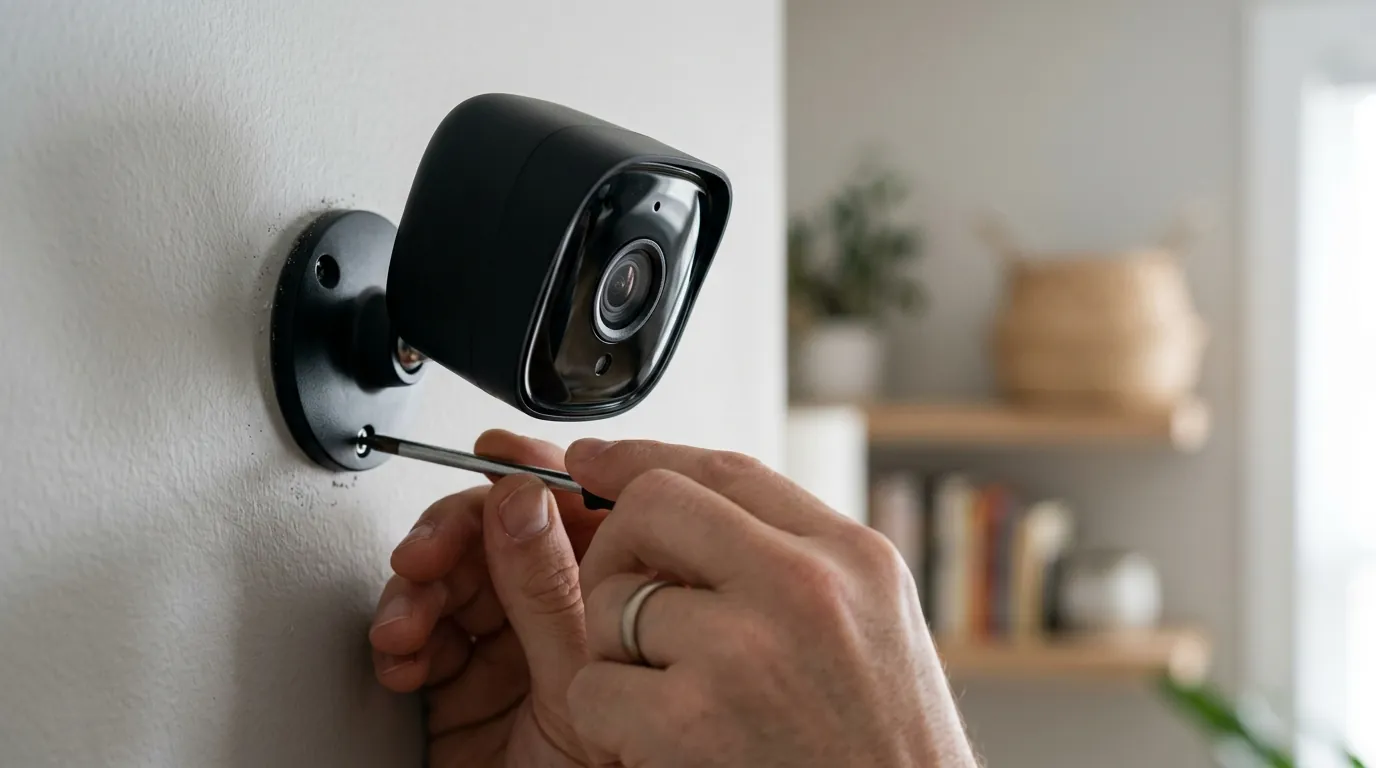
Despite their growing popularity, privacy-focused cameras are often misunderstood. Addressing these misconceptions can help consumers make informed decisions.
The ‘Set It and Forget It’ Myth
One common misconception is that “local storage means total privacy automatically.” While local storage is a cornerstone of privacy, it doesn’t automatically guarantee complete security. Cameras still require secure network configurations, strong, unique passwords, and regular, updated firmware to prevent vulnerabilities. An unsecure local network or outdated firmware can still expose your camera to risks, even if footage isn’t sent to the cloud.
Complexity Concerns
Another myth is that “privacy-focused cameras are difficult to set up or use.” While some advanced features like RTSP integration might appeal to technical users, many modern privacy-centric cameras are designed for ease of use. They often come with intuitive smartphone apps and straightforward installation processes, making them accessible to a broad audience, similar to their cloud-dependent counterparts.
Feature Limitations
There’s a belief that “you can’t get smart features without a subscription.” This is increasingly false. Brands like Eufy and Reolink offer advanced AI detection (person, vehicle, pet) and rich notifications without requiring monthly fees, leveraging on-device processing power. While some optional, value-added cloud features might exist, the core intelligent functionalities are often available out-of-the-box.
Inherent Insecurity
Finally, the notion that “all smart cameras are inherently insecure or privacy-invasive” is an oversimplification. While some brands have faced privacy controversies in the past, many manufacturers are now building cameras with privacy-by-design principles and robust security features, including strong encryption and local processing options. It’s crucial for consumers to research individual brands’ privacy policies and security practices rather than generalize.
Decision Framework: Choosing Your Privacy-Focused Camera
Selecting the right privacy-focused camera depends heavily on your specific needs and technical comfort level.
- If you are a renter or prefer minimal installation: Prioritize cameras with simple Wi-Fi connectivity and onboard microSD card storage, such as the Eufy Indoor Cam E30 or TP-Link Tapo C120. These are often plug-and-play and easy to relocate.
- If you are a homeowner seeking comprehensive coverage: Consider cameras that offer NVR compatibility for centralized local storage across multiple cameras, like Lorex 4K Spotlight Camera or Reolink models with NVR options. This provides greater storage capacity and management.
- If you prioritize the highest video quality and widest field of view: Focus on models offering 4K resolution and advanced optics, like the Reolink Argus 4 Pro or Lorex 4K Spotlight Camera.
- If you want deep smart home integration with local control: Look into systems like the Aqara Camera Hub G5 Pro that integrate well with platforms like Apple HomeKit Secure Video, leveraging local processing and privacy features within a broader ecosystem.
- If you have no Wi-Fi or unreliable internet: Prioritize cameras with robust local storage (large microSD capacity or NVR) and ensure critical detection features operate entirely offline (on-device AI). While most smart cameras require Wi-Fi for initial setup and remote viewing, local recording should continue independently.
Further reading
- Understanding Camera Encryption: What You Need to Know
- Local Storage vs. Cloud Storage: Which is Right for You?
- The Truth About AI in Home Security Cameras
Frequently Asked Questions
Do privacy-focused cameras still offer remote viewing?
Yes, most privacy-focused cameras offer secure remote viewing through their companion apps. This typically uses end-to-end encryption to ensure that your video stream is secure while traveling over the internet to your device. The key difference is often that the storage and AI processing happen locally, reducing reliance on the cloud.
Are privacy-focused cameras more expensive than regular smart cameras?
Not necessarily. While some advanced models may have a higher upfront cost, the absence of mandatory subscription fees often makes privacy-focused cameras more affordable in the long run. Many budget-friendly options, like the TP-Link Tapo C120 or Eufy Indoor Cam E30, offer excellent privacy features for their price.
Can I still use smart home integrations like Alexa or Google Assistant with these cameras?
Many privacy-focused cameras do offer integrations with popular smart home platforms like Amazon Alexa and Google Assistant. However, the extent of integration can vary. Some might allow basic commands like viewing a live feed, while others might offer more limited functionality compared to cameras from the platform’s own ecosystem.
What happens to my footage if my local storage (microSD card) gets full?
When a microSD card gets full, most cameras are configured to automatically overwrite the oldest footage with new recordings, a process known as loop recording. Some cameras might also offer notifications when storage is nearing capacity, allowing you to manage or back up footage manually if desired.
How can I verify a camera’s privacy claims, especially regarding data sharing?
To verify privacy claims, always review the manufacturer’s official privacy policy and terms of service, usually found on their website. Look for explicit statements about data collection, storage, encryption, and whether footage is shared with third parties or law enforcement without user consent. Independent reviews and transparency reports can also offer valuable insights.
Sources
- CNET — https://www.cnet.com
- QZ — https://qz.com
- SafeWise — https://www.safewise.com
- ModemGuides — https://modemguides.com
- Eufy — https://www.eufy.com
- Reolink — https://www.reolink.com
- ET Security — https://etsecurity.com
- Forasoft — https://forasoft.com
- Vikylin — https://vikylin.com
- Lorex — https://www.lorex.com
- Lorex — https://www.lorex.com
- Mozilla Foundation — https://foundation.mozilla.org
- Scanalitix — https://scanalitix.com
- Eufy — https://www.eufy.com
- Reddit — https://www.reddit.com
- PCMag — https://www.pcmag.com