
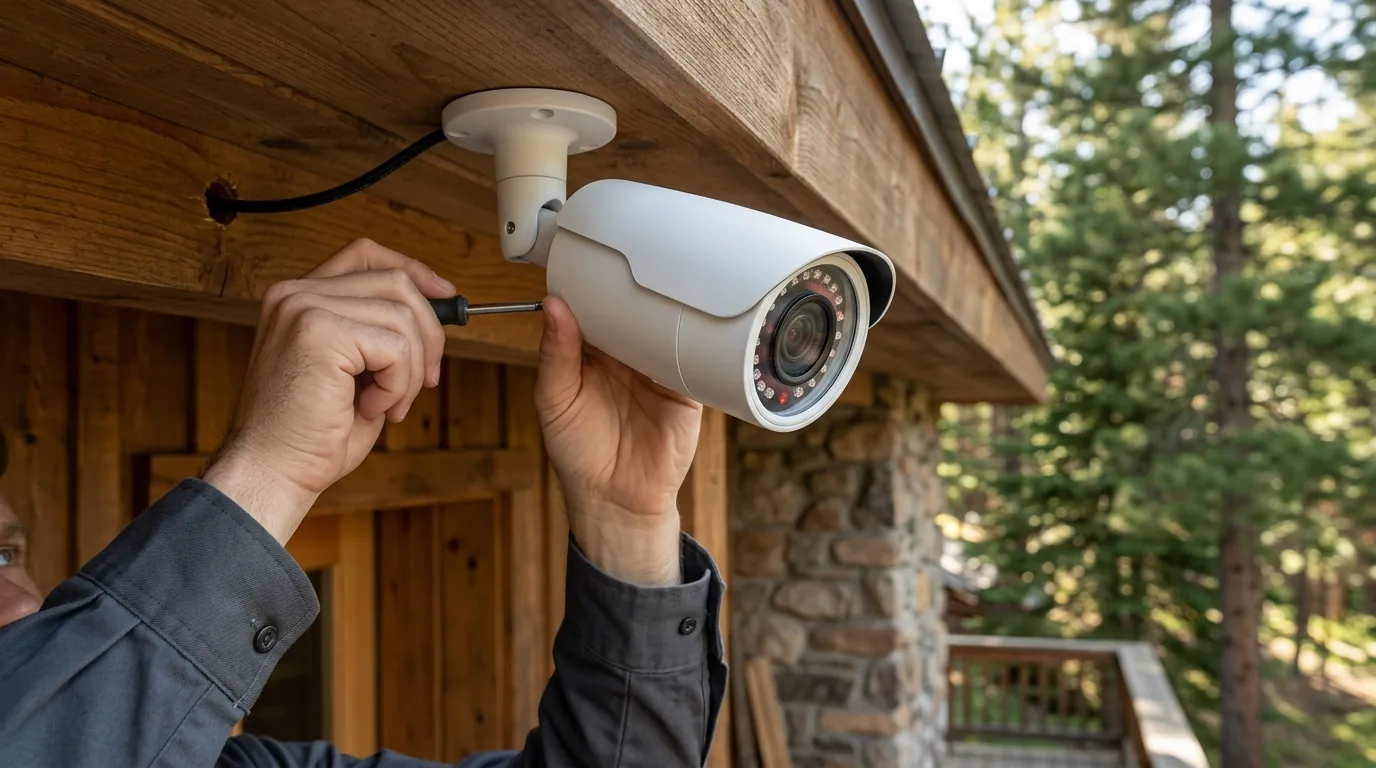
Arlo vs. Ring for Summer Cabin Security: Off-Grid & Subscription-Free Options
Securing a summer cabin presents unique challenges beyond typical home monitoring, from intermittent power and unreliable internet to extended periods of vacancy. When choosing a remote guardian for such a property, Arlo and Ring stand out as prominent contenders in the consumer-grade outdoor security camera market. This comparison will focus on their suitability for subscription-averse users and the specific demands of remote properties in 2026.
For summer cabin security, Arlo generally offers more robust solutions for off-grid scenarios with its Arlo Go 2 cellular camera and local storage options via a SmartHub, allowing for recorded video without a subscription. Ring primarily relies on Wi-Fi and requires a subscription for any recorded video history, making it less ideal for locations with unreliable internet or for users seeking to avoid recurring fees.
What it means
Related: Are Home Security Cameras Vulnerable to Recent Hacks? What You Need to · Is Wyze Cam v4 Safe? Understanding Its Security & Privacy in 2026 · Why Your Wyze Camera Goes Offline During Summer Power Outages
Summer cabin security extends beyond basic home monitoring, addressing distinct challenges like unreliable power, sporadic internet access, and prolonged periods when the property is unoccupied. These conditions necessitate security solutions that are largely self-sufficient, capable of operating effectively without constant human intervention or a robust local infrastructure. Arlo and Ring, both leaders in consumer outdoor security, offer various camera models designed for outdoor use, but their underlying architectures and subscription models cater to different priorities. This comparison will specifically evaluate their offerings through the lens of remote property characteristics and the desire to minimize or eliminate recurring subscription costs.
Why it exists
The increasing desire for reliable, low-maintenance security for secondary residences, such as summer cabins, drives the demand for specialized solutions. Many consumers express frustration with the prevalent model of mandatory subscriptions required by numerous traditional security camera brands for essential features like video recording and intelligent alerts. Technological advancements have significantly improved the feasibility of deploying battery-powered, solar-charged, and cellular-connected cameras, making them viable options for locations where wired power or stable Wi-Fi are not consistently available. These innovations allow property owners to monitor remote sites effectively, even when conventional utilities are absent or intermittent.
How it works under the hood
Connectivity for Remote Locations
The foundation of effective remote security lies in reliable connectivity. Arlo offers a significant advantage for cabins without Wi-Fi through its Arlo Go 2 camera. The Arlo Go 2 operates on 4G LTE cellular networks, allowing it to stream live video and send alerts using a cellular data plan, independent of a local Wi-Fi network. This makes it an ideal choice for truly off-grid locations where a broadband internet connection is not feasible.
In contrast, most Ring outdoor cameras, such as the Spotlight Cam and Stick Up Cam, primarily depend on a stable Wi-Fi connection for their functionality. While Ring does offer a version of its Stick Up Cam with LTE connectivity, it is less prevalent and may have more limited availability or feature sets compared to its Wi-Fi counterparts. For most Ring users, a consistent Wi-Fi signal is a prerequisite for video recording and smart alerts, making it less suitable for locations with unreliable or absent internet.
Power Management for Extended Stays
For properties left unattended for extended periods, efficient power management is critical. Arlo cameras are generally known for their robust battery life. For instance, the Arlo Essential Outdoor 2K camera typically provides 3 to 6 months of battery life on a single charge under normal usage conditions. More advanced models can extend this to up to a year with lower activity levels and optimized settings.
Ring cameras, such as the Stick Up Cam Battery and Spotlight Cam Battery, are often rated for 6 to 12 months of battery life. However, real-world usage, especially with frequent motion detection and live views, can significantly reduce this, often requiring recharges every 2 weeks to 3 months.
Both brands offer compatible solar panels to supplement battery power, substantially extending the time between manual recharges. Arlo’s solar panels can continuously charge compatible cameras with adequate sunlight. Similarly, Ring solar panels are designed to provide a trickle charge, helping to maintain battery levels and reduce the need for manual charging. Optimal performance for solar panels typically requires 3-4 hours of direct daily sunlight.
Video Storage & Accessibility
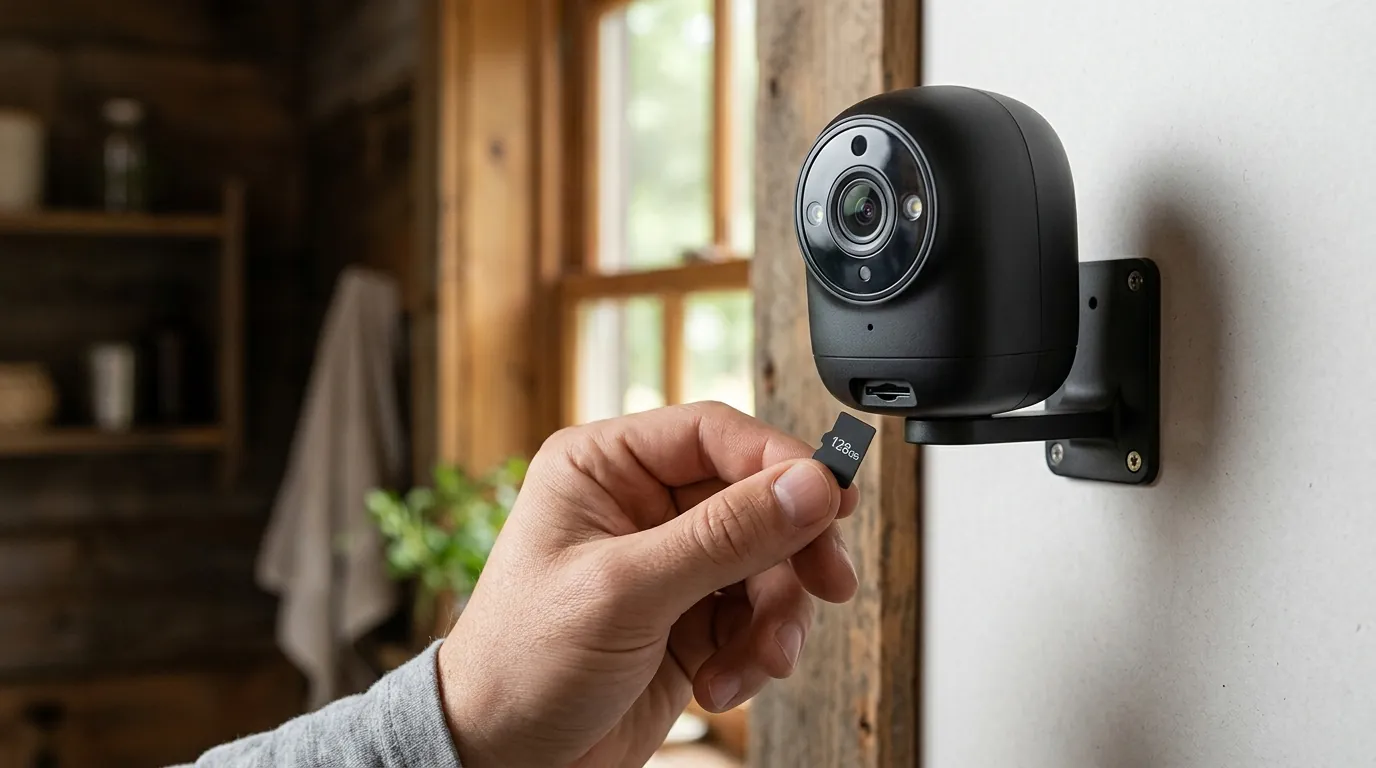
One of the most significant differentiators between Arlo and Ring for subscription-averse users is their approach to video storage. Arlo offers local storage capabilities through its SmartHub (e.g., Arlo SmartHub VMB4540 or VMB5000). By connecting a USB drive to the SmartHub, users can store recorded video clips directly on the device, allowing for recorded video access without a mandatory cloud subscription. While advanced AI features like person, vehicle, or animal detection often require an Arlo Secure plan, basic motion-triggered recording to local storage is possible without a recurring fee.
Ring, on the other hand, operates predominantly on a cloud-centric model. For any recorded video history, Ring cameras generally require a Ring Protect subscription. Without a subscription, users are limited to live view functionality and motion-activated notifications, but they cannot review or download past events. This fundamental difference means that avoiding recurring fees for recorded video is considerably more challenging with Ring.
Subscription Tiers and Features (2026)
Both Arlo and Ring offer tiered subscription plans that unlock advanced features and cloud storage.
Arlo Secure Plans (2026): Arlo Secure plans typically offer cloud video recording for a set number of days (e.g., 30 days), advanced AI detection (person, vehicle, animal, package), interactive notifications, and activity zones.
- Arlo Secure: Often covers a single camera or multiple cameras at varying price points, starting around $8/month for a single camera when billed annually.
- Arlo Secure Plus: Adds features like 24/7 emergency response and potentially extended cloud storage duration.
- Arlo Safe & Secure Pro: May include professional monitoring for an entire system, along with cellular backup for the SmartHub. These plans are necessary for accessing cloud storage and the full suite of smart detection features.
Ring Protect Plans (2026): Ring Protect plans provide cloud video history, advanced motion detection, person alerts, and the ability to save and share videos.
- A basic plan: Covers a single device, offering 180 days of video history and other basic features, starting around $5/month or $50/year.
- A comprehensive plan: Covers all devices at a single location, often around $10/month or $100/year, and includes extended warranties.
- Ring Protect Pro: Integrates with Ring Alarm systems, providing professional monitoring, cellular backup for the alarm, and additional smart home features, typically around $20/month or $200/year. For Ring, a subscription is essential for reviewing any recorded video footage.
Privacy and Data Handling
Privacy and data handling are critical considerations for any security system, especially for remote properties.
Arlo states a commitment to not monetizing personal data and provides transparency reports detailing requests for user information. Arlo’s privacy policy emphasizes user control over their data, including options for deleting recordings.
Ring’s privacy policy outlines its approach to data collection and sharing. A notable aspect that has drawn scrutiny is Ring’s policy regarding sharing video footage with law enforcement. While Ring generally requires a warrant or user consent, it has a provision for sharing video with law enforcement without user consent in “emergency circumstances”. This policy has been a point of concern for privacy-conscious users, contrasting with Arlo’s stricter stance on data sharing.
Here’s a comparison of key features for relevant models:
| Feature | Arlo Go 2 (Cellular) | Ring Stick Up Cam (Battery/Solar) |
|---|---|---|
| Connectivity | 4G LTE, Wi-Fi (2.4 GHz) | Wi-Fi (2.4 GHz) |
| Video Resolution | 1080p HD | 1080p HD |
| Field of View | 130° diagonal | 130° diagonal |
| Night Vision | Color night vision | Color night vision |
| Audio | Two-way audio | Two-way audio |
| Power Options | Rechargeable battery, optional solar panel | Rechargeable battery, optional solar panel |
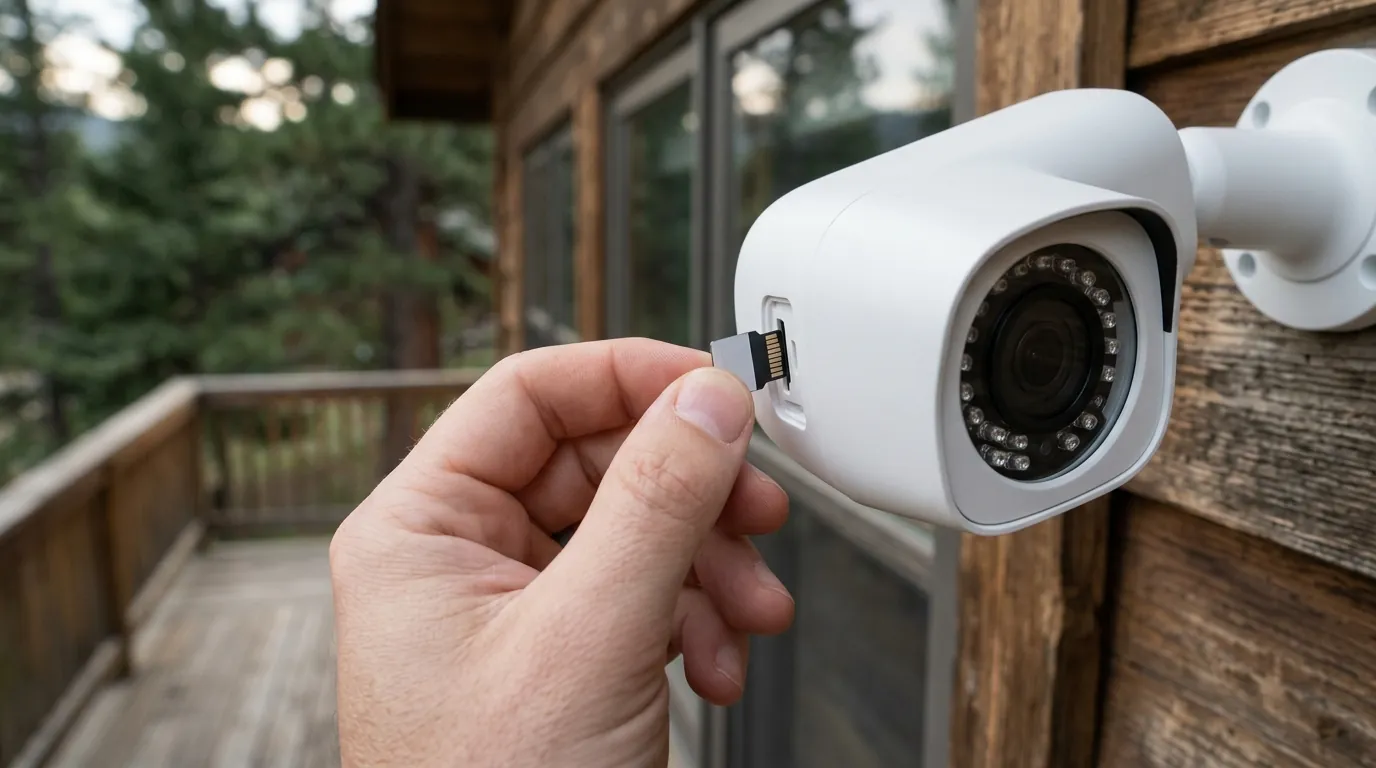
| Local Storage | MicroSD card slot on camera, SmartHub compatible | No direct local storage on camera; cloud only |
| Subscription for Recordings | Optional (for cloud, AI); local possible without | Required (Ring Protect Plan) |
| Battery Life (estimated) | 2-3 months (with cellular usage) | 6-12 months (variable with usage) |
| Operating Temperature | -4°F to 113°F (-20°C to 45°C) | -5°F to 120°F (-20.5°C to 48.5°C) |
Real-world implications
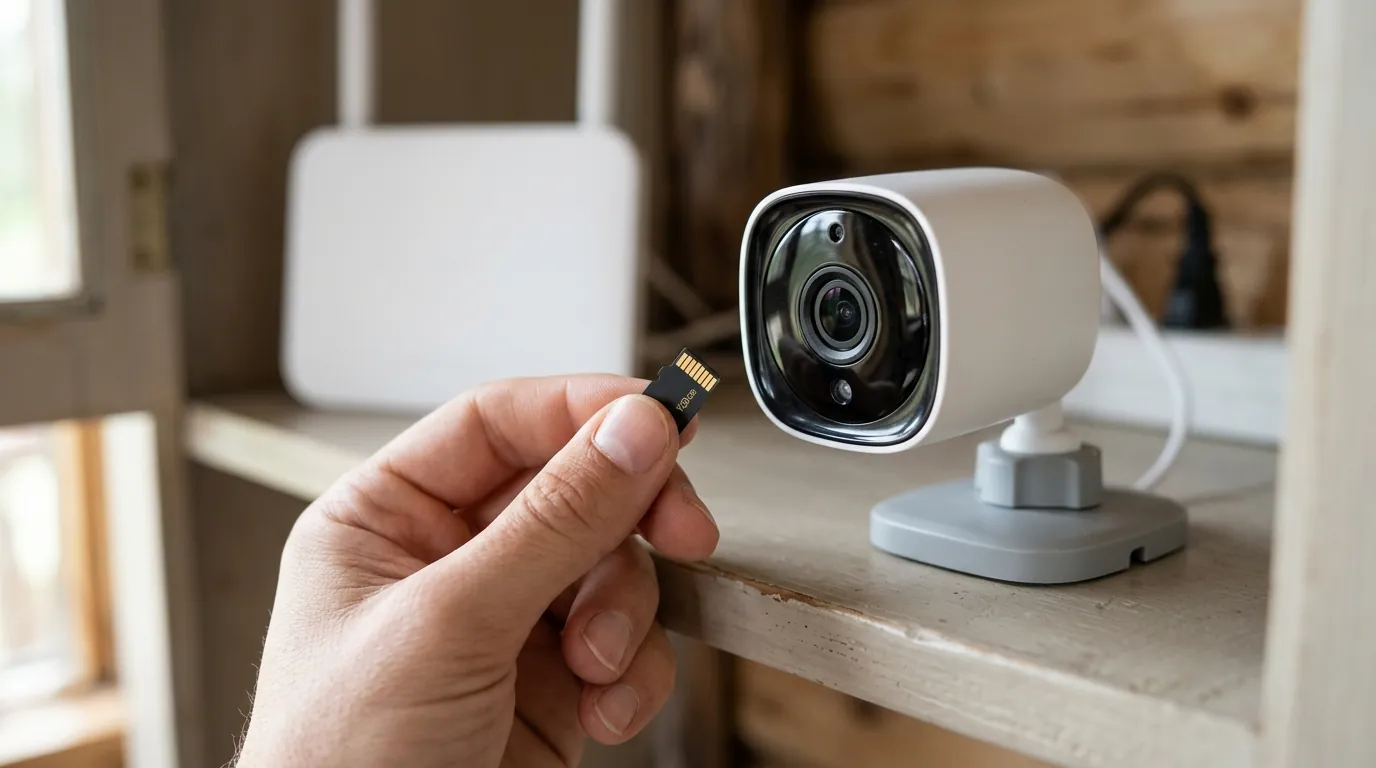
The choice between Arlo and Ring for a summer cabin extends beyond technical specifications, impacting installation, ongoing costs, and daily usability in a remote setting.
Installation and Maintenance Considerations
Both Arlo and Ring cameras are designed for DIY installation, typically involving mounting the camera and pairing it with a base station (for Arlo SmartHub systems) or directly to Wi-Fi. However, for solar panel integration, careful placement is crucial. Solar panels need unobstructed sunlight for several hours daily to effectively charge the camera’s battery. Ring recommends 3-4 hours of direct sunlight for optimal charging of its solar panels. This means assessing the cabin’s orientation, potential shade from trees, and seasonal sun paths during installation. For cellular cameras like the Arlo Go 2, ensuring adequate cellular signal strength at the chosen mounting location is also paramount for reliable operation.
Performance in Varied Weather Conditions
Summer cabins often experience a range of weather conditions. Both Arlo and Ring offer cameras with weather-resistant designs, typically rated IP65 or IP67, indicating protection against dust and water jets. Their operating temperature ranges are generally suitable for typical summer cabin environments. For instance, Ring solar panels are specified to operate from -5°F to 120°F (-20.5°C to 48.5°C). Arlo cameras also have robust temperature ratings, often from -4°F to 113°F (-20°C to 45°C). While they are built to withstand elements, extreme cold can still impact battery performance, and heavy snow or ice can obstruct solar panels, requiring occasional clearing for optimal charging.
Long-Term Costs for Remote Monitoring
The total cost of ownership (TCO) is a critical factor, especially for users averse to subscriptions.
For Arlo, the initial hardware cost might be higher, particularly if purchasing an Arlo Go 2 cellular camera and a SmartHub for local storage. However, the ability to store recordings locally on a USB drive plugged into the SmartHub means that ongoing cloud subscription fees for recorded video are optional. Users can view live feeds and access local recordings without a monthly payment. If advanced AI features or extended cloud storage are desired, an Arlo Secure plan would add an annual cost, typically starting around $96/year for a single camera (based on $8/month annual billing).
For Ring, the initial hardware cost for Wi-Fi cameras might appear lower, but the reliance on the Ring Protect subscription for any recorded video history introduces a mandatory recurring expense. The most basic plan for a single camera is around $50/year. For multiple cameras, the Ring Protect Plus plan costs approximately $100/year. This means that over a few years, Ring’s total cost of ownership can quickly surpass Arlo’s, especially for users who prioritize avoiding subscriptions.
Effectiveness of Alerts and Notifications
In remote areas, timely alerts are crucial. With Arlo Go 2, alerts function over the cellular network, meaning notifications can be pushed to your smartphone even if the cabin has no Wi-Fi, provided there’s cellular coverage. This ensures you’re informed of motion events regardless of local internet status. For Ring cameras, alerts rely on the Wi-Fi connection. If the Wi-Fi signal is weak or drops, notification reliability can be compromised. Both systems typically offer customizable motion zones and sensitivity settings to minimize false alerts from wildlife or swaying branches, which is particularly useful in natural cabin environments.
Common misconceptions
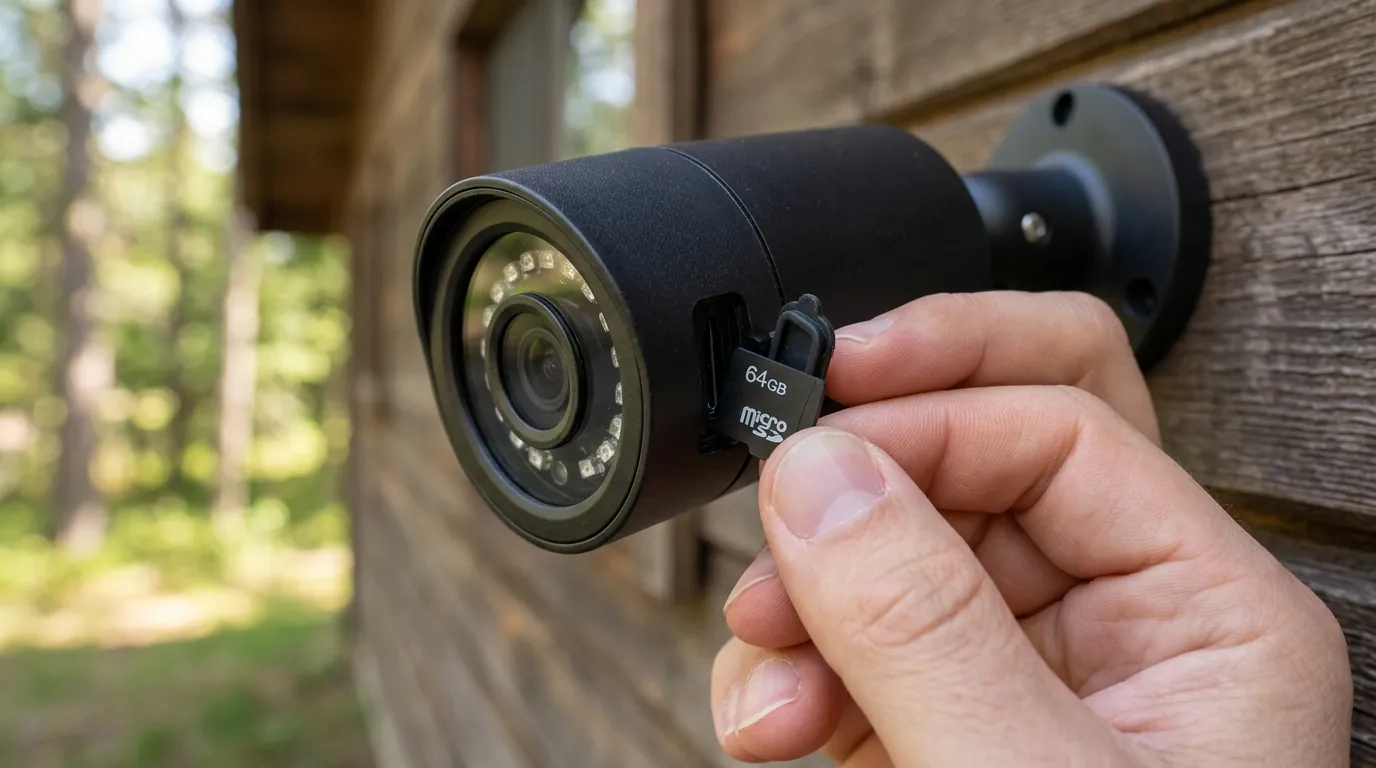
Several misunderstandings often arise when considering security cameras for remote properties. Addressing these can help clarify expectations.
‘Wireless’ means ‘no internet needed’
A common misconception is that a “wireless” security camera operates without any internet connection. While many cameras are “wire-free” (meaning no power cable), the vast majority still require a Wi-Fi connection to transmit video and alerts to your smartphone or cloud storage. Cameras like the Arlo Go 2 are the exception, featuring built-in cellular connectivity, which allows them to function without local Wi-Fi, using a data plan instead.
‘Battery-powered’ means ‘never charge’
Another frequent misunderstanding is that battery-powered cameras are a “set it and forget it” solution for power. While batteries offer flexibility, their life varies significantly based on activity levels, temperature, and settings. Frequent motion detection, live viewing, and two-way audio usage will drain batteries much faster than minimal activity. Solar panels can extend battery life considerably by providing a continuous charge, but they are dependent on adequate sunlight and may not fully eliminate the need for occasional manual recharging, especially during prolonged cloudy periods or winter months.
‘Free live view’ equals ‘free recordings’
Many security cameras, including Ring models, offer free live viewing of your property. However, this feature does not equate to free access to recorded video history. For most brands, especially Ring, reviewing past events or saving video clips typically requires a paid subscription plan. Without such a plan, you can see what’s happening in real-time but cannot go back to see what triggered an alert or review footage from earlier in the day. Arlo’s local storage option with a SmartHub is a key differentiator here, allowing for recorded video without a subscription.
‘Privacy policies protect everything’
While privacy policies are designed to inform users about data handling, they don’t necessarily guarantee absolute privacy in all circumstances. For example, Ring’s policy has a clause allowing them to share video footage with law enforcement without a warrant in emergency situations. Users should thoroughly read the privacy policies of any security camera brand to understand the specific conditions under which their data might be accessed or shared, rather than assuming blanket protection.
Real-world Decision Framework
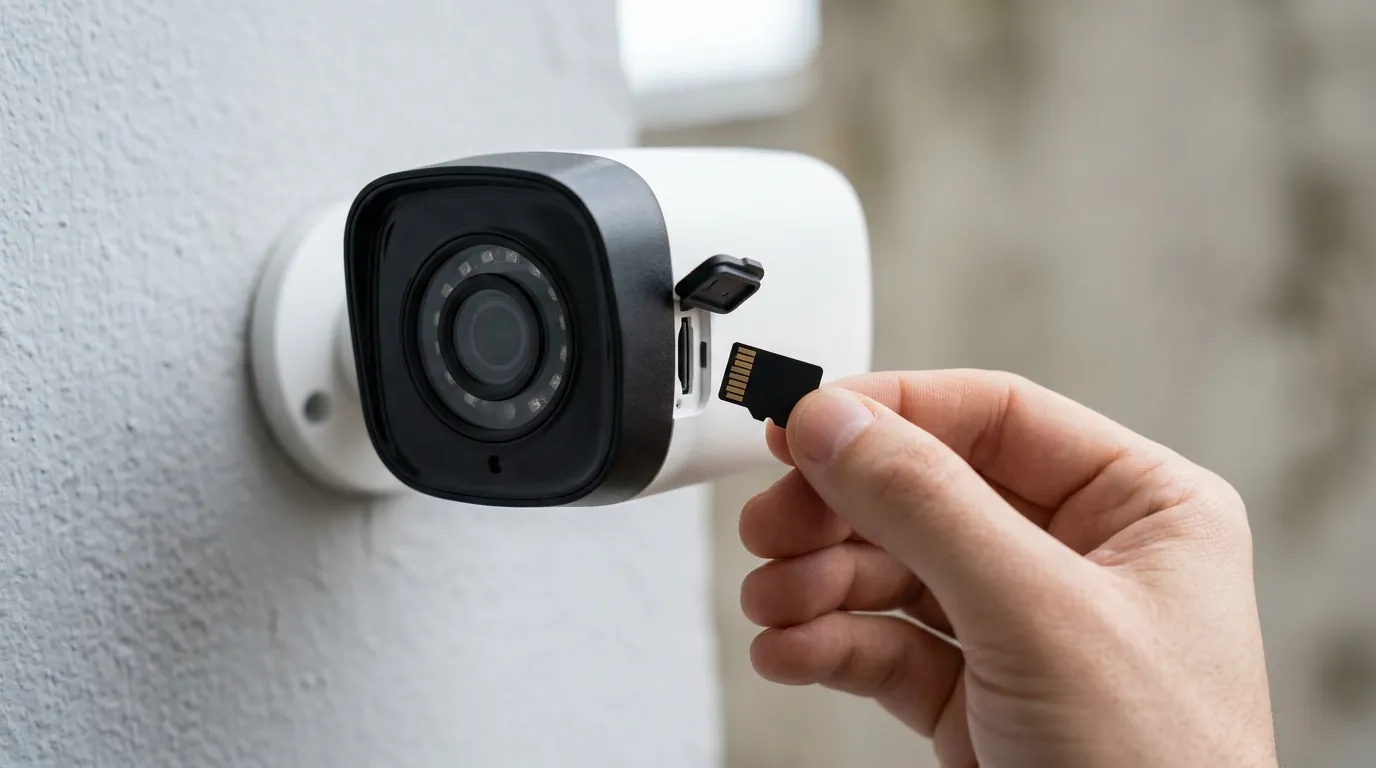
Choosing between Arlo and Ring for your summer cabin depends heavily on your specific needs and priorities:
- If you have no reliable Wi-Fi at your cabin and prioritize cellular connectivity: Prioritize Arlo Go 2. Its integrated 4G LTE ensures continuous monitoring where Wi-Fi is absent.
- If avoiding monthly subscription fees for recorded video is your top priority: Prioritize Arlo with a SmartHub and local storage. This setup allows you to store recordings without a recurring cloud plan.
- If you have stable Wi-Fi and don’t mind a subscription for recorded video: Both Arlo and Ring Wi-Fi cameras are viable. Ring might offer a slightly lower entry price for basic Wi-Fi cameras, but remember the mandatory subscription for recordings.
- If you need advanced AI detection (person, vehicle, package) and cloud storage: Both brands offer these features, but they are typically paywalled behind their respective subscription plans (Arlo Secure or Ring Protect).
- If you are concerned about law enforcement access to footage without consent: Prioritize brands with stricter privacy policies, like Arlo, which has a stronger stance against sharing data without user permission or a warrant compared to Ring’s emergency clause.
Total Cost of Ownership (TCO) Breakdown (3 Years)
Understanding the total cost over several years, not just the initial purchase price, is crucial. This breakdown estimates a 3-year cost for a single outdoor camera setup, assuming typical usage and a desire for recorded video.
Scenario 1: Arlo with Local Storage (Subscription-Averse)
- Hardware:
- Arlo Go 2 Camera: Around $250-300
- Arlo SmartHub: Around $100-150 (if not already owned)
- High-capacity USB drive for local storage: Around $20-40
- Optional Solar Panel: Around $50-80
- Estimated Hardware Cost: $420 - $570
- Subscription Fees (3 years): $0 (for basic local recording)
- Cellular Data Plan (for Arlo Go 2, 3 years): Around $5-10/month, totaling $180-360 over three years (varies by carrier and data usage).
- Total Estimated 3-Year Cost: $600 - $930
Scenario 2: Arlo with Arlo Secure (Cloud & AI Features)
- Hardware:
- Arlo Essential Outdoor 2K Camera: Around $100-150
- Optional Solar Panel: Around $50-80
- Estimated Hardware Cost: $150 - $230
- Subscription Fees (Arlo Secure for 1 camera, 3 years): Around $8/month annually, totaling $288 over three years.
- Total Estimated 3-Year Cost: $438 - $518
Scenario 3: Ring with Ring Protect Basic (Mandatory Cloud Recording)
- Hardware:
- Ring Stick Up Cam Battery/Solar: Around $100-150
- Optional Solar Panel: Around $50-60
- Estimated Hardware Cost: $150 - $210
- Subscription Fees (Ring Protect Basic for 1 device, 3 years): Around $5/month or $50/year, totaling $150 over three years.
- Total Estimated 3-Year Cost: $300 - $360
Key Takeaways on TCO:
- Subscription-Free Advantage: Arlo offers a clear path to avoiding ongoing cloud fees for recorded video if you invest in the SmartHub and local storage. However, if cellular connectivity is needed, the cellular data plan becomes an ongoing cost.
- Ring’s Recurring Cost: Ring’s lower initial camera price is offset by the mandatory subscription for recorded video, making it a recurring expense that quickly adds up.
- Feature Paywall: Both brands lock advanced features like intelligent alerts (person, vehicle detection) behind their subscription tiers. If these are desired, budget for the monthly plans regardless of the brand.
Frequently Asked Questions
Do Arlo cameras work without a subscription?
Yes, Arlo cameras can function without a subscription, especially if paired with an Arlo SmartHub that supports local storage via a USB drive. This allows for motion-triggered recordings to be saved locally, though advanced AI detection features and cloud storage typically require an Arlo Secure plan.
Can Ring cameras record video without a Ring Protect plan?
No, Ring cameras generally require a Ring Protect subscription to access and review any recorded video history. Without a plan, users can view live video feeds and receive motion alerts, but they cannot save, download, or review past events.
What is the typical battery life for outdoor security cameras like Arlo and Ring?
Battery life varies significantly based on usage, activity levels, and environmental factors. Arlo cameras like the Essential Outdoor 2K typically last 3-6 months, while Ring Stick Up Cams are often rated for 6-12 months, though real-world performance can be much shorter with frequent activity. Solar panels can extend these durations considerably.
How do cellular security cameras handle data usage?
Cellular security cameras like the Arlo Go 2 use a SIM card and a data plan, similar to a smartphone, to transmit video and alerts over a 4G LTE network. Data usage depends on the resolution of recordings, the frequency of motion events, and how often live view is accessed. Higher activity and resolution will consume more data.
What are the main privacy differences between Arlo and Ring?
Arlo emphasizes user control over data and states it does not monetize personal data, providing transparency reports. Ring’s privacy policy includes a clause allowing it to share video footage with law enforcement without a warrant in “emergency circumstances,” which has been a point of concern for some privacy advocates.
Sources
- pvrblog.com
- cnet.com
- abouttmc.com — https://www.abouttmc.com/news/tech-news/how-much-data-does-arlo-go-2-use
- youtube.com — https://www.youtube.com/watch?v=0kI-9p5n94M
- geeksonsite.com
- arlo.com — https://www.arlo.com/en-us/cameras/go/VML2030.html
- arlo.com — https://www.arlo.com/en-us/accessories/VMB5000.html
- arlo.com — https://www.arlo.com/en-us/cameras/essential/essential-outdoor-2k.html
- arlo.com — https://www.arlo.com/en-us/cameras/go/arlo-go-2.html
- ring.com
- ring.com — https://ring.com/protect-plans
- ring.com — https://ring.com/products/spotlight-cam-battery
- bestbuy.com — https://www.bestbuy.com/site/ring-stick-up-cam-lte-security-camera-white/6483563.p?skuId=6483563
- security.org
- mozillafoundation.org
- vettedhomegear.com
- kentfaith.com.au
- ring.com
- smartdoorbells.uk — https://smartdoorbells.uk/how-long-do-ring-camera-batteries-last/
- goabode.com
- arlo.com — https://www.arlo.com/en-us/serviceplans
- arlo.com — https://www.arlo.com/en-us/accessories/solar-panel.html
- arlo.com — https://www.arlo.com/en-us/about/privacy-policy.html
- modemguides.com
- techradar.com — https://www.techradar.com/reviews/arlo-pro-4
- tomsguide.com — https://www.tomsguide.com/reviews/ring-stick-up-cam-battery