
Wired vs. Wireless Security Cameras for Apartments: 2026 Guide
Apartment security in 2026 is no longer a binary choice between drilling holes for permanent fixtures or settling for laggy battery clips. New “hybrid-wired” power solutions and the arrival of high-capacity continuous-recording battery units have fundamentally changed the renter’s toolkit.
Quick Answer: In 2026, the best apartment choice is “Hybrid-Wired” or high-capacity battery units like the Reolink Altas PT Ultra, which offers 4K continuous recording without drilling—perfect for avoiding rising Ring/Nest subscription fees.
What happened
Related: Lorex NVR Security Vulnerability CVE-2026-4012: Is Your Footage Safe? · Lorex NVR Firmware Security Patch: July 2026 Release Guide · Blink Camera Credential Stuffing: July 2026 Security Advisory
The landscape of apartment security underwent three seismic shifts between 2024 and 2026. The most significant is the “Subscription Cliff.” For years, entry-level cloud storage was a nominal expense, but major incumbents like Ring and Arlo have transitioned legacy users to new, more expensive tiers. Ring’s 2024 rebranding into Ring Home (Basic, Standard, and Premium) set the stage for 2026 pricing, where professional monitoring and multi-camera AI features often push total costs into the $200/year range.
Second, the Connectivity Standards Alliance (CSA) finalized Matter 1.5 and 1.6 in late 2025. This was the update the industry spent years waiting for: it finally standardized how security cameras stream video across different ecosystems using WebRTC. In 2026, a renter is no longer “locked in” to a specific brand’s app just because they have an Alexa or Google Home setup. You can now stream a Reolink or Eufy feed directly to a Nest Hub or Apple TV with minimal latency, reducing the reliance on proprietary cloud interfaces.
Finally, we have reached the era of “Continuous Battery” technology. Historically, battery cameras were “sleepy” devices—they only woke up when they detected motion, often missing the first few seconds of an event. The 2026 generation of cameras, led by the Reolink Altas series, utilizes massive 20,000mAh cells and ultra-efficient SoCs (System on a Chip) to record 24/7 for several days, or provide weeks of “pre-roll” recording, effectively bridging the performance gap with wired units.
The 2026 Subscription Landscape: Annual Costs
| Brand | Entry Tier (1 Cam) | Multi-Cam Tier | Top Tier (Pro/AI) | Local Storage Option |
|---|---|---|---|---|
| Ring (Home) | Around $50/yr | Around $100/yr | Around $200/yr | No (Cloud-first) |
| Nest Aware | Around $80/yr | Around $150/yr | [Information Unavailable] | No (Cloud-first) |
| Arlo Secure | Around $60/yr | Around $130/yr | Around $180/yr | Limited (via Base) |
| Eufy | $0 (Local) | $0 (Local) | Around $100/yr (Cloud) | Yes (HomeBase 3) |
| Reolink | $0 (Local) | $0 (Local) | Around $70/yr (Cloud) | Yes (SD/Home Hub) |
The End of the $3/Month Era
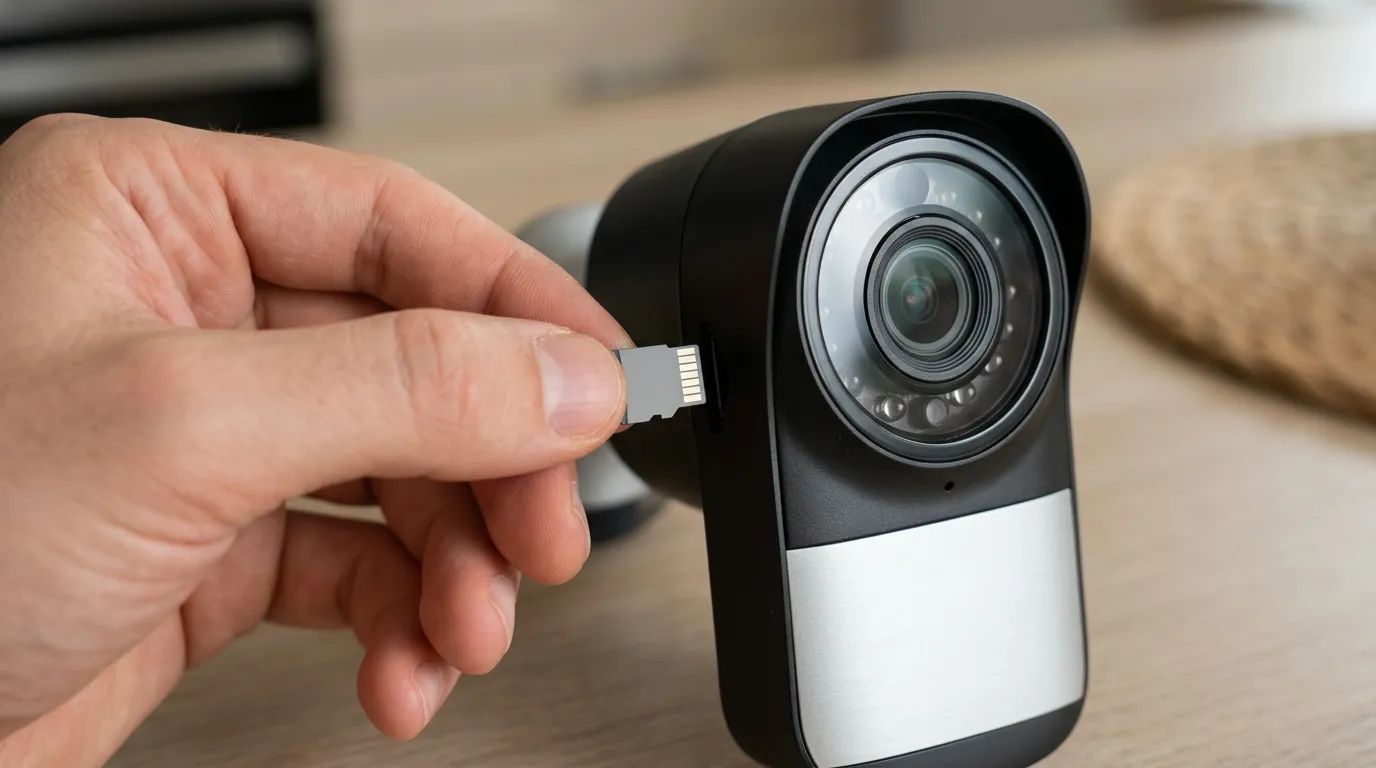
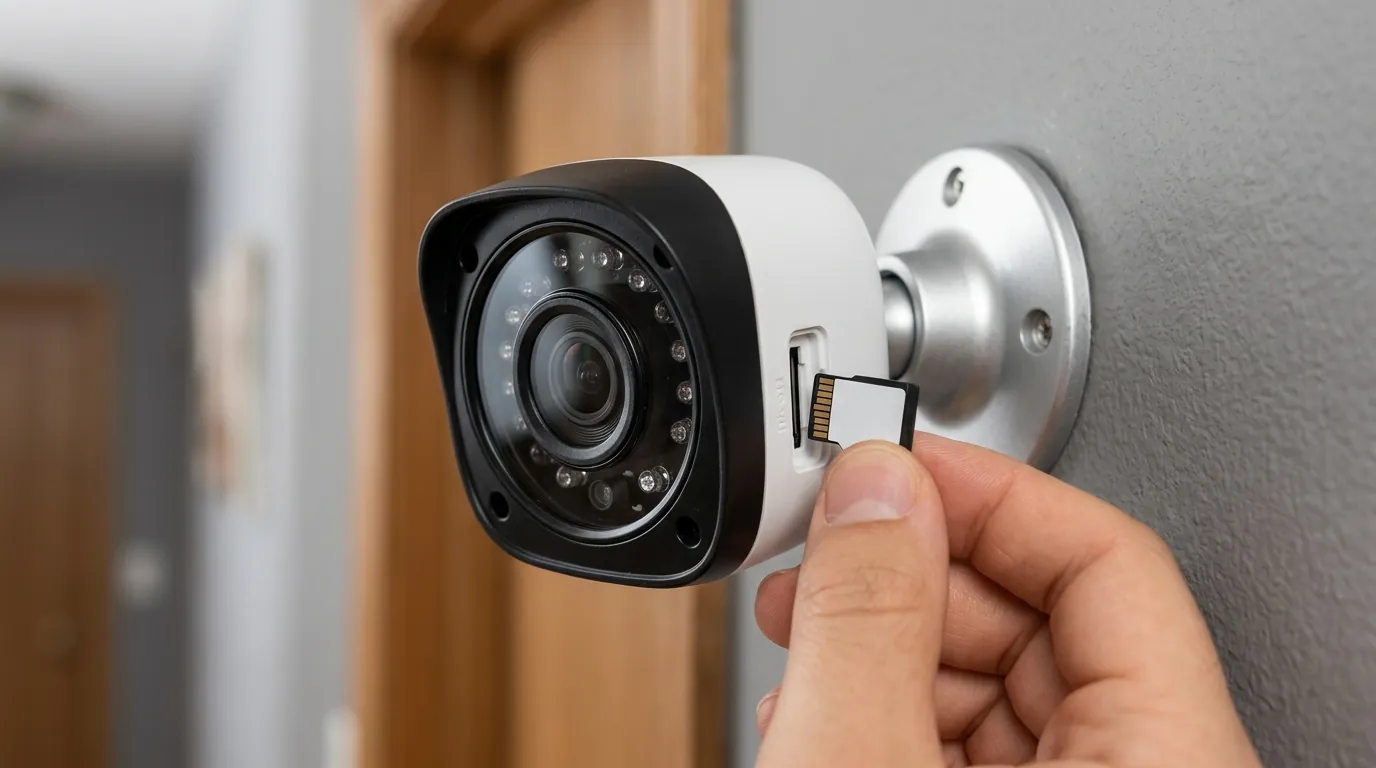
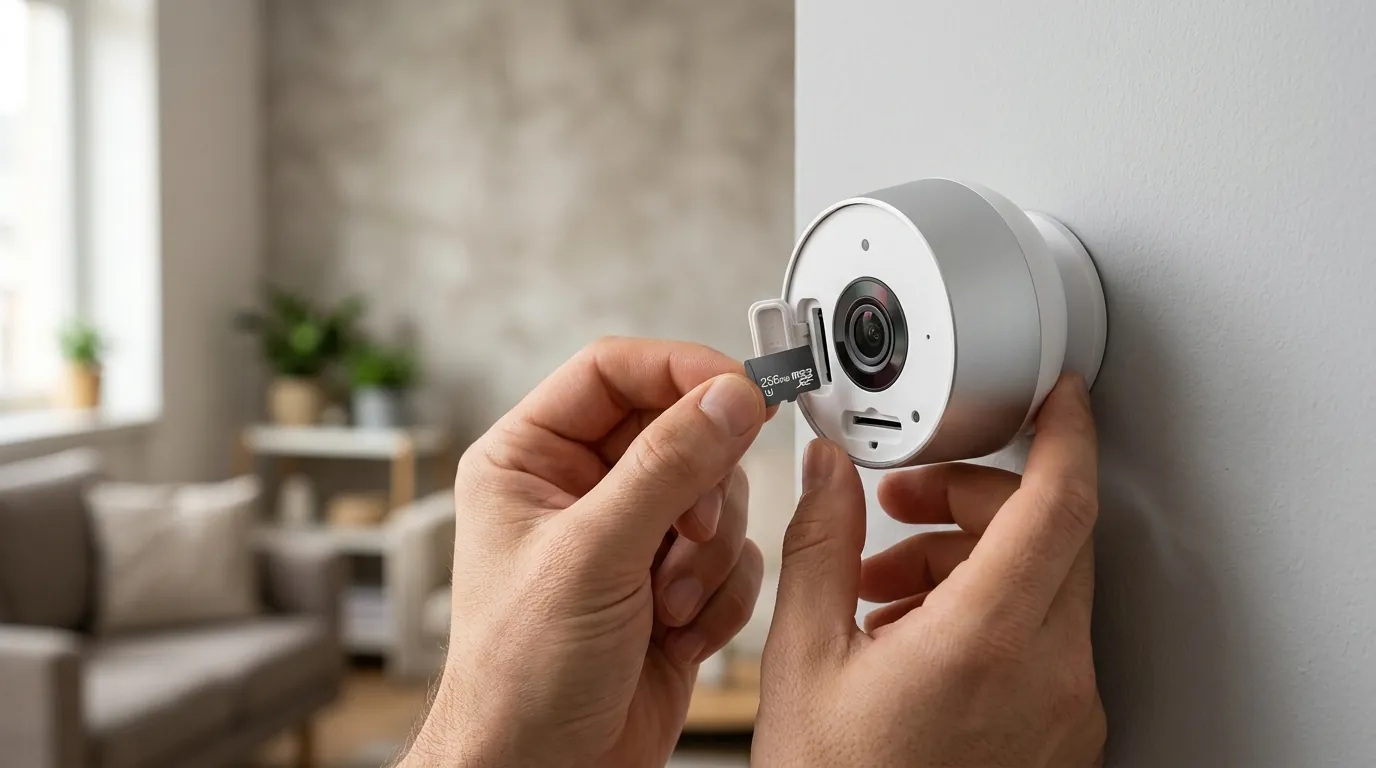
The days of the “coffee-priced” subscription are largely over. Brands have moved toward “feature paywalls,” where even basic AI person detection—once a standard inclusion—now requires a monthly fee. For apartment dwellers on a budget, this has made local-storage hardware (cameras with microSD slots or dedicated Home Hubs) the default recommendation for 2026.
Matter 1.6: Why Your Ecosystem No Longer Dictates Your Hardware
With Matter 1.6, the “Wired vs. Wireless” debate is less about which app you like and more about how you get power to the sensor. Matter’s standardized video classes mean that if you buy a wired PoE (Power over Ethernet) camera for your balcony, it will play just as nicely with your existing wireless doorbell as if they were from the same brand. This interoperability has lowered the barrier for renters to mix-and-match specialized hardware.
Why it matters for buyers
For the average renter, the primary hurdle remains the lease agreement. Most US standard leases in 2026 still strictly prohibit structural modifications, including drilling into exterior siding or door frames.
The “Window Gap” Hack: Wired Power Without the Drill
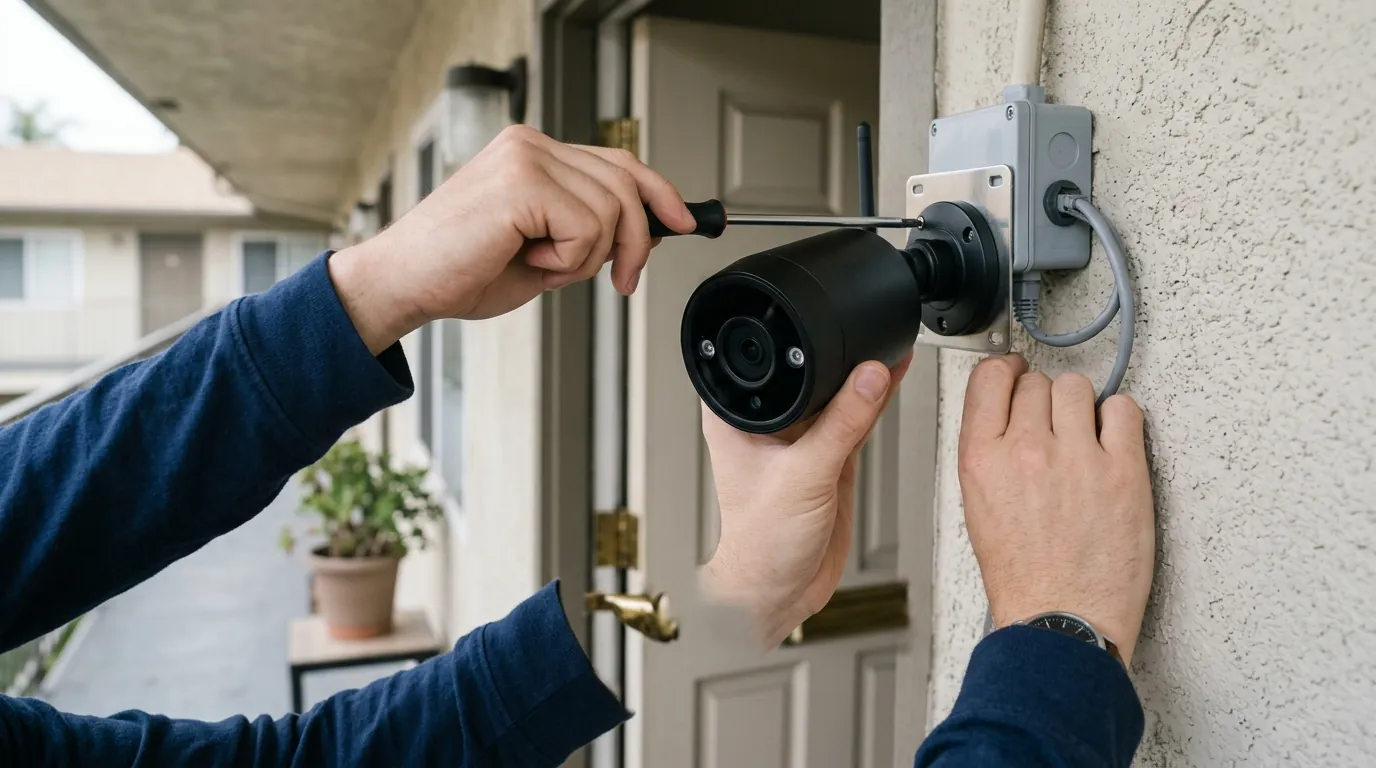
The 2026 market has responded to drilling restrictions with “Hybrid-Wired” solutions. Manufacturers now offer ultra-thin, reinforced USB-C ribbon cables—often called “flat cables”—that are thin enough to pass through the weather stripping of a closed and locked window. This allows a renter to mount a “wired” camera on a balcony or windowsill using high-strength adhesive (like 3M VHB) while drawing continuous power from an indoor outlet. This setup provides the 24/7 recording reliability of a wired system without violating a “no-drill” lease policy.
Reliability vs. Portability
Wireless cameras remain the king of portability. When a lease ends, a battery camera can be popped off its magnetic mount in seconds. However, 2026 testing by independent outlets like RTINGS continues to show that standard battery units suffer from “trigger-to-record” latency.
Benchmark: Trigger-to-Record Latency (2026 Industry Average)
- Wired (Continuous): 0ms (Always recording)
- Battery (High-End with Pre-record): 100ms - 500ms
- Standard Battery (PIR Trigger): 1,500ms - 3,000ms
In a hallway scenario where a package thief moves quickly, a 3-second lag means you only catch the back of their head as they exit the frame. This is why the shift toward continuous-recording battery units is so critical for apartment security.
Local Storage vs. Cloud: The 2026 Privacy Landscape
Data privacy has become a frontline issue. New FTC transparency reports highlight a widening gap in how brands handle user data. Cloud-only brands like Ring and Nest have historically faced scrutiny over police cooperation. While Ring updated its policies in early 2024 to stop allowing police to request footage directly through the Neighbors app, the data still resides on their servers.
In contrast, local-storage brands (Reolink, Eufy) keep the encrypted video on a device inside your apartment. For renters who don’t want their daily comings-and-goings sitting in a corporate database, the “Wireless + Local Storage” combo is the gold standard for 2026.
Impact on existing owners
If you bought your cameras in 2022 or 2023, you are likely feeling the “hardware squeeze.”
Is Your 2023 Camera Obsolete?
Owners of older wireless models are seeing significant capacity drops in 2026. Lithium-ion batteries typically degrade after 300–500 charge cycles. If your camera was triggered frequently, it might now only hold 60% of its original charge.
Furthermore, recent firmware logs for brands like Arlo and older Eufy SoloCams show a trend toward “aggressive power management.” To hide the fact that batteries are aging, manufacturers are pushing updates that shorten clip lengths or increase the “cool-down” period between recordings. This effectively “nerfs” the hardware, making it less reliable for security than it was at launch.
Consolidating Streams: The Rise of the Apartment NVR
A major trend in 2026 is the migration toward “Mini NVRs” (Network Video Recorders). Apartment dwellers are increasingly using hubs like the Eufy HomeBase 3 or the Reolink Home Hub. These devices sit on your media console and wirelessly aggregate the footage from all your cameras—even the battery-powered ones—onto a single, expandable hard drive. This setup provides a “wired feel” (centralized 24/7 management) even if the cameras themselves are wireless.
Secondary Market Value
There is a growing divide in resale value. Subscription-locked cameras (Arlo/Ring) are seeing lower prices on the secondary market. Buyers in 2026 are wary of “bricked” hardware that requires a $10/month fee just to function. Conversely, “vendor-neutral” cameras that support ONVIF or RTSP protocols (common in wired and high-end wireless units) are retaining their value because they can be used with any third-party software or NVR.
What to do now
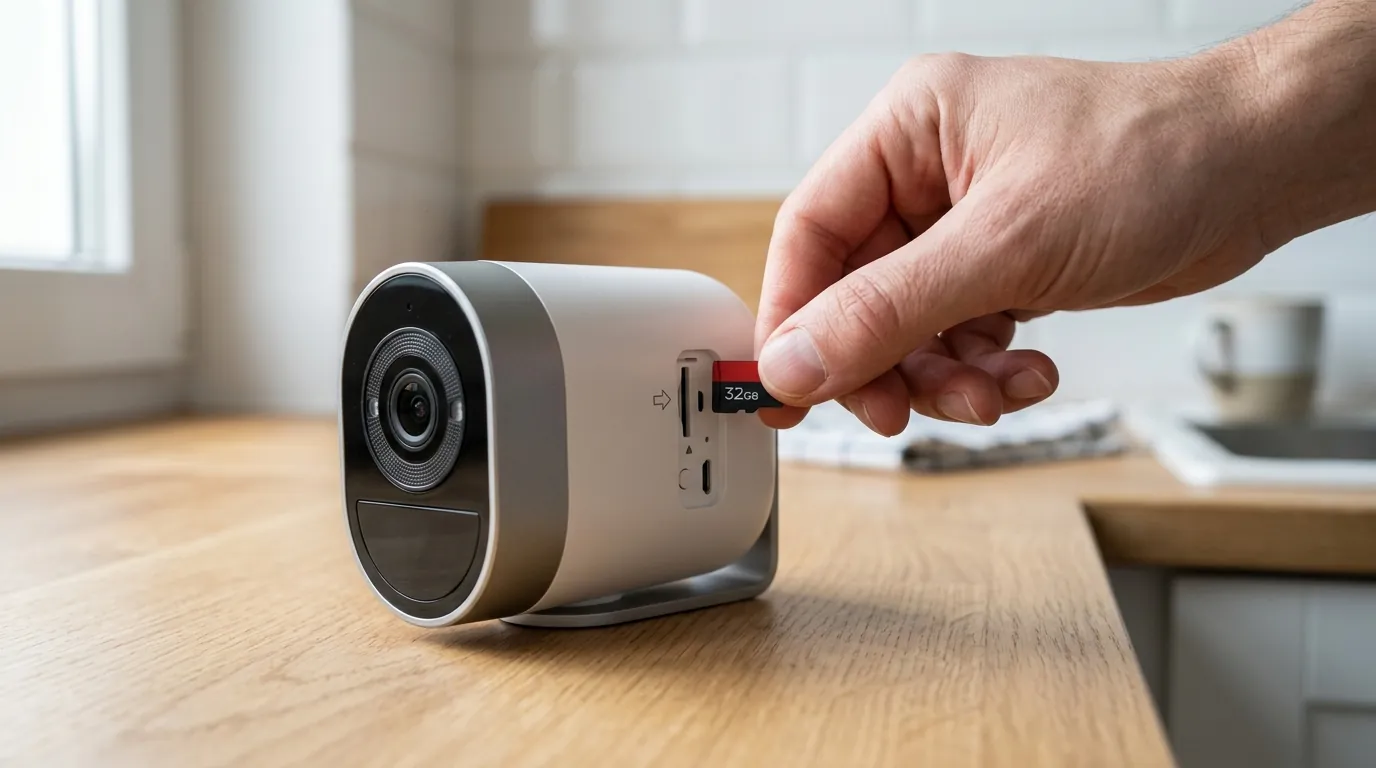
Navigating the wired vs. wireless divide requires a tactical approach based on your specific floor plan and lease.
Step 1: The “Adhesive vs. Screw” Test
Before buying, check your 2026 lease for “Right to Record” clauses. States like California and New York have seen a rise in tenant protections that may allow for minor exterior mounting if it doesn’t damage the “envelope” of the building.
- If you can’t use screws: Stick with lightweight battery cameras or “Hybrid-Wired” units with flat cables and adhesive mounts.
- If you have a balcony: You have the “Wired Advantage.” You can often clamp a camera to a railing or run a flat cable through the sliding door.
Step 2: Selecting Your Storage Strategy
Decide if you are willing to pay the “Subscription Tax.”
- The “Set and Forget” Renter: If you want someone else to manage the storage and don’t mind the $100+/year fee, the Ring/Nest ecosystem is still the most polished.
- The “Privacy-First” Renter: Prioritize hardware with a Home Hub or microSD slot. The total cost of ownership (TCO) over three years will be significantly lower.
Decision Matrix: 2026 Apartment Camera Strategy
| Scenario | Recommended Type | Why? |
|---|---|---|
| Studio / Interior Hallway | Wireless Battery | Low traffic means the battery lasts months; easy to hide. |
| Ground Floor / High Traffic | Hybrid-Wired (Flat Cable) | You need 24/7 recording to catch fast-moving events. |
| Short-term Lease (<6 mo) | Standard Wireless | Maximum portability; no cable management needed. |
| Privacy Conscious | Local Storage (NVR/Hub) | Keeps data out of the cloud and avoids monthly fees. |
The 2026 Apartment MVP: Reolink Altas PT Ultra
If you are tired of missed events and rising fees, the Reolink Altas PT Ultra is the definitive 2026 pick for renters. It solves the “Wireless vs. Wired” dilemma by packing a 20,000mAh battery that allows for true 4K continuous recording. It doesn’t require a subscription, supports local storage, and features “ColorX” technology for full-color night vision without needing a bright, neighbor-annoying spotlight. It is the first battery camera that truly behaves like a wired professional system.
As you finalize your setup, remember that the most expensive camera is the one that doesn’t record when you need it. Whether you go wired or wireless, prioritize a system that offers “pre-roll” or continuous recording to ensure you’re getting the full story, not just a 10-second clip of a disappearing shadow.
Frequently Asked Questions
Can I use a wired camera in an apartment without drilling?
Yes. In 2026, most renters use “flat” USB-C or PoE ribbon cables that are thin enough to pass through a window or door frame without preventing it from locking. You can then use high-strength adhesive mounts or “no-drill” door brackets to secure the camera.
Do wireless cameras record 24/7?
Historically, no, but 2026 models like the Reolink Altas PT Ultra have introduced continuous recording on battery power. However, most standard battery cameras still only record when they detect motion to preserve battery life.
Is local storage better than cloud storage for apartments?
Local storage is generally better for privacy and cost (no monthly fees). However, if a thief steals the camera or the hub itself, you lose the footage. Many 2026 users use a “hybrid” approach: local storage for daily use and a cheap cloud tier for critical “event” backups.
Will my 2026 camera work with Matter?
If the camera is labeled with the Matter 1.5 or 1.6 logo, it will work across different apps (like Apple Home, Google Home, and Alexa). Most major brands released Matter-compatible firmware in late 2025, but you should verify the specific model’s spec sheet before buying.
Sources
- Reolink — Altas PT Ultra Continuous Battery Specs
- Ring — Ring Home Subscription Tier Changes 2024/2025
- Connectivity Standards Alliance — Matter 1.3/1.4 Camera Specification Roadmap
- Ring Blog — Update to Neighbors App Police Request Policy
- Eufy Security — HomeBase 3 Local Storage Compatibility