
Are Smart Locks Safe During Power Outages in 2026? What Buyers Need to Know
A sudden power outage can plunge a home into darkness, but what does it mean for the smart locks guarding your doors? As smart home technology becomes increasingly integrated into our daily lives, understanding how these devices perform under duress, especially during a loss of power, is crucial for both prospective buyers and current owners.
What happened
Related: Eufy Battery Drain Crisis (June 2026): Firmware Fixes & Workarounds · Ring Doorbell Overheating in June 2026: What Buyers Need to Know · Blink Camera Battery Drain in Summer Heat 2026: What Buyers Need to Kn
The landscape of home security has undergone a significant transformation, with smart locks emerging as a central component of modern protection systems. In 2026, these devices are not just about convenience; they’re integral to a comprehensive security posture, offering features like remote access, keyless entry, and integration with other smart home elements, including security cameras. The market has seen a surge in adoption, driven by technological advancements and a growing consumer desire for interconnected, intelligent homes.
Smart Locks: A Growing Pillar of Home Security
Smart locks have evolved beyond simple electronic deadbolts, now incorporating advanced biometric scanners, sophisticated keypads, and seamless smartphone integration. This expansion positions them as a foundational element in a layered home security system, complementing security cameras and alarm systems. The allure of managing home access from anywhere, granting temporary visitor keys, and receiving real-time alerts has made them a popular upgrade for many homeowners and small business operators.
The Power Outage Question: A Lingering Concern
Despite their advanced capabilities, a persistent question for consumers has been the reliability and safety of smart locks during unexpected power outages. This concern is amplified as smart homes become more interconnected, creating a ripple effect when a central utility like electricity fails. Tragic incidents, though rare, where power failures have impacted the operability of certain electronic or biometric locks during emergencies, have brought the ‘fail-secure’ versus ‘fail-safe’ design debate into sharper focus, prompting rigorous examination of how these devices function when the grid goes down.
2026 Innovations Addressing Power Resilience
The security industry, acutely aware of these concerns, continues to innovate. Recent industry developments and product announcements, including those showcased at events like CES 2026, highlight a strong focus on enhancing power management and resilience in smart locks. Manufacturers are introducing solutions such as advanced battery technologies, wireless charging capabilities, and even integrated solar panels for certain outdoor-facing models. For instance, companies like Wi-Charge are developing wireless power solutions that can retrofit existing smart locks, potentially eliminating traditional battery concerns entirely. These innovations aim to provide uninterrupted functionality and peace of mind, ensuring that smart locks remain a reliable security component even when the lights go out.
Why it matters for buyers
Understanding the nuances of smart lock operation during a power outage is paramount for buyers. The distinction between core functionality and advanced smart features becomes critical, as does the ripple effect a power loss can have on your entire security ecosystem.
Smart Lock Functionality: What Stays, What Goes
Most smart locks are designed with independent power sources, typically standard AA or AAA batteries, to ensure their core locking and unlocking mechanisms remain functional during a power outage. This means you can still use physical keys, keypad codes, or fingerprint sensors (if equipped) to gain entry or exit locally. However, advanced features that rely on a home’s internet connection, such as remote control via a smartphone app, real-time notifications, or integration with other smart home devices, will likely be unavailable. Without power to your Wi-Fi router and internet modem, the lock loses its ability to communicate remotely.
The Domino Effect on Your Security Camera System
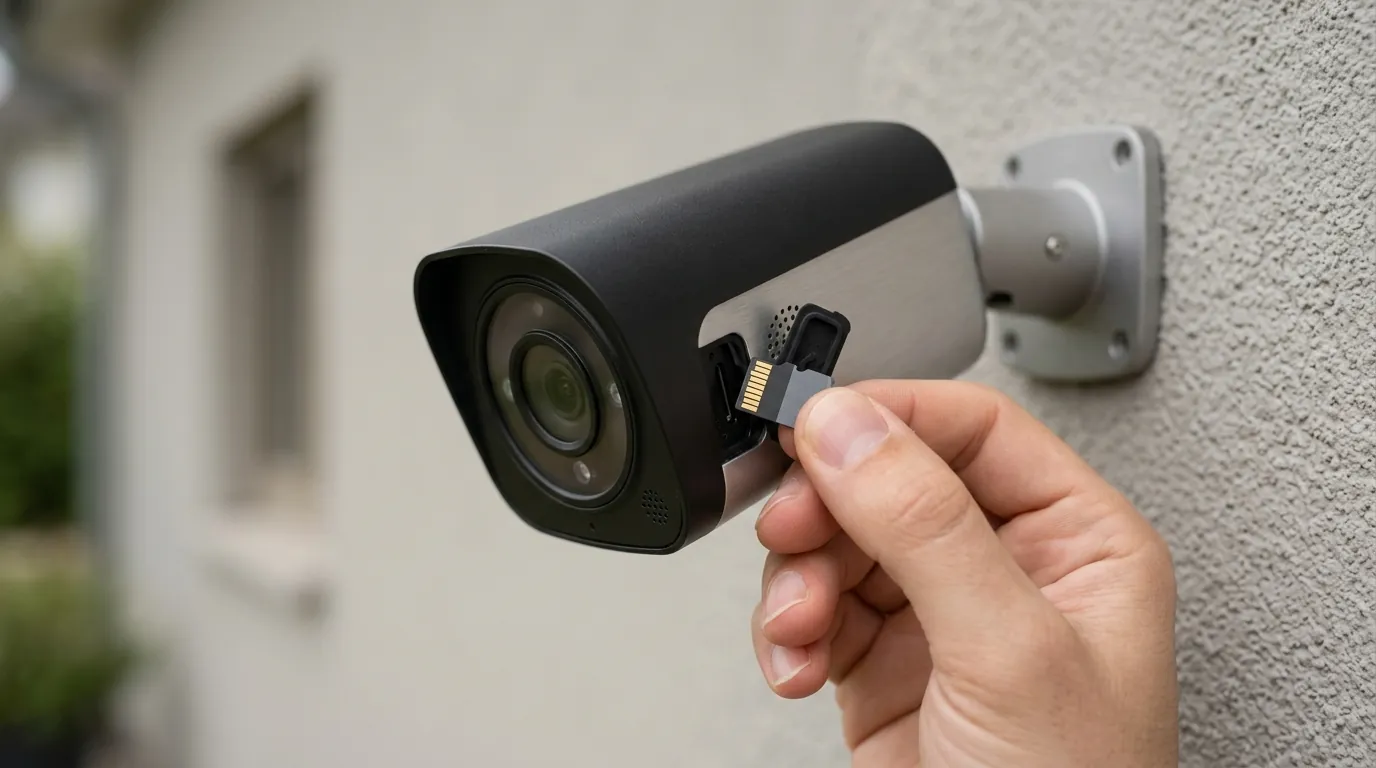
A power outage extends its impact far beyond just your smart lock; it affects the entire smart home security system. Wired security cameras, which depend on a consistent power supply, will cease recording and monitoring unless they are connected to a backup power source like a UPS or a generator. Even battery-powered security cameras, while still able to record locally to an SD card, will lose their ability to send notifications, stream live video to your phone, or upload footage to the cloud without an active internet connection. A smart lock’s app becoming unresponsive during an outage creates a security blind spot, much like offline cameras, as you lose remote visibility and control over access points.
Essential Backup Features to Look For
When selecting a smart lock, prioritizing models with robust backup access methods is crucial for uninterrupted entry and exit during power failures.
- Mechanical Key Override: This is the most fundamental and reliable backup. Many smart locks, like the Schlage Encode Plus, retain a traditional keyhole, allowing entry with a physical key.
- Emergency Power Ports: Some locks feature external contacts for a 9V battery, providing a temporary power boost to the keypad or biometric scanner if the internal batteries die. The Eufy Smart Lock Touch & Wi-Fi, for example, includes a micro-USB port for emergency charging.
- Robust Local Keypad/Biometric Access: Ensure the keypad is durable and responsive, and if considering a biometric lock, verify its reliability and speed.
Connectivity and Battery Considerations
The type of wireless connectivity a smart lock uses significantly impacts its battery life and performance during an internet outage.
- Wi-Fi Direct Locks: These locks connect directly to your home’s Wi-Fi network. While convenient, they often consume more power, leading to shorter battery life, typically around 2-4 months. During an internet outage, remote functions will be lost.
- Z-Wave/Zigbee Locks: These locks communicate with a central smart home hub rather than directly with your Wi-Fi router. They are generally more power-efficient, offering battery life of 12-18 months or more. If the hub has a battery backup, some local automations might still function, but remote access still relies on the hub’s connection to the internet.
- Bluetooth Locks: Primarily used for proximity-based unlocking, Bluetooth locks offer good battery life but their “smart” features are limited to when you are within range of the lock.
Here’s a comparison of popular smart locks and their backup features:
| Smart Lock Model (2026) | Connectivity Type | Estimated Battery Life | Mechanical Key Override | Emergency Power Port | Other Backup |
|---|---|---|---|---|---|
| Schlage Encode Plus | Wi-Fi, Apple HomeKit | Around 6 months | Yes | No | Keypad |
| Yale Assure Lock 2 | Wi-Fi, Bluetooth (optional modules) | 3-6 months (Wi-Fi), 6-12 months (Bluetooth) | Yes (some models) | Yes (9V terminals) | Keypad |
| August Wi-Fi Smart Lock | Wi-Fi | 3-6 months | Relies on existing deadbolt’s key | No | Remote Unlocking (via app, if Wi-Fi active) |
| Eufy Smart Lock Touch & Wi-Fi | Wi-Fi, Bluetooth | Around 12 months | Yes | Yes (Micro-USB) | Fingerprint, Keypad |
Privacy in the Dark: Data Handling During Outages
Privacy remains a critical consideration for smart lock users. During a power outage, local credential verification (e.g., keypad codes, fingerprints) ensures that your entry methods remain private and are processed directly on the device. Activity logs, such as who entered and when, are often stored locally on the lock’s internal memory until connectivity is restored. Once power and internet return, these logs are typically uploaded to the cloud for remote access and historical review. Buyers should always review a manufacturer’s privacy policy and transparency report to understand how data is handled during offline periods, what data is stored locally versus in the cloud, and any third-party sharing practices. For instance, Eufy emphasizes local storage options for its security devices, including smart locks, to enhance user privacy.
Impact on existing owners
For existing smart lock owners, a power outage can present a different set of challenges, primarily revolving around the loss of convenience and the critical importance of proactive maintenance.
Navigating Limited Functionality
When your home loses power and, consequently, internet access, the most immediate impact for existing smart lock owners is the loss of remote control and notifications. You won’t be able to lock or unlock your door from your smartphone app, nor will you receive real-time alerts about who is entering or leaving your home. This means that during an outage, your ability to monitor and manage access remotely is effectively suspended. You will need to rely solely on the local access methods provided by your lock, such as the physical key, keypad, or fingerprint scanner.
The Importance of Proactive Battery Maintenance
Battery management is arguably the most critical aspect for existing smart lock owners to consider during a power outage. While most smart locks provide low-battery warnings weeks in advance, neglecting these alerts can lead to a complete lockout if an outage occurs when batteries are critically low. Regular battery checks and timely replacements are paramount. It’s recommended to proactively replace batteries every 6-12 months, or more frequently for Wi-Fi direct models, rather than waiting for the low-battery notification. Using high-quality, non-rechargeable alkaline or lithium batteries (unless the manufacturer specifies rechargeable ones) is also advisable to ensure optimal performance and longevity.
Troubleshooting Common Outage-Related Issues
Owners might encounter several issues during or immediately after a power outage.
- Unresponsive Keypads/Sensors: If internal batteries are depleted, the keypad or biometric sensor may become unresponsive. This is where emergency power ports or mechanical key overrides become essential.
- Firmware Glitches: Power fluctuations or sudden disconnections can sometimes lead to minor firmware issues, causing the lock to behave erratically or drain batteries faster. In such cases, a battery pull and reinsertion, or a full factory reset (following manufacturer instructions carefully), might be necessary once power is restored. Some older August models have occasionally reported rapid battery drain issues that can be exacerbated by power changes.
- Reconnecting to Wi-Fi/Hub: After power is restored, your smart lock should automatically reconnect to your Wi-Fi network or smart home hub. If it doesn’t, you may need to manually re-establish the connection through the lock’s app or by following the manufacturer’s troubleshooting guide.
Assessing Your Integrated Smart Home Security
For owners with Z-Wave or Zigbee locks, the reliance on a smart home hub adds another layer of consideration. If the hub itself does not have a battery backup, then the local automation and communication with these locks will also cease during an outage, even if the locks themselves are battery-powered. This highlights the need to assess the resilience of your entire integrated smart home security system, not just individual components. Without a battery-backed hub, your smart lock may function locally, but its integration with other devices, like your security cameras, will be severed.
What to do now
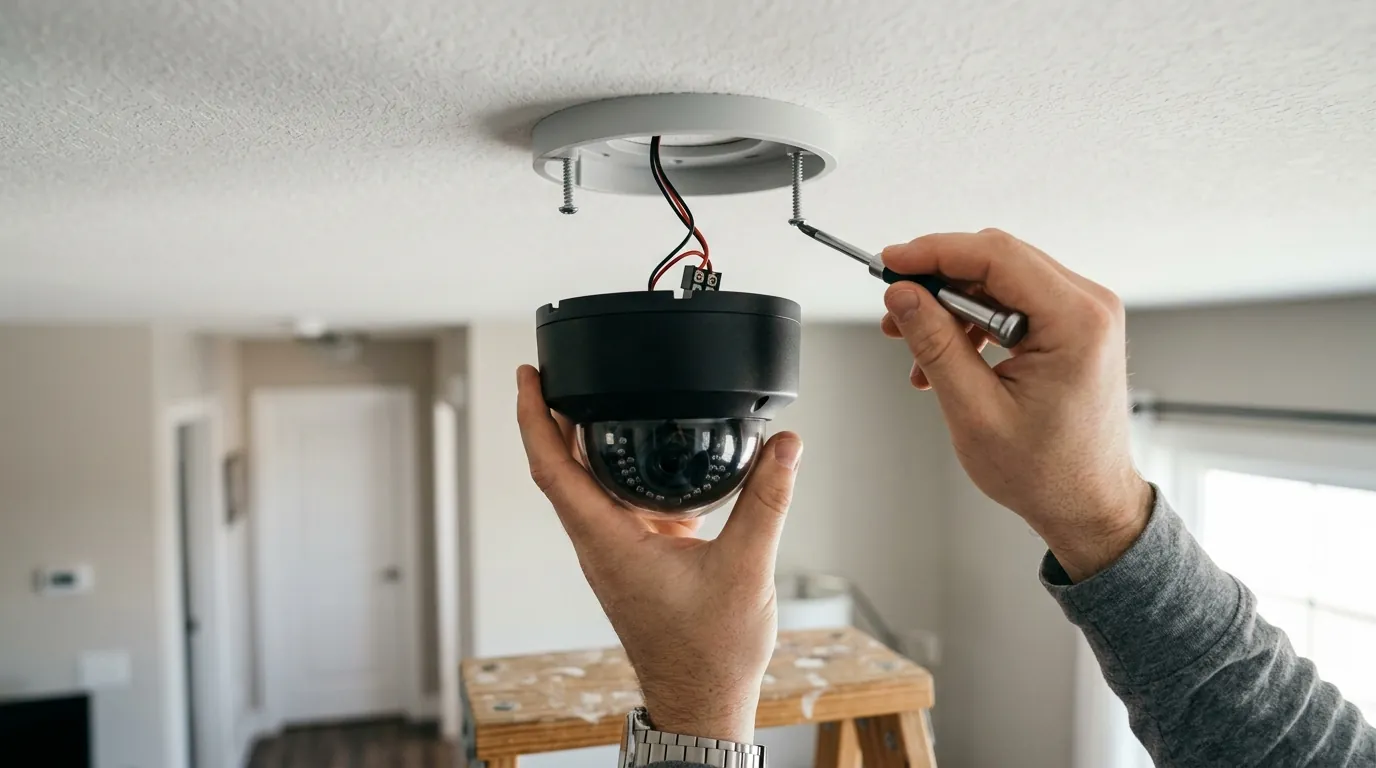
Preparing your smart locks and overall home security system for power outages is a proactive step that can save you stress and maintain safety.
Prepare Your Smart Locks for the Unexpected
- Verify Backup Access Methods: Immediately check that your smart lock has a mechanical key override. Locate your physical keys and ensure they are stored in an easily accessible, yet secure, location outside the home (e.g., with a trusted neighbor or in a combination lockbox). If your lock features an emergency power port (like 9V battery contacts or a micro-USB port), keep the appropriate battery or power bank readily available.
- Establish a Battery Replacement Schedule: Don’t wait for low-battery alerts. Mark your calendar to proactively replace the batteries in your smart locks every 6-12 months, or more frequently for Wi-Fi direct models. Always use the type of batteries recommended by the manufacturer, typically non-rechargeable alkaline or lithium for optimal performance.
- Understand ‘Fail-Safe’ vs. ‘Fail-Secure’: Most residential smart locks are designed to be ‘fail-secure,’ meaning they remain locked during a power loss, requiring a manual override for entry. ‘Fail-safe’ locks, typically found in commercial settings, unlock automatically during a power outage. For home use, fail-secure with a reliable mechanical override is generally preferred for maintaining security.
Strengthen Your Entire Smart Home Security System
- Consider Backup Power for Routers and Hubs: To maintain remote access and smart features for a limited time during outages, invest in an uninterruptible power supply (UPS) for your Wi-Fi router and any smart home hubs (e.g., Z-Wave/Zigbee controllers). A UPS can provide several hours of power, allowing your smart locks to remain connected and your security cameras to continue sending alerts and recording to the cloud.
- Review Your Security Camera Backup: Ensure your security cameras have adequate battery backup or are also connected to a UPS or generator. For wired cameras, this is essential. For battery-powered cameras, consider models with edge recording capabilities, which store footage locally on an SD card even if cloud connectivity is lost. This ensures that surveillance continues even if you can’t access it remotely.
- Regularly Test Your System: Periodically simulate a power outage by temporarily unplugging your main power strip (for non-essential electronics) or flipping a breaker to ensure your smart locks, backup power for your router, and integrated security cameras function as expected in an emergency scenario. This practice helps identify weaknesses before a real emergency.
Stay Updated on Power Solutions
The smart home industry is rapidly evolving. Keep an eye on new technologies that aim to enhance power resilience. This includes developments in wireless power retrofit kits, such as those from Wi-Charge, which can potentially provide continuous power to smart locks without traditional batteries. Similarly, advancements in solar-powered smart locks or those with extended battery life are continuously being introduced, offering more robust options for buyers in 2026 and beyond.
Frequently Asked Questions
Do smart locks work without Wi-Fi?
Yes, most smart locks retain their core locking and unlocking functionality without Wi-Fi. You can typically use physical keys, keypad codes, or fingerprint scanners (if available) for local access. However, remote control, app notifications, and integration with other smart home devices will not work without an active Wi-Fi connection.
How do smart locks get power during an outage?
Smart locks are almost universally battery-powered for their core functions. They use standard batteries (like AA or AAA) to operate the locking mechanism and local input methods. Some models also include emergency power ports, such as 9V battery terminals or micro-USB ports, to provide temporary power if the internal batteries are completely depleted.
Can I be locked out of my house if my smart lock’s battery dies?
It is possible to be locked out if your smart lock’s batteries die and you do not have a backup entry method. This is why it’s crucial to choose a smart lock with a mechanical key override and to diligently replace batteries on a schedule. Many locks provide low-battery warnings weeks in advance to prevent this situation.
Will my security cameras still record if my smart lock goes offline?
Your security cameras’ recording capabilities during a power outage depend on their power source and storage method. Wired cameras will stop recording without backup power. Battery-powered cameras may continue to record locally to an SD card (edge recording) but will lose remote access and cloud storage features if your Wi-Fi and internet are down.
What is the average battery life for a smart lock?
The average battery life for a smart lock varies significantly based on its connectivity type and usage. Wi-Fi direct locks typically last 3-6 months, while Z-Wave or Zigbee locks, which communicate through a hub, can last 12-18 months or more due to their lower power consumption. Factors like frequent use and extreme temperatures can also affect battery longevity.
Sources
- Yale – Yale Assure Lock 2.
- Affordable Lock – What Happens to Your Smart Lock During a Power Outage?
- Black America Web – What to Do When Your Smart Lock Dies.
- BOLD Smart Lock – How does the BOLD Smart Lock work?
- CallOrange Locksmith Tempe – Smart Lock Battery Life.
- SmartWPN – What happens to a smart lock during a power outage?
- Smarteyecctv – Do security cameras work without electricity?
- Icon Garage Door – What Happens to Your Smart Lock During a Power Outage?
- The Connected Shop – The Best Smart Locks for Your Home.
- Wi-Charge – Wi-Charge for Schlage Encode.
- Tools In Action – Fail-Safe vs. Fail-Secure.
- OpIndia – How Do Smart Locks Work During a Power Outage?
- Keyplusys – Smart Lock Power Outage.
- Keyplusys – Do Smart Locks Work During a Power Outage?
- True Home Protection – Do Smart Locks Work During a Power Outage?
- Safemo – How Smart Locks Work During a Power Outage.
- Eufy – Eufy Smart Lock Touch & Wi-Fi.
- Vivint – Smart Locks.
- Smart Home Explorer – Smart Lock Battery Life.
- Eufy – Privacy Policy.
- Faster Locksmith – What Happens to Your Smart Lock During a Power Outage?
- SmartDoorLocks.blog – What Happens to a Smart Lock During a Power Outage?
- Forbes – Smart Lock Battery Life.
- Schlage – Schlage Encode Plus.
- August – August Wi-Fi Smart Lock.
- Bold Smart Lock – How does the BOLD Smart Cylinder work?
- Lockin – Smart Lock Power Outage.
- Classlawdc – August Smart Lock Battery Drain.
- Reddit – r/HomeSecurity Wiki.