
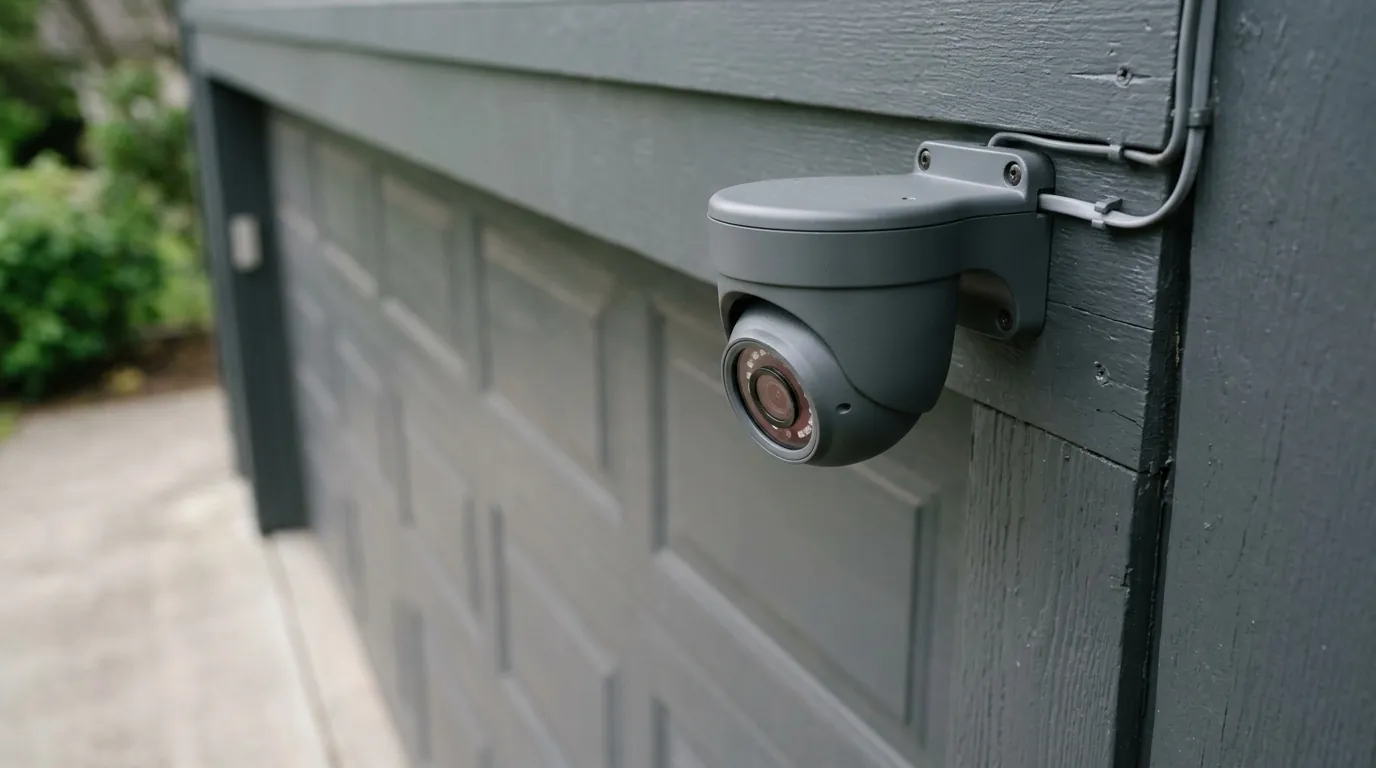
Ring Plugin Not Streaming? July 2026 Update & Privacy Bug Explained
A sudden disruption in security monitoring can leave homeowners feeling vulnerable, especially when the failure stems from a mandatory software update rather than a hardware fault.
Quick Answer: A July 2026 firmware update and the rollout of “Retinal Tuning” AI features (App version [information unavailable as of July 2026]) have caused widespread streaming “unavailable” errors and dashboard plugin failures. Disable Retinal Tuning in AI settings to restore video.
What happened
Related: Eufy Push Notifications Broken in HAOS 2026.6.4: How to Fix · Eufy Security Push Notifications Silent? What Happened July 2026 · Eufy Security & Home Assistant: Unpacking Recent Integration Challenge
The transition into the third quarter of 2026 has been rocky for the Ring ecosystem. Thousands of users participating in third-party integrations have reported a total loss of live-view capabilities, specifically affecting those who rely on the web dashboard or local bridge software to view their feeds.
The Retinal Tuning AI Glitch
The primary culprit appears to be the rollout of “Retinal Tuning,” a new AI enhancement feature designed to optimize video clarity based on focal point tracking. While intended to sharpen images of faces and license plates, the processing overhead introduced in the July 2026 update has created a synchronization error between the camera’s hardware encoder and the Ring cloud. When the app (version [information unavailable as of July 2026]) attempts to apply these tuning parameters, the stream often hangs, resulting in a “Video Unavailable” or “Timed Out” message.
API Deprecation: Why Your Dashboard is Black
For enthusiasts using Homebridge, Scrypted, or Home Assistant, the issue is more fundamental. In March 2026, Ring officially rebranded its “Protect” plans to “Ring Home” (Basic, Standard, and Premium). As of July 2026, legacy API endpoints that these third-party plugins used to fetch authentication tokens have been deprecated. Users are now seeing “403 Forbidden” errors because the new “Ring Home” backend requires a different handshake protocol that many community-developed plugins have not yet fully integrated.
The ‘Unavailable’ Footage Privacy Leak
Perhaps most concerning is the emergence of the “Unavailable” footage bug. Community members on r/HomeSecurity have noted that when the app displays a “Footage Unavailable” error during a live view attempt, the camera may still be uploading data to the cloud. Investigations suggest a permissions conflict between the new “Ring Home” tiers; the “Off” button in the app’s Modes setting may only be restricting user access to the feed while the camera continues “background processing” for AI training, as outlined in the updated Ring Privacy Notice.
Why it matters for buyers
For those currently shopping for a security system or considering an upgrade, the July 2026 update highlights the inherent risks of cloud-dependent hardware.
The Rising Cost of ‘Continuous’ Security
The rebranding to “Ring Home” has introduced a significant price shift. The “Ring Home Premium” tier, which is now required for “Continuous Live View” and advanced AI features, is positioned in the “around $20/month” range. This makes Ring one of the most expensive consumer options on the market when compared to local-storage competitors like Reolink or Eufy, which often provide 24/7 recording with no monthly fee.
The Illusion of ‘Privacy Mode’
The “Unavailable” bug has reignited the debate over “Privacy Mode.” If a software glitch can allow a camera to record while the user has explicitly set it to “Off,” the physical privacy shutter remains the only true guarantee of privacy. Buyers who prioritize data sovereignty should note that Ring’s current architecture relies heavily on “background processing” for its AI features, which requires the stream to be active on the server side even if the user cannot see it.
Vendor Lock-in vs. Open Standards
This update demonstrates the “Ecosystem Fragility” of the Ring platform. Because Ring does not support ONVIF or RTSP, users are entirely dependent on Amazon’s cloud stability. When an update breaks the web dashboard authentication, there is no “local” fallback to view your cameras. In contrast, cameras that support open standards allow users to switch software providers without replacing their hardware.
Total Cost of Ownership (TCO) Analysis: 3-Year Projection
| Expense Category | Ring Home Premium (2026) | Local-Storage Alternative (e.g., Reolink) |
|---|---|---|
| Initial Hardware (3 Cameras) | $450 - $600 | $350 - $500 |
| Monthly Subscription | ~$20/mo | $0 |
| 3-Year Subscription Total | ~$720 | $0 |
| Total 3-Year Cost | $1,170 - $1,320 | $350 - $500 |
Impact on existing owners
If you already own a Ring system, the July 2026 update may have already altered your daily experience, particularly if you use modern mobile hardware or legacy cameras.
The ‘Activating Command’ Loop
Users with wall-mounted tablets (frequently using ActionTiles or Scrypted) are reporting an “Activating Command” hang. This occurs because the tablet’s browser is unable to negotiate the new encrypted stream headers introduced with the “Retinal Tuning” update. The screen remains black, even though motion notifications continue to arrive on mobile devices.
Android 16 and App Crashes
The timing of this update coincides with the rollout of Android 16. Owners of the Samsung S26 Ultra have reported that the Ring app restarts automatically when zooming into “Enhanced” video clips. This appears to be a memory management conflict between the app’s new AI overlay and the high-resolution rendering engine of the S26 Ultra.
End-of-Life for Legacy Ring Hardware
July 2026 marks a final milestone for several older devices. The 1st Generation Stick Up Cam (FCC ID: YOPGS2011MIE) has officially reached “End of Support.” While these devices may still appear in the app, they are losing the ability to stream live video entirely as the cloud backend moves to a codec that the 1st Gen hardware cannot decode.
2026 Ring Hardware Status Table
| Model | Max Resolution | Power Type | 2026 Support Status |
|---|---|---|---|
| Video Doorbell Pro 2 | 1536p | Wired | Fully Supported |
| Floodlight Cam Wired Pro | 1080p | Wired | Fully Supported |
| Stick Up Cam (1st Gen) | 720p | Battery/Wired | End of Life (EOL) |
| Stick Up Cam Pro (2023) | 1080p | Multi | Fully Supported |
What to do now
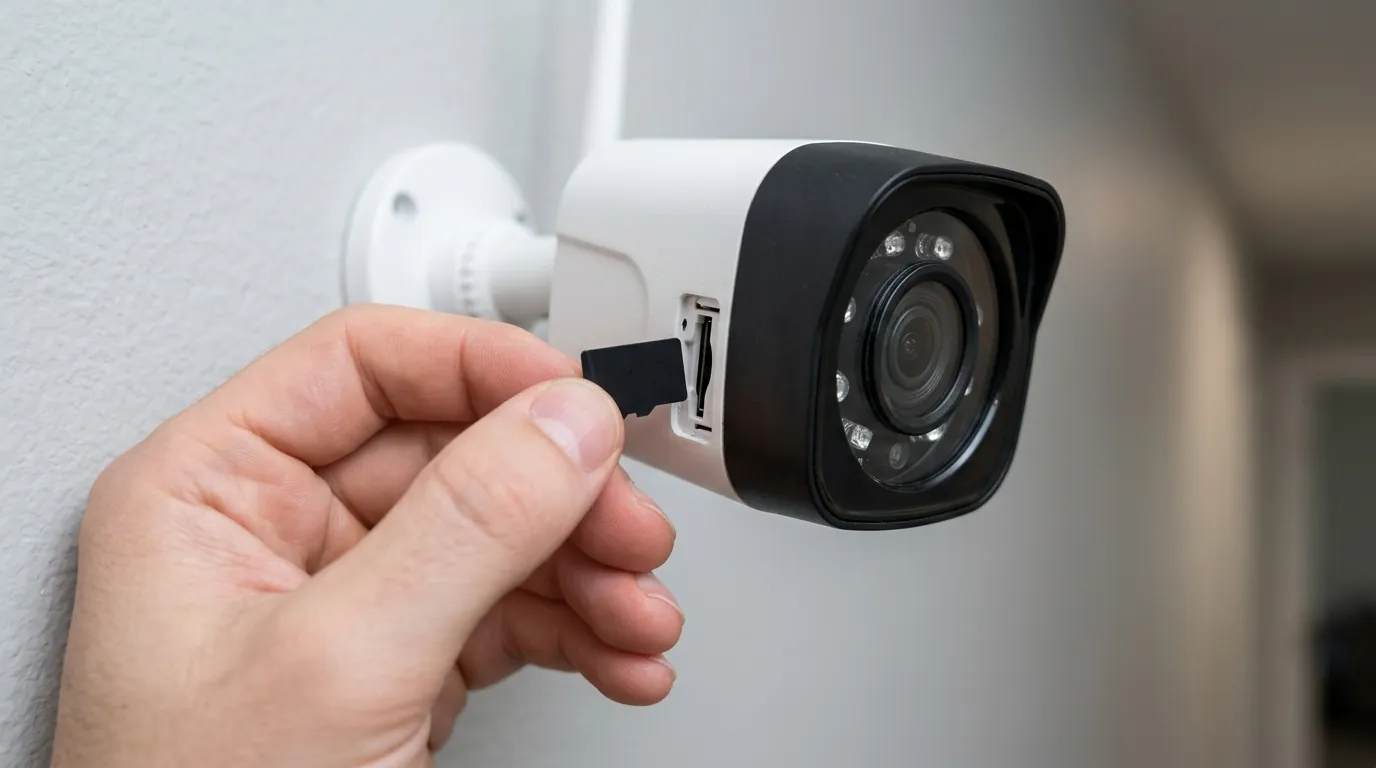
If your Ring plugin is not streaming, follow these steps to restore functionality or mitigate the impact of the July update.
Step-by-Step Troubleshooting Guide
- Disable Retinal Tuning: Open the Ring App > Settings > AI Features. Toggle “Retinal Tuning” to OFF. This is the most effective way to stop app crashes and restore playback for most users.
- Band Steering Adjustment: The July update has shown instability with “Smart Connect” on newer Wi-Fi 7 routers. If your camera supports it, force the device to the 2.4GHz band via your router’s admin panel to improve connection handshake reliability.
- Check Subscription Tier: Ensure your “Ring Protect” plan successfully migrated to “Ring Home.” If your plan lapsed during the transition, your API access for third-party plugins will be revoked.
- Re-authenticate Plugins: If you use Homebridge or Scrypted, you must manually refresh your authentication token. The previous 2FA session may have been invalidated by the July security patch.
Updating Third-Party Plugins
Developers are currently racing to patch the “403 Forbidden” errors.
- Homebridge-Ring: Check the GitHub repository for version [information unavailable as of July 2026] or later.
- Scrypted: Ensure the Ring plugin is updated to the latest version in the Scrypted management console.
- Home Assistant: Watch the integrations page for a core update addressing the “Ring Home” API changes.
When to Abandon the Ring Ecosystem
If your security needs require 100% uptime and integration with third-party dashboards, this update may be the “breaking point.”
Decision Framework: Should You Switch?
- If you are a Renter: Stick with Ring. The ease of “plug-and-play” installation usually outweighs the occasional software bug, and you likely aren’t running a complex smart home dashboard.
- If you are a Homeowner with a Tablet Dashboard: Consider a transition to Reolink. Their cameras support RTSP, which allows for lag-free, permanent streaming on any tablet without relying on a manufacturer’s cloud API.
- If you are Privacy-Focused: Switch to a “Local-First” system. Brands like Eufy (with HomeBase 3) or Reolink offer AI detection that happens on the device itself, rather than in the cloud, preventing the “Unavailable” footage leaks seen in the July update.
The July 2026 update is a reminder that in the world of cloud-connected security, you don’t truly own your hardware—you lease the right to use it, subject to the latest firmware’s stability. Quvii tracks these trade-offs across the category to help you decide when a “smart” feature is actually a liability.
Frequently Asked Questions
Why does my Ring camera say “Video Unavailable” but I still get motion alerts?
This usually indicates a handshake failure between the app and the cloud server. The camera successfully sends the “alert” packet, but the “stream” packet is blocked—often by the new “Retinal Tuning” AI feature or a deprecated API token in the July 2026 update.
Can I downgrade my Ring firmware to fix the streaming issue?
No. Ring does not allow users to roll back firmware. Once a device connects to the Ring cloud, it automatically updates to the latest version mandated by the server. Your only option is to toggle off the problematic features within the app settings.
Is my 1st Generation Ring Stick Up Cam useless now?
As of July 2026, the 1st Gen Stick Up Cam (YOPGS2011MIE) has hit End-of-Life status. While it may still detect motion, the ability to view a live stream is being phased out due to hardware incompatibility with new cloud encryption standards.
How do I stop Ring from using my video for AI training?
You must navigate to the “Control Center” in the Ring app and look for “Video Management” or “Data Usage.” However, note that some “background processing” is required for the camera to function in “Home” or “Away” modes, which may still involve server-side analysis.
Sources
- Ring Protect (Home) Subscription Tiers — https://ring.com/protect-plans
- FCC ID YOPGS2011MIE (Stick Up Cam 1st Gen) — https://fccid.io/YOPGS2011MIE
- Homebridge-Ring Plugin Repository — https://github.com/dgreif/ring
- Ring Privacy Notice and Data Usage — https://ring.com/privacy-notice
- Scrypted Video Integration Platform — https://www.scrypted.app/
- Reolink Subscription-Free Security — https://reolink.com/