
Ring Doorbell Subscription Price Increase 2026: Best Alternatives
As of July 2026, the cost of maintaining a Ring-secured home has reached a significant inflection point, forcing many users to choose between rising monthly overhead or migrating to local-storage alternatives.
Ring’s 2026 price hike moves the entry-tier Ring Solo to around $5/month per device. If you’re tired of fees, the Reolink Video Doorbell Wi-Fi (2nd Gen) offers 5MP resolution and local storage with zero monthly costs.
What happened
Related: Early Prime Day 2026 Home Security Deals: Top No-Subscription Picks · Best Smart Video Doorbells for Apartment Renters 2026 · Ubiquiti UniFi OS Security Vulnerabilities (June 2026): Full Guide
In early 2026, Ring completed a comprehensive restructuring of its subscription ecosystem, moving away from the “Protect” branding that defined the service for nearly a decade. This transition was not merely cosmetic; it accompanied a baseline price increase that has significantly altered the value proposition for single-camera households. The rebranding effort consolidated features into three primary tiers: Ring Solo, Ring Multi, and Ring Pro.
The 2026 Tier Rebrand: Solo, Multi, and Pro
The most immediate change for consumers is the retirement of the “Protect Basic” and “Protect Plus” names. The entry-level plan, now known as Ring Solo, has seen its price adjusted to around $5/month (approximately $50/year) per device. This represents a substantial climb from the legacy $3/month pricing that originally helped Ring dominate the market.
The mid-tier Ring Multi (formerly Home Standard) covers all devices at a single location but has also seen a price adjustment to the $10-12/month range. Finally, Ring Pro has replaced the Home Premium and Alarm-bundled plans. At approximately $20/month ($200/year), this tier is now required for anyone seeking professional monitoring for the Ring Alarm system or access to the newly released 24/7 continuous recording features.
The End of Legacy Grandfathering
April 2026 marked the final deadline for the migration of “Protect Plus 1st Gen” users. For years, early adopters were allowed to maintain professional monitoring and multi-camera cloud storage for around $100/year. As of this spring, those legacy accounts have been fully migrated to the Ring Pro tier. For these long-term customers, the annual bill has essentially doubled overnight to maintain the same level of professional security monitoring they have relied on for years. This move has triggered a wave of “subscription fatigue” among the Ring community, particularly on platforms like r/Ring and r/HomeSecurity.
New Fees for 24/7 Recording
After years of consumer requests, Ring finally rolled out 24/7 continuous video recording (CVR) for its wired and plug-in doorbells in early 2026. However, this feature is not included in the Solo or Multi tiers. To enable CVR, users must either subscribe to the $20/month Pro tier or pay an additional monthly add-on fee per camera. This “feature gating” has been a point of contention, as competitors like Reolink and Amcrest have offered continuous recording to local hard drives for years without recurring fees.
| Feature | Ring Solo (2026) | Ring Multi (2026) | Ring Pro (2026) |
|---|---|---|---|
| Monthly Cost | Around $5 | $10–12 | Around $20 |
| Device Limit | 1 Device | Unlimited (1 Location) | Unlimited (1 Location) |
| Video History | 180 Days | 180 Days | 180 Days |
| Professional Monitoring | No | No | Included |
| 24/7 Recording | No | Optional Add-on | Included |
| Advanced AI Alerts | Basic Person | Basic Person | Familiar Faces / Unusual Event |
Why it matters for buyers
The 2026 price adjustments have shifted the “Total Cost of Ownership” (TCO) calculation for new buyers. When Ring doorbells first gained popularity, the hardware was the primary expense. Today, the subscription fee often exceeds the cost of the hardware within the first few years of operation.
The Rising Cost of ‘Smart’ Features
Ring has increasingly moved its most advanced software capabilities behind the highest paywalls. In 2026, features such as “Familiar Faces” (facial recognition) and “Unusual Event Alerts” (AI-driven detection of packages being moved or gates being left open) are exclusive to the $20/month Pro tier. For a buyer looking for a truly “smart” doorbell, the entry-level Solo plan now feels intentionally handicapped, pushing users toward a $200+ annual commitment.
The Multi-Camera Penalty
The cost gap widens significantly as homeowners expand their security footprint. Under the current 2026 structure, a user with four cameras—a doorbell, two floodlights, and one indoor camera—is forced into the Multi tier to remain cost-effective. If that same user wants professional monitoring for their alarm system, they must jump to the Pro tier. Over a five-year period, a Ring Pro subscriber will spend approximately $1,000 on subscriptions alone, exclusive of the initial hardware costs.
Cloud Dependency and Reliability
The “Hardware-as-a-Service” model means that if a user stops paying the monthly “rent,” their $150-200 doorbell loses almost all utility. Without a subscription, Ring devices do not store video history; they only provide live-view access and basic motion notifications. This total dependency on the Amazon/Ring cloud servers means that internet outages or server-side issues can render the security system blind. Buyers are increasingly prioritizing “local-first” ecosystems where the camera records to an internal SD card or a home-based Network Video Recorder (NVR), ensuring the system works even when the cloud is down.
5-Year Total Cost of Ownership (Estimated 2026)
- Ring Battery Doorbell Pro: Hardware (approx. $200) + 5 Years Solo Sub ($250) = $450
- Ring Pro System (Monitoring): Hardware ($200) + 5 Years Pro Sub ($1,000) = $1,200
- Reolink Doorbell Wi-Fi (2nd Gen): Hardware (approx. $100) + 256GB SD Card ($30) = $130
- Eufy S4 Series Doorbell: Hardware (approx. $200) + No Subscription = $200
Impact on existing owners
For those who already have Ring doorbells installed, the 2026 changes present a difficult choice: accept the higher recurring costs or face a significant reduction in device functionality.
What Happens if You Stop Paying?
Canceling a Ring subscription in 2026 remains a “nuclear option” for the device’s utility. Upon cancellation, users immediately lose access to all saved video clips. If a theft occurs ten minutes after a subscription lapses, there is no way to retrieve the footage. Furthermore, “Rich Notifications”—the feature that shows a snapshot of the activity on your phone’s lock screen—is disabled, leaving users with generic text alerts that require opening the app to see what triggered the motion.
Privacy and Police Cooperation in 2026
Privacy concerns reached a new peak in early 2026 following the “Search Party” ad backlash. The marketing campaign, which encouraged neighbors to use Ring’s AI to help track “suspicious individuals” across multiple properties, was criticized for promoting neighborhood surveillance. Shortly thereafter, Ring announced the cancellation of its long-standing partnership with Flock Safety, a move seen by many as an attempt to regain consumer trust. However, the “Community Requests” feature remains active, allowing police to post public requests for footage in specific areas. While Ring has moved toward more transparent public posting of these requests, the fundamental architecture of cloud-stored video means the data is technically accessible to Ring/Amazon under certain legal conditions.
The Extended Warranty Trap
A often-overlooked perk of the Ring Multi and Pro tiers is the extended warranty on all Ring devices at the location. However, this coverage is strictly tied to an active, continuous subscription. If a user allows their subscription to lapse for even a few days before renewing, the extended warranty is voided for all existing hardware. For owners with older, out-of-warranty floodlight cameras, this effectively tethers them to the monthly fee to protect against hardware failure.
Checklist: Features Lost Without a Ring Subscription
- Video History: No ability to review, save, or share past events.
- Rich Notifications: No image previews in phone alerts.
- Person Detection: Alerts will be triggered by all motion (trees, cars, shadows).
- Cloud Storage: All clips are deleted immediately upon subscription expiration.
- Extended Warranty: Coverage reverts to the original 1-year manufacturer warranty.
What to do now
If you are currently a Ring user or are considering entering the ecosystem, there are several strategic paths to take in light of the 2026 price increases.
Option 1: Minimizing Your Ring Bill
For those deeply embedded in the Amazon Alexa ecosystem, staying with Ring may still be the most convenient path. To mitigate the price hike:
- Switch to Annual Billing: Paying for a full year upfront typically saves between 15% and 20% compared to the monthly rate.
- Audit Your Devices: If you have multiple cameras but only truly care about the front door, consider downgrading from a Multi plan to a single Solo plan for that specific device.
- Leverage “Snapshot Capture”: Even without a subscription, some Ring devices allow for basic snapshots, though this is a poor substitute for video.
Option 2: The Best ‘Subscription Killer’ Alternative
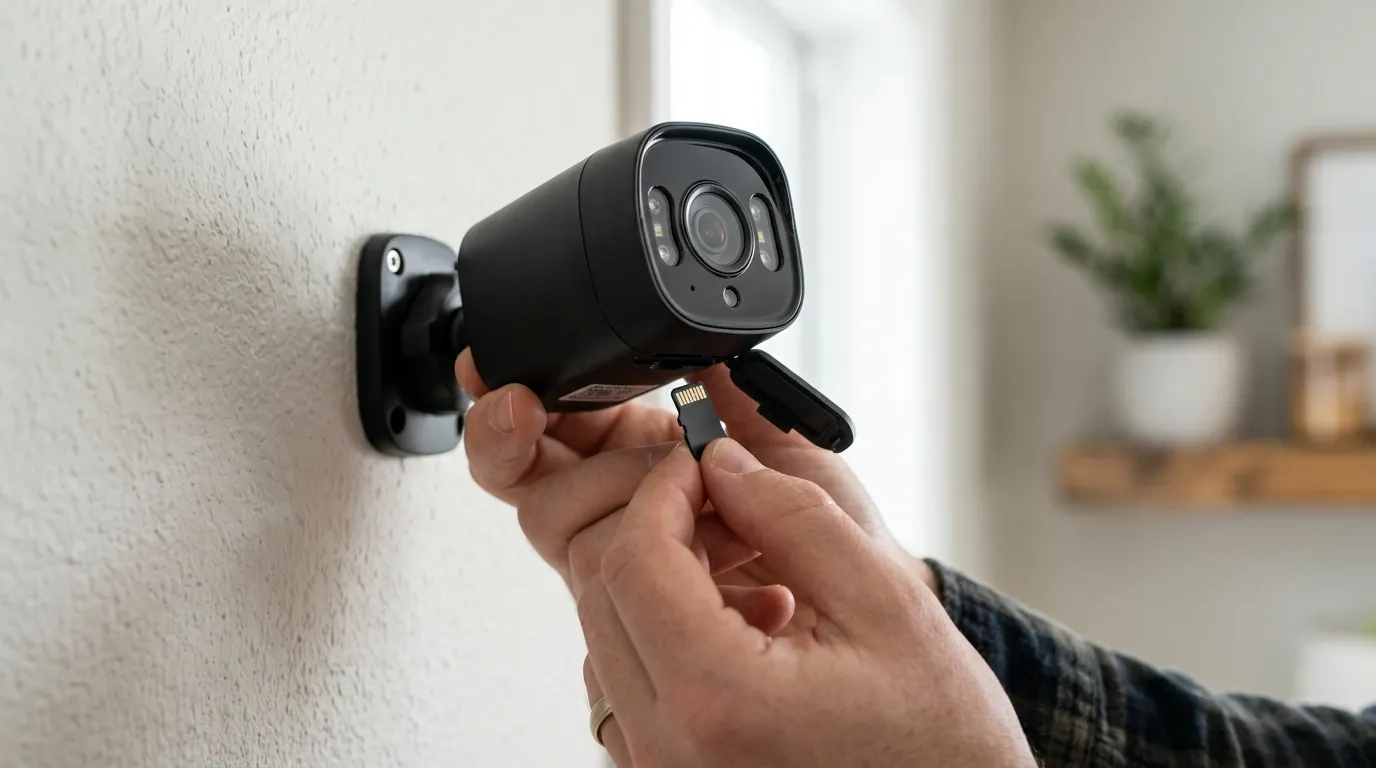
The Reolink Video Doorbell Wi-Fi (2nd Gen) has emerged in 2026 as the primary recommendation for those looking to exit the subscription cycle. Unlike Ring, Reolink cameras include a microSD card slot for local storage and support ONVIF/RTSP protocols, allowing them to record directly to a third-party NVR or NAS.
The 2nd Gen Reolink offers 5MP resolution, which provides significantly better clarity for license plates and facial details than the standard 1080p or “expanded” 1536p found on many Ring models. Most importantly, features like person and vehicle detection are processed on the camera itself, meaning they remain free forever.
How to Migrate from Cloud to Local Storage
Transitioning from a cloud-dependent system to a local-storage setup requires a slight shift in mindset regarding hardware.
- Storage Hardware: You will need to purchase high-endurance microSD cards (designed for constant overwriting) or a dedicated NVR like the Reolink RLN8-410.
- Power Requirements: While Ring is famous for its battery-powered options, local-storage cameras perform best when wired, as constant recording or high-resolution AI processing consumes more power.
- Remote Access: Modern local-storage brands like Reolink and Eufy still offer apps for remote viewing and notifications. The only difference is that the video is being pulled from your home instead of an Amazon server.
Spec Comparison: Ring vs. Reolink (2026 Models)
| Spec | Ring Battery Doorbell Pro | Reolink Video Doorbell Wi-Fi (2nd Gen) |
|---|---|---|
| Resolution | 1536p HD+ | 5MP (1920p) |
| Field of View | 150° Horizontal / 150° Vertical | 134° Horizontal / 97° Vertical |
| Storage Type | Cloud Only | MicroSD / NVR / FTP |
| Monthly Fee | Required for Video History | $0 |
| AI Detection | Cloud-Processed (Paid) | Edge-Processed (Free) |
| Power | Battery or Wired | Wired (16-24V AC or 24V DC) |
Decision Framework: Which Path Should You Choose?
- The Renter: If you cannot drill holes or modify wiring, stick with Ring or Eufy’s battery models. Ring’s battery ecosystem remains the most mature, even with the subscription overhead.
- The Privacy Advocate: Prioritize Reolink. By keeping your footage on a physical card or NVR inside your home, you eliminate the risk of third-party access or law enforcement requests without a warrant.
- The Smart Home Power User: Look toward Eufy’s S4 series. Their 2026 models offer advanced AI tracking and “HomeBase” integration that provides a bridge between local storage and high-end AI features without a mandatory monthly fee.
- The Budget-Conscious Homeowner: The Reolink Video Doorbell is the clear winner. The hardware is frequently found in the $80-110 range, and with no monthly fees, it pays for itself compared to a Ring setup in less than 18 months.
Quvii tracks these trade-offs across the category to help consumers navigate the increasingly complex landscape of home security costs.
Frequently Asked Questions
Can I still use my Ring doorbell without any subscription in 2026?
Yes, but its functionality is severely limited. You will receive real-time motion alerts and can access a “Live View” to see through the camera in real-time. However, you will not have any saved video history, and you cannot review events that happened even a few minutes ago.
Does Reolink offer a battery-powered doorbell for renters?
Yes, Reolink offers a battery-powered version of their video doorbell. While it lacks the 24/7 continuous recording capability of the wired version (to preserve battery life), it still supports local storage on a microSD card with no monthly fees for motion-based recording.
What is the “Search Party” feature Ring introduced in 2026?
“Search Party” was a marketing initiative for a set of AI features that allowed users to opt-in to a community-wide search for specific objects or clothing descriptions. Due to privacy concerns regarding the potential for automated profiling, the feature faced significant backlash and led to Ring scaling back its third-party data-sharing partnerships.
Is Eufy’s local storage truly private after their previous security issues?
Following their 2022-2023 privacy disclosures, Eufy implemented more robust end-to-end encryption and clearer UI indicators for when data is being sent to the cloud (such as for push notifications). In 2026, their S4 series is considered a strong local-storage contender, though privacy-first users often still prefer Reolink due to its lack of mandatory account-cloud syncing for basic functions.
Sources
- Ring Official Subscription Tiers — https://www.ring.com/protect-plans
- Reolink Product Specifications — https://reolink.com/product/reolink-video-doorbell-wifi/
- Ring Privacy and Law Enforcement Policy
- PCMag: The Best Video Doorbells for 2026 — https://www.pcmag.com/picks/the-best-video-doorbells
- Reddit Home Security Community Wiki — https://www.reddit.com/r/homesecurity/wiki/index