
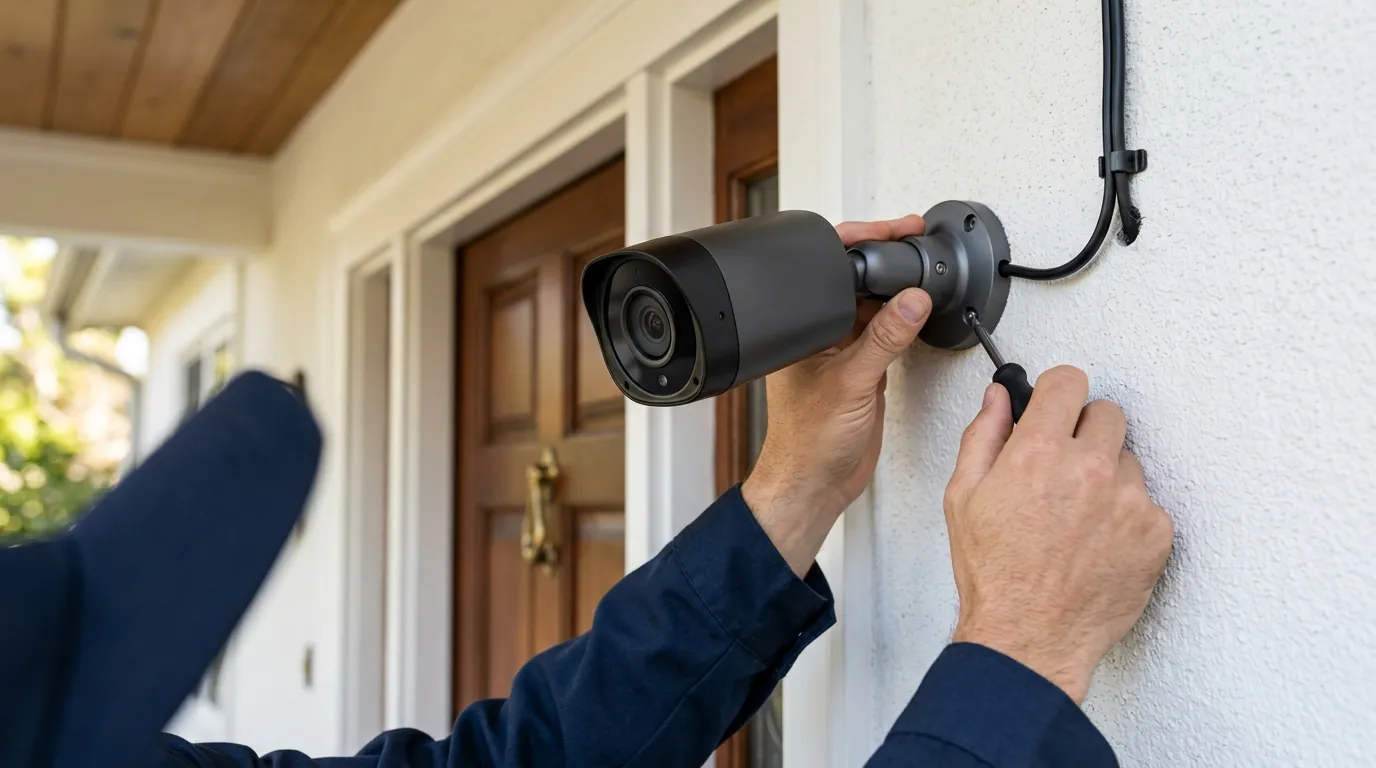
Ring Doorbell Server Outage? September 2026 Status & Fixes
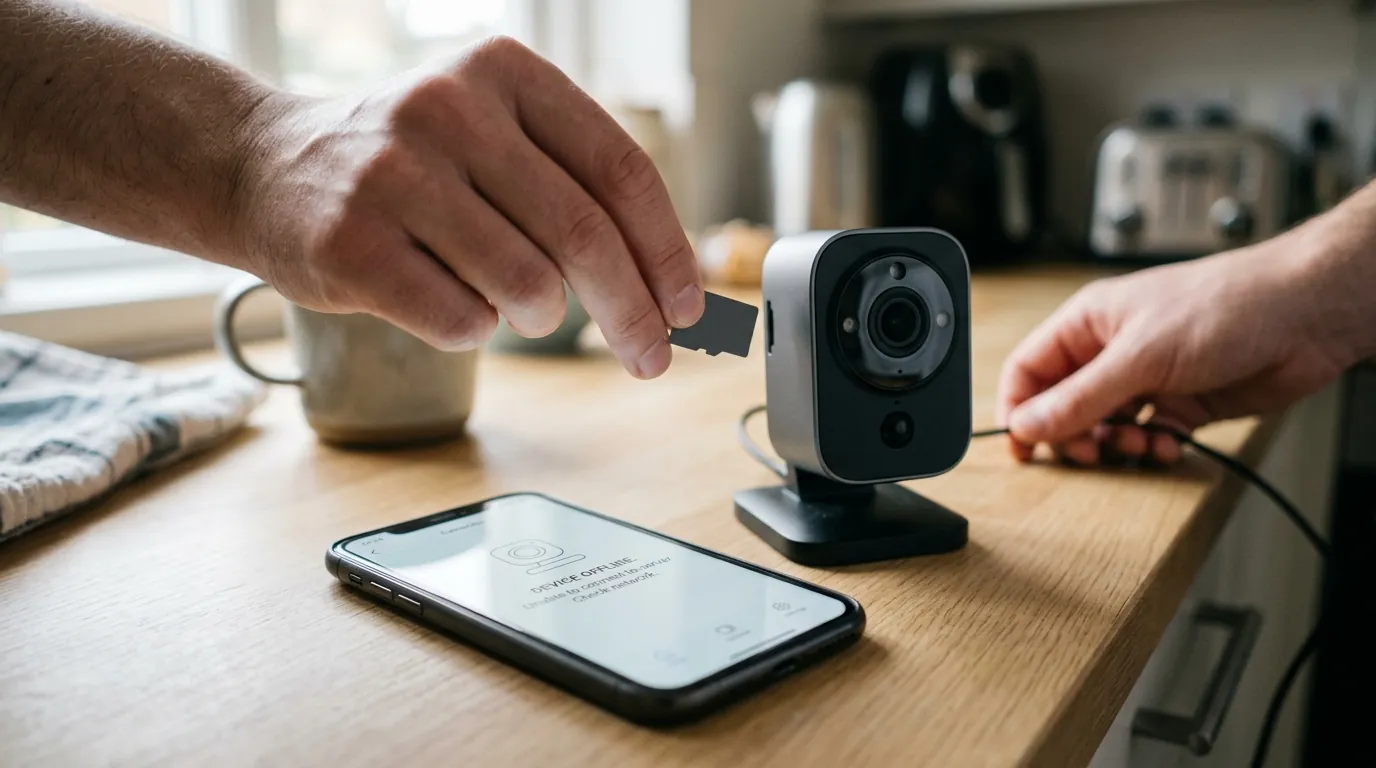
If your Ring doorbell has stopped responding or displays a “Device Offline” message in mid-September 2026, you are not alone, as recent service disruptions and security protocol updates have impacted connectivity for thousands of users.
As of September 17, 2026, Ring’s official servers are operational. If your doorbell is offline, it is likely a local Wi-Fi issue or a conflict with the firmware update released in early September 2026. Check your RSSI in Device Health; if the server status is green but your device remains unresponsive, a local handshake error related to the new “TAKE” encryption standard is the most probable culprit.
The symptom
Related: Arlo Ultra Motion Detection Not Working? September 2026 Fixes · Fix: Ring Doorbell Entity Unavailable in Home Assistant (2026) · Arlo Pro 2 Cloud Storage Not Recording? 2026 Troubleshooting
When a Ring system experiences a server-side disruption or a firmware-induced connectivity loop, the symptoms are distinct from a simple dead battery. In September 2026, users have reported a specific set of behaviors that suggest the device is struggling to maintain a secure “handshake” with Ring’s cloud infrastructure.
The most common symptoms include:
- The “Device Offline” Banner: A persistent red or gray banner appearing at the top of the Ring app dashboard, even if your home Wi-Fi is functioning for other devices.
- Live View Failures: The app remains stuck on a “Loading” or “Activating Device” screen. In many cases, this times out after 20-30 seconds with a “Streaming Error” message.
- Chassis Light Patterns: The LED ring on the doorbell itself may display a spinning or flashing blue light for extended periods, indicating it is attempting to reconnect to the network or download a pending update.
- Notification Latency: Significant delays—sometimes exceeding 30 seconds—between a physical button press and the push notification arriving on a mobile device.
In some instances, the doorbell may appear “Online” in the Device Health menu but fail to actually record events or trigger the Chime. This “zombie” state often points to a failure in the media server routing rather than a total cloud outage.
What’s likely happening
While the official Ring Status page is the first place to check, it often lags behind regional outages by 30 to 60 minutes. During the mid-September 2026 service fluctuations, community reports on platforms like Downdetector and r/Ring indicated spikes in connectivity issues that were not immediately reflected on the official dashboard.
The Sept 2026 Firmware Rollout
In early September 2026, Ring began deploying a significant firmware update across the Video Doorbell 4 and Video Doorbell Pro 2 product lines. While the specific version number has not been publicly disclosed in the official changelog as of September 17, 2026, this update appears to be the catalyst for intermittent reconnection loops.
The update includes foundational changes to support the “TAKE” (Throw Away the Key) encryption standard. This protocol is designed to enhance user privacy by rotating encryption keys more frequently, but it requires a perfect, uninterrupted connection during the initial key exchange. If the connection is interrupted—even for a millisecond—the doorbell may enter a “locked” state where it refuses to communicate with the server until a hard power cycle is performed.
Regional CDN Latency vs. Global Outage
Not all “outages” are global. Ring utilizes Content Delivery Networks (CDNs) to route video traffic to the server node closest to your home. In September 2026, regional latency issues in the US Northeast and parts of Western Europe caused “Device Offline” symptoms for users in those specific areas, while users in other regions remained unaffected. This explains why your neighbor’s Ring might work perfectly while yours remains unresponsive.
| Date (2026) | Event Type | Status / Artifact |
|---|---|---|
| Sept 10 | User Reports | Spike in “Push Notification Failure” reports on Downdetector. |
| Sept 12 | Regional Latency | Latency detected in Northern Virginia (US-East-1) routing nodes. |
| Sept 14 | App Update | Ring releases iOS/Android app updates to address TAKE handshake errors. |
| Sept 17 | Current Status | Systems Operational; residual issues linked to local firmware/app mismatch. |
Quick fixes (in order of likelihood)
Before assuming the hardware has failed, follow these steps to resolve the most common 2026 connectivity conflicts.
The 30-Second Power Cycle
The most effective way to force a fresh server handshake and clear a “TAKE” encryption hang is a hard power cycle.
- For Battery Models: Remove the Quick-Release Battery Pack for a full 30 seconds, then reinsert it.
- For Wired Models: Turn off the breaker powering the doorbell for 30 seconds. This forces the device to clear its temporary cache and request a new security token from Ring’s servers.
Checking the RSSI Signal
In the Ring app, navigate to Device Health and locate the RSSI (Received Signal Strength Indicator). Even if your Wi-Fi worked fine last month, environmental changes or new interference can degrade the signal.
| RSSI Value | Signal Quality | Likelihood of “False” Outage |
|---|---|---|
| -40 to 0 | Excellent | Very Low |
| -60 to -41 | Good | Low |
| -70 to -61 | Poor | High (Live View will likely fail) |
| -71 or lower | Critical | Extremely High (Device will drop frequently) |
If your RSSI is higher than -60, the “outage” you are experiencing is likely local signal degradation.
Updating the Ring App for “TAKE” Encryption
Because of the new encryption protocols introduced this month, using an outdated version of the Ring app can lead to credential conflicts. Ensure your smartphone is running the latest version from the Apple App Store or Google Play Store. If the app is already updated but still failing, try clearing the app cache (Android) or “offloading” and reinstalling the app (iOS) to clear any corrupted session tokens.
Deeper diagnostics
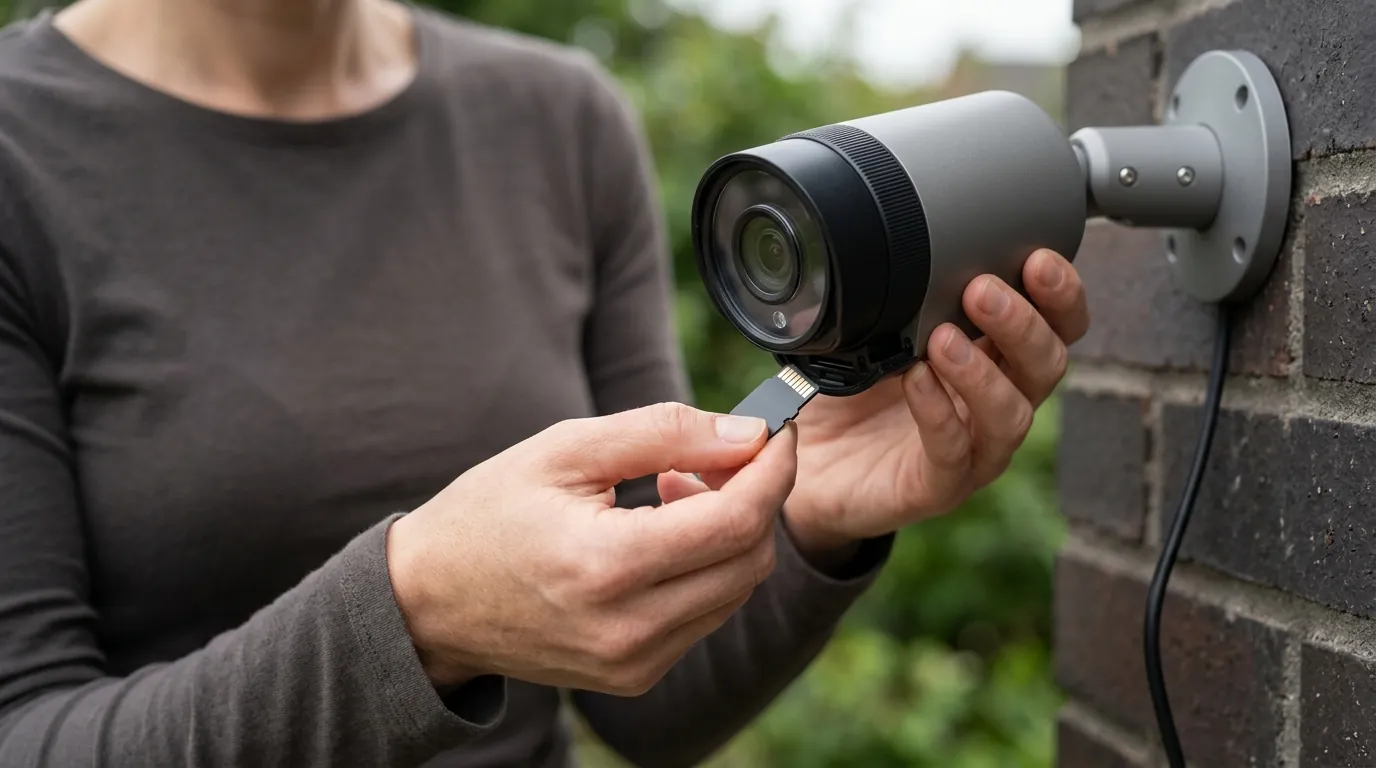
If a power cycle and app update do not restore service, the issue may lie within your network’s handling of Ring’s cloud traffic.
Router Channel Congestion
Modern routers often use “Smart Connect” to merge 2.4GHz and 5GHz bands into a single SSID. While convenient, older Ring Pro models and some 2nd Gen Doorbells can struggle when the router attempts to force them onto the 5GHz band, which has inferior wall penetration. If your doorbell is mounted behind brick or stucco, the 5GHz signal may be too weak to maintain the “TAKE” encryption stream, causing the device to drop.
Static IP and DHCP Reservations
When a router reboots after a power flicker, it may assign a new IP address to your doorbell. If the Ring server is still looking for the previous IP, it can cause a “Device Offline” error. Assigning a Static IP or DHCP Reservation via your router’s admin panel ensures the doorbell always occupies the same internal address, stabilizing the connection.
The Impact of Mesh Network Node Handoffs
If you use a mesh Wi-Fi system (like Eero or Orbi), your doorbell may “stick” to a distant node instead of the one closest to the front door. This is known as a “sticky client” issue. Check your mesh app to see which node the doorbell is connected to. If it is connected to a distant node, you may need to temporarily disable that node to force the doorbell to pair with the closer one.
When to contact support
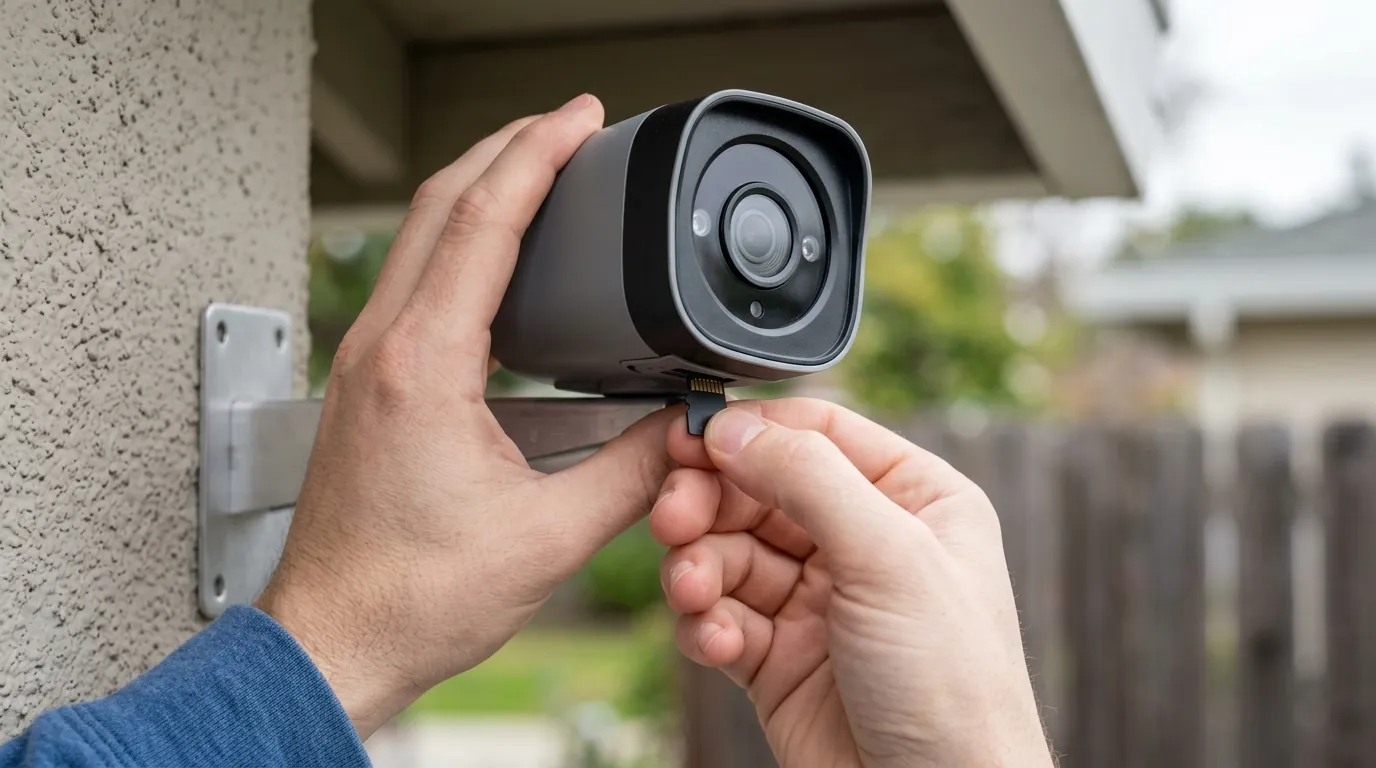
Hardware failure is rare but possible, especially following a major firmware push.
Identifying Hardware Failure
If your doorbell fails to enter “Setup Mode” (indicated by a spinning white light) after holding the setup button for 20 seconds, the internal Wi-Fi radio may have failed. This is more common in devices that have been exposed to extreme heat or frequent power surges.
Warranty and End-of-Support Dates (Dec 2026)
It is important to track the lifecycle of your hardware. Ring provides security updates for its devices for at least four years after the device was last available for purchase on Ring.com.
According to Ring’s Software Security Updates policy, several older models are approaching or have passed their guaranteed update windows:
- Ring Video Doorbell (1st Gen): Guaranteed security updates ended December 31, 2024.
- Ring Video Doorbell 2: Guaranteed security updates end December 31, 2025.
- Stick Up Cam Wired (2nd Gen): Guaranteed security updates end December 31, 2025.
If you are using a 1st or 2nd Generation doorbell, you may experience more frequent cloud compatibility issues as Ring moves toward more advanced encryption standards like “TAKE.”
How to prevent it
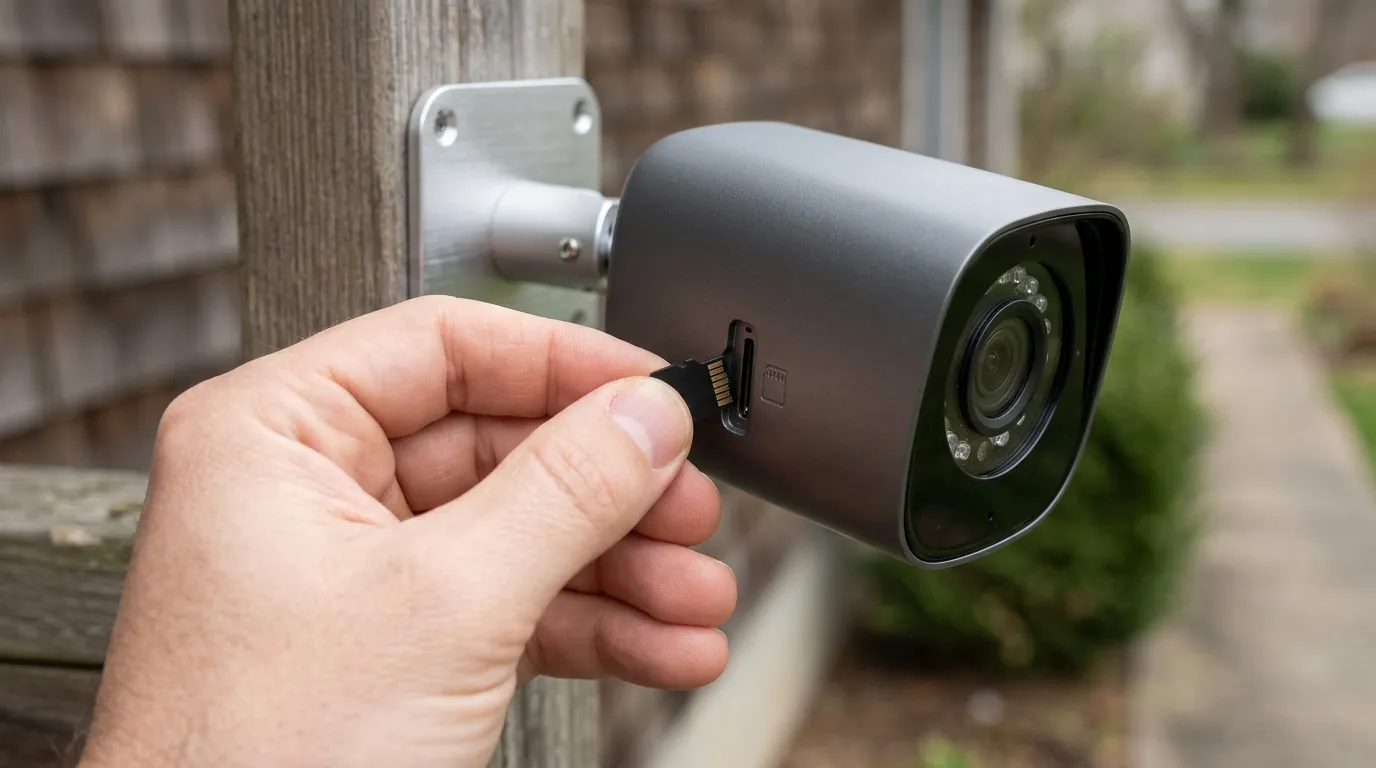
To minimize the impact of future server outages or firmware glitches, consider these infrastructure upgrades.
Hardwiring vs. Battery Power
Even for battery-powered models, hardwiring the device to a 16-24V AC transformer provides a consistent trickle charge. This prevents “low-voltage drops” where the Wi-Fi radio loses power during high-demand tasks like recording a 4K stream or processing an encryption handshake in cold weather.
Moving to Local Storage (The Subscription-Free Path)
If you are tired of cloud-dependent downtime and rising monthly fees, many homeowners are transitioning to hybrid systems. A current favorite in the category is the Reolink Video Doorbell WiFi (available in the $100 range). Unlike Ring, Reolink allows for local recording to a microSD card or a Network Video Recorder (NVR). This means that even if Reolink’s servers go down, your doorbell continues to record and can be accessed via your local network.
Dedicated IoT VLAN
Isolate your security cameras on a dedicated IoT (Internet of Things) VLAN. This prevents bandwidth competition from 4K streaming devices or gaming consoles in the house and ensures that the doorbell has a “clear lane” for its outbound traffic to Ring’s servers.
Decision Framework: Sept 2026 Connectivity
| If you are a… | And your Ring is… | Prioritize this action: |
|---|---|---|
| Renter | Offline | Use a Chime Pro (Gen 2) to bridge the signal through the door. |
| Homeowner | Lagging | Hardwire the unit to ensure stable voltage for firmware updates. |
| Privacy Advocate | Concerned | Enable End-to-End Encryption (E2EE) in the Control Center. |
| Prosumer | Frustrated | Switch to a local-storage model like the Reolink Video Doorbell WiFi. |
Frequently Asked Questions
Why does my Ring app say “Offline” when my Wi-Fi is working?
This usually occurs because the doorbell has lost its secure session token with the Ring server. While your Wi-Fi is active, the specific “handshake” required for encrypted video has failed. A 30-second power cycle is the standard fix for this credential mismatch.
Did the September 2026 update break my Doorbell Pro?
While Ring does not intentionally “break” devices, the early September firmware rollout introduced the “TAKE” encryption standard, which is more sensitive to network jitter. Older Pro models with aging Wi-Fi radios may struggle to maintain the required stability for this new protocol.
How do I know if the Ring server is down or if it’s just me?
Check status.ring.com for official word, but also verify with a third-party site like Downdetector. If you see a sudden spike of hundreds of reports within the last hour, the issue is almost certainly on Ring’s end.
Will my Ring doorbell work without a subscription in 2026?
You can still receive motion alerts and use Live View without a subscription, but you will not have access to recorded clips. In 2026, many “smart” features like Person Detection are also locked behind the Ring Protect tiers, making the device significantly less functional without a plan.
What is the “TAKE” encryption mentioned in the app?
“TAKE” (Throw Away the Key) is an updated security framework implemented by Ring in 2026 to ensure that even if a server were compromised, your historical video data remains encrypted with keys that are frequently rotated and deleted (“thrown away”).
Sources
- Ring Official Status Dashboard — https://status.ring.com/
- Ring Software Security Update Policy — https://support.ring.com/hc/en-us/articles/360028559712-Ring-Software-Security-Updates
- Ring End-to-End Encryption Guide — https://support.ring.com/hc/en-us/articles/360034942932-End-to-End-Encryption-Information
- FCC ID Search (Ring Video Doorbell 4 RF Specifications) — https://apps.fcc.gov/oetcf/eas/reports/GenericSearch.cfm