
Ring Doorbell Overheating in June 2026: What Buyers Need to Know
As summer temperatures peak in June 2026, a recurring challenge for smart home security has resurfaced: the thermal limits of outdoor electronics. While Ring remains a dominant force in the video doorbell market, recent user reports and historical hardware vulnerabilities have placed a spotlight on how these devices handle extreme heat.
📝 Editorial Note: This guide is AI-assisted and game data evolves rapidly. Please cross-reference with in-game information. Updated: 2026-06-24.
Quick Answer: As of June 2026, there is no widespread recall or new official statement from Ring regarding a general overheating defect. However, some users are reporting “too hot” messages, particularly with models like the Doorbell Pro 2, when exposed to prolonged direct sunlight in warm weather. Ring devices are designed to operate within specific temperature ranges, and extreme heat can trigger a “Device Cooldown” mode or temporary shutdown.
What happened
Related: Blink Camera Battery Drain in Summer Heat 2026: What Buyers Need to Kn · How to Keep Security Cameras Cool: 2026 Summer Heatwave Guide · AI Surveillance Privacy Risks: What Homeowners Must Know in 2026
The onset of the 2026 summer season has brought a wave of technical queries regarding the thermal resilience of Ring’s doorbell lineup. While the devices are rated for outdoor use, the intersection of high ambient temperatures and high-performance features—such as 3D Motion Detection and high-resolution video—is pushing some units to their operational limits.
Current User Experiences (June 2026)
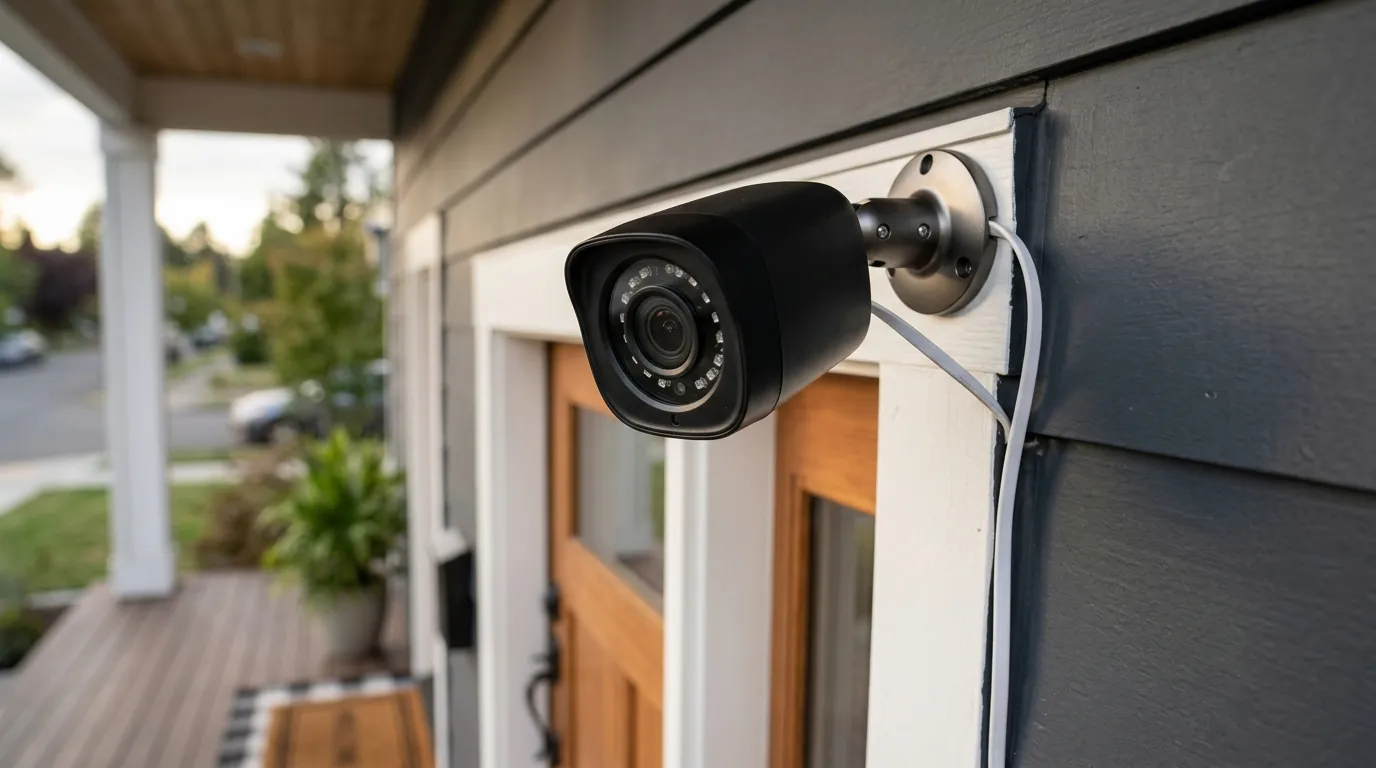
Recent user reports in June 2026 indicate that some Ring doorbell models, most notably the high-performance Ring Video Doorbell Pro 2, are displaying “too hot” warnings. These reports are concentrated in regions experiencing early heatwaves, where devices mounted in direct, unshaded sunlight are experiencing temporary shutdowns. Users on platforms like r/Ring have noted that the device’s faceplate can become hot to the touch, leading to a notification within the Ring app stating that the device must cool down before resuming normal operation. This often occurs during the hottest part of the afternoon when the sun is positioned directly opposite the front door.
Ring’s Official Stance on Temperature
Ring’s official operating temperature range for most devices, including the Video Doorbell (2nd Generation) and the Battery Doorbell Plus, is between -4°F and 122°F (-20°C and 50°C). However, the company notes that optimal performance is typically achieved around 75°F (25°C).
The company acknowledges that extreme temperatures can cause devices to overheat. When internal sensors detect temperatures exceeding safe thresholds, the device enters a “Device Cooldown” mode. According to Ring’s Support documentation, this mode limits power-intensive features, reduces video quality, or initiates an automatic shutdown to prevent permanent hardware damage.
Historical Context: The 2020 Recall
It is important to distinguish current environmental overheating from the significant safety recall of November 2020. That recall affected approximately 350,000 Ring Video Doorbell (2nd Generation, model 5UM5E5) units. The issue was not a design flaw in the circuitry or a reaction to ambient heat, but rather a fire and burn hazard caused by incorrect installation. If users used the wrong (longer) screws to secure the doorbell to the mounting bracket, they could puncture the internal battery, leading to thermal runaway. While this is a distinct issue from the “too hot” messages seen in 2026, it remains a critical piece of the brand’s safety history regarding heat.
Furthermore, a past firmware issue in October 2025 was reported by a subset of users. This software bug caused certain Ring doorbells to incorrectly trigger overheating alerts and shut down even when ambient temperatures were well within the 70°F to 80°F range. Ring addressed this via a mandatory firmware update, but it serves as a reminder that not all overheating warnings are purely environmental.
Why it matters for buyers
For prospective buyers in 2026, the thermal performance of a doorbell is more than a technical spec; it is a matter of reliability. If a security device shuts down during a heatwave, it creates a “blind spot” in the home’s security perimeter exactly when it might be needed most.
Environmental Vulnerabilities
Prospective buyers in regions like the Southwest US, Southern Europe, or Australia must consider the physical orientation of their front door. A doorbell mounted on a south-facing wall with no overhang will absorb significant solar radiation. In these conditions, the internal temperature of the device can easily exceed the 122°F (50°C) limit, even if the air temperature is only 100°F.
Impact on Functionality
Overheating doesn’t just turn the camera off; it degrades the user experience before the shutdown occurs. Buyers should be aware that heat-induced “Cooldown Mode” often results in:
- Delayed motion notifications.
- Reduced video resolution or frame rate.
- Disabled “Pre-Roll” or “Birds-Eye View” features.
- Inability to use Two-Way Talk.
Comparison of Ring Doorbell Models (2026 Specs)
The following table compares the stated operating temperatures and power types for current Ring models, based on Ring’s 2026 technical specifications.
| Model | Power Type | Resolution | Stated Operating Temp | Local Storage |
|---|---|---|---|---|
| Video Doorbell (2nd Gen) | Battery/Wired | 1080p | -4°F to 122°F | No (Cloud Only) |
| Battery Doorbell Plus | Battery/Wired | 1536p | -4°F to 122°F | No (Cloud Only) |
| Video Doorbell Pro 2 | Hardwired | 1536p | -5°F to 120°F | No (Cloud Only) |
| Video Doorbell Elite | Power over Ethernet | 1080p | -5°F to 120°F | No (Cloud Only) |
Note: While the Pro 2 has a slightly lower top-end operating temperature (120°F), its hardwired nature means it does not suffer from the battery-specific degradation caused by heat, though its processor is more prone to thermal throttling due to high-resolution processing.
Impact on existing owners
If you already own a Ring doorbell and are seeing “too hot” warnings in June 2026, the impact ranges from temporary inconvenience to long-term hardware degradation.
Battery Longevity
For owners of battery-powered models like the Battery Doorbell Pro, heat is the primary enemy of lithium-ion longevity. Constant exposure to temperatures near the 122°F limit accelerates the chemical breakdown of the battery cells. This manifests as a reduced ability to hold a charge, requiring more frequent recharging sessions, which further stresses the battery.
Security Gaps
The most significant impact is the loss of surveillance. When a device shuts down to cool, it is effectively offline. There is no local recording on Ring devices (they rely entirely on the cloud), so any activity occurring during the cooldown period is lost forever. For homeowners relying on the doorbell as their primary entry-point sensor, this is a critical vulnerability.
Warranty and Reliability Concerns
Owners of the recalled 2020 model (5UM5E5) should have already received notification, but those who purchased second-hand or never registered their device should verify their serial number on Ring’s Recall Page. Using the wrong screws on this specific model remains a fire risk regardless of the external weather.
What to do now
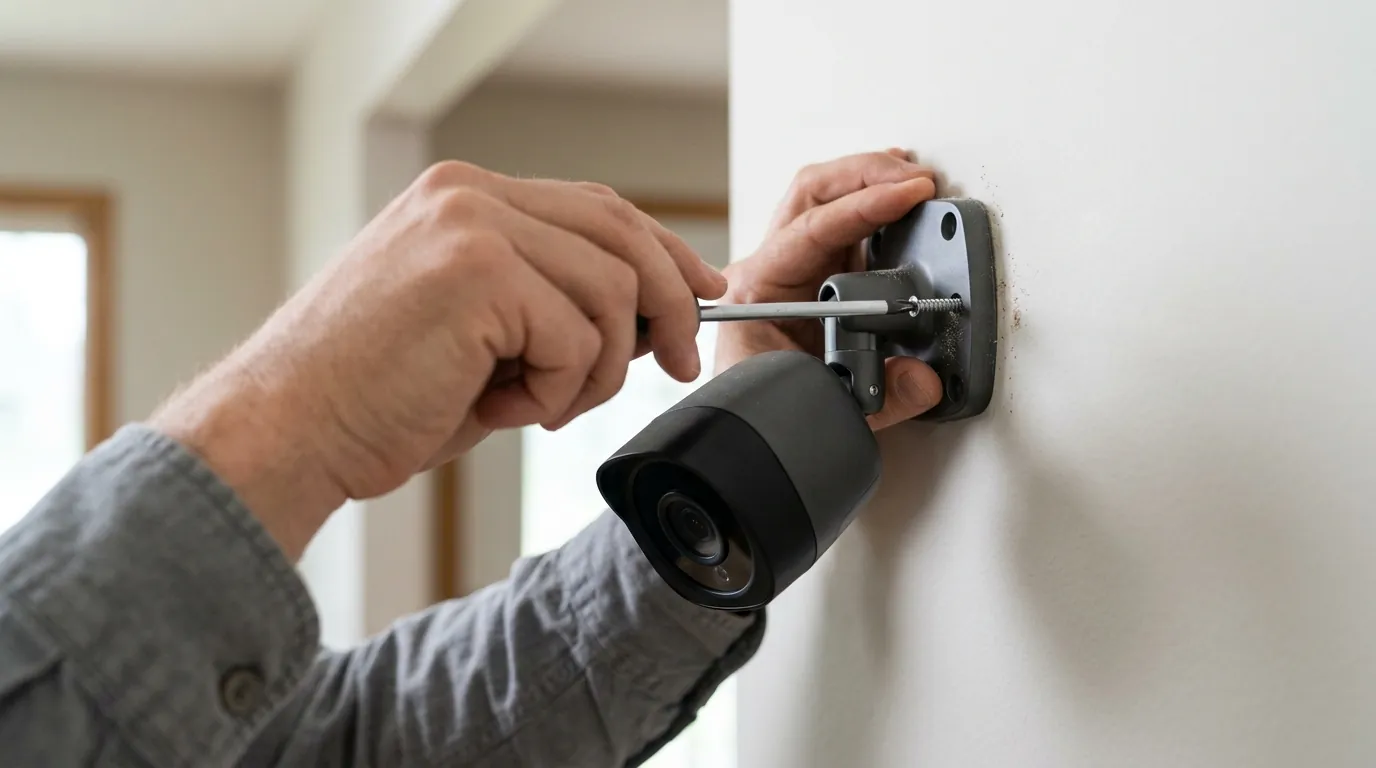
If you are dealing with overheating or are planning a purchase in a high-heat area, several proactive steps can mitigate the risk of device failure.
Troubleshooting Overheating
- Check Device Health: Use the Ring app to monitor “Device Health.” In 2026, the app provides more granular data regarding power status. If you see a “Device Cooldown” status, the hardware is actively protecting itself.
- Ensure Proper Placement: If possible, relocate the doorbell to a spot that receives shade from a porch or eave. Even a few inches of movement can significantly reduce solar load.
- Install a Shade Accessory: For doors in direct sun, third-party and official “doorbell shades” or “weather shields” are available in the $15-30 range. These act as a small roof for the camera, blocking direct UV rays from hitting the faceplate.
- Update Firmware: Ensure your device is running the latest software. Ring often pushes updates to optimize power consumption and adjust thermal throttling algorithms to keep devices running longer in high heat.
Warranty and Support
Ring offers a one-year limited warranty on all hardware. If your device is shutting down at temperatures well below 120°F, it may have a defective thermal sensor. Owners with a Ring Protect Plus or Pro plan often have an extended warranty that covers the device for as long as the subscription is active. If troubleshooting fails, contact Ring Support to initiate a warranty claim.
Exploring Other Options
For consumers frustrated by thermal shutdowns or the “feature paywall” of subscription-based cameras, it may be time to look at the broader market. When choosing a camera for a high-heat environment, consider the following decision framework.
Decision Framework: Choosing the Right Doorbell
- If you are a Renter: Prioritize battery-powered units but avoid those with black faceplates, as they absorb more heat. Look for models with “Quick Release” batteries so you can bring the battery inside to cool and charge.
- If you are a Homeowner in a Hot Climate: Prioritize Wired/PoE (Power over Ethernet) models. These do not have internal batteries that can swell or degrade in the heat. Brands like Reolink or Ubiquiti often offer wider operating ranges and local storage.
- If you want No Subscriptions: Look for doorbells with local microSD card slots or NVR (Network Video Recorder) compatibility. This ensures that even if the Wi-Fi or cloud fluctuates during a heatwave, the camera can still record locally (provided it hasn’t reached thermal shutdown).
Total Cost of Ownership (TCO) Analysis
When buying a Ring doorbell in 2026, the sticker price is only the beginning. To have a functional security device that records video, a subscription is mandatory.
- Hardware Cost: Typically $60 to $260 depending on the model.
- Subscription (Ring Protect Basic): Around $50/year. Over 3 years, this adds $150 to the cost.
- Subscription (Ring Protect Pro): Around $200/year. Over 3 years, this adds $600 to the cost.
- 3-Year TCO: For a mid-range $150 doorbell with a Basic plan, you are looking at a real cost of around $300.
Compare this to a “no-subscription” competitor where the hardware might cost $200 upfront but has a $0 recurring fee. Over three years, the “more expensive” hardware often becomes the cheaper and more reliable option, especially if it includes more robust heat dissipation features.
Frequently Asked Questions
Can I put an ice pack on my Ring doorbell to cool it down?
No. Rapid temperature changes can cause condensation to form inside the lens or housing, leading to permanent water damage or fogging. It is better to provide shade and allow the device to cool naturally.
Does the color of the Ring doorbell faceplate matter for heat?
Yes. Darker colors (like “Venetian Bronze”) absorb more solar radiation than lighter colors (like “Satin Nickel”). If your doorbell is in direct sunlight, choosing a silver or white faceplate can help keep the internal temperature slightly lower.
Why does my battery-powered Ring doorbell die faster in the summer?
Heat causes lithium-ion batteries to discharge more quickly and struggle to accept a charge from solar chargers or trickle-charging wires. If the battery gets too hot, the device will stop charging entirely to prevent a fire hazard.
Is there a Ring doorbell that is completely “heat-proof”?
No electronic device is heat-proof. However, the Ring Video Doorbell Elite (PoE) is generally the most resilient because it lacks a battery and uses a wired Ethernet connection, which generates less internal heat than a high-powered Wi-Fi radio.
Sources
- Ring Support: Doorbells and Extreme Temperatures — https://support.ring.com/hc/en-us/articles/213550513-Ring-Doorbells-and-Extreme-Temperatures
- CPSC: Ring Video Doorbell (2nd Generation) Recall — https://www.cpsc.gov/Recalls/2021/Ring-Recalls-Video-Doorbells-and-Battery-Packs-Due-to-Fire-and-Burn-Hazards
- Ring Product Catalog: Video Doorbell Pro 2 Specs — https://ring.com/products/video-doorbell-pro-2
- Ring Protect Subscription Plans — https://ring.com/protect-plans
- Reddit r/Ring: “Device too hot” community threads — https://www.reddit.com/r/ring/