
Ring Camera Overheating: 2026 Heatwave Failures & Fixes
As record-breaking temperatures sweep across the United States this month, homeowners are discovering a critical vulnerability in their smart home perimeter: thermal shutdown.
Quick Answer: Ring cameras are entering ‘Device Cooldown’ or shutting down entirely during the June 2026 heatwave as ambient temperatures exceed their 122°F limit. Battery-powered models in direct sunlight are most at risk of hardware failure, often disabling recording and charging capabilities to protect internal lithium-ion components.
What happened
Related: Botslab W101 Window Camera Launch: Dual-Lens 2.5K Security · Eufy Cam E330 Professional Overheating: 2026 Sun Exposure Guide · June 2026 Android Security Patch: Critical Camera Hub Vulnerabilities
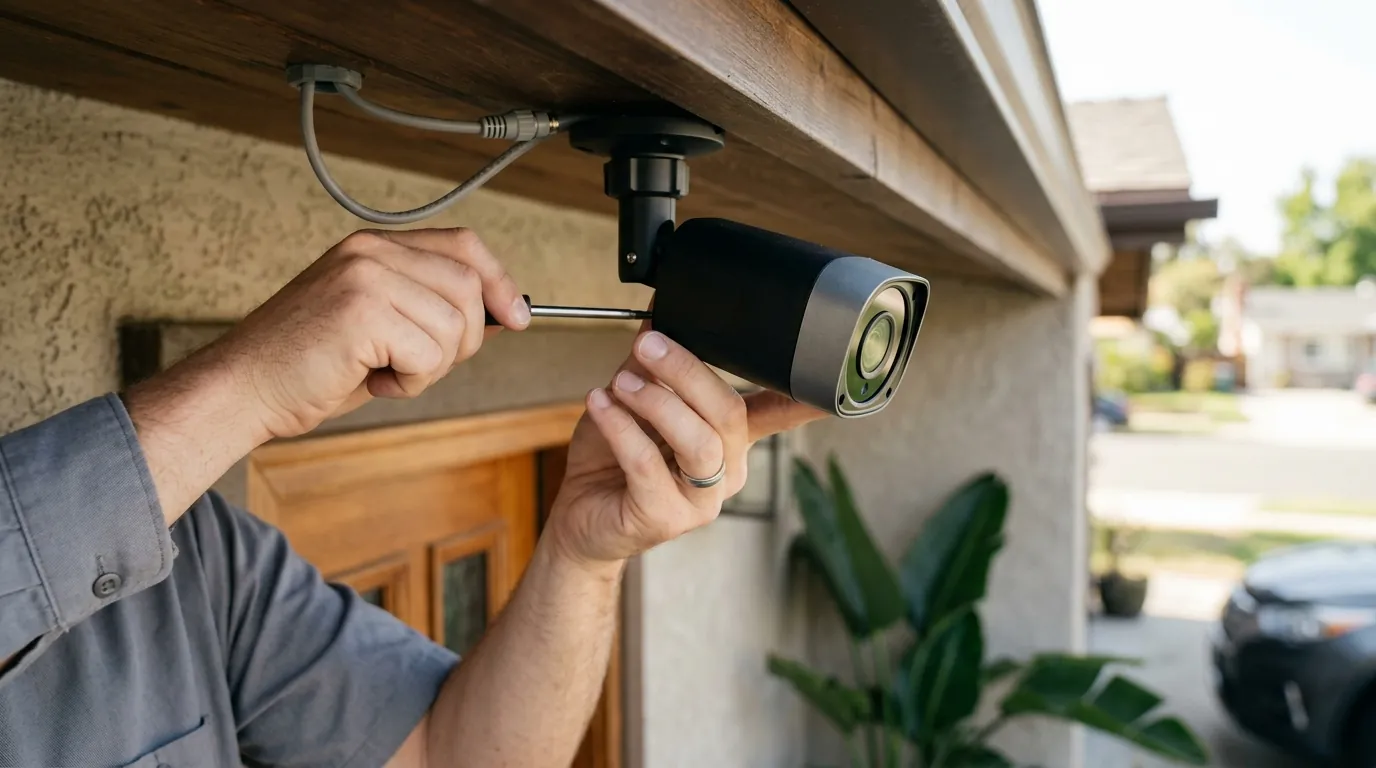
The June 2026 heatwave has pushed ambient temperatures in the Southwest and Midwest well beyond the standard operating envelopes of consumer electronics. In cities like Phoenix and Las Vegas, ambient air reaching 118°F translates to surface temperatures on dark-colored doorframes exceeding 145°F. For Ring devices, which are predominantly encased in black or dark grey plastic, these conditions are proving terminal for uptime.
Reports from users in these regions indicate a surge in “Device is too hot” notifications. This is not a random glitch but a programmed safety response. Ring’s latest firmware, version 18.7.3900—pushed to devices in May 2026—introduced more aggressive thermal management protocols. While previous versions might have allowed a device to run until hardware failure, 18.7.3900 triggers a “Device Cooldown” mode as soon as internal sensors detect the battery or processor approaching critical thresholds.
The phenomenon is most prevalent in the Ring Battery Doorbell Pro and the Spotlight Cam Pro (2nd Gen). Because these units rely on lithium-ion batteries, they face a dual-threat: the heat generated by the camera’s processor during motion events and the ambient heat absorbed by the chassis.
The Science of Thermal Shutdown
Lithium-ion batteries are chemically volatile. According to Ring’s official support documentation, these batteries cannot safely charge when temperatures exceed 113°F (45°C) and the device will shut down entirely to prevent permanent cell damage when internal temperatures hit 122°F (50°C) (Ring Support — Extreme Temperatures). When a camera enters “Device Cooldown,” it systematically disables high-drain features like Live View, HDR, and “Bird’s Eye View” (3D Motion Detection) to lower the internal temperature. If the temperature continues to rise, the camera severs its Wi-Fi connection and stops recording entirely.
Affected Models: From Doorbell Plus to Spotlight Pro
Not all models are failing at the same rate. Hardwired units, which lack a large internal battery, generally have a slightly higher tolerance for heat because they do not have to manage the chemical stability of a battery pack.
| Ring Model (2026) | Power Type | Max Operating Temp | Thermal Shutdown Behavior |
|---|---|---|---|
| Battery Doorbell Pro | Battery/Solar | 122°F (50°C) | Total shutdown; disables charging at 113°F |
| Video Doorbell Wired | Hardwired | 122°F (50°C) | Throttles resolution; rarely shuts down |
| Spotlight Cam Pro | Battery | 122°F (50°C) | Disables spotlight and siren first |
| Floodlight Cam Wired Pro | Hardwired | 122°F (50°C) | Sustains high heat via metal chassis |
| Stick Up Cam | Battery | 120°F (48.5°C) | Rapid battery drain due to heat stress |
Why it matters for buyers
For residents in the Sun Belt, a security camera that fails during a heatwave is more than an inconvenience; it is a predictable security gap. Burglars and package thieves are aware that high-noon heat can knock out DIY security systems, specifically those mounted on south-facing walls.
The ‘Battery Tax’
The primary takeaway for buyers in 2026 is the inherent “battery tax” associated with convenience. While battery-powered cameras are easier to install, they have lower thermal ceilings than hardwired counterparts. Lithium-ion chemistry is the bottleneck. In a hardwired device, the components can often survive temperatures slightly beyond their rated spec, albeit with a shortened lifespan. In a battery device, the safety circuit must cut power to prevent the battery from swelling or catching fire.
Subscription Value Erosion
There is also a financial impact. Users paying for Ring Protect Basic (around $5/mo) or Ring Protect Plus (around $20/mo) are paying for a service that requires 24/7 uptime to be effective. When a camera is offline for six hours during the hottest part of the day, the user is losing roughly 25% of their daily recording value. Over a 30-day heatwave, this represents a significant erosion of the subscription’s utility.
Comparison with Competitors
While Ring is the market leader, other brands utilize different engineering approaches to manage heat. Reolink, for instance, often uses aluminum housings in its PoE (Power over Ethernet) line, which act as a heat sink.
| Brand/Series | Max Rated Temp | Primary Housing Material |
|---|---|---|
| Ring (Battery) | 122°F | Plastic |
| Reolink (PoE) | 131°F | Aluminum / Alloy |
| Eufy (SoloCam) | 122°F | Plastic |
| Arlo (Ultra 2) | 113°F | Plastic |
Data compiled from manufacturer spec sheets as of June 2026.
Privacy and Uptime: The 2026 Landscape
In 2026, the intersection of privacy and reliability is at the forefront. When a Ring camera goes into thermal shutdown, it often loses its connection to the Ring Cloud. For users who rely on Ring’s professional monitoring (available in the Protect Pro tier), a heat-induced outage can trigger a “Device Offline” alert, which may be confused with a deliberate tamper attempt by an intruder.
Impact on existing owners
If you already own a Ring system, the June heatwave is likely causing “silent failures”—situations where the camera looks functional in the app but is failing to record events.
Long-term Battery Health Risks
Heat is the silent killer of lithium-ion batteries. Even if your camera recovers once the sun goes down, the damage may be permanent. Prolonged exposure to temperatures above 115°F can reduce the total capacity of the Ring Quick Release Battery Pack by 20% to 30% in a single season. This means that by autumn, you may find yourself charging the battery every two weeks instead of every two months.
Solar Charging Failure
A common frustration in June 2026 is the failure of Ring Solar Panels. Users report that despite 12 hours of direct sunlight, their battery levels are dropping. This is because the camera’s internal charging controller disables the input from the solar panel once the battery temperature hits 113°F. Paradoxically, the very sun that is supposed to power the camera is preventing it from charging.
When ‘Weather Resistant’ Isn’t Enough
Ring cameras are rated IP65 or IP66 for water and dust resistance, but “weather resistant” does not mean “weatherproof” against extreme heat. The dark plastic faceplates of the Ring Doorbell Pro series can reach temperatures 30 degrees higher than the ambient air. This can lead to “lens fogging” or sensor “noise,” where the video quality degrades into a grainy, purple-tinted mess before the unit finally shuts down.
Total Cost of Ownership (TCO) Analysis
When evaluating the cost of a Ring system over three years, owners must factor in the “heat replacement” cycle.
- Hardware: Ring Battery Doorbell Pro (around $230)
- Subscription: Ring Protect Plus at $200/year ($600 total)
- Replacement Battery: 1 replacement due to heat degradation (around $35)
- 3-Year Total: ~$865
If the device fails out of warranty due to housing warp (an “environmental factor” often excluded from standard coverage), the TCO spikes as the hardware must be repurchased.
What to do now
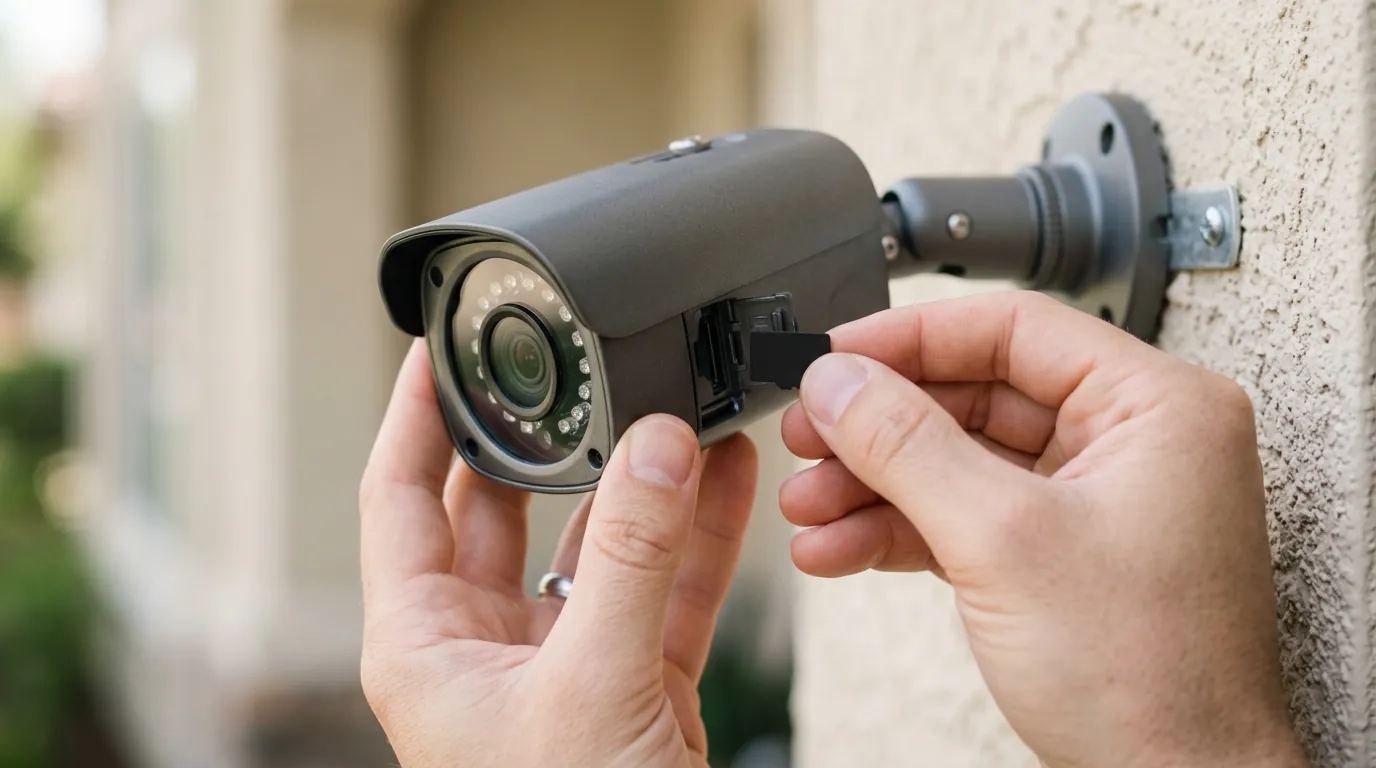
If your Ring camera is currently struggling with the 2026 heatwave, there are several steps you can take to restore uptime.
DIY Cooling Solutions
- Silicone Skins: Purchase a white or light-colored silicone skin. These reflect a higher percentage of UV rays than the standard dark plastic housing, potentially lowering internal temperatures by 10-15°F.
- Weather Shields: Third-party “roof” attachments or shields provide physical shade for the camera. Keeping the unit in the shade can prevent it from reaching the 122°F shutdown threshold even when ambient temperatures are high.
- Lowering Processor Load: In the Ring App, navigate to Motion Settings and reduce Motion Sensitivity. Shorten the Recording Length to 15 or 20 seconds. This reduces the heat generated by the camera’s internal processor.
Decision Framework: Should You Switch?
| If your situation is… | Recommended Action |
|---|---|
| Renter (No wiring allowed) | Use a white silicone skin and a shade shield; move camera to a recessed doorway if possible. |
| Homeowner (Extreme Heat Zone) | Migrate to a Hardwired or PoE (Power over Ethernet) system with a metal chassis. |
| Business (High Security) | Avoid battery units entirely; prioritize cameras with “Starlight” sensors that don’t require heat-generating spotlights. |
| Budget Conscious | Disable “Pre-Roll” and “Advanced Motion Detection” during daylight hours to save battery and reduce heat. |
The Case for Local Storage and PoE
The 2026 heatwave has highlighted the fragility of cloud-dependent, battery-powered Wi-Fi cameras. For users who cannot afford downtime, the industry is shifting toward PoE (Power over Ethernet) models. These cameras receive power and data through a single cable, eliminating the need for a battery and moving the “brain” of the system (the NVR) into a climate-controlled home interior. Brands like Reolink and certain pro-sumer lines offer these as robust alternatives to the Ring ecosystem.
5 Steps to Cool Your Camera Today
- Check Firmware: Ensure you are on version 18.7.3900 or later to ensure the thermal safety protocols are active.
- Install a Shield: Add a physical “brow” or shade above the lens.
- Paint the Mount: If using a mounting bracket, ensure it is painted white to reduce heat transfer from the wall.
- Adjust Schedules: Disable “Live View” during the peak hours of 2:00 PM to 6:00 PM.
- Monitor Battery Health: If the battery percentage drops rapidly after a heat event, the cells may be damaged and require replacement.
As climate patterns continue to challenge consumer electronics, the “install and forget” nature of battery security cameras is being put to the test. Quvii tracks these trade-offs across the category to help buyers choose hardware that survives the environment it’s meant to protect.
Frequently Asked Questions
Why does my Ring camera say “Device Cooldown” when it’s only 95 degrees outside?
While the air temperature may be 95°F, direct sunlight hitting the dark plastic casing of a Ring camera can raise its internal temperature well above 120°F. The “Device Cooldown” mode is triggered by the internal sensor, not the local weather report.
Can I use an ice pack to cool down my Ring doorbell?
No. Rapid temperature changes can cause condensation to form inside the lens and housing, leading to permanent water damage or short circuits. It is better to provide shade and allow the device to cool naturally.
Does the Ring warranty cover heat damage?
Ring’s limited warranty covers defects in materials and workmanship for one year. However, damage caused by “extreme weather” or “acts of God” is often a gray area. If the internal battery fails due to heat, it is usually considered a consumable part and may not be covered unless you have a Ring Protect Pro subscription which extends the warranty.
Which Ring camera is best for high-heat areas?
The Ring Video Doorbell Wired or the Floodlight Cam Wired Pro are generally better for high-heat environments. Because they lack the large lithium-ion battery found in the “Battery” models, they can operate more reliably at the upper end of their thermal range without the risk of battery swelling.
Sources
- Ring Official Support: Extreme Temperatures and Ring Devices
- Battery University: Charging Lithium-ion at High and Low Temperatures
- RTINGS: Security Camera Operating Temperature Comparisons
- Newsweek: Heatwave 2026 - Southwest Records Broken