
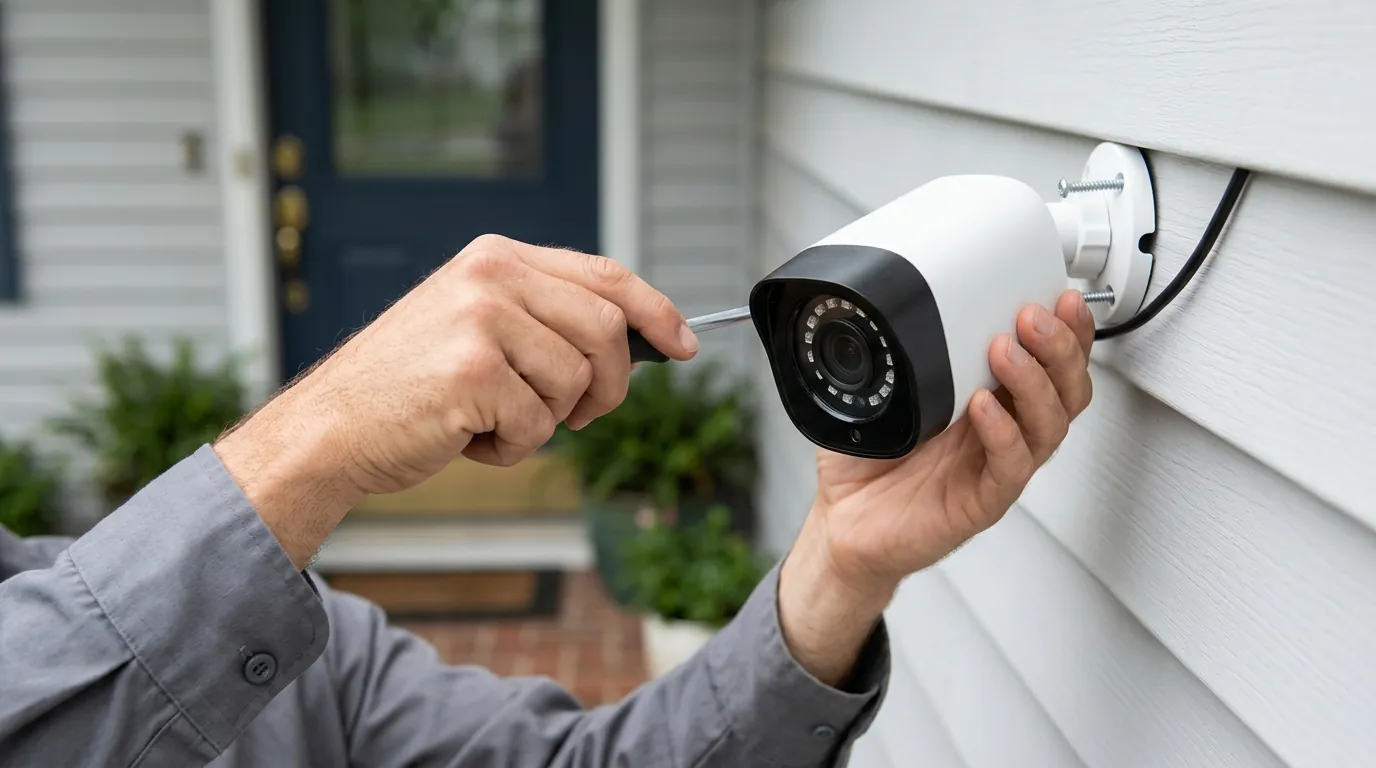
Ring Camera Not Notifying or Streaming in July 2026: What to Know
Reliability is the cornerstone of any home security system, yet even the most established ecosystems can encounter technical friction.
Quick Answer: As of July 2026, Ring’s official status pages report all systems are operational for notifications and streaming. However, some users are reporting isolated issues with delayed or missing alerts and live view connectivity. Common causes include app settings, Wi-Fi connectivity, device firmware, and new AI-powered features introduced earlier this year.
What happened
Related: Arlo Doorbell Motion & Recording Issues: What to Know in July 2026 · Frigate NVR Detection Crashing After GPU Upgrade: 2026 Fixes · Arlo Motion Detection Issues (July 2026): Firmware Bugs & Delays
In early July 2026, a discrepancy has emerged between Ring’s official service reporting and the lived experience of a subset of its user base. While the official Ring Status page and third-party monitors like StatusGator and IsDown indicate that all systems—including Video on Demand, mobile apps, and device health—are fully operational, community forums tell a different story.
Official Status vs. User Reports
Despite the “all clear” from Ring’s backend monitors, localized clusters of users on the Ring Community forum and Reddit have reported significant hurdles with Live View connectivity and push notifications. These reports are not centralized to one region, suggesting that the issue may be tied to specific hardware configurations or recent software deployments rather than a global server outage.
Specific complaints highlight that Floodlight cameras, in particular, have struggled with push notifications following an iOS app update released in late June 2026. Additionally, users who recently migrated to the “Ring Home Pro” plan (the 2026 successor to Protect tiers) have noted that their previously reliable motion alerts have become intermittent or stopped altogether.
Impact of Recent AI Features and App Updates
The primary catalyst for these notification changes appears to be the rollout of “Unusual Event Alerts” and “Active Warnings,” which Ring debuted at CES 2026 and began deploying in January. These AI-powered features are designed to “learn” the rhythms of a household—ignoring the daily mail delivery but alerting for a person loitering at 3:00 AM.
While intended to reduce notification fatigue, some users report that the AI is over-filtering events. In some cases, the system classifies actual movement as “normal activity,” resulting in no notification being sent to the user’s phone. Furthermore, the “Active Warnings” feature, which allows the camera to play an automated voice message when it detects a person, has been linked to momentary streaming lag as the device prioritizes the audio processing over the initial Live View handshake.
Why it matters for buyers
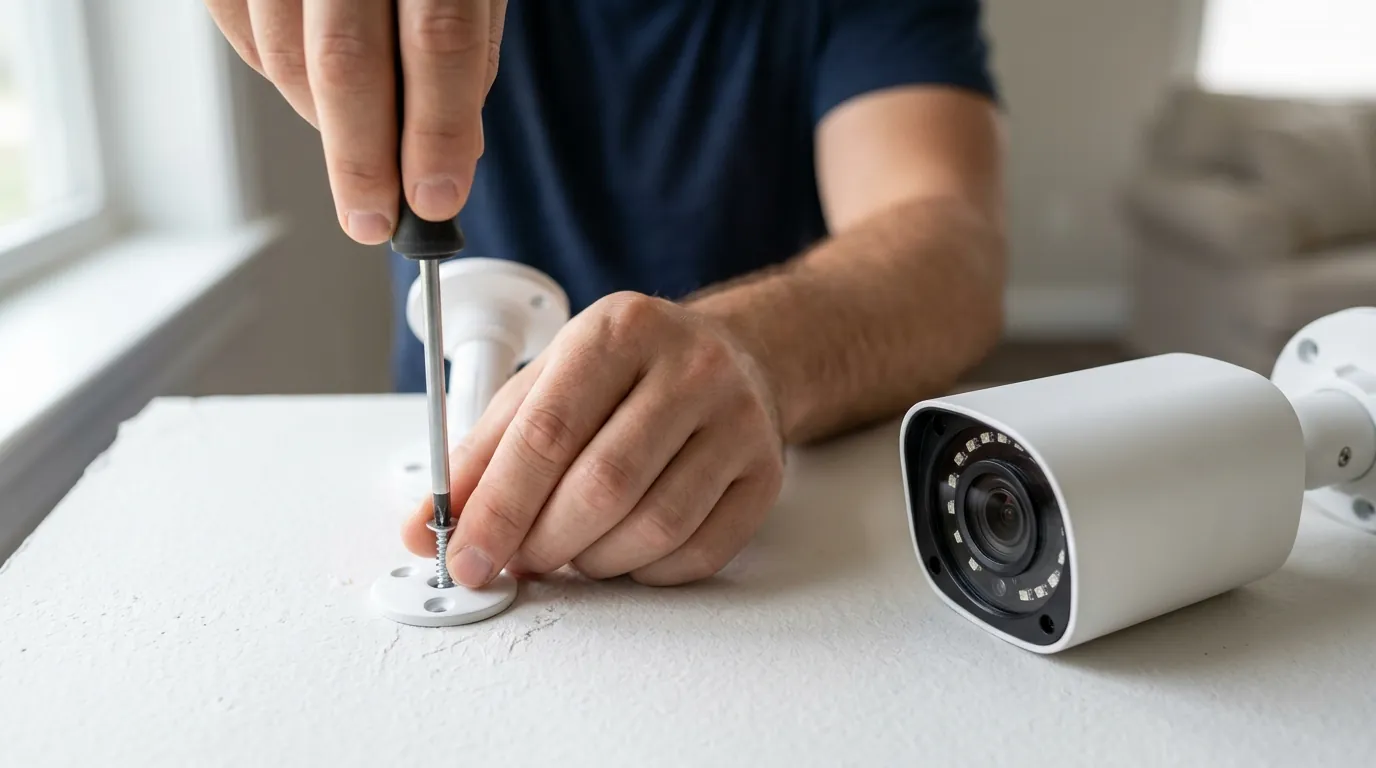
For those considering a Ring purchase in mid-2026, these issues underscore the complexities of a cloud-dependent security ecosystem. When a camera fails to stream or notify, it ceases to be a security tool and becomes merely a decorative deterrent.
Security Implications of Unreliable Alerts
The delay between a motion event and a push notification is the difference between proactive deterrence and reactive discovery. If a Ring camera experiences a 30-second lag—a common complaint in July 2026 user threads—an intruder could potentially enter and exit the frame before the homeowner is even aware of their presence. This “latency gap” is a critical metric for buyers to consider, especially in high-traffic environments.
Privacy Concerns with Cloud-Based Systems
Privacy remains a moving target. Ring’s privacy policy, last updated on June 5, 2026, clarifies the brand’s stance on data sharing. While Ring maintains that they do not sell personal data in the traditional sense, the policy explicitly states they reserve the right to share footage with law enforcement without a warrant in “perceived emergency situations” (Ring Privacy Policy).
Furthermore, the legal landscape was shifted by the “Nancy Guthrie” precedent in February 2026. In this case, authorities were able to recover “residual data” from a cloud-connected camera that had been physically disconnected for weeks, proving that data fragments often persist in the cloud longer than consumers realize.
Subscription Reliance and Feature Lock-in
The 2026 Ring ecosystem is more bifurcated than ever. Basic motion detection is available to all, but the most advanced AI filtering and “Active Warnings” are locked behind the Pro subscription tier. This creates a “feature paywall” where the hardware’s full potential is only accessible through recurring monthly payments.
| Feature | Ring Basic (2026) | Ring Home Standard | Ring Home Pro |
|---|---|---|---|
| Video Resolution | Up to 1080p | Up to 2K (on supported devices) | Up to 4K (on Pro devices) |
| Storage Duration | 0 Days (Live Only) | 60 Days | 180 Days |
| Unusual Event AI | No | Limited | Full Access |
| Cellular Backup | No | No | Yes (with Alarm) |
| 3-Year TCO (Est.) | Hardware Cost Only | Hardware + ~$180 | Hardware + ~$600 |
Note: Pricing reflects the 2026 subscription bands of approximately $5/mo for Standard and $15-20/mo for Pro.
Impact on existing owners
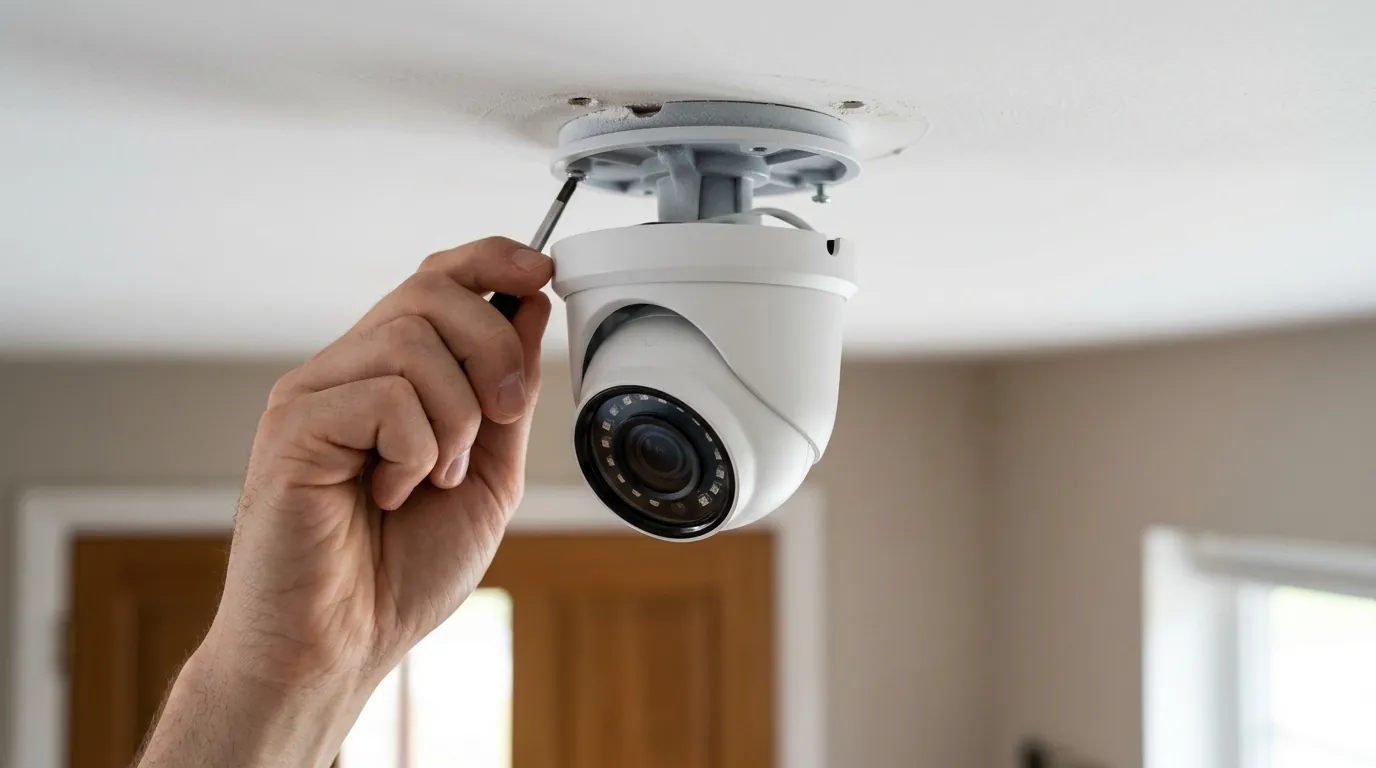
Existing owners are currently navigating a transition period where firmware updates are more frequent and more impactful on device behavior.
Immediate Security Risks
The most immediate risk for current users is the “silent failure.” If a camera stops notifying but remains “Online” in the app, a user may not realize their perimeter is unmonitored until they manually check the app. This has led to reports of users missing critical doorbell presses or delivery arrivals throughout July.
Troubleshooting Steps and Firmware Considerations
Ring has been aggressive with firmware deployments to address these AI bugs. A significant update for the Ring Alarm Base Station was released on July 2, 2026, which aimed to stabilize the hand-off between the security sensors and the camera’s “Active Warning” triggers. Owners of the Stick Up Cam Pro and Floodlight Cam Wired Pro should verify their firmware version in the “Device Health” section of the app.
Subscription Value and Support Challenges
As features migrate to the Pro tier, some long-time users feel the value proposition of their original “Protect” plans has diminished. Furthermore, troubleshooting the new AI features often requires a level of technical support that is increasingly being handled by automated AI chatbots rather than human technicians, leading to frustration for users with complex networking environments.
What to do now
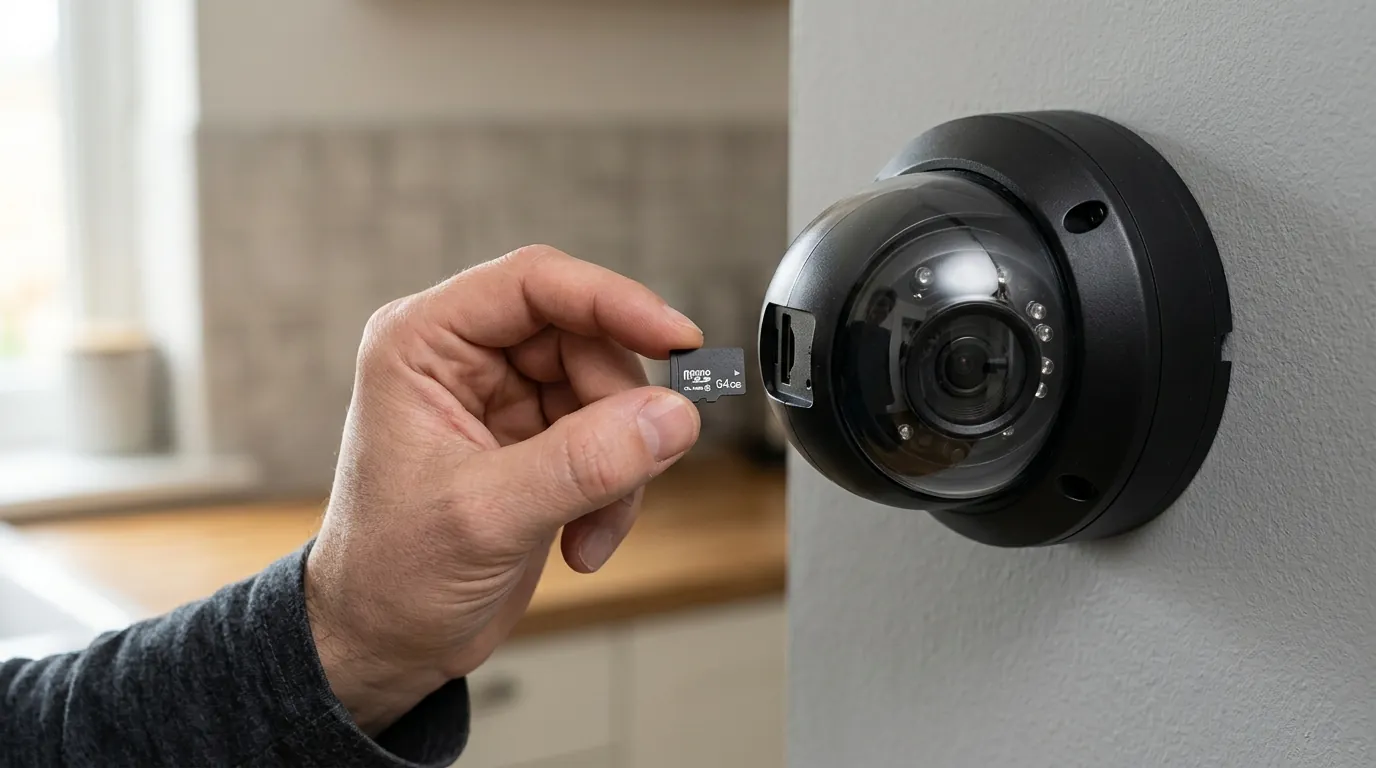
If your Ring camera is currently failing to notify or stream, follow this systematic approach to restoration.
Immediate Troubleshooting Steps
- Audit the Ring App Settings: Ensure that “Motion Alerts” and “Ring Alerts” are toggled ON. Check the “Global Snooze” feature to ensure notifications haven’t been accidentally silenced for the entire account.
- Review AI Filtering: If you are on a Pro plan, go to “Smart Alerts” and adjust the sensitivity of “Unusual Event Alerts.” Setting this to “More Frequent” may resolve issues where the AI is being too restrictive.
- Check Mobile Permissions: On iOS and Android, ensure the Ring app has permission to “Ignore Do Not Disturb.” In July 2026, many “missing notification” issues were traced back to the phone’s OS-level “Focus Modes” rather than the Ring app itself.
- Signal Strength (RSSI): Navigate to “Device Health” and check the RSSI value. If it is higher than -60, your Wi-Fi signal is likely the culprit for failed streaming.
- Reboot the Network: A simple power cycle of your router can often clear the DNS cache issues that prevent the camera from establishing a secure “handshake” with Ring’s servers.
Decision Framework: Should You Stay or Switch?
| If you are… | Priority | Recommendation |
|---|---|---|
| A Renter | Ease of Setup | Stick with Ring; the battery-powered line remains the most user-friendly for temporary installs. |
| A Homeowner | Maximum Reliability | Consider a hybrid system. Keep Ring for the doorbell, but use a local PoE (Power over Ethernet) system for critical perimeter areas. |
| Privacy-Conscious | Data Sovereignty | Switch to a brand that offers local-only storage (e.g., Reolink or Eufy) to avoid the “Nancy Guthrie” cloud data risks. |
| Small Business | 24/7 Recording | Move to a dedicated NVR (Network Video Recorder) system; Ring’s “Live View” is not intended for continuous monitoring. |
Considering Alternatives for Reliability and Privacy
For users tired of the “subscription trap” or cloud-based downtime, the market in 2026 offers several robust alternatives. Brands focusing on local storage avoid the latency inherent in cloud processing. While Ring offers an excellent user interface, the total cost of ownership (TCO) over three years for a multi-camera Ring Pro setup can exceed $1,000 when hardware and subscriptions are combined. In contrast, a local storage system often has a higher upfront cost but zero recurring fees, reaching price parity within 18 to 24 months.
Frequently Asked Questions
Why is my Ring camera online but not sending notifications?
This is often due to the “Smart Alerts” or “Unusual Event” AI settings introduced in 2026. If the AI deems a movement “typical” for your environment, it may record the event without sending a push notification. Adjust your “Smart Alert” settings to “All Motion” to verify if the hardware is still detecting activity.
How do I fix the “Failed to Connect” error when trying to Live View?
This error is usually caused by an upload speed bottleneck or a high RSSI (signal interference). Ensure your router’s 2.4GHz and 5GHz bands are not congested. If you use a VPN on your mobile device, try disabling it, as VPNs frequently interfere with Ring’s encrypted streaming protocols.
Did Ring change their privacy policy regarding police access in 2026?
Yes, the June 5, 2026, update maintains that while Ring no longer facilitates the “Request for Assistance” tool in the Neighbors app, they reserve the right to provide footage to law enforcement in “emergency situations” where there is an imminent threat of death or serious physical injury, even without a warrant.
Is there a way to store Ring footage locally to avoid subscription fees?
As of July 2026, Ring does not offer a native “subscription-free” local storage option for its standard cameras. The “Ring Edge” feature allows for local processing and storage on a Ring Alarm Pro base station with a microSD card, but this still requires an active Ring Home subscription to view the footage in the app.
Sources
- Ring Official Status Page — https://status.ring.com/
- Ring Privacy Policy (Updated June 2026) — https://ring.com/privacy
- Ring Product Support: Troubleshooting Notifications — https://support.ring.com/hc/en-us/articles/210052646-Fixing-Notification-Issues-for-iOS-Devices
- StatusGator: Ring Service History — https://statusgator.com/services/ring
- FCC ID Search (Ring Hardware RF Specs) — https://apps.fcc.gov/oetcf/eas/reports/GenericSearch.cfm