
Reolink App Crashing on iOS 18? Solutions for Connectivity & Stability Issues
A sudden loss of access to your security feed can transform a high-tech safety net into a source of frustration. For Reolink users navigating major operating system updates, app stability has emerged as a critical factor in maintaining consistent home and business surveillance.
Quick Answer: While widespread reports of Reolink app version 4.42.0 specifically crashing on iOS 18 are not prominent in current discussions, users of Reolink’s app on iOS 18 (and newer versions like iOS 26) may experience general crashes or connectivity problems. These issues often stem from compatibility challenges with major iOS updates. Common fixes include updating the Reolink app to its latest version (currently 4.60.2.9), reinstalling it, or restarting your iPhone.
What happened
Related: EufyCam S330 Firmware 3.1.8.2 Motion Detection Failure: What You Need · Fixing Blink Outdoor 4 & Sync Module 2 Connection Errors (2026) · Reolink Doorbell PoE Firmware Bugs: Current v3.0.0.6460 & Past Issues
The intersection of hardware-specific firmware and rapidly evolving mobile operating systems frequently creates “version gaps” where legacy apps fail to communicate with new system APIs. In the case of Reolink, users transitioning to iOS 18 encountered a series of stability hurdles that primarily affected app versions in the 4.42.x branch. While those specific versions are now several iterations old as of June 2026, the underlying causes of these crashes remain relevant for anyone managing a mix of legacy and modern hardware.
General iOS 18 App Instability
When Apple releases a major version of iOS, such as the transition to iOS 18, it often introduces fundamental changes to how the system handles background processes, network permissions, and video decoding. For security apps that rely on persistent “always-on” connections and high-bandwidth video streams, these changes can lead to immediate crashes upon launch or during the transition from a “Home” screen to a live feed.
Search data and community reports on Reddit’s r/reolinkcam indicate that during the initial rollout of iOS 18, users experienced significant “hangs” where the app would stay on the splash screen indefinitely. This is often attributed to the app’s inability to secure the necessary local network permissions required by the new OS to “handshake” with the cameras.
Specific Reolink App Version Challenges
App version 4.42.0 was a transitional release for Reolink. While it introduced support for newer dual-lens models, it lacked the optimization for the refined memory management protocols introduced in later iOS versions. Reports from Reolink’s official support forums suggest that version 4.42.0 was particularly susceptible to “memory leaks” when viewing multiple high-resolution (8MP or 12MP) streams simultaneously.
Since that release, Reolink has moved through several major version increments. As of June 2026, the current stable release is version 4.60.2.9. This modern version incorporates fixes for the specific crashes seen in the 4.42 era, including better support for the HEVC (H.265) video codec used in Reolink’s 4K lineup and improved synchronization with Apple’s latest notification delivery system.
| Reolink App Version | Era/Context | Primary Known Issue on New iOS | Status |
|---|---|---|---|
| 4.42.0 | Early iOS 18 Release | Splash screen crashes; Local Network permission loops | Deprecated |
| 4.55.0.18 | Mid-Cycle Update | Slow loading times for battery-powered models | Legacy |
| 4.58.2 | Late 2025 Release | Occasional failure to connect to older NVRs | Stable for most |
| 4.60.2.9 | Current (June 2026) | Minor UI glitches on iOS 26 beta | Recommended |
Why it matters for buyers
For a prospective buyer or an existing owner, app stability is not merely a convenience—it is the backbone of the security system. If the interface between the user and the hardware fails, the hardware is effectively neutralized.
Security Gaps and Missed Events
The most immediate risk of an unstable app is the creation of “blind spots.” If the Reolink app crashes upon receiving a motion alert, the user cannot verify the threat in real-time. This delay can be the difference between interrupting a package thief and simply watching a recording of the theft after the fact. Furthermore, if the app fails to run in the background due to OS compatibility issues, critical push notifications may never arrive.
Remote Monitoring Dependency
Modern security consumers often purchase Reolink specifically for its “no-subscription” remote access model. Unlike brands that require a monthly fee for cloud viewing, Reolink allows users to connect directly to their cameras via UID (Unique ID) and P2P (Peer-to-Peer) technology. However, this direct connection relies heavily on the app’s ability to negotiate a secure tunnel through the iPhone’s cellular or Wi-Fi connection. When the app is unstable, this remote monitoring capability—the primary value proposition for many—vanishes.
Trust and Data Control
Reolink’s privacy stance is a significant draw for privacy-conscious buyers. According to Reolink’s Privacy Policy, the brand utilizes AES-128 encryption and RSA for data transmission, ensuring that video streams are protected in transit. They also emphasize that they do not sell user data to third parties.
However, app instability can force users into “insecure” behaviors, such as disabling phone passcodes to speed up app access or sharing account credentials with third-party aggregators in an attempt to find a working viewer. Maintaining a stable, first-party app is essential for keeping users within the encrypted ecosystem Reolink has designed.
Impact on existing owners
Existing owners, particularly those with older hardware, face a unique set of challenges when the mobile app begins to falter on a new iOS version.
Operational Disruption
For homeowners, a crashing app means the inability to check on pets, verify deliveries, or monitor children. For small-business owners, it may mean being unable to check the store’s status after hours. This disruption is often compounded by the fact that Reolink cameras are frequently mounted in hard-to-reach locations; if the app fails to connect, “checking the camera” may require a ladder and a physical reset, which is a significant burden.
The Burden of Troubleshooting
When an app like version 4.42.0 fails, the troubleshooting process is rarely a single click. Users often report having to:
- Delete and reinstall the app (potentially losing custom view configurations).
- “Forget” and re-add cameras using QR codes.
- Update the firmware on the cameras themselves, which can be difficult if the app is the only way to trigger the update.
Hardware Compatibility Concerns
There is a growing concern in the community regarding “forced obsolescence.” Older Reolink models, such as the original Argus or early RLC-410 units, may use older communication protocols. As Reolink updates its app to maintain compatibility with iOS 18 and beyond, these older cameras can sometimes be “left behind,” resulting in a “Connection Failed” error even if the app itself isn’t crashing. This forces owners to decide between sticking with an old, insecure iOS version or upgrading their entire camera fleet.
What to do now
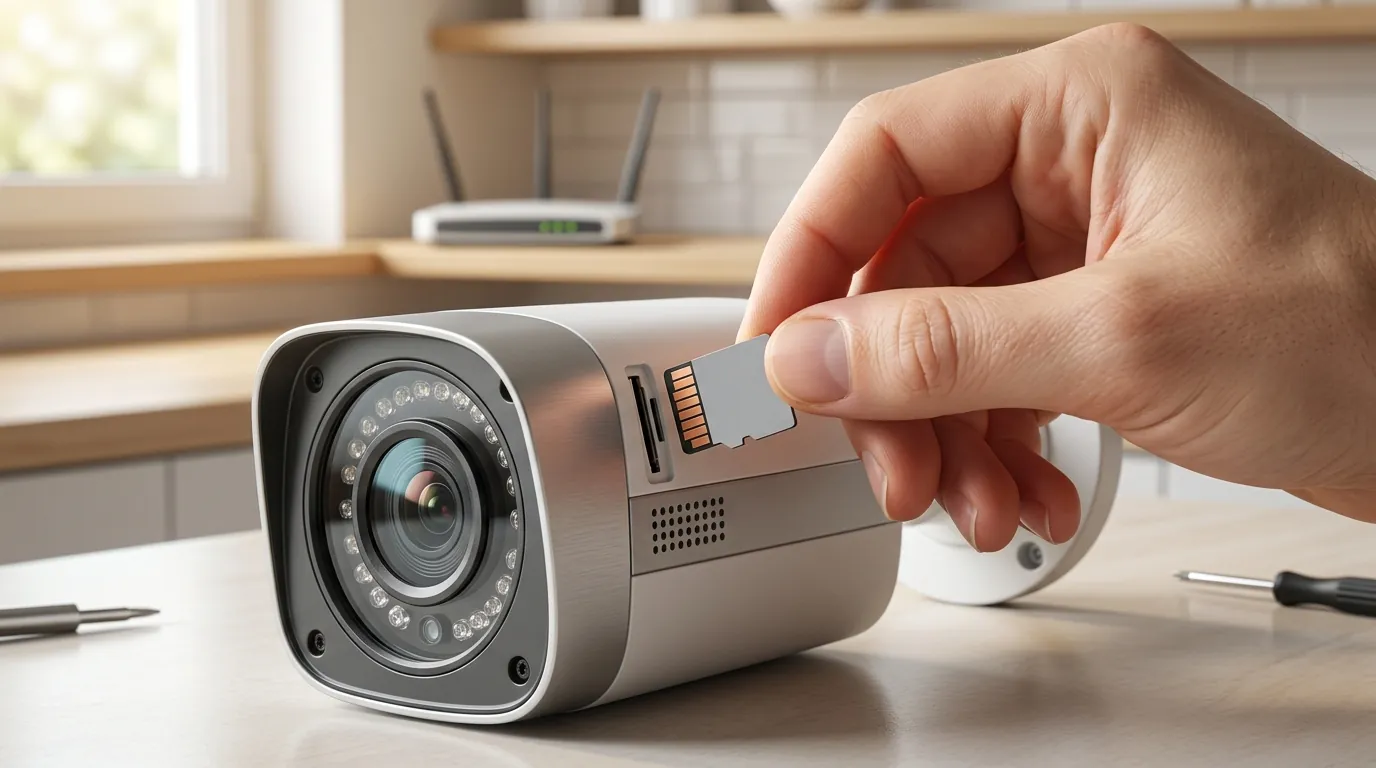
If you are experiencing crashes on iOS 18 or newer, follow this hierarchical troubleshooting guide to restore your system’s stability.
Immediate Troubleshooting Steps
- Update the Reolink App: This is the most effective fix. Navigate to the Apple App Store and ensure you are on version 4.60.2.9 or higher. Reolink’s developers frequently release “hotfixes” that do not appear in major version notes but resolve specific OS-level crashes.
- Toggle Local Network Permissions: iOS 18 is aggressive about privacy. Go to Settings > Reolink and ensure the “Local Network” toggle is ON. If it is already on, toggle it off and back on again.
- Clear App Cache: Open the Reolink app (if it stays open long enough), go to Settings > App Settings, and select “Clear Cache.” This removes corrupted temporary files that often cause crashes during video rendering.
- Force Restart the iPhone: On an iPhone with Face ID, quickly press and release Volume Up, then Volume Down, then hold the Side Button until the Apple logo appears. This clears the system RAM and can resolve conflicts between the OS and the app.
Seeking Official Support
If the basic steps fail, you should utilize Reolink’s official channels:
- Submit a Ticket: Use the Reolink Support Center to provide your iPhone model, iOS version, and the specific camera models you are using.
- Check Firmware: Use the Reolink Desktop Client (Windows or Mac) to check for camera firmware updates. Often, a mobile app crash is actually caused by the camera sending a data packet the app no longer understands; updating the camera firmware can resolve this.
Long-Term Considerations: Total Cost of Ownership (TCO)
When an app becomes unreliable, it’s worth evaluating whether the “no-subscription” savings are worth the technical overhead. Reolink remains one of the most cost-effective brands over a 3-year period because it lacks mandatory monthly fees.
3-Year TCO Comparison (Estimated Bands)
| Brand | Hardware Cost (4-Cam System) | Subscription (3 Years) | Total 3-Year Cost |
|---|---|---|---|
| Reolink | $400 - $600 | $0 (Local Storage) | $400 - $600 |
| Ring | $600 - $800 | $360 ($10/mo Protect Plus) | $960 - $1,160 |
| Arlo | $700 - $900 | $468 ($12.99/mo Arlo Secure) | $1,168 - $1,368 |
Note: Reolink does offer a “Cloud” service for battery cameras (around $3.50-$7.00/mo), but it is optional for most models.
Decision Framework: Should You Switch?
If app stability continues to be an issue despite troubleshooting, consider these alternatives based on your specific needs:
- If you are a Renter: Prioritize portability and app-first stability. Eufy offers a similar “no-subscription” model but is often cited for having a more polished, stable iOS application interface.
- If you are a Homeowner: Prioritize reliability. If Reolink’s app fails you, look into SureVision or other professional-grade ONVIF systems. These allow you to use third-party apps (like Blue Iris or Scrypted) that are not tied to a single manufacturer’s app development cycle.
- If you have No Wi-Fi: Stick with Reolink’s 4G LTE line (Go Series). While the app is the primary viewer, these cameras can also be managed via SMS and direct SD card retrieval in an emergency.
Frequently Asked Questions
Why does my Reolink app close immediately after I open it?
This is typically a “launch crash” caused by a conflict between the app’s saved state and the iOS memory manager. Deleting the app and reinstalling it is the most reliable fix, as it clears the “Container” folder where corrupted settings might be stored.
Does Reolink charge for the app updates that fix these crashes?
No. Reolink app updates are provided free of charge through the Apple App Store. Firmware updates for the cameras themselves are also free and can be downloaded from the Reolink website or updated via the app.
Can I view my Reolink cameras without the mobile app if it keeps crashing?
Yes. You can use the Reolink Client for Windows or macOS, which is often more stable than the mobile version. Additionally, if your cameras are connected to a Reolink NVR, you can view them directly on a monitor or TV connected to the NVR via HDMI.
Is iOS 18 specifically known for breaking security apps?
Major iOS updates often change how “Background App Refresh” and “Push Notifications” work. While not specific to Reolink, many security brands (including Wyze and Lorex) have historically faced similar stability issues during the first 3-6 months of a new iOS release.
Sources
- Reolink Official Support — https://support.reolink.com/
- Reolink Privacy Policy — https://reolink.com/privacy-policy/
- Apple App Store Reolink Page
- Reddit r/reolinkcam Community — https://www.reddit.com/r/reolinkcam/
- RTINGS Security Camera Reviews