
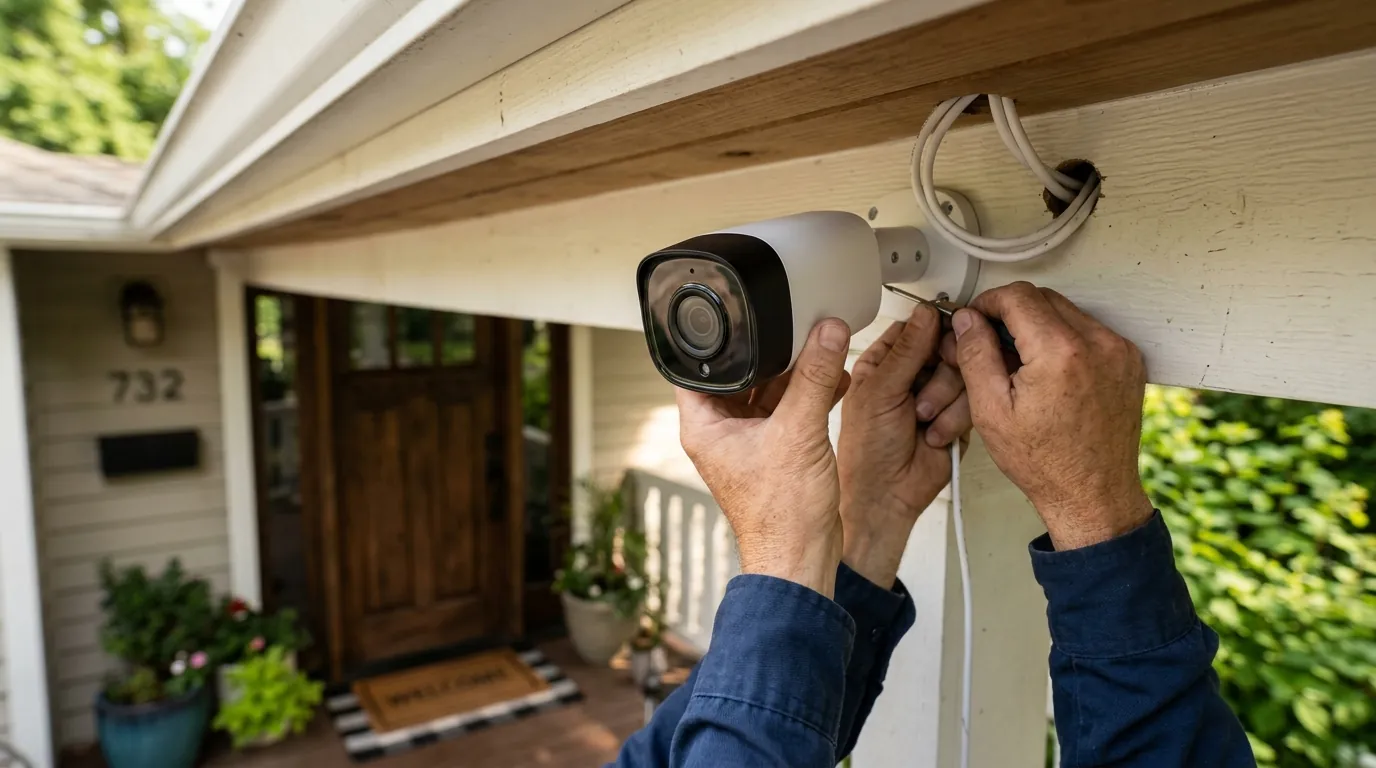
How to Protect Your Smart Home Cameras from Summer Heat Damage
The sweltering grip of summer heatwaves is more than just uncomfortable for us; it poses a significant threat to the smart home security cameras safeguarding our properties. As temperatures climb, these crucial sentinels face conditions that can push them beyond their designed limits, leading to malfunctions, degraded performance, and even complete failure.
To protect smart home cameras from summer heat, ensure they are installed in shaded areas, consider adding a physical sun shield, and verify their operating temperature limits. For battery-powered cameras like some EufyCam and Wyze models, high temperatures can significantly reduce battery life and risk overheating, potentially leading to malfunction or damage.
What happened
Related: Arlo Essential 2K Firmware Update Bricking: What Buyers Need to Know · Ring Facial Recognition Lawsuit: 2026 Impact on Owners & Buyers · June 2026 Stealer Logs Data Breach: What Camera Owners Must Know
Recent extreme summer heatwaves across the US have pushed outdoor temperatures beyond the operating limits of many smart home security cameras. High temperatures accelerate the degradation of electronic components, especially lithium-ion batteries, leading to reduced lifespan and potential safety risks. Reports indicate cameras experiencing malfunctions, reduced battery life, image distortion, and complete failure due to heat stress. A notable recall of Wyze Solar Cam Pan security cameras occurred due to incorrect assembly instructions causing batteries to overheat, leading to fire and burn hazards.
The Science of Heat and Electronics
Electronics generate heat during operation, and outdoor security cameras are designed to dissipate this heat while withstanding ambient environmental conditions. However, when ambient temperatures soar, the camera’s ability to cool itself is compromised. High temperatures can cause internal components to expand, leading to stress on solder joints and circuit boards. More critically, the lithium-ion batteries prevalent in many wireless smart home cameras are highly susceptible to heat damage. Exposure to high temperatures can accelerate the degradation of these batteries, leading to reduced capacity, shorter lifespan, and in extreme cases, swelling or even thermal runaway. The chemical reactions within the battery speed up with increased heat, causing irreversible damage over time.
Recent Heatwave Trends and Camera Incidents
The summers of recent years have seen record-breaking heat across the U.S. and globally, with many areas experiencing temperatures well above average. The National Oceanic and Atmospheric Administration (NOAA) reported that July 2023 was the hottest month on record globally. Such extreme weather events are becoming more frequent, impacting infrastructure and electronics.
These prolonged periods of intense heat have directly impacted outdoor security cameras. In October 2023, the U.S. Consumer Product Safety Commission (CPSC) announced a recall of approximately 14,000 units of the Wyze Solar Cam Pan security camera. The recall was issued because incorrect assembly instructions could cause the camera’s battery to overheat, posing fire and burn hazards. This incident highlights the critical importance of thermal management in camera design and installation. Beyond recalls, online forums and support communities show numerous reports of cameras exhibiting issues like intermittent operation, rapid battery drain, and video artifacts during heatwaves.
Why it matters for buyers
Operating temperature range is a critical specification for outdoor security cameras, with many consumer models rated up to 113°F (45°C) to 131°F (55°C). Cameras exposed to temperatures exceeding their limits can suffer permanent damage, leading to costly replacements and voided warranties. Investing in cameras with robust heat resistance or considering wired options (which often have higher temperature tolerances) can ensure long-term reliability. Features like durable casing materials and passive cooling designs contribute to a camera’s ability to withstand extreme heat.
Understanding Operating Temperature Specifications
When purchasing an outdoor security camera, the operating temperature range is a crucial specification often overlooked. This range, typically provided in both Fahrenheit and Celsius, indicates the ambient temperatures under which the manufacturer guarantees the camera will function correctly and safely. Many popular consumer outdoor cameras are rated to operate reliably up to 113°F (45°C) or 122°F (50°C), with some more robust models reaching 131°F (55°C).
Consider the following operating temperature ranges for popular outdoor security camera models:
| Camera Model | Operating Temperature Range (Fahrenheit) | Operating Temperature Range (Celsius) | Power Type | Source |
|---|---|---|---|---|
| EufyCam 2 Pro | -4°F to 122°F | -20°C to 50°C | Battery | |
| EufyCam 3 | -4°F to 122°F | -20°C to 50°C | Battery | |
| Reolink Argus 3 Pro | 14°F to 131°F | -10°C to 55°C | Battery | |
| Reolink RLC-811A | 14°F to 131°F | -10°C to 55°C | Wired PoE | |
| Wyze Cam v3 Pro | -4°F to 113°F | -20°C to 45°C | Wired | |
| Blink Outdoor 4 | -4°F to 113°F | -20°C to 45°C | Battery | |
| Ring Stick Up Cam Battery | -5°F to 120°F | -20.5°C to 48.5°C | Battery | |
| Ring Floodlight Cam Wired Pro | -5°F to 120°F | -20.5°C to 48.5°C | Wired | |
| Lorex 4K Smart Deterrence | -22°F to 140°F | -30°C to 60°C | Wired PoE |
As seen, wired cameras, particularly those utilizing Power over Ethernet (PoE) like the Reolink RLC-811A or Lorex 4K Smart Deterrence, often boast higher maximum operating temperatures. This is partly because they don’t contain large internal batteries, which are a primary source of heat vulnerability. For buyers in regions prone to extreme heat, prioritizing cameras with wider operating temperature ranges is essential for reliable, long-term performance and to avoid the risk of voiding warranties.
Beyond the IP Rating: Material Matters
While an IP (Ingress Protection) rating indicates a camera’s resistance to dust and water, it doesn’t directly measure its heat tolerance. The materials used in a camera’s construction play a significant role in its ability to withstand and dissipate heat. Cameras made with high-quality, heat-resistant plastics or metal casings are generally better equipped to handle high temperatures. Metal, especially aluminum, acts as a natural heatsink, drawing heat away from internal components. Some manufacturers also incorporate passive cooling designs, such as fins or vents, to improve airflow and heat dissipation. When researching cameras, look for mentions of durable, UV-resistant materials and robust thermal design, not just an IP rating. These details, often found in manufacturer spec sheets or in-depth reviews, provide a better indication of a camera’s resilience to harsh summer conditions.
Impact on existing owners
Common symptoms of heat stress include intermittent operation, rapid battery drain, distorted or discolored video (e.g., purple tint), and infrared (IR) night vision failure. Lithium-ion batteries in wireless cameras are particularly vulnerable, with every 15°F increase above 77°F potentially halving their lifespan. Operating cameras outside their specified temperature range may void manufacturer warranties, leaving owners responsible for repair or replacement costs. Overheating can cause cameras to temporarily shut down to prevent damage, resulting in gaps in surveillance.
Recognizing Heat Stress Symptoms
For existing smart home camera owners, understanding the signs of heat stress is crucial for timely intervention. Common symptoms can range from subtle performance degradation to complete system failure:
- Intermittent Operation or Frequent Disconnections: High internal temperatures can affect Wi-Fi modules and processors, leading to unstable connections or the camera temporarily going offline.
- Rapid Battery Drain: This is a primary indicator for wireless, battery-powered cameras. Heat significantly accelerates the chemical reactions within lithium-ion batteries, causing them to discharge much faster than usual.
- Distorted or Discolored Video: Overheating image sensors can produce video with unusual tints (often purple or pink), horizontal lines, or a grainy appearance. In severe cases, the image may freeze or fail to display entirely.
- Infrared (IR) Night Vision Failure: The IR LEDs generate heat, and if the camera is already struggling with ambient heat, the additional heat from the IR illuminators can push it past its limit, causing night vision to fail or become extremely dim.
- Unresponsive Controls: The camera’s app may show the device as unresponsive, or features like live view and motion detection may fail to activate.
- Physical Changes: In extreme cases, plastic casings may become brittle or discolored, and batteries might swell, potentially deforming the camera body. Swollen batteries are a serious safety hazard.
Battery Degradation and Warranty Implications
The impact of heat on lithium-ion batteries in wireless cameras cannot be overstated. Research indicates that operating a lithium-ion battery at 95°F (35°C) can reduce its lifespan by 40% compared to 77°F (25°C), and at 113°F (45°C), the lifespan can be halved. This means that a battery designed to last several years might only last one or two summers if consistently exposed to high temperatures, leading to premature battery replacement or the need for a new camera entirely.
Beyond performance, operating a camera outside its specified temperature range can have significant warranty implications. Most manufacturers explicitly state in their terms and conditions that damage resulting from environmental conditions outside the recommended operating parameters is not covered. This means if your camera fails due to overheating because it was installed in direct sunlight in a region with consistently high temperatures, you might be responsible for the full cost of repair or replacement. Always consult your camera’s user manual and the manufacturer’s warranty policy to understand these limitations.
Total Cost of Ownership (TCO) Considerations:
When evaluating the long-term cost of a smart home camera, especially in hot climates, it’s essential to look beyond the initial purchase price. The 3-year TCO includes:
- Hardware Cost: The initial price of the camera, which can range from around $30 for basic models to over $200 for advanced systems.
- Subscription Fees: Many popular brands gate essential features like cloud video recording, advanced AI detection (person, vehicle, package), and extended video history behind monthly or annual subscription plans.
- Wyze Cam Plus: Around $2/month or $20/year per camera, or Cam Plus Unlimited around $10/month or $100/year for all cameras. Without it, you get limited 12-second cloud clips with a 5-minute cooldown.
- Blink Subscription Plan: Starts around $3/month or $30/year per camera, or an “Plus” plan for multiple cameras around $10/month or $100/year. Without it, only motion notifications and live view are available, with local storage via Sync Module 2.
- Ring Protect Plan: Basic plan around $4/month or $40/year per device; Plus plan for all devices at one location around $10/month or $100/year. Without a plan, only live view and motion notifications.
- Eufy/Reolink: Often offer robust local storage options without mandatory subscriptions. Cloud plans are available as an add-on, typically around $3-5/month or $30-50/year per camera for extended cloud history.
- Replacement Costs (due to heat damage): If a camera fails prematurely due to heat and is out of warranty, an owner could face another $30-$200+ hardware cost within 1-2 years instead of the expected 3-5 years.
- Battery Replacement: For wireless cameras, batteries may need replacement every 1-3 years if frequently exposed to high heat, costing around $15-30 per battery.
Example 3-Year TCO Breakdown (Illustrative):
- Scenario A: Budget Wireless Camera (e.g., Wyze Outdoor Cam v2) in Hot Climate
- Hardware: ~$60
- Subscription (Cam Plus, 3 years): $20/year * 3 = $60
- Battery Replacement (once): ~$20
- Potential premature replacement due to heat (no warranty): ~$60
- Estimated 3-Year TCO: $140 - $200
- Scenario B: Mid-Range Wired Camera (e.g., Reolink RLC-811A) in Hot Climate (no subscription needed for core features)
- Hardware: ~$80
- Subscription: $0 (relying on local storage)
- Battery Replacement: $0 (wired)
- Estimated 3-Year TCO: $80 (potentially higher if optional cloud storage is added)
This comparison highlights how heat resilience and subscription models significantly influence the true cost of owning a security camera over time.
What to do now
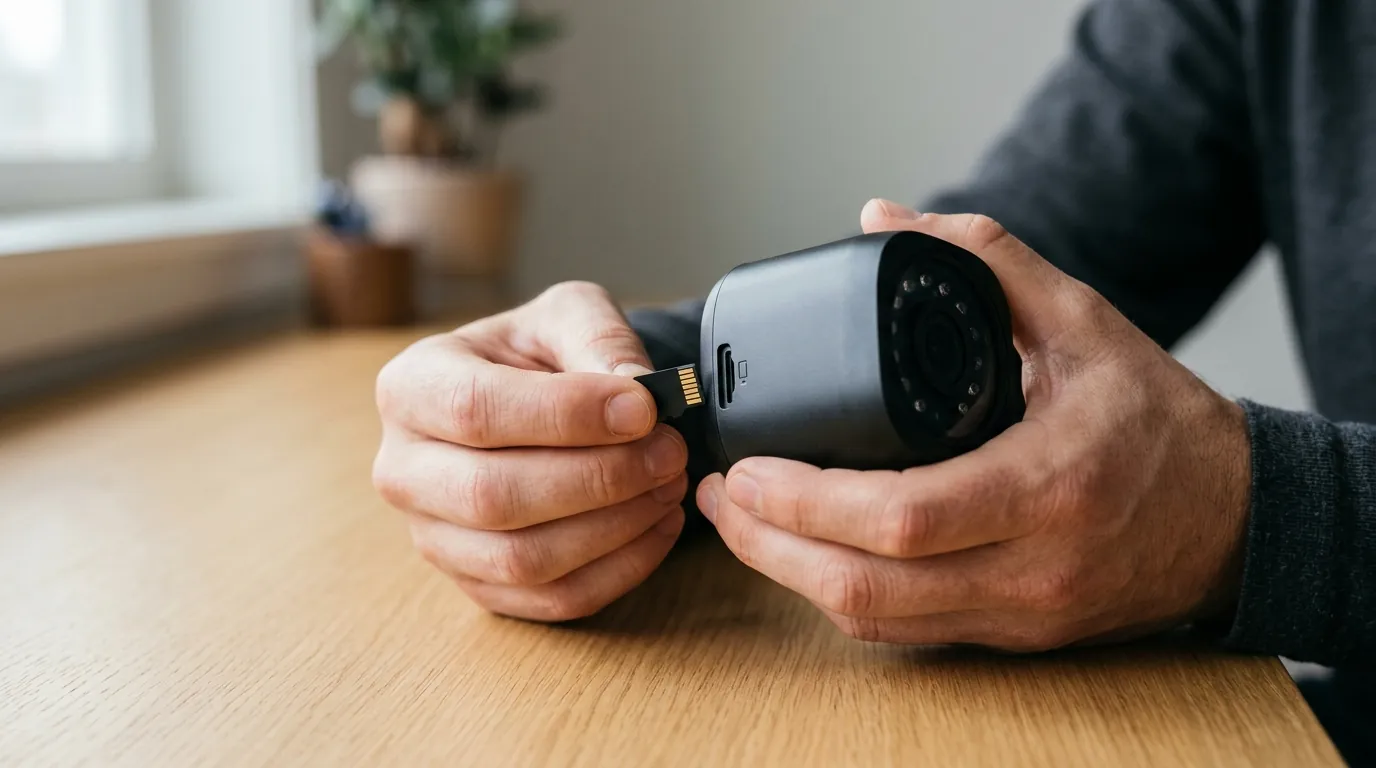
If you own or are considering purchasing smart home cameras, proactive measures are essential to mitigate heat damage.
Immediate Protection Strategies
During periods of high heat, or if your camera is already showing signs of stress, implement these strategies:
- Relocation and Shading: The most effective immediate step is to move cameras to naturally shaded areas. Install them under eaves, overhangs, or dense foliage. If relocation isn’t feasible, consider adding a physical sun shield or cover. These accessories, often available for around $10-30, are designed to block direct sunlight from hitting the camera casing, significantly reducing its operating temperature. A simple DIY solution can also involve using a piece of weather-resistant material to create a small canopy.
- Improve Ventilation: Ensure adequate airflow around the camera. If a camera is installed in an enclosed space, such as a poorly ventilated porch light fixture or a tight corner, heat can build up rapidly. Clear any obstructions that might block vents or impede air circulation.
- Monitor Performance: Regularly check your camera’s live feed and app notifications during heatwaves. Pay attention to video quality, battery levels, and any alerts about offline status or temperature warnings. Many camera apps provide battery status, which can be an indirect indicator of heat stress if draining unusually fast.
- Reduce Heat Load (for wired cameras): For wired cameras that allow it, temporarily disabling continuous recording or reducing video quality during the hottest parts of the day can lessen the workload on the processor and reduce internal heat generation. Similarly, if your camera’s IR LEDs are manually controllable, turning them off during daylight hours can prevent additional heat buildup.
- Firmware Updates: Keep your camera’s firmware updated. Manufacturers occasionally release updates that include thermal management improvements, optimizing how the camera handles heat and manages its power consumption in adverse conditions.
Long-Term Solutions and Future-Proofing
For sustained protection and when planning future purchases, consider these long-term strategies:
- Consider Wired Alternatives: For future purchases, wired cameras generally offer higher heat tolerances because they don’t contain large, heat-sensitive lithium-ion batteries. Power over Ethernet (PoE) cameras are particularly robust, as they receive both power and data through a single cable, often allowing for more durable, sealed designs and better heat dissipation due to the absence of internal batteries.
- Invest in Purpose-Built Outdoor Cameras: Choose cameras specifically designed for extreme outdoor conditions, even if your local climate isn’t consistently severe. These models often feature more robust construction, better internal heat sinks, and wider operating temperature ranges.
- Strategic Installation Planning: When installing new cameras, always prioritize shaded locations. Observe how sunlight hits different areas of your property throughout the day, especially during summer, and choose mounting spots that offer natural protection from direct sun exposure.
- Review Warranty and Support: Before purchasing, carefully review the manufacturer’s warranty policy regarding environmental damage. Understand their support options if a camera fails due to heat.
Decision Framework for Buyers:
- If you live in a region with extreme summer heat (regularly above 100°F / 38°C):
- Prioritize: Wired cameras (especially PoE) with a maximum operating temperature of 130°F (54°C) or higher.
- Consider: Installing all cameras under significant natural shade or with dedicated sun shields.
- Avoid: Battery-powered cameras in direct, unshaded sunlight.
- If you need a battery-powered camera for flexibility:
- Prioritize: Models with a robust operating temperature range (e.g., EufyCam 3 or Reolink Argus 3 Pro) and plan for regular battery replacements or supplemental solar panels with proper shading.
- Consider: Shaded installation spots or aftermarket sun shields as mandatory.
- If you are a renter or prefer easy installation:
- Prioritize: Cameras that are easy to relocate to shaded areas or that are compatible with clip-on sun shields.
- Consider: The trade-off between installation ease and long-term heat resilience.
- If you are on a tight budget:
- Prioritize: Wired cameras, as they often have lower total cost of ownership due to fewer battery replacements and potentially no mandatory subscription fees for core features.
- Consider: The cost of shading accessories as part of the initial investment.
By understanding the risks and implementing these protective measures, you can significantly extend the life and reliability of your smart home security cameras, ensuring they continue to provide vigilant surveillance even through the hottest summer days.
Frequently Asked Questions
Can extreme heat permanently damage my security camera?
Yes, extreme heat can permanently damage internal electronic components, especially the image sensor and lithium-ion batteries. Prolonged exposure to temperatures beyond the camera’s specified operating range can lead to malfunctions, reduced lifespan, and even complete failure.
Do all outdoor security cameras have the same heat resistance?
No, heat resistance varies significantly between models and brands. Wired cameras, particularly those without internal batteries, often have higher maximum operating temperatures than battery-powered wireless cameras. Always check the manufacturer’s specified operating temperature range before purchasing or installing.
Will a sun shield really help protect my camera from heat?
Yes, a physical sun shield or cover can significantly help. By blocking direct sunlight from hitting the camera’s casing, it reduces the amount of solar radiation absorbed, thereby lowering the internal operating temperature and protecting components from overheating.
Does heat affect wired cameras differently than wireless cameras?
Yes, heat tends to affect wired and wireless cameras differently. Wired cameras generally have better heat tolerance because they lack a large internal lithium-ion battery, which is highly susceptible to heat degradation. Wireless cameras, relying on batteries, are more prone to rapid battery drain, reduced lifespan, and performance issues in high temperatures.
Will my camera’s warranty be voided if it overheats?
Many manufacturers’ warranties include clauses that exclude damage caused by operating the device outside its specified environmental conditions, including temperature limits. If your camera fails due to overheating because it was exposed to temperatures beyond its rated range, the warranty may be voided, leaving you responsible for replacement costs.
Sources
- [eufy.com]
- [bgr.com]
- [amazonforum.com]
- [large-battery.com]
- [boltenergyusa.com]
- [eblofficial.com]
- [whizz-experts.com]
- [doorbellmount.com]
- [cpsc.gov] — https://www.cpsc.gov/Recalls/2024/Wyze-Recalls-Solar-Cam-Pan-Security-Cameras-Due-to-Fire-and-Burn-Hazards
- [ring.com]
- [reolink.com]
- [reolink.com]
- [blinkforhome.com]
- [eufy.com]
- [eufy.com]
- [wyze.com]
- [reolink.com]
- [eufy.com]
- [eufy.com]
- [wyze.com]
- [lorex.com]
- [ipcamtalk.com] — https://ipcamtalk.com/threads/purple-tint-on-camera-during-hot-weather.64548/
- [reolink.com]