
Lorex vs. Reolink NVR Systems: 2026 Comparison & Buying Guide
As the market for subscription-free home security matures, the rivalry between Lorex and Reolink has shifted from a battle over 4K resolution to a high-stakes race for local AI processing and hardware transparency. For buyers in 2026, the choice between these two giants now hinges as much on legal compliance and data privacy as it does on megapixels.
Quick Answer: In 2026, Reolink leads for tech-forward DIYers with its 24MP OMVI series and ReoNeura AI Hub. Lorex remains a retail powerhouse for high-channel 4K/8K setups, but faces significant 2026 legal scrutiny over privacy and component origins.
What happened
The landscape of professional-grade consumer NVRs (Network Video Recorders) underwent a seismic shift in early 2026. While both brands have long been the go-to recommendations for users seeking to avoid the “subscription trap” of Ring or Nest, their paths have diverged sharply in terms of hardware innovation and corporate transparency.
Reolink’s 2026 Hardware Leap: 24MP and Wi-Fi 7
At CES 2026, Reolink solidified its position as the hardware innovator of the DIY space. The headline was the launch of the OMVI X series, featuring the world’s first triple-lens 24MP AI camera. This system utilizes three 8MP sensors stitched together via local processing to provide a 180-degree field of view with zero “fisheye” distortion and enough detail to read a license plate at significantly greater distances than previous 4K models.
Simultaneously, Reolink expanded its ReoNeura AI Hub, a dedicated local server that offloads AI processing from the cameras themselves. This allows even older 5MP and 8MP Reolink cameras to benefit from 2026-era detection algorithms, such as package recognition and specific pet identification, without needing a cloud connection.
Lorex’s Legal and Compliance Headwinds
Lorex, meanwhile, has focused on its Fusion 4K ecosystem. The 2026 Fusion NVRs are designed as “hybrid” hubs, capable of managing up to 16 wired PoE (Power over Ethernet) cameras alongside 8 Wi-Fi 7 wireless cameras on a single interface. This makes Lorex a strong contender for large properties where running Ethernet cables to every corner is impractical.
However, Lorex’s 2026 has been defined by legal challenges. In early 2026, the Attorneys General of Texas and Nebraska filed consumer protection lawsuits against Lorex. The filings allege that Lorex misled consumers regarding its supply chain. Despite Lorex’s 2023 ownership change (moving from Dahua to Skywatch), the lawsuits claim the brand continues to rely on Dahua-sourced components that are subject to FCC restrictions, raising concerns about long-term software support and cybersecurity vulnerabilities.
| Feature | Reolink RLN36 (2026 Edition) | Lorex Fusion N864 Series |
|---|---|---|
| Max Resolution Support | 24MP (OMVI Series) | 4K (8MP) / 12MP (Limited) |
| Max Channels | 36 Channels | 16-32 Channels |
| Storage Capacity | Up to 48TB (3x 16TB bays) | Up to 20TB (2x 10TB bays) |
| Wireless Support | Via Home Hub Pro Bridge | Native Wi-Fi 7 Hybrid |
| AI Processing | Local (ReoNeura Hub) | Camera-Side (Smart Motion+) |
| Subscription Required | No | No |
| Privacy Rating | High (Independent MFG) | Mixed (Ongoing Litigation) |
Why it matters for buyers
For the average homeowner, the technical specifications of an NVR are often secondary to the daily user experience. However, the developments of 2026 have made the “back-end” of these systems more relevant than ever.
The Resolution Gap: 8MP vs. 16MP+
In 2024, 4K (8MP) was the gold standard. In 2026, it is the baseline. Reolink’s push into 16MP (Duo 3) and 24MP (OMVI) means that standard 4K systems now feel dated when trying to identify faces at a distance. For a PoE security camera guide, resolution is the primary factor in “evidentiary value”—the ability for police to actually use your footage to identify a suspect. Reolink’s 2026 sensors offer nearly triple the pixel density of Lorex’s standard Fusion offerings.
Subscription-Free AI Search Capabilities
The most significant “quality of life” improvement in 2026 is the advent of natural language AI search. Reolink’s ReoNeura system allows users to type a query like “find the person in the blue hoodie who walked by at noon” directly into the NVR interface. The system parses the local metadata to find the clip instantly.
Lorex’s Smart Motion Detection+ is highly capable at distinguishing between humans and vehicles, but it lacks the deep metadata indexing required for natural language queries. Lorex users still largely rely on scrolling through “event” thumbnails, which can be cumbersome on a 16-camera system with high traffic.
Privacy vs. Convenience
The Lorex lawsuits highlight a critical trade-off. Lorex systems are readily available at big-box retailers like Costco and Best Buy, often bundled with professional-grade mounts and long warranties. This “retail-first” approach provides excellent physical support. However, for privacy-conscious buyers, the lack of transparency regarding component origins is a red flag. Reolink, by contrast, has moved toward a more transparent, vertically integrated manufacturing model, which has helped it avoid the regulatory scrutiny currently facing Lorex.
| AI Capability | Reolink ReoNeura (2026) | Lorex Smart Motion+ (2026) |
|---|---|---|
| Human/Vehicle/Pet | Standard | Standard |
| Natural Language Search | Yes (Local) | No |
| Face Recognition | Yes (Database-driven) | Yes (Select models only) |
| Package Detection | Advanced (Local AI) | Basic |
| Cloud Dependency | 0% | 0% (Optional for alerts) |
Impact on existing owners
If you already own a Lorex or Reolink system, the 2026 landscape requires a strategic approach to upgrades rather than a total system replacement.
Firmware Stability and Security Patches
Existing Lorex owners should pay close attention to firmware update logs. As legal pressures mount, there is a risk that certain features—specifically those relying on “Lorex Cloud” for remote viewing—could see service interruptions if the brand is forced to restructure its server architecture to comply with new US privacy mandates.
Reolink owners have seen a different trend: improved third-party integration. In 2026, Reolink released official drivers for Home Assistant and Homey, making it the preferred choice for those who want their cameras to trigger smart lights or locks without relying on a closed ecosystem.
Upgrading Your Existing NVR Storage
With the jump to 16MP and 24MP video, storage requirements have skyrocketed. A single 24MP camera recording at 20fps can consume over 200GB of storage per day.
Storage Benchmark: 24/7 Recording (7-Day Retention)
- 4-Camera 4K (8MP) System: Requires ~3TB.
- 4-Camera 16MP System: Requires ~6.5TB.
- 4-Camera 24MP System: Requires ~10TB.
Most 2026 Reolink NVRs now ship with a minimum of 4TB or 8TB pre-installed, whereas many older Lorex units still in the retail channel may only include 2TB. Owners of older systems should consider upgrading their internal HDDs to Western Digital Purple or Seagate SkyHawk “surveillance grade” drives to handle the higher bitrates of 2026 firmware updates.
What to do now
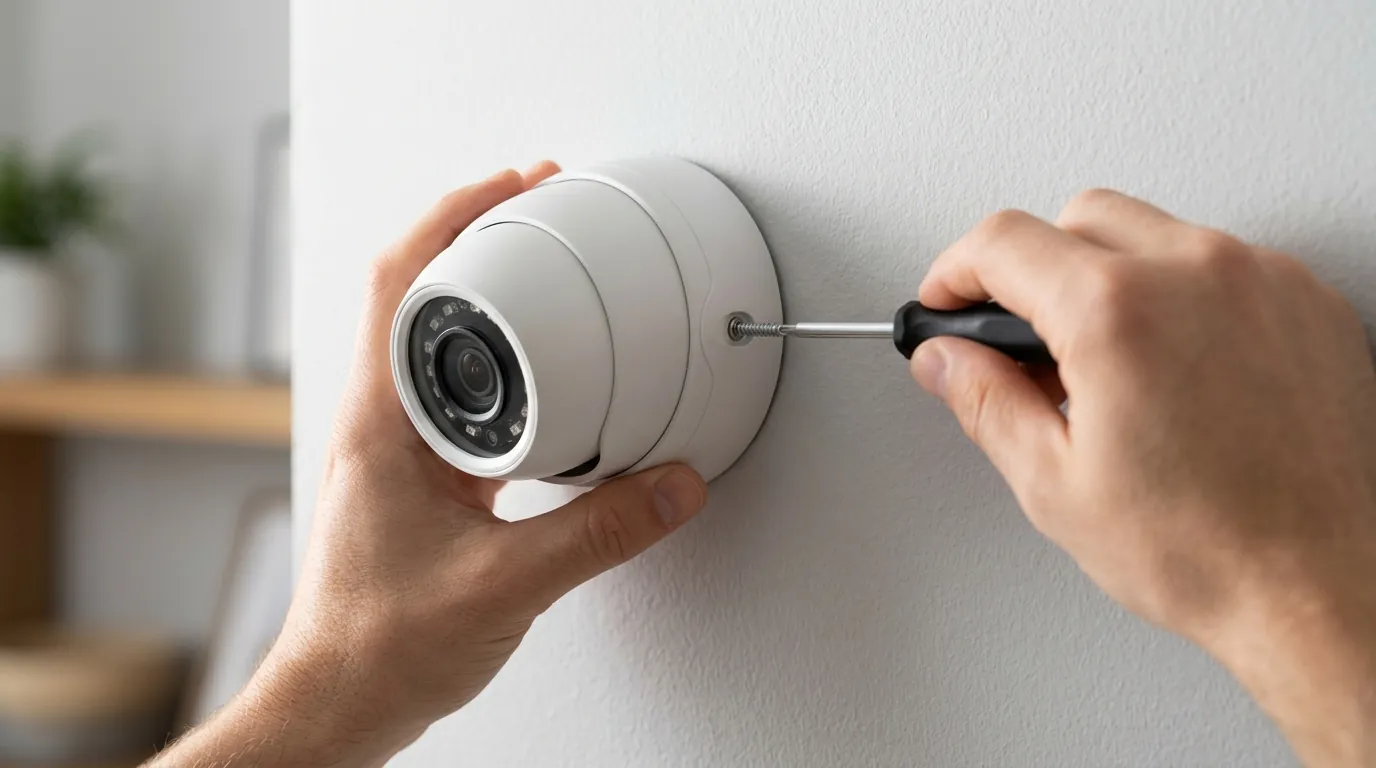
Choosing between Lorex and Reolink in 2026 comes down to your tolerance for technical setup versus your demand for privacy and cutting-edge resolution.
For New Installs: Prioritize Reolink
If you are starting from scratch, Reolink is currently the superior choice for best no-subscription NVRs. Their 2026 ecosystem is more cohesive, and the ReoNeura AI Hub provides a future-proof foundation for local processing. Look specifically for the RLK12-800WB4 (a Wi-Fi 7/PoE hybrid kit) or the Home Hub Pro if you prefer a smaller, desktop-friendly footprint over a rack-mounted NVR.
For Large Properties: Consider Lorex Fusion
Lorex remains the market leader for massive, high-channel count installations. If you need 32 wired cameras for a small business or a sprawling estate, Lorex’s N884 series NVRs offer more robust power-over-ethernet budgets and physical build quality that feels more “industrial” than Reolink’s consumer-grade plastics. However, be prepared for a potentially shorter software lifecycle if legal challenges persist.
Total Cost of Ownership (3-Year Projection)
When evaluating the price, look beyond the initial kit cost.
- Reolink 8-Channel 16MP Kit: Around $450-$600. No monthly fees. Total 3-year cost: ~$600.
- Lorex 8-Channel 4K Fusion Kit: Around $500-$700. No monthly fees. Total 3-year cost: ~$700.
- Comparison (Ring/Nest): $200 hardware + $120/year subscription. Total 3-year cost: ~$560, but you own no data and lose features if you stop paying.
Decision Matrix: Lorex vs. Reolink 2026
| If your priority is… | Recommended Brand | Why? |
|---|---|---|
| Maximum Detail | Reolink | 24MP sensors outperform Lorex 4K. |
| Privacy/Security | Reolink | Cleaner supply chain and local AI. |
| Retail Support | Lorex | Easy returns at Costco/Best Buy. |
| Smart Home Integration | Reolink | Better Home Assistant/Homey support. |
| Hybrid Wired/Wireless | Lorex | Superior Wi-Fi 7 integration in NVRs. |
The Quvii Recommendation for 2026
For the majority of US homeowners, Reolink has effectively “won” the 2026 cycle. By focusing on local AI that actually works and pushing the boundaries of sensor resolution, they have addressed the two biggest complaints of the NVR market: difficult footage review and blurry faces. Lorex remains a viable “prosumer” choice for those who need high channel counts and immediate retail availability, but the lack of transparency in their 2026 hardware stack makes them a harder recommendation for the long term. Quvii tracks these trade-offs across the category to ensure buyers aren’t caught off guard by shifting legal or technical standards.
Sources
- Reolink Official Specifications (OMVI & ReoNeura)
- Lorex Fusion Series Documentation
- Texas Attorney General - Consumer Protection Filings 2026
- FCC ID Database - Lorex/Skywatch Filings
- RTINGS - Best NVR Security Camera Systems 2026 Update
- The Verge - The State of Home Security Privacy 2026