
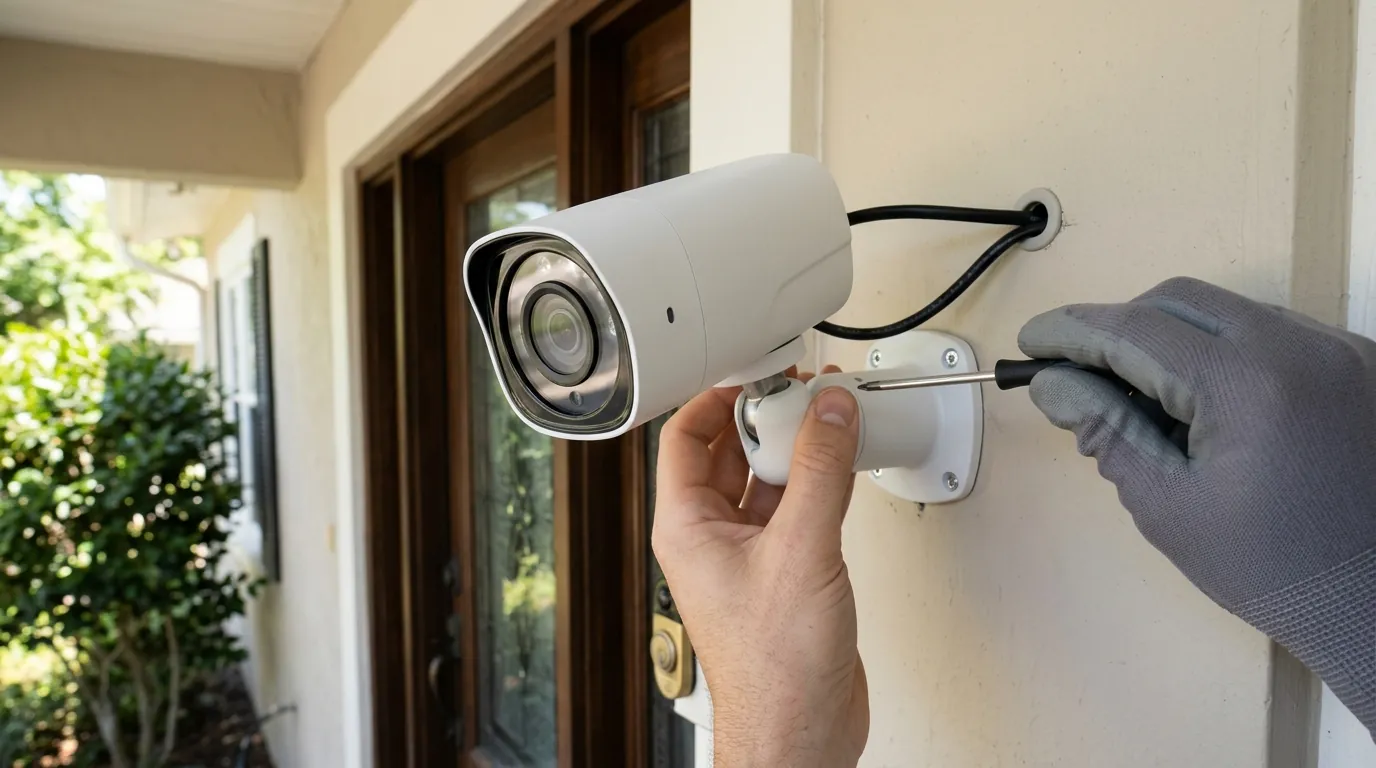
Eufy vs. Ring vs. Arlo: The Summer 2026 Security Camera Showdown
The landscape of home security has shifted significantly over the last two years, moving away from simple motion alerts toward sophisticated AI-driven ecosystems. As we enter the summer of 2026, the “big three”—Eufy, Ring, and Arlo—have reached a point of total divergence in their business models, forcing consumers to choose between local autonomy and cloud-integrated convenience.
Quick Answer: In Summer 2026, Eufy remains the local-storage leader with no monthly fees. Ring dominates in smart home integration despite recent price hikes, while Arlo offers superior 4K optics for those willing to pay for Arlo Secure Plus.
What happened
Related: Ring vs. Ubiquiti UniFi 2026: The New Cost of Home Security · How to Fix the Eufy Security ‘Push Channel’ Silent Error · Fix: Eufy Security Push Notifications Failing in Home Assistant (2026)
The security camera market in 2026 is defined by two major trends: the consolidation of subscription services and the arrival of Matter 2.0. Ring has completed its transition to the “Ring Home” branding, a move that simplified its product tiers but also cemented a higher price floor for entry-level users. Meanwhile, Arlo has aggressively moved to sunset its first-generation hardware, and Eufy has doubled down on its “Edge Security” philosophy with the continued rollout of HomeBase 3 capabilities and early-access leaks of the HomeBase 4.
One of the most significant shifts is the industry-wide adoption of Matter 2.0. While early versions of Matter focused on simple on/off commands for lights and plugs, Matter 2.0 has finally introduced a standardized “Common Media Profile.” This allows cameras like the Ring Battery Doorbell Pro 2 and the Arlo Ultra 3 to stream video directly to third-party dashboards (like Google Home or Apple Home) with significantly lower latency than the previous cloud-to-cloud bridges. However, full feature parity—such as accessing recorded clips or using proprietary AI features—remains largely locked within each brand’s native app.
The 2026 Subscription Landscape
Subscriptions have become the primary revenue driver for Ring and Arlo, while Eufy continues to use “zero monthly fees” as its primary competitive wedge.
Table 1: 2026 Subscription Tiers & Feature Comparison
| Feature | Ring Home (Standard) | Arlo Secure Plus | Eufy (Local Only) |
|---|---|---|---|
| Monthly Cost | Around $10/mo | $15–18/mo | $0 |
| Video Resolution | Up to 1536p/4K | Up to 4K | Up to 4K |
| Storage Type | Cloud (180 days) | Cloud (30 days) | Local (HomeBase 3/4) |
| AI Features | Person/Package/Pet | Person/Package/Vehicle | BionicMind (Face/Body) |
| Matter 2.0 Support | Yes | Yes | Yes (Select Models) |
| Professional Mon. | Included in Premium | Available (Add-on) | Available (Add-on) |
Hardware Refreshes: Ring Battery Doorbell Pro 2 vs. Arlo Ultra 3
Hardware innovation in 2026 has focused on power efficiency and optical clarity. The Ring Battery Doorbell Pro 2 has become the flagship for Amazon’s ecosystem, utilizing “Head-to-Toe” video and 3D Motion Detection (Radar) to reduce false alerts. This model is specifically designed to leverage the Ring Home subscription’s new AI processing, which identifies not just that a person is there, but whether they are a “known” household member.
Arlo, conversely, has pushed the limits of image quality with the Arlo Ultra 3. Despite industry rumors of 5K sensors, the Ultra 3 maintains a high-bitrate 4K sensor optimized for low-light performance. It remains the only consumer camera in this trio to offer a 180-degree diagonal field of view with minimal fisheye distortion, thanks to its advanced de-warping algorithms Arlo Ultra 2 Specs Reference.
Eufy has focused its hardware efforts on the “Dual Camera” trend. The S350 Dual and the S330 eufyCam utilize a dual-lens system—one wide-angle and one telephoto—to provide both a peripheral view and a 3x optical zoom of subjects. This allows for clear facial recognition at distances where Ring and Arlo typically struggle with digital pixelation.
Why it matters for buyers
For the consumer in 2026, the choice between these three brands is no longer just about the camera’s resolution; it is a long-term financial and privacy commitment. The “Total Cost of Ownership” (TCO) has become the most critical metric for savvy buyers.
The ‘Subscription Ceiling’: How much is too much?
We have reached what analysts call the “Subscription Ceiling.” In 2024, Ring increased the price of its Basic plan from $3.99 to $4.99 per month Ring Support - Changes to Ring Protect. By Summer 2026, the entry-level “Ring Home Basic” plan has reached the $5.99/month range. While this seems marginal, the 5-year TCO for a multi-camera home tells a different story.
5-Year TCO Projection (3-Camera Setup)
- Eufy (S330 3-Cam Kit + HomeBase 3):
- Hardware: Around $500–600
- Subscription: $0
- Total: $600
- Ring (3x Stick Up Cam Pro + Ring Home Standard):
- Hardware: Around $450
- Subscription ($120/yr x 5): $600
- Total: $1,050
- Arlo (3x Pro 5S + Arlo Secure Plus):
- Hardware: Around $600
- Subscription ($180/yr x 5): $900
- Total: $1,500
For many homeowners, paying $1,500 over five years for a system they “own” feels increasingly like a rental agreement. This has led to a surge in Eufy’s market share among those who prefer to invest in hardware upfront rather than committing to a perpetual monthly bill.
Ecosystem Lock-in vs. Matter Interoperability
The promise of Matter 2.0 was to end ecosystem lock-in, but the reality in 2026 is more nuanced. While you can now view your Ring camera on an Apple HomePod or a Google Nest Hub without a third-party bridge (like Starling or Homebridge), you still cannot change the camera’s motion sensitivity or access the “Bird’s Eye View” history outside of the Ring app.
Buyers must decide if they want the “best-in-class” features of a single ecosystem or a “good-enough” experience across a unified smart home dashboard. Ring remains the gold standard for Alexa users, offering the most seamless “doorbell-to-TV” experience. Arlo is the preferred choice for those who want a platform-agnostic camera that plays equally well with Google and Apple, provided you pay for the Arlo Secure cloud. Eufy is the outlier, offering the best local experience but occasionally lagging in the speed of its Matter 2.0 firmware updates for older S220 or S300 models.
Privacy and Data Sovereignty
Privacy policies have diverged sharply. Ring made headlines in early 2024 when it officially stopped allowing police departments to request footage from users through the Neighbors app Ring Blog - An Update on Neighbors. This was a major win for privacy advocates, yet Ring’s system remains fundamentally cloud-based.
Eufy, after facing criticism in 2022/2023 regarding unencrypted cloud thumbnails, has moved to a “Local-First” architecture. Their BionicMind AI processes facial recognition and person detection entirely on the HomeBase 3/4, meaning your biometric data never leaves your house. For users concerned about “Law Enforcement Request” automation or data breaches at the server level, Eufy’s Edge Security offers a level of data sovereignty that Ring and Arlo cannot match.
Impact on existing owners
If you already own a system from one of these brands, Summer 2026 brings a mix of mandatory migrations and hardware challenges.
The ‘Bricking’ Risk: Arlo’s EOL Policy in 2026
Arlo’s End-of-Life (EOL) policy has become a cautionary tale for the industry. Having sunset support for the original Arlo, Pro, and Pro 2, the company has now moved to limit the functionality of the Pro 3 and Ultra (Gen 1) series. While these cameras still work, they no longer receive security updates, and their ability to store video to the cloud without a subscription has been effectively eliminated.
Existing Arlo owners with older VMB4000 or VMB4500 hubs are also reporting significant latency issues. As Arlo’s 2026 firmware updates prioritize the higher processing requirements of the Ultra 3 and Pro 5S, older hubs struggle to keep up, often resulting in “Request Timed Out” errors when trying to view a live stream.
Ring’s Mandatory Migration: What you need to know
Ring owners who were on “Legacy” plans (plans purchased before the 2024-2025 price hikes) are being systematically migrated to the new Ring Home tiers. This migration is mandatory; users who refuse the new terms often lose access to advanced features like “Rich Notifications” (notifications with a thumbnail image). This has caused friction in the community, particularly on r/Ring, where users have noted that the “Basic” plan no longer covers as many features as it did three years ago.
Eufy’s ‘Bridge’ Strategy
In a rare move of backward compatibility, Eufy released a “Bridge” update for the HomeBase 3 (S380). This allows the hub to manage and provide AI features to older SoloCams and even some legacy 2K indoor cameras that were originally designed as standalone units. This has extended the life of older Eufy hardware, making it the most “future-proof” of the three ecosystems for existing owners.
What to do now
If you are evaluating your security setup in Summer 2026, your path depends on your current “subscription fatigue.”
The Best No-Subscription Upgrade for 2026
For those looking to escape the monthly bill, the Eufy Edge Security Starter Kit (HomeBase 3 + S330 eufyCam) is the strongest recommendation. The S330 cameras provide 4K resolution and integrated solar panels, which, when paired with the HomeBase 3’s expandable storage (up to 16TB with a 2.5-inch SSD), creates a truly “set it and forget it” system.
Decision Framework: Which should you choose?
- If you are a renter: Prioritize Ring. Their battery-powered line (Stick Up Cam Pro) is the easiest to install and move, and the ecosystem integration with Alexa is unmatched for small setups.
- If you want the absolute best image quality: Prioritize Arlo. The Ultra 3’s 4K HDR and 180-degree field of view are still the gold standard for identifying faces and license plates at a distance.
- If you are a privacy-conscious homeowner: Prioritize Eufy. Local AI processing and local storage are the only ways to ensure your data stays under your control.
- If you want a professional-grade hybrid: Consider the Ring Home Premium plan, which includes professional monitoring and cellular backup, effectively replacing a traditional ADT-style alarm system.
How to phase out your Ring/Arlo subscription without losing security
If you find your annual bill for Ring or Arlo has crossed the $150 mark, it is time to consider a phased migration to local storage.
- Step 1: Purchase a local-capable hub (like Eufy HomeBase 3).
- Step 2: Replace your highest-traffic camera (usually the doorbell) with a local-storage equivalent.
- Step 3: Compare the notification speed. Many users find that local AI notifications from Eufy are actually faster than cloud-processed notifications from Ring because the data doesn’t have to travel to a server and back.
- Step 4: Once comfortable, cancel the cloud subscription and move the remaining cameras to the local hub.
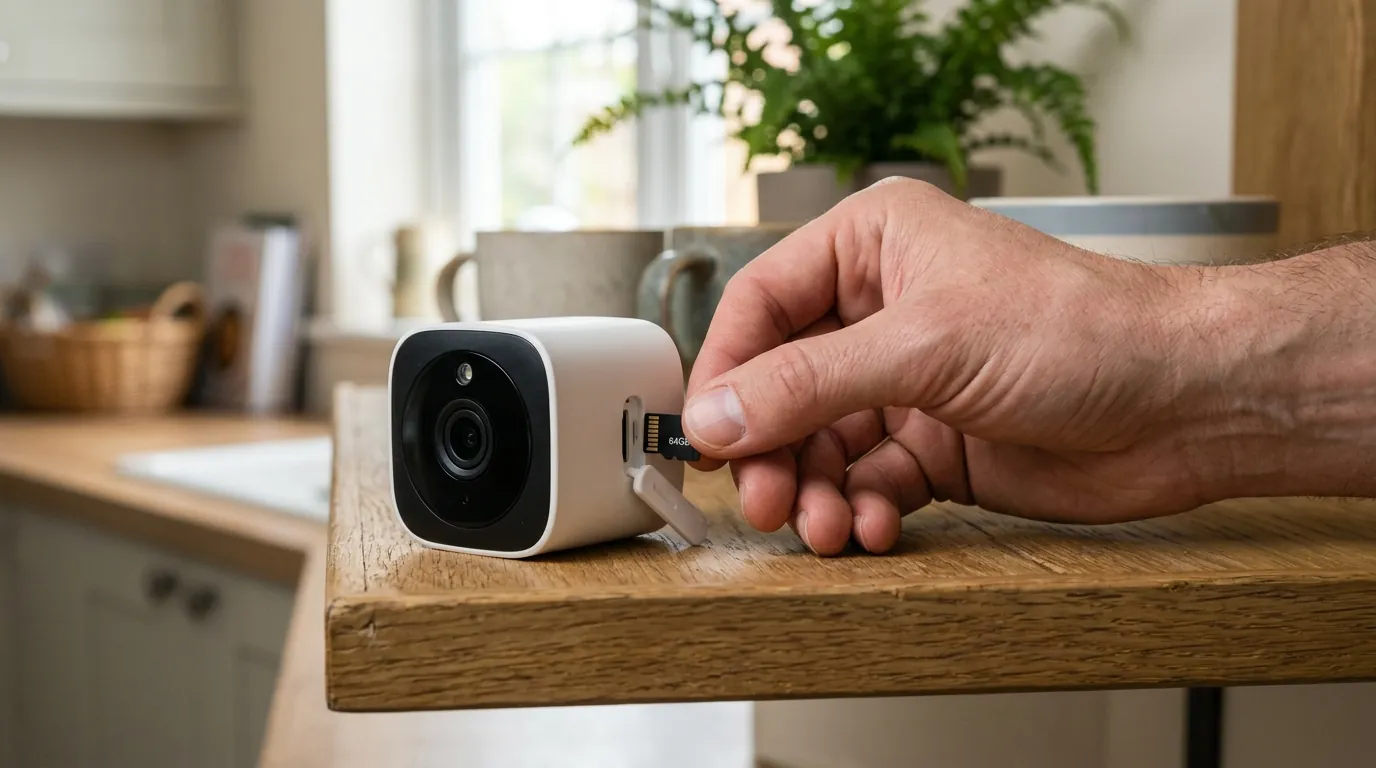
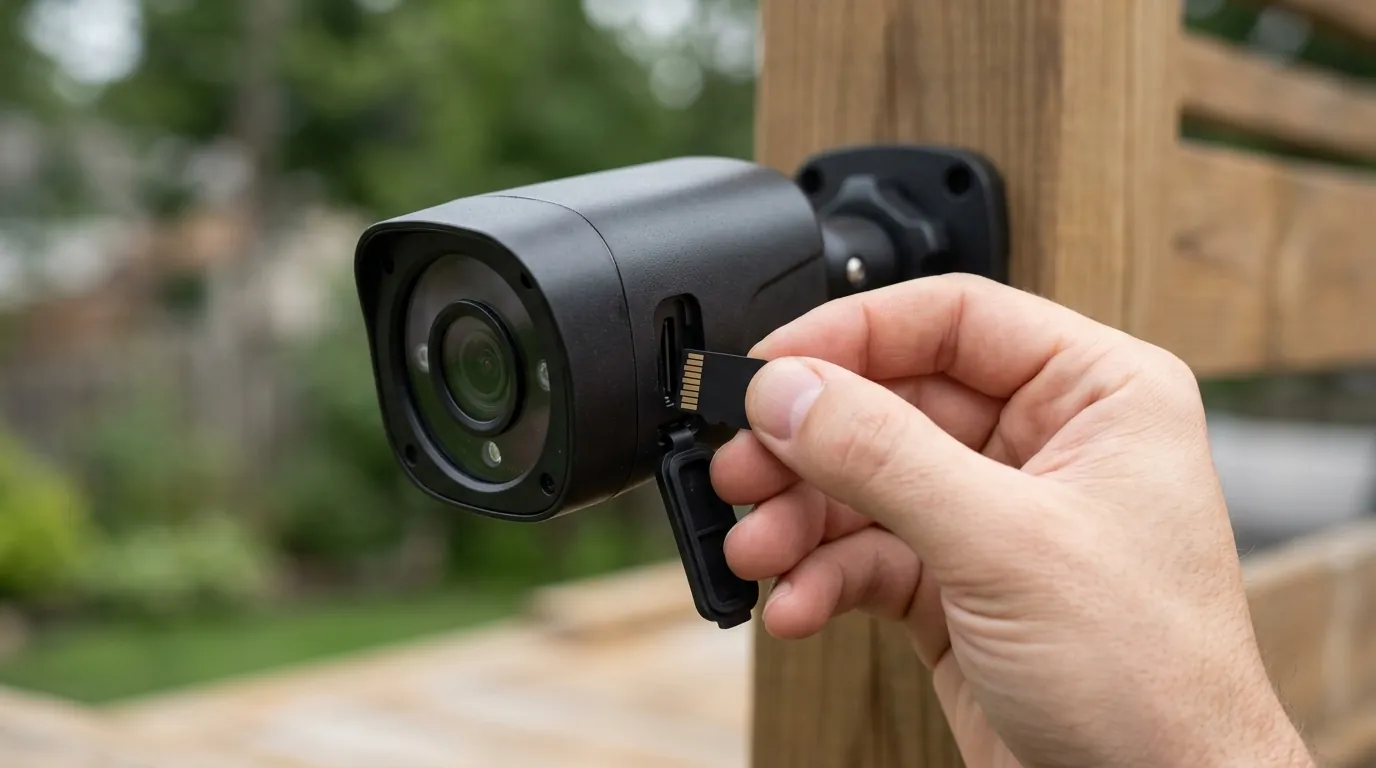
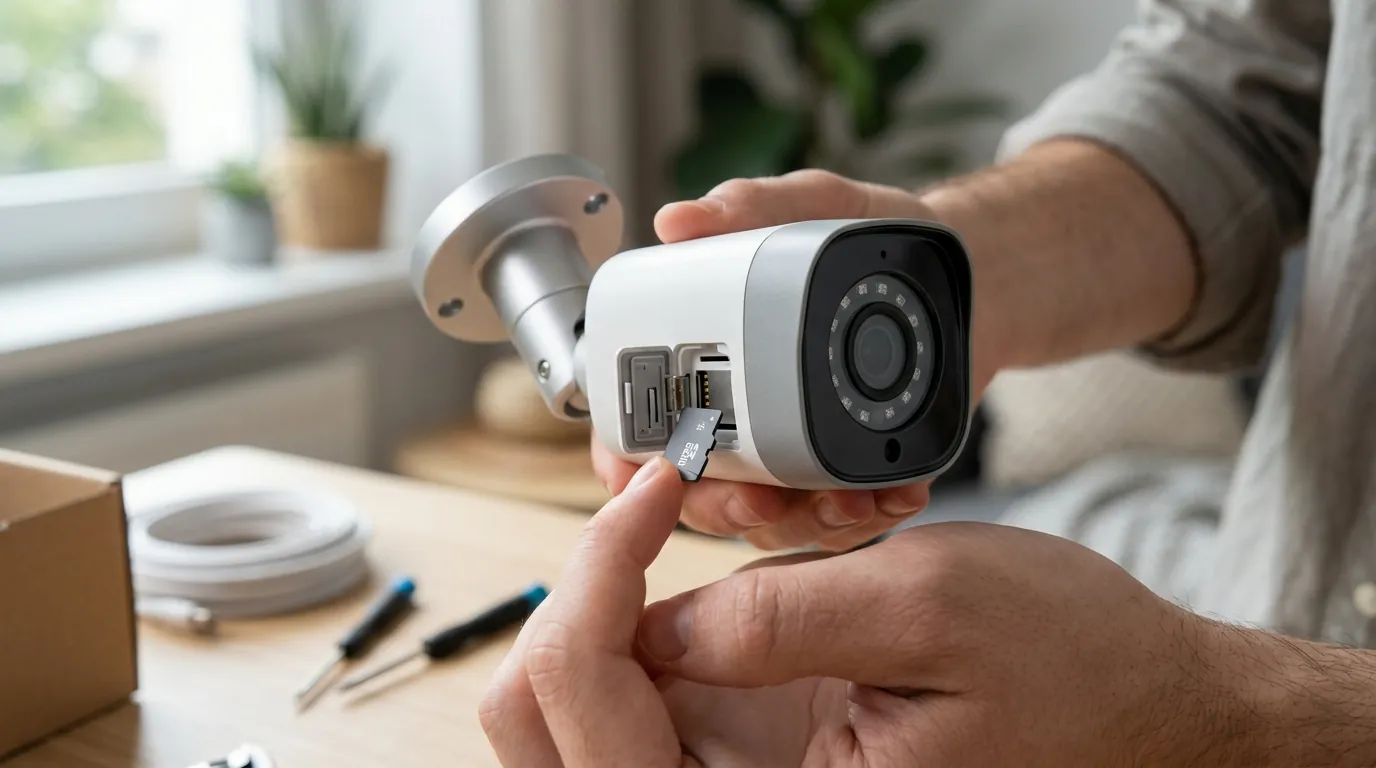
Note that write speeds are a factor here. A high-quality microSD card (V30 rating) is required for standalone cameras, but for a multi-camera home, a SATA SSD installed in a HomeBase is significantly more reliable for 24/7 recording or high-frequency event logging.
Frequently Asked Questions
Can I use Eufy cameras with a Ring alarm system?
Yes, but they will not be “integrated.” You can use the Ring app for your alarm and the Eufy app for your cameras. Matter 2.0 allows you to see both in a third-party app like Google Home, but they will never share the same proprietary features (like Ring’s “Alarm Linked Devices”) across brands.
Does Arlo still offer free cloud storage?
No. Arlo officially phased out its 7-day free cloud storage for all new models several years ago. To get any cloud recording on an Arlo Ultra 3 or Pro 5S, an Arlo Secure subscription is mandatory. Local backup is possible via a USB drive in a Smarthub, but the app experience is significantly degraded without a subscription.
Is 4K really necessary for home security?
In 2026, 4K is the standard for outdoor cameras. The primary benefit isn’t just a prettier picture; it’s the ability to use “Digital Zoom” to identify a person’s face or a vehicle’s license plate from 20-30 feet away. 1080p cameras generally pixelate too quickly to be useful for forensic evidence at those distances.
Does Ring require a subscription to see live video?
No, you can still view a live stream from your Ring camera and receive motion alerts without a subscription. However, you will not be able to record video, review past events, or use advanced AI features like “Person Detection.”
Sources
- Ring Support — Changes to Ring Protect subscription plans February 2024
- Arlo Official — Arlo Ultra 2 4K UHD Wire-Free Security Camera Specs
- Ring Blog — An Update on Neighbors
- Eufy Security — HomeBase 3 (S380) Compatibility and Features
- The Verge — Matter 1.3 and the future of home security cameras (Context for Matter 2.0 evolution)
- RTINGS — Wireless Home Security Camera Reviews