
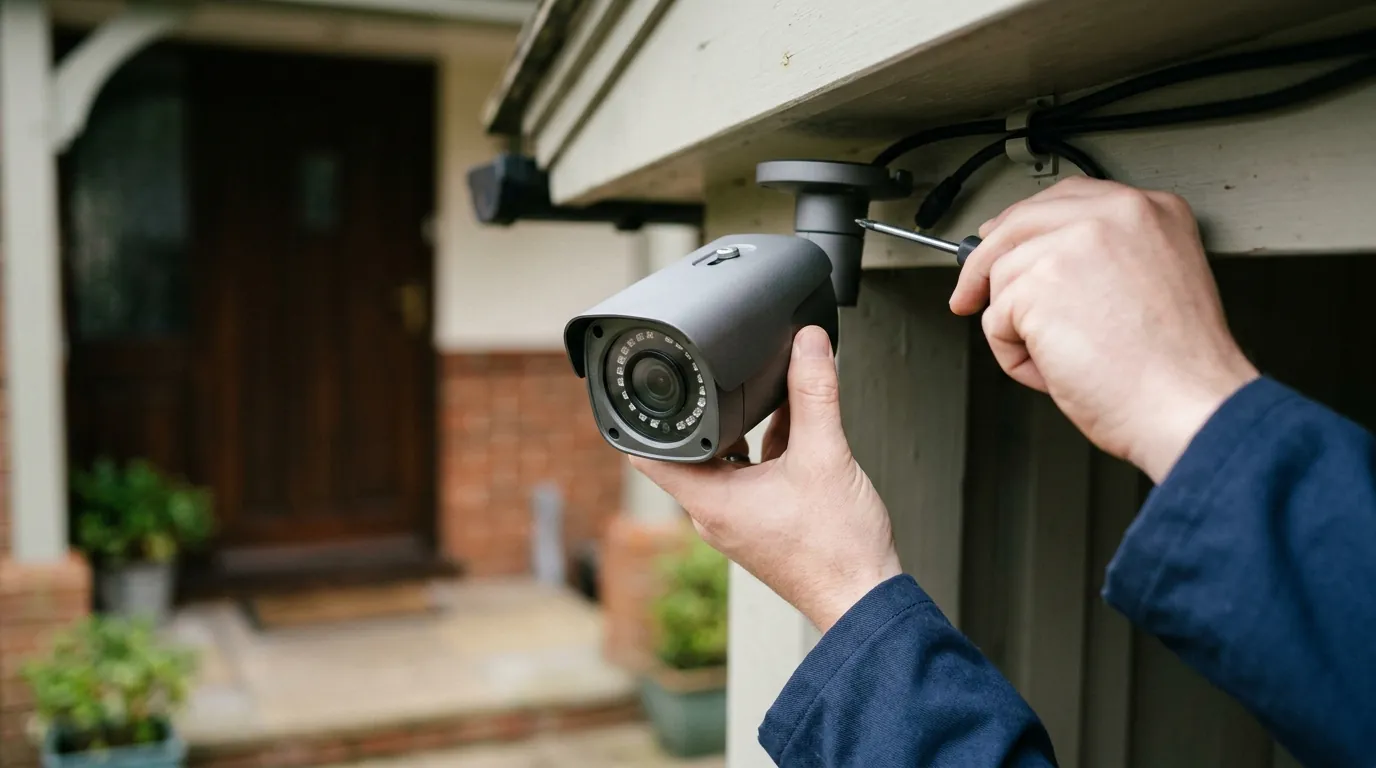
Early Prime Day 2026 Home Security Deals: Top No-Subscription Picks
Rising subscription costs and the maturation of local AI processing have turned the July 2026 Prime Day event into a pivotal moment for the home security market. As cloud-dependent brands face pushback over recurring fees, local-storage ecosystems from Eufy, Reolink, and Tapo are seeing record-level discounts.
Prime Day 2026 features major discounts on local-storage kits, including the Eufy eufyCam S330 2-Cam Kit (around $320) and Reolink Altas PT Ultra (under $160), offering a path away from rising Ring and Nest subscription fees.
What happened
Related: Best Smart Video Doorbells for Apartment Renters 2026 · Ubiquiti UniFi OS Security Vulnerabilities (June 2026): Full Guide · Eufy vs. Ring vs. Arlo: The Summer 2026 Security Camera Showdown
Amazon has triggered early Prime Day 2026 pricing across major security brands, with a distinct focus on “Local AI” and “No-Fee” ecosystems. This year’s sale marks a departure from previous years where cloud-first cameras dominated the “Best Seller” lists. Instead, hardware that prioritizes on-device processing and expandable local storage is seeing the most aggressive price cuts.
Subscription-heavy brands like Ring and Arlo are responding with steeper-than-usual discounts—some reaching 45% off MSRP—to compete with the surging popularity of local-storage brands. However, the market momentum in 2026 has shifted toward “one-and-done” hardware purchases. Eufy has slashed prices on its HomeBase 3 (S380) bundles, which now serve as the central brain for multi-camera 4K setups. Simultaneously, Reolink is offering aggressive “Lightning Deals” on its 4K solar-powered lineup, capitalizing on the demand for wire-free, continuous-recording options.
TP-Link Tapo has also entered the premium space this year. Previously known for budget indoor units, Tapo’s significant price cuts on its Wi-Fi 7 compatible outdoor models (like the C425 series) indicate a move to capture the high-end enthusiast market.
2026 Prime Day Pricing & Spec Comparison
| Model | 2026 MSRP Band | Prime Day Deal Band | Resolution | Storage Type | AI Features |
|---|---|---|---|---|---|
| Eufy eufyCam S330 (2-Kit) | $450–500 | $300–330 | 4K (Ultra HD) | Local (HomeBase 3) | BionicMind (Face/Pet/Vehicle) |
| Reolink Altas PT Ultra | $200–230 | $140–160 | 4K (8MP) | microSD / NVR | Continuous Recording (Battery) |
| Tapo C425 (Wire-Free) | $120–150 | $80–100 | 2K QHD | microSD / Hub | Person/Pet/Vehicle |
| Ring Spotlight Cam Pro | $200–230 | $130–150 | 1080p/1536p | Cloud (Subscription) | 3D Motion Detection |
The Shift Toward Local Storage in 2026
The 2026 shopping season highlights a fundamental change in consumer sentiment. According to recent community consensus on r/HomeSecurity, users are increasingly wary of “feature paywalls” where basic functions like person detection or activity zones are locked behind a monthly fee. Brands like Reolink and Eufy have capitalized on this by moving all AI computation to the camera or a local hub.
Top Early Deals by Category
- Best Multi-Camera Kit: The Eufy S330 2-Cam Kit (around $320) remains the benchmark for solar-integrated 4K security. The inclusion of the HomeBase 3 allows for up to 16TB of expandable storage via a 2.5-inch SATA drive, a feature Eufy’s official spec sheet highlights as a primary cost-saver.
- Best Standalone Battery Camera: The Reolink Altas PT Ultra (under $160) is the standout for those needing 360-degree coverage without a base station. As noted in Reolink’s product documentation, it is one of the few battery cameras capable of 4K continuous recording when paired with its high-capacity battery and solar panel.
- Best Budget Entry: The Tapo C425 (around $90) offers a magnetic mount and a massive 10,000mAh battery, making it the most accessible 2K wire-free option for renters.
Why it matters for buyers
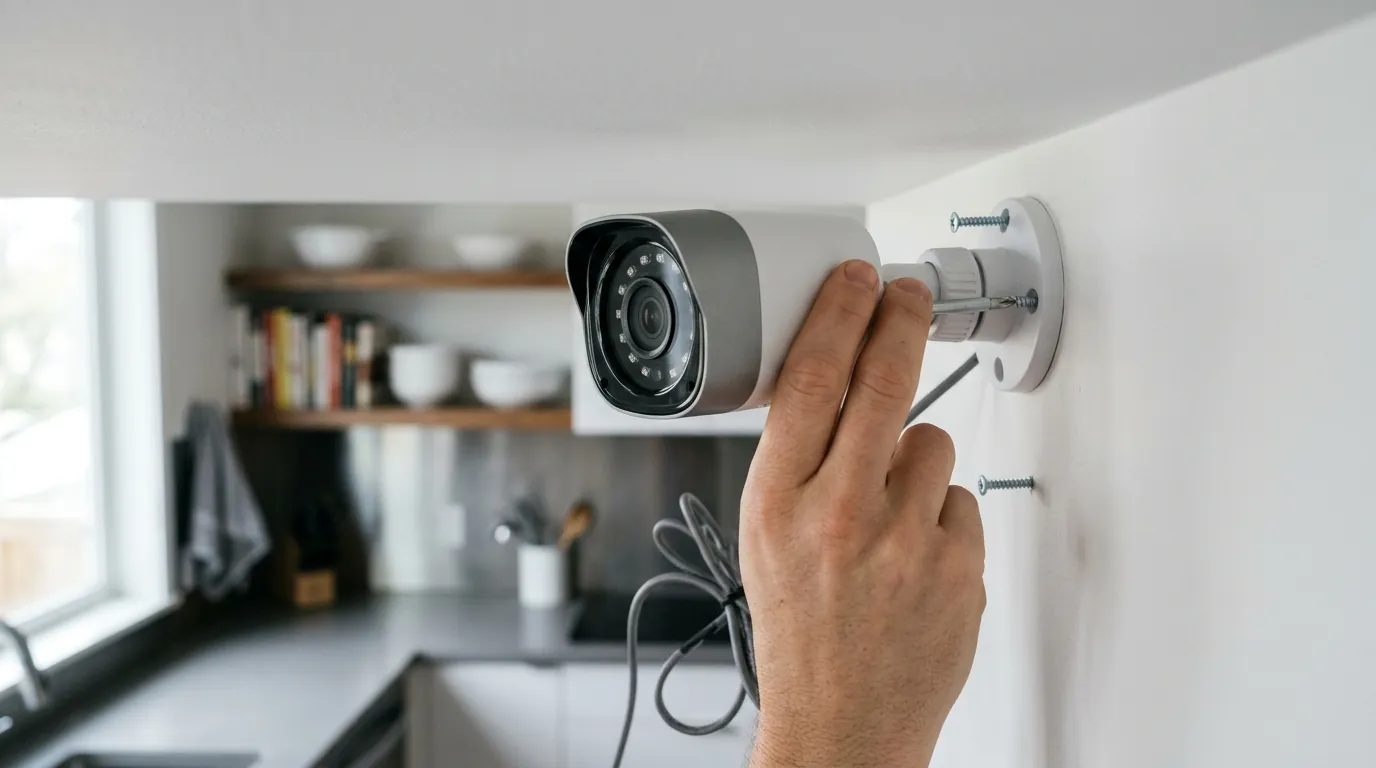
2026 has seen another round of subscription price hikes from major cloud providers. With standard plans for single cameras now often exceeding $50 per year, and multi-device plans reaching $120–$180 per year, the “Cloud Tax” has become a significant portion of the Total Cost of Ownership (TCO). This makes “one-time cost” hardware more attractive than ever, as the hardware often pays for itself within 12 to 18 months of avoided fees.
The Death of the “Cloud Tax”
The financial argument for local storage has reached a tipping point. In previous years, cloud storage was seen as a necessary evil for off-site backup. However, the 2026 generation of HomeBases and NVRs (Network Video Recorders) now support automatic encrypted backups to personal cloud drives (like Google Drive or Dropbox) or private NAS (Network Attached Storage) systems, effectively duplicating the benefits of a paid subscription for free.
5-Year Total Cost of Ownership (TCO) Comparison
Calculated for a 3-camera outdoor setup.
- Ring Protect Plus Setup:
- Hardware: $450 (3x Spotlight Cam Pro on sale)
- Subscription: $100/year x 5 years = $500
- 5-Year Total: ~$950
- Eufy HomeBase 3 Setup:
- Hardware: $480 (S330 2-Cam Kit + 1 add-on S300)
- Hard Drive (1TB): $50
- Subscription: $0
- 5-Year Total: ~$530
The $420 difference highlights why Prime Day shoppers are prioritizing hardware that doesn’t require a tether to a corporate server.
Matter 1.4 and Cross-Brand Compatibility
Matter 1.4 support is now standard in these 2026 deals. This is a critical technical milestone for the industry. Previously, if you bought a Eufy camera, you were locked into the Eufy app for most functions. With Matter 1.4, as detailed in the Connectivity Standards Alliance (CSA) specifications, video streaming and motion events can be unified across Apple Home, Google Home, and Amazon Alexa with significantly reduced latency. This ensures that local-storage cameras from different brands can finally talk to each other in a unified smart home.
Advancements in On-Device NPU
The 2026 camera models feature significantly more powerful NPUs (Neural Processing Units). While 2023-era cameras often struggled to differentiate between a swaying branch and a person in low light, the current generation of BionicMind AI from Eufy and Reolink’s updated person/vehicle algorithms perform these checks locally in milliseconds. This eliminates the “notification lag” common in cloud-based systems where video must be uploaded to a server for analysis before an alert is sent to your phone.
Impact on existing owners
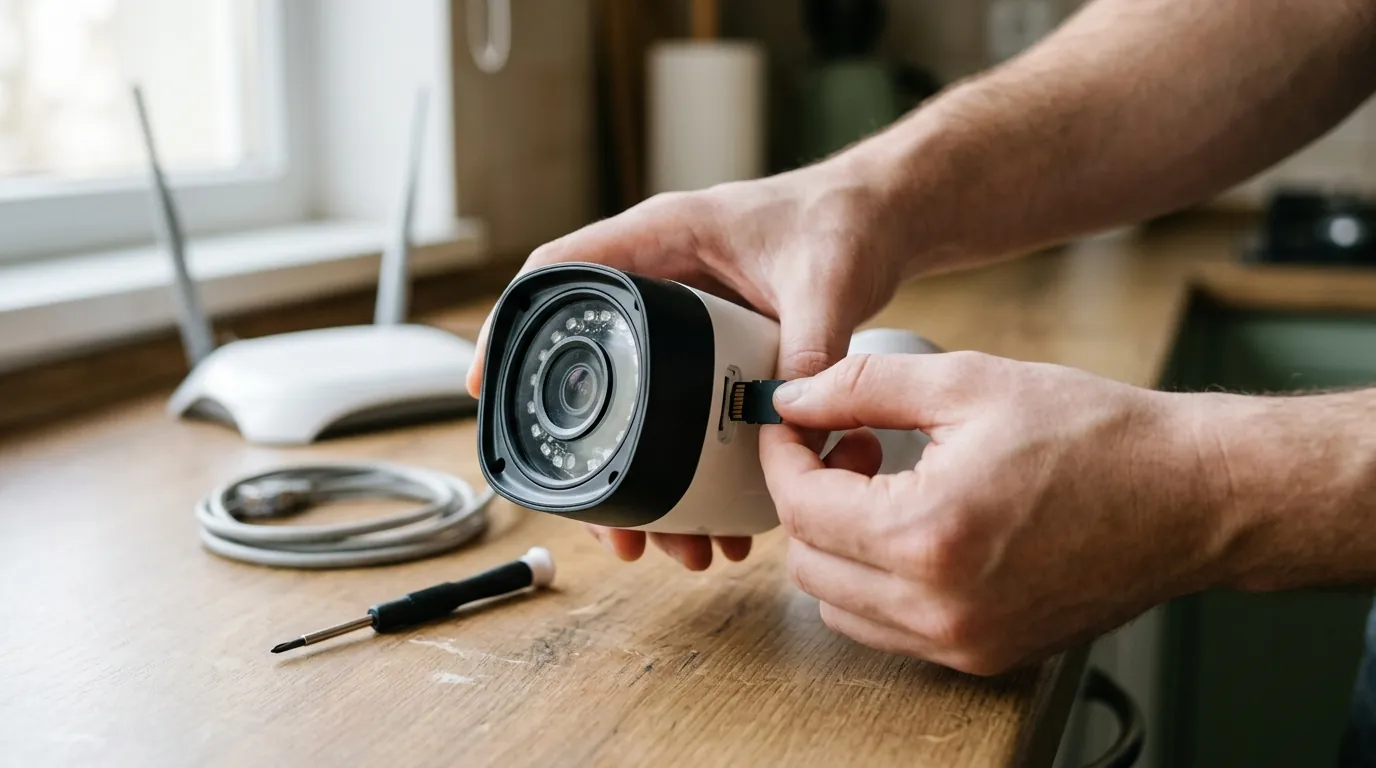
For those already owning security hardware, the 2026 Prime Day deals present a complex upgrade path. Owners of older 1080p and 2K systems may find that 2026 4K/120fps models require upgraded NVRs or HomeBases to support high-bitrate local recording.
Is Your Current NVR Ready for 4K/120fps?
The jump to 4K resolution at higher frame rates (30fps to 120fps for high-speed motion) has increased the data throughput requirements. If you are using a 2022-era NVR or a HomeBase 2, you may experience “stuttering” or dropped frames if you try to add 2026-gen 4K cameras.
Compatibility Matrix: 2026 Cameras vs. Legacy Hubs
| Camera Model | Works with HomeBase 2? | Works with HomeBase 3? | Works with Reolink RLN8-410? |
|---|---|---|---|
| Eufy S330 (4K) | No (Limited to 2K) | Yes (Full 4K + AI) | N/A |
| Reolink Altas PT Ultra | N/A | N/A | Yes (Firmware v3.4+) |
| Tapo C425 | N/A | N/A | No (Requires Tapo H200) |
The Trade-in Value of Legacy Cloud Cameras
Existing Ring and Nest users are facing “ecosystem lock-in” dilemmas. However, the 2026 Prime Day deals make switching to a local-storage NVR system financially viable for the first time. Many users are opting to “retire” their cloud cameras to secondary locations (like a garage or shed) while installing high-performance local-storage units at primary entry points.
Furthermore, battery health on 2024-era cameras may be reaching a tipping point. Lithium-ion batteries typically see significant degradation after 500–800 charge cycles. If your current wire-free cameras are requiring monthly charging (down from every six months), the 2026 solar-integrated deals provide a timely, more sustainable replacement option.
What to do now
If you are currently paying more than $10/month for a security subscription, a Prime Day hardware switch pays for itself in under 18 months. Before hitting “Buy,” shoppers should audit their current monthly security spend and evaluate their Wi-Fi infrastructure.
The Best Upgrade Path: Reolink Altas PT Ultra
For most buyers in 2026, the standout upgrade is the Reolink Altas PT Ultra. It solves the two biggest complaints regarding battery cameras: it allows for continuous recording (not just motion clips) and it offers 4K pan-tilt functionality without a base station. According to independent testing by RTINGS, the Altas PT Ultra’s ability to maintain a 4K stream over Wi-Fi 6 is significantly more stable than previous generations. It is currently positioned in the “under $160” price band for Prime Day, making it a high-value acquisition.
Essential Accessories to Grab During the Sale
Prime Day is also the best time to stock up on the storage media required for these high-resolution cameras.
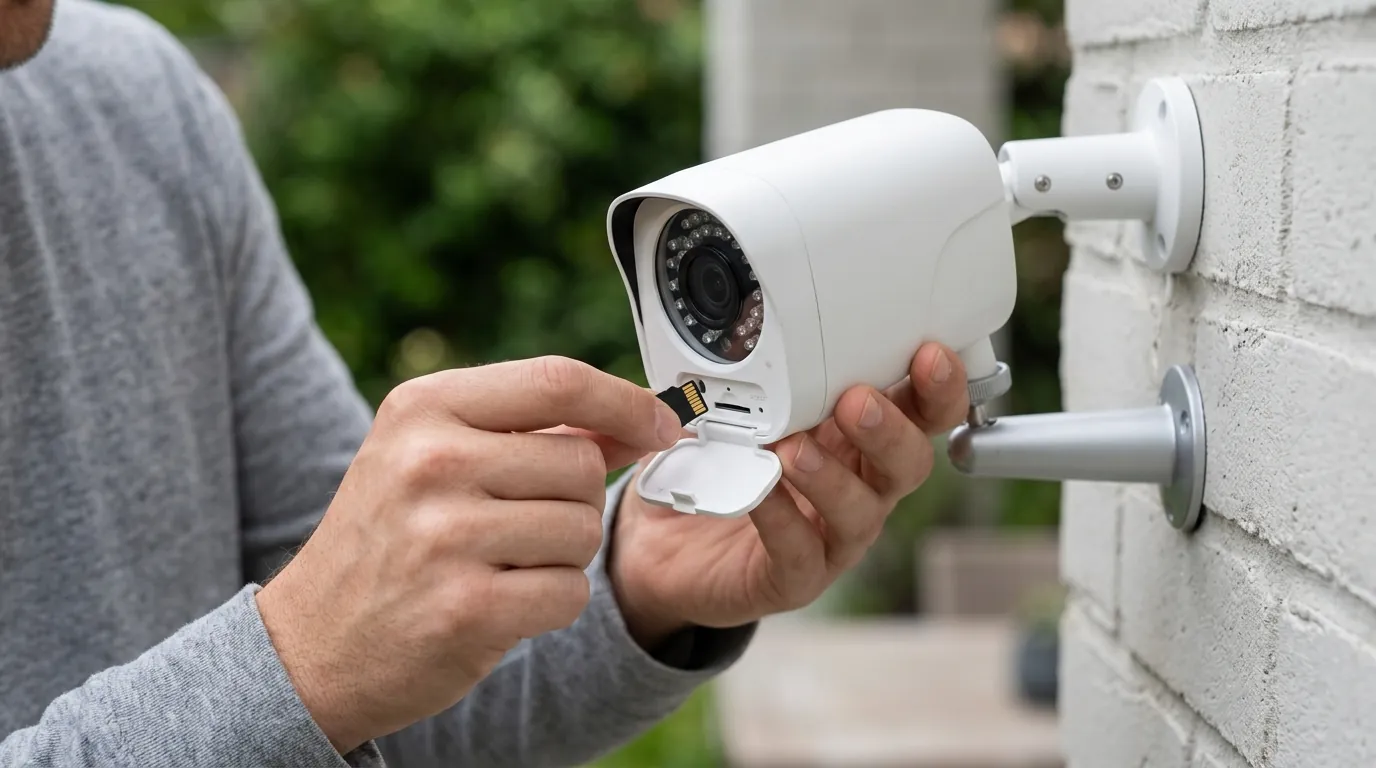
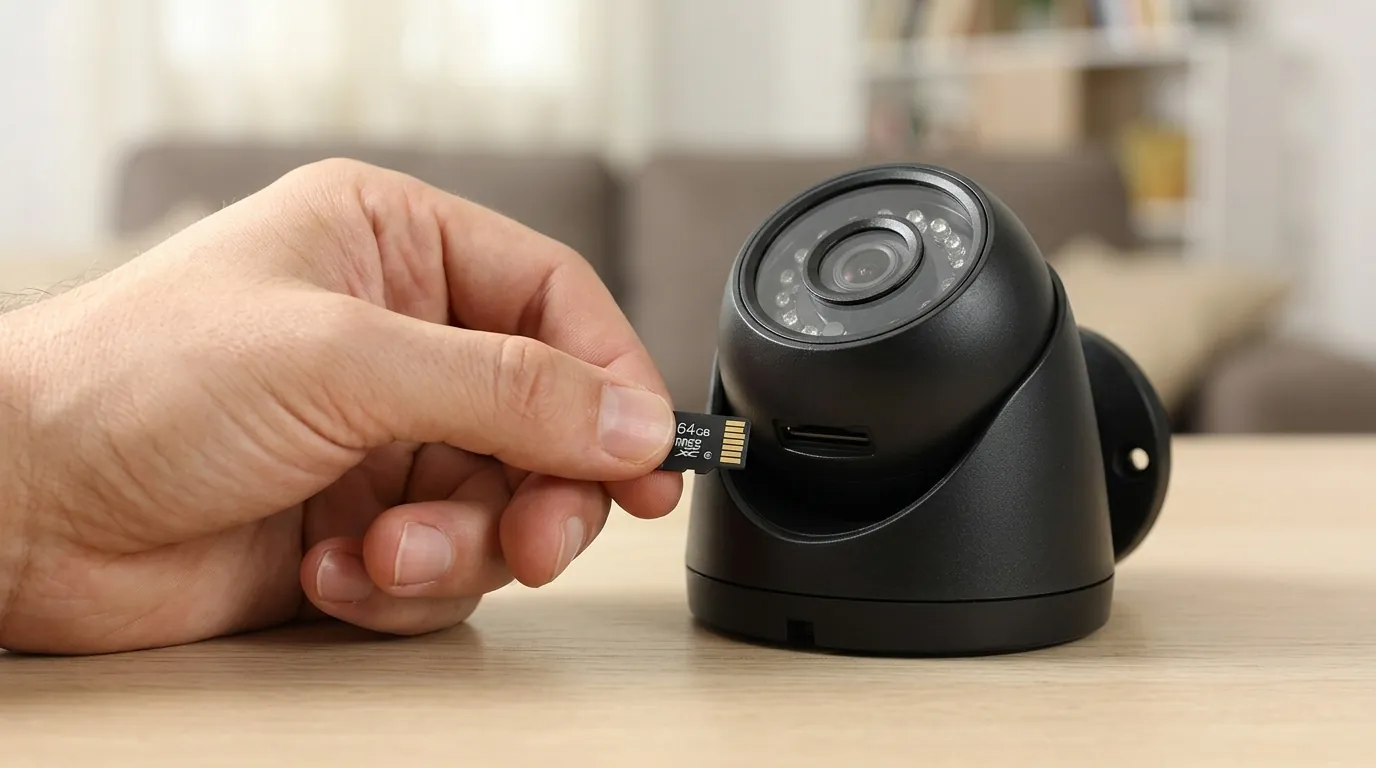
- High-Endurance microSD Cards: Look for “V30” or “U3” rated cards specifically labeled “High Endurance” (e.g., SanDisk High Endurance or Samsung PRO Endurance). 4K recording will wear out standard “Extreme” cards quickly.
- Solar Panels: Even if your camera has a built-in panel, a secondary 10W or 15W external panel (often under $30 during the sale) ensures the battery stays at 100% even during winter months or in shaded areas.
Decision Framework: Which Camera Should You Buy?
- If you are a Renter: Prioritize the Tapo C425 or Reolink Argus Series. These use magnetic or screw-in mounts that require minimal drilling and don’t require a bulky base station.
- If you are a Homeowner with 3+ cameras: Prioritize the Eufy eufyCam S330 Kit. The HomeBase 3 provides a centralized storage point and the best facial recognition AI for managing multiple family members.
- If you need 24/7 Recording (No Wires): The Reolink Altas PT Ultra is your only viable option. Most other battery cameras will overheat or drain their battery within hours if set to continuous recording.
- If you have a Wi-Fi 7 Router: Look for the latest Tapo 2026 outdoor models. These utilize the 6GHz band to avoid interference, which is crucial if you live in a dense urban environment with dozens of competing Wi-Fi signals.
Checklist: 5 Things to Verify Before Buying
- Wi-Fi Standard: Does the camera support Wi-Fi 6 or 7? (Crucial for 4K streaming).
- Local Storage Limit: What is the maximum microSD card size? (Prefer 512GB or 1TB for 4K).
- Matter Compatibility: Is it “Matter over Wi-Fi” certified for future-proofing?
- Field of View (FOV): Is it at least 130 degrees? (Wider is better for front porches).
- Power Source: If it’s solar, is the panel integrated or separate? (Separate panels are easier to position for sun).
As the 2026 market matures, the distinction between “smart cameras” and “subscription services” has never been clearer. By opting for hardware that keeps data local, users regain control over both their privacy and their long-term costs. Quvii tracks these trade-offs across the category to help shoppers navigate the increasingly complex intersection of local AI and smart home connectivity.
Frequently Asked Questions
Do I really need a subscription for person detection in 2026?
No. Most major brands like Eufy, Reolink, and Tapo now perform person, pet, and vehicle detection directly on the camera’s hardware or a local hub. This “Local AI” is often faster than cloud-based detection because the video does not need to be uploaded to a server before the analysis occurs.
Can I use a regular microSD card for 4K recording?
While a regular card will work initially, it is not recommended. 4K video generates a high volume of data writes, which can cause standard cards to fail within months. You should look for “High Endurance” cards (rated V30 or higher) which are specifically designed for the constant overwrite cycles of security cameras.
Does Matter 1.4 mean I can see my Eufy cameras in the Ring app?
No. Matter 1.4 allows cameras to be viewed in “Controller” apps like Apple Home, Google Home, and Amazon Alexa. It does not necessarily allow one brand’s proprietary app to view another brand’s camera. However, it means you can create a single dashboard for all your cameras regardless of the manufacturer.
Is 4K resolution actually better than 2K for home security?
Yes, but primarily for “digital zoom.” While a 2K image looks sharp on a phone screen, a 4K image allows you to zoom in on a license plate or a face at a distance with much greater clarity. If your camera is covering a large driveway or yard, 4K is highly recommended.
Sources
- Eufy S330 Technical Specifications
- Reolink Altas PT Ultra Product Page — https://reolink.com/product/altas-pt-ultra/
- Connectivity Standards Alliance Matter 1.4 Release — https://csa-iot.org/all-solutions/matter/
- RTINGS Security Camera Reviews and Testing — https://www.rtings.com/camera
- TP-Link Tapo C425 Spec Sheet — https://www.tp-link.com/us/home-networking/cloud-camera/tapo-c425/