
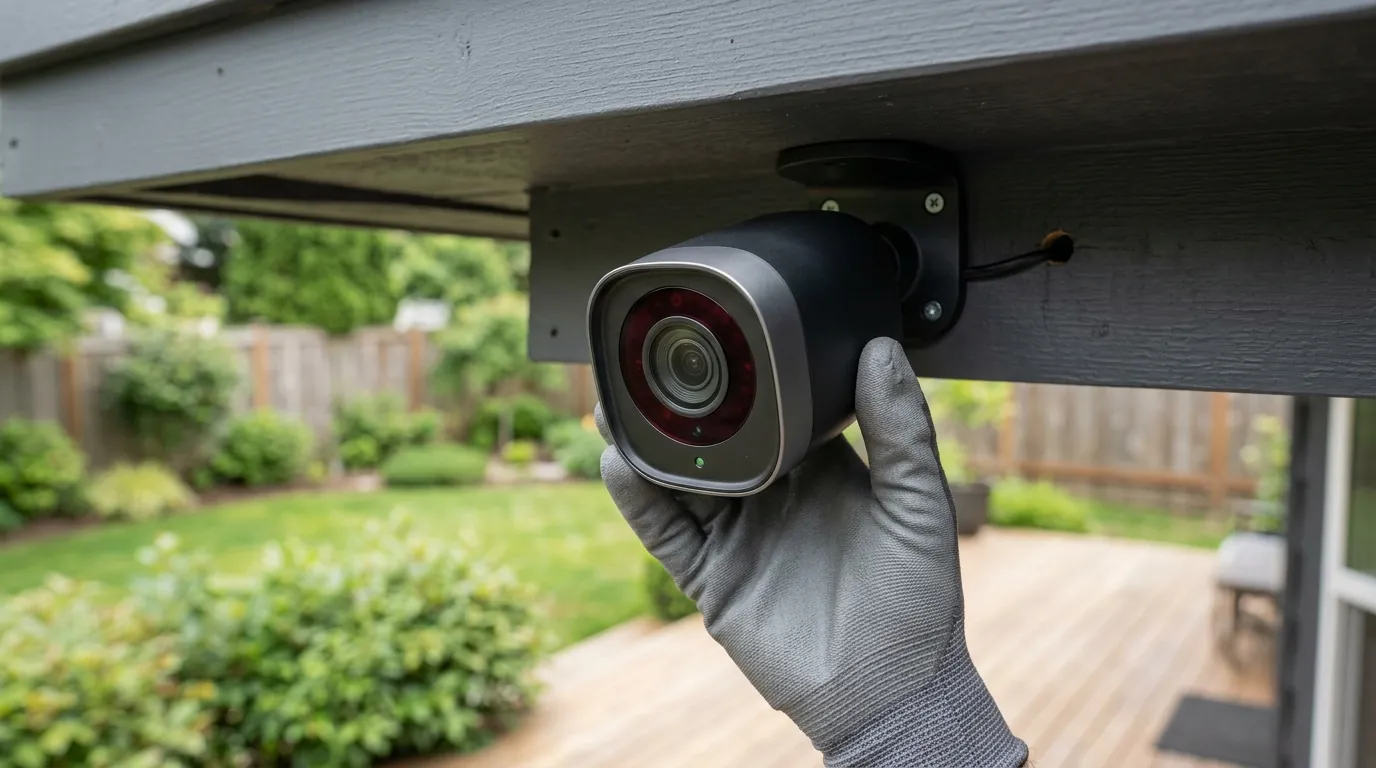
Blink vs Wyze Outdoor Camera 2026: The Battle for Your Backyard
Blink and Wyze have long defined the “budget” tier of the home security market, but as of mid-2026, the gap between “budget” and “premium” has narrowed significantly. With both brands now offering 2K and 4K resolutions, the choice between them is no longer about raw pixels, but about how you want to manage power, storage, and your long-term subscription budget.
In 2026, Wyze wins on raw technical specs (2.5K to 4K resolution, local AI processing) and flexibility, while Blink remains the industry leader for battery longevity (up to 2 years) and seamless integration for Amazon Alexa-heavy households.
What happened
The landscape of budget security cameras shifted dramatically between late 2025 and early 2026. For years, Blink was criticized for sticking to 1080p resolution while competitors moved ahead. That changed with the release of the Blink Outdoor 2K+ in February 2026, which finally brought 2560 x 1440 resolution to their battery-powered line (Tech Guide).
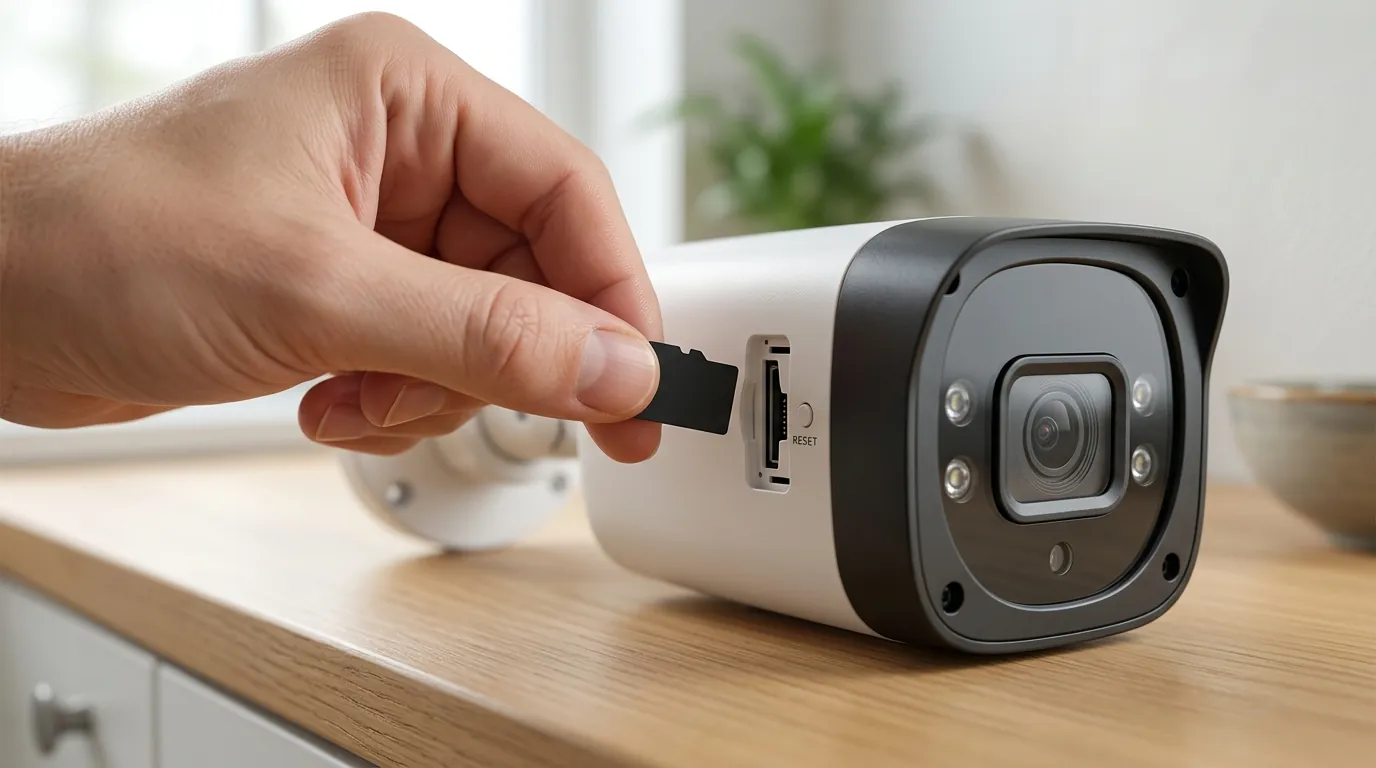
Simultaneously, Blink introduced the Sync Module XR, a new hub that supports microSD local storage and extends the wireless range of Outdoor 4 and 2K+ cameras up to 400 feet in “XR+” mode (Blink Support).
Wyze, meanwhile, broke the 4K barrier for budget cameras with the Wyze Cam Pan v4 in August 2025 (Business Wire). While the Wyze Battery Cam Pro remains their flagship outdoor wireless option at 2.5K resolution, the brand has doubled down on “Starlight” sensor technology, providing vivid color night vision in near-total darkness.
D1: 2026 Spec Comparison Table
| Feature | Blink Outdoor 2K+ | Wyze Battery Cam Pro |
|---|---|---|
| Max Resolution | 2K (2560 x 1440) | 2.5K (2560 x 1440) |
| Power Source | 2 AA Lithium (Non-rechargeable) | Removable Rechargeable Pack |
| Battery Life | Up to 2 Years | 4–6 Months |
| Local Storage | MicroSD (via Sync Module XR) | MicroSD (On-camera) |
| Night Vision | IR (B&W) + Color (with light) | Starlight Color Night Vision |
| Field of View | 135° Diagonal | 116° Diagonal |
| Wi-Fi | 2.4 GHz | Dual-Band (2.4 / 5 GHz) |
| Price Band | $90–$120 (with Module) | $85–$100 |
The Rise of 2K and 4K in the Budget Sector
The transition to 2K as the standard for both brands has improved digital zoom capabilities significantly. Blink’s 2K+ hardware now supports 4x digital zoom with enough clarity to identify license plates at moderate distances, a task that was nearly impossible on the older 1080p models (EFTM). Wyze has pushed this even further with the Pan v4, utilizing a 4K sensor that allows for “Smart Zoom” where the camera digitally crops and tracks a moving subject without losing high-definition detail.
The 2026 Subscription Landscape
Both brands implemented price hikes in the last year. Blink Basic now costs around $4/month ($40/year) per device, while the Plus plan for unlimited devices rose to around $12/month ($120/year) (ZDNET). Wyze also adjusted its annual Cam Plus pricing to around $30/year, though it maintains a lower monthly entry point of approximately $3/month per camera (Wyze Support).
Why it matters for buyers
The primary divider between these two brands in 2026 is no longer just price; it is how you intend to interact with the hardware over the next three years.
Battery Longevity vs. Video Resolution
Blink’s engineering focus remains on “set it and forget it” utility. By using proprietary low-power silicon and non-rechargeable AA lithium batteries, the Outdoor 2K+ can realistically last 18 to 24 months in low-traffic areas (PCMag Australia). Wyze, by contrast, uses a much larger rechargeable lithium-ion pack. While it offers higher bitrates and more frequent “Starlight” color processing, it requires a recharge every 4 to 6 months. For cameras mounted on high eaves or remote fence posts, the Blink battery advantage is a deciding factor.
The Hidden Costs of “Free” Local Storage
While both brands advertise “no subscription” options via local storage, the 2026 hardware has different friction points:
- Blink: To record locally, you must own a Sync Module XR (around $50 if bought separately). Clips are saved to a microSD card in the module, not the camera. While this protects your data if the camera is stolen, the Blink app experience for local clips remains slower than the cloud experience, with no “thumbnail” previews for local clips unless you have a subscription (Blink Support).
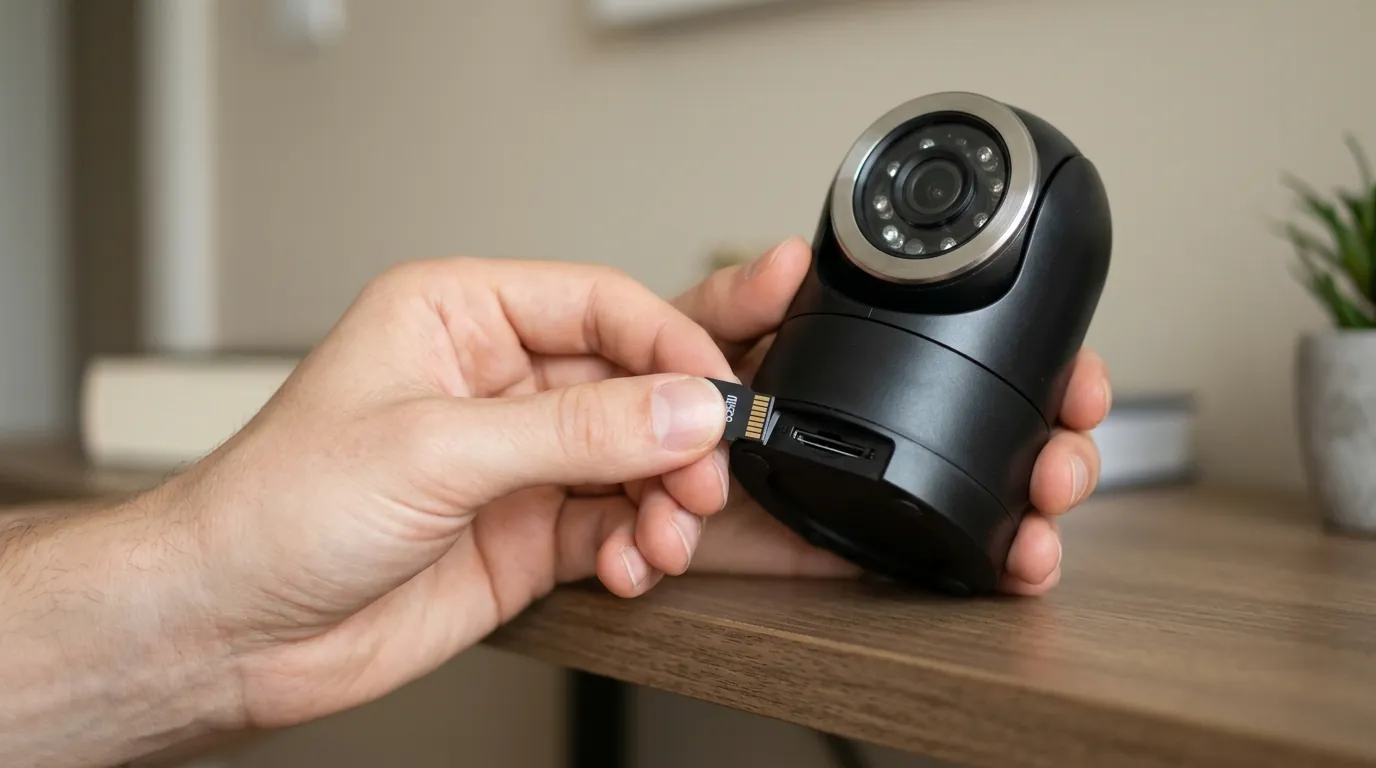
- Wyze: The Battery Cam Pro has a built-in microSD slot. This allows for faster access to clips and, in some models, continuous 24/7 recording (though this drains the battery in days). However, if a thief takes the camera, they take the footage with it.
D3: Total Cost of Ownership (TCO) Analysis (3 Years)
When factoring in hardware, mandatory accessories for local storage, and the current 2026 subscription rates, the cost profiles look like this:
| Scenario | Blink (1 Camera) | Wyze (1 Camera) |
|---|---|---|
| Hardware + Hub/SD | ~$110 (Camera + Module) | ~$105 (Camera + SD Card) |
| Subscription (3 yrs) | ~$120 (Basic Plan) | ~$90 (Cam Plus) |
| Total (Subscribed) | ~$230 | ~$195 |
| Total (Local Only) | ~$110 | ~$105 |
Note: Blink requires recurring costs for AA Lithium batteries (approx. $15–20 every 2 years), whereas Wyze batteries are rechargeable.
Impact on existing owners
If you already own a Blink or Wyze system, the 2026 updates offer some backward compatibility, but also some “feature paywalls” that didn’t exist two years ago.
Backward Compatibility of Sync Modules
Owners of the older Blink Outdoor 3 and 4 can upgrade to the Sync Module XR to gain the extended range and microSD support without replacing their existing cameras. However, the “Person Detection” and “Vehicle Detection” features on Blink are now hardware-dependent; while the 2026 Outdoor 2K+ supports these natively via edge processing, older XT2 models still rely on cloud-based AI, which is now strictly locked behind a Blink Subscription (Blink Support).
Firmware Fatigue: When to Upgrade
Wyze has moved many of its most popular features, such as “Friendly Face” recognition and “Package Detection,” into its AI-on-the-edge firmware. While older Wyze Cam v3 units received a 2026 firmware update to improve detection speed, the hardware’s limited RAM means these cameras often struggle with the latest detection algorithms, leading to higher latency (SafeWise). If your current Wyze cameras are taking more than 5 seconds to send a notification, the 2026 Battery Cam Pro’s upgraded processor offers a significant performance jump.
What to do now
Choosing between these systems depends on your tolerance for maintenance and your existing smart home ecosystem.
D2: Decision Framework
- If you are a Renter: Prioritize Wyze. The Battery Cam Pro’s ability to work without a hub and its flexible mounting options make it easier to move. The 2.5K resolution is better for identifying people in high-density apartment environments.
- If you have a Large Property: Prioritize Blink. The Sync Module XR’s 400-foot range is specifically designed for detached garages or long driveways where standard Wi-Fi fails.
- If you use Amazon Echo/Alexa: Prioritize Blink. As an Amazon-owned brand, Blink’s “Live View” latency on Echo Show devices is significantly lower than Wyze’s.
- If you want 24/7 Recording: Prioritize Wyze. Blink cameras are strictly “event-based” and cannot record continuously, even with a power cable. Wyze cameras with a microSD card can be set to record non-stop if plugged into power.
The Best Use Cases for Blink
Blink is the best choice for secondary security—areas you want to monitor but don’t want to check every day. It excels at monitoring a backyard shed, a vacation home, or a side gate. Because it uses non-rechargeable batteries, it is ideal for cold climates where rechargeable lithium-ion batteries often fail to hold a charge during winter months (PCWorld).
The Best Use Cases for Wyze
Wyze is the best choice for active monitoring. If you want to see who is at the door in high definition, distinguish between a neighbor and a stranger using AI, or see vivid color at 2:00 AM without turning on a floodlight, Wyze’s Starlight sensor and 2.5K/4K resolutions are superior. It is the better “hobbyist” camera, offering more settings for frame rates, bitrates, and integration with Google Home and IFTTT (SafeHome.org).
Quvii tracks these trade-offs across the category to help buyers navigate the increasingly complex world of home surveillance.
Sources
- Blink Support — Sync Module XR FAQ
- Wyze Support — Cam Plus Annual Price Update 2026
- Tech Guide — Blink Outdoor 2K+ Release Specs
- Business Wire — Wyze Launches First 4K Camera (Pan v4)
- ZDNET — Blink Subscription Price Increase Details
- PCWorld — Blink Sync Module XR Review
- SafeWise — Wyze vs Blink Comparison 2026
- PCMag Australia — Blink Outdoor 2K+ Hands-on Analysis
- SafeHome.org — Wyze Pricing and Subscription Guide 2026