
Blink Camera Battery Drain in Summer Heat 2026: What Buyers Need to Know
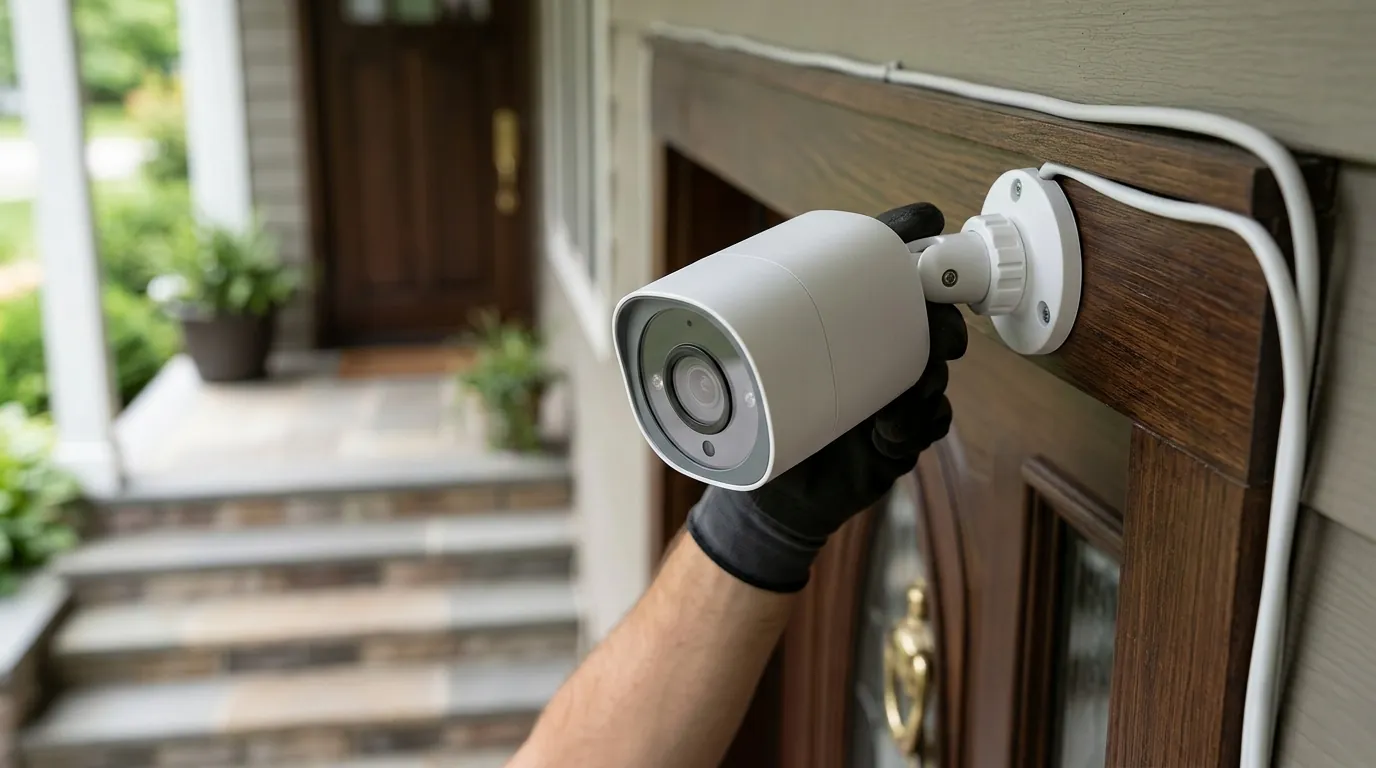
Summer heat poses a significant challenge for many outdoor security cameras, and in 2026, Blink camera owners are once again reporting accelerated battery drain as temperatures rise. This phenomenon, particularly affecting models like the Blink Outdoor 4, highlights a critical consideration for both new buyers and existing users: real-world battery performance can diverge sharply from advertised figures under specific environmental conditions.
Quick Answer: Blink Outdoor cameras, including the Blink Outdoor 4, can experience accelerated battery drain in summer heat, especially when temperatures exceed their operating range of 113°F (45°C) or with direct sunlight exposure. This is exacerbated by frequent motion detection, extensive live view, and weak Wi-Fi signals, leading to significantly shorter battery life than the advertised “up to two years”.
What happened
Related: How to Keep Security Cameras Cool: 2026 Summer Heatwave Guide · AI Surveillance Privacy Risks: What Homeowners Must Know in 2026 · Ring Camera Overheating: 2026 Heatwave Failures & Fixes
In the summer of 2026, reports from users in warmer climates indicate that Blink Outdoor cameras, notably the Blink Outdoor 4, are experiencing accelerated battery drain. These devices are designed with an official operating temperature range of typically -4°F to 113°F (-20°C to 45°C). However, direct and prolonged exposure to intense sunlight can cause the camera’s internal temperature to exceed these specified limits, contributing to a faster rate of battery depletion.
User communities, including discussions on Reddit and Amazon forums, show owners reporting that even the recommended 1.5V non-rechargeable lithium AA batteries are lasting only weeks or a few months, rather than the “up to two years” advertised under default settings. Beyond environmental factors, frequent motion detection events, prolonged Live View sessions, and weak Wi-Fi signal strength are identified as significant contributors. These activities require the camera’s processor and radio to work harder, increasing power consumption, which is further amplified in hot conditions.
| Feature | Blink Outdoor 4 |
|---|---|
| Operating Temperature | -4°F to 113°F (-20°C to 45°C) |
| Battery Type | 2x 1.5V AA Lithium Metal (non-rechargeable) |
| Advertised Battery Life | Up to two years |
| Video Resolution | 1080p HD |
| Field of View | 143° diagonal |
| Night Vision | Infrared (IR) |
| Two-Way Audio | Yes |
| Local Storage | Via Sync Module 2 (USB drive, sold separately) |
| Cloud Storage | Blink Subscription Plan (optional) |
Why it matters for buyers
For prospective buyers, especially those residing in areas prone to high summer temperatures, understanding this real-world battery performance discrepancy is crucial. The advertised “up to two years” battery life is an optimal scenario that may not reflect conditions in hot climates or with high usage.
The necessity for more frequent battery replacements translates directly into increased ongoing costs. Blink specifically recommends 1.5V non-rechargeable lithium AA batteries (such as Energizer Ultimate Lithium) for optimal performance and longevity, particularly in varying temperatures. These batteries are generally more expensive than standard alkaline alternatives.
| Battery Type | Approximate Price Band (per 2-pack) |
|---|---|
| Energizer Ultimate Lithium AA | Around $5-$8 |
| Standard Alkaline AA | Under $3 |
Unreliable battery life can create significant security vulnerabilities. A camera that powers down unexpectedly due to depleted batteries leaves monitored areas unprotected, defeating the purpose of a security system. Furthermore, operating a camera consistently outside its recommended temperature range can not only degrade its performance but also potentially reduce the device’s overall longevity and could impact warranty coverage.
Additionally, some advanced features, such as Person Detection on the Blink Outdoor 4, require a Blink Subscription Plan. These plans start at around $3 per month for a Basic plan covering one camera or around $10 per month for a Plus plan covering unlimited cameras at a single location. This adds to the total cost of ownership beyond just battery expenses, making a full understanding of recurring costs essential for buyers.
Impact on existing owners
Existing Blink camera owners, particularly those in hot climates, are often the first to experience the practical implications of heat-related battery drain. This can lead to unexpected and recurring expenses for purchasing replacement lithium batteries. The constant need to monitor battery levels and physically replace batteries, especially for cameras mounted in difficult-to-reach locations, can become a significant source of frustration and inconvenience.
The most critical impact is on the reliability of the security system. Reduced battery life directly increases the risk of missed recordings of important events, leaving gaps in security coverage during periods of high heat and rapid battery drain. The Blink app provides a battery status indicator (typically under Device Settings > General Settings) which shows the battery level, often with alerts like “Needs Replacement” or “High Usage”. However, in extreme heat, this depletion can happen much faster than anticipated, leaving little time for proactive replacement.
While Blink offers a 1-year limited warranty covering hardware defects under “ordinary consumer use,” it typically excludes issues arising from “accident, misuse, neglect, fire or other external causes”. Battery issues directly linked to operating in extreme heat or direct sunlight might be interpreted by the manufacturer as “environmental factors” or “external causes,” potentially limiting warranty claims for premature battery depletion due not to a defect but to environmental stress. Older Blink camera models may also be more susceptible to heat-related battery drain as their internal components age and potentially become less efficient at managing power in adverse conditions.
| Usage Scenario | Typical Advertised Battery Life | Reported Battery Life in Extreme Heat (User Reports) |
|---|---|---|
| Default settings, moderate activity | Up to two years | — |
| High motion, Live View, optimal temp | 6-12 months (estimated) | — |
| High motion, Live View, extreme heat | Weeks to a few months | Weeks to a few months |
What to do now
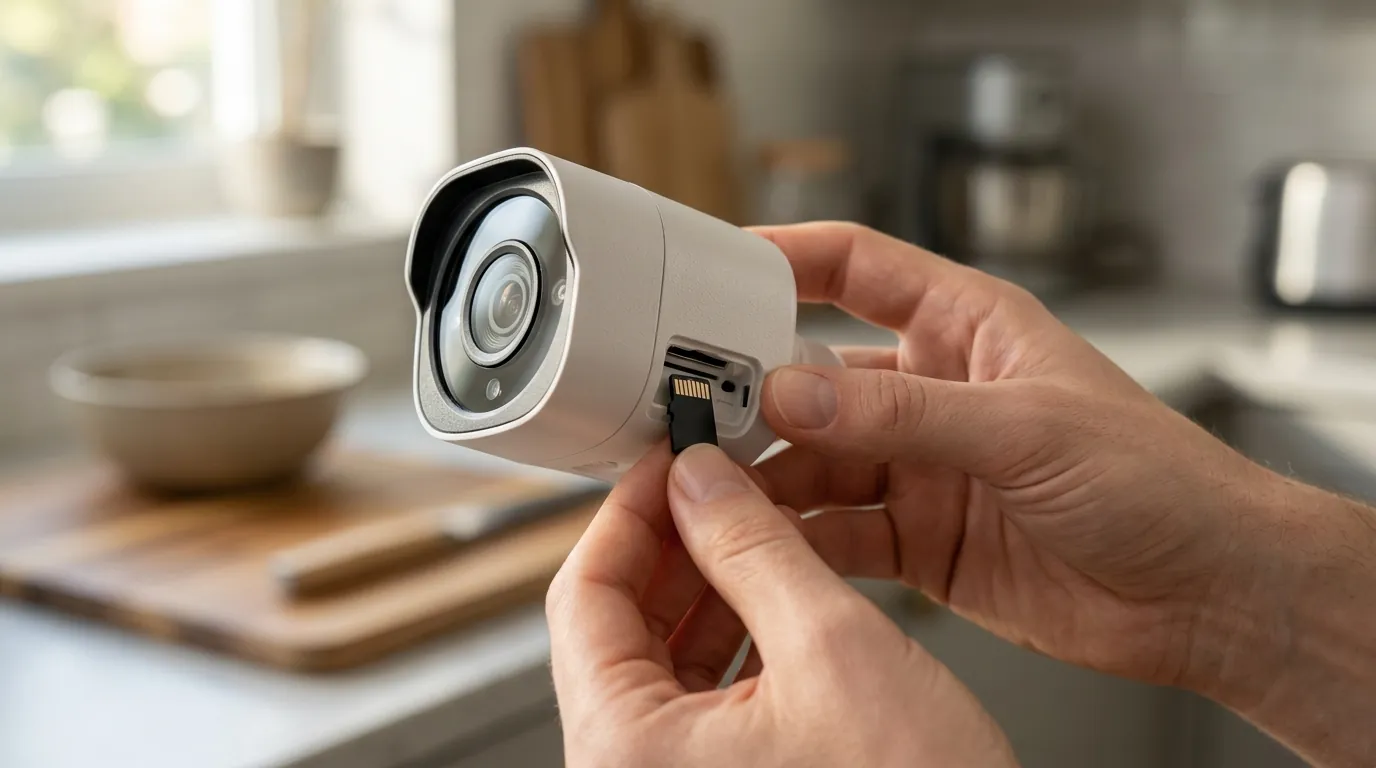
Mitigating battery drain in Blink cameras, especially during summer heat, involves a combination of optimized settings, strategic placement, and appropriate power management.
Optimizing Camera Settings for Battery Life
- Adjust Motion Sensitivity: Within the Blink app, navigate to Device Settings > Motion Settings. Reduce the motion sensitivity to prevent the camera from recording minor events like swaying branches or distant traffic, which are common triggers for unnecessary recordings.
- Shorten Clip Length: Decrease the recording clip length (also in Motion Settings) to the shortest necessary duration. Shorter clips consume less power per event.
- Utilize Activity Zones: Define specific “Activity Zones” to focus motion detection on critical areas and ignore irrelevant zones where motion is frequent but not important for security (e.g., public sidewalks).
- Reduce Live View Usage: Limit prolonged Live View sessions. Streaming live video is one of the most power-intensive activities for a wireless camera.
- Check for Firmware Updates: Regularly ensure your Blink camera’s firmware is up to date via the Blink app. Firmware updates often include bug fixes and performance optimizations that can improve battery efficiency.
Choosing the Right Batteries and Power Options
- Use Recommended Batteries: Always use 1.5V non-rechargeable lithium AA batteries (such as Energizer Ultimate Lithium), as recommended by Blink. These batteries offer superior performance and longevity, especially in a wider range of temperatures, compared to alkaline or some rechargeable NiMH batteries which may not provide consistent voltage or perform well in heat.
- Consider Alternative Power Sources: For cameras in high-traffic areas or locations exposed to extreme heat and direct sunlight, explore external power options.
- Blink Weather Resistant Power Adapter: Available for models like the Blink Mini 2, this adapter provides continuous power, eliminating reliance on internal batteries.
- Compatible Solar Panel Mounts: For Blink Outdoor models, third-party solar panel mounts are available that can trickle-charge the camera, significantly extending battery life or providing continuous power. Ensure compatibility and look for reputable brands.
Proactive Maintenance and Support
- Strategic Placement: Position outdoor cameras in shaded locations to protect them from direct sunlight exposure, which can dramatically raise internal temperatures beyond the operating limit. If shade is unavailable, consider protective housings or camera covers designed to deflect sunlight and heat.
- Monitor Battery Status: Proactively check battery levels in the Blink app (under Device Settings > General Settings). Replace batteries when the ‘Needs Replacement’ or ‘High Usage’ alert appears to avoid unexpected downtime.
- Contact Blink Support: If persistent battery drain issues occur despite troubleshooting and optimization efforts, especially within the 1-year limited warranty period, contact Blink customer support for further assistance. Be prepared to provide details about your camera model, environmental conditions, and the troubleshooting steps you’ve already taken.
Decision Framework: Choosing a Camera for Hot Climates
- If you’re a homeowner in a consistently hot climate (e.g., Arizona, Texas) and prioritize minimal maintenance: Prioritize cameras with continuous power options like solar panels or wired connections. Look for models with higher thermal ratings or consider protective enclosures. Expect to replace batteries more frequently if relying solely on battery power.
- If you’re a renter needing flexible, wire-free installation: Blink cameras can still be an option, but be prepared for more frequent battery changes in summer. Focus on optimizing settings (low sensitivity, short clips, activity zones) and strategic placement in shaded areas.
- If you need 24/7 recording or continuous monitoring in high-traffic areas: Battery-powered cameras, including Blink, are generally not ideal for this use case. Consider wired cameras or those with robust solar panel integrations that can sustain continuous operation.
- If you prioritize privacy and local storage: Blink offers local storage via the Sync Module 2 with a USB drive. However, features like Person Detection still require a subscription. Review the privacy policies carefully regarding data retention and third-party sharing.
Total Cost of Ownership (3-Year Estimate)
When considering a Blink Outdoor camera, it’s important to look beyond the initial purchase price and factor in the total cost of ownership over several years.
Example Scenario: One Blink Outdoor 4 Camera in a Hot Climate
- Hardware Cost: Around $100-$150 (initial camera purchase).
- Battery Costs (Lithium AA):
- Advertised: 1 replacement set every 2 years.
- Real-world (hot climate, moderate use): 1 set every 3-6 months.
- Cost per set (2 batteries): Around $5-$8.
- Annual cost: $10-$32 (2-4 replacements per year).
- 3-Year Battery Cost: $30-$96.
- Subscription Plan (Blink Basic, optional but recommended for features like Person Detection and cloud storage):
- Around $3 per month.
- Annual cost: Around $36.
- 3-Year Subscription Cost: Around $108.
- Local Storage (Optional Sync Module 2 + USB drive):
- Sync Module 2: Around $30-$50 (one-time).
- USB drive: Around $10-$20 (one-time).
- Total 3-Year Estimated Cost:
- Minimum (no subscription, basic batteries, assuming 1 replacement/year): ~$100 (camera) + ~$15 (batteries) = ~$115
- Realistic (with Basic subscription, lithium batteries, 3 replacements/year): ~$100 (camera) + ~$72 (batteries) + ~$108 (subscription) = ~$280
- With Sync Module 2 & USB drive: Add ~$40-$70 to the above.
This breakdown illustrates that while the initial camera price might seem low, recurring battery and optional subscription costs can significantly increase the long-term investment, especially in challenging environmental conditions. Blink’s privacy policy states that video clips are stored on Amazon Web Services (AWS) and are encrypted in transit and at rest. They also note that they may share information with law enforcement in response to legal process or emergency requests, as detailed in their transparency report.
Frequently Asked Questions
Do Blink cameras work in extreme heat?
Blink cameras have an official operating temperature range, typically up to 113°F (45°C). While they can function within this range, sustained temperatures at the upper limit or direct sunlight exposure can lead to accelerated battery drain and potentially affect performance.
How can I stop my Blink camera from draining batteries fast in the summer?
To prevent fast battery drain in summer heat, optimize your camera settings by reducing motion sensitivity, shortening clip length, and using activity zones. Ensure the camera is placed in a shaded location and consider using external power options like solar panels or a weather-resistant power adapter.
Are rechargeable batteries good for Blink cameras?
Blink officially recommends 1.5V non-rechargeable lithium AA batteries for optimal performance and longevity. While some users experiment with rechargeable NiMH batteries, they may not provide consistent voltage or perform as well in extreme temperatures, potentially leading to shorter life or unreliable operation.
Does a strong Wi-Fi signal affect Blink camera battery life?
Yes, a strong and stable Wi-Fi connection is crucial for battery life. If the camera has a weak signal, it expends more power trying to maintain connectivity, which can significantly accelerate battery drain, especially when combined with high temperatures.
Will direct sunlight damage my Blink camera?
Direct, prolonged exposure to intense sunlight can cause the camera’s internal temperature to exceed its operating limits, potentially degrading performance, reducing device longevity, and accelerating battery drain. While not necessarily “damage” in a single instance, it contributes to wear and tear.
Sources
- Blinkforhome.com — Troubleshooting Blink Camera Battery Life
- Blinkforhome.com — Blink Subscription Plans
- Reddit.com — Blink Outdoor 4 battery life in hot weather
- Blinkforhome.com — Blink Mini 2 Product Page
- Blinkforhome.com — Blink Outdoor 4 Product Page
- Blinkforhome.com — Blink Video Doorbell Product Page
- Blinkforhome.com — Blink Indoor Camera Product Page
- Blinkforhome.com — Blink Sync Module 2 Product Page
- Amazonforum.com — Blink Outdoor 4 Battery Life Concerns
- Amazonforum.com — Blink Camera Battery Drain
- Doorbellmount.com — Blink Solar Panel Mount Review
- Kentfaith.com — KF Concept Solar Panel Charger for Blink
- Bevigor.com — Blink Camera Protective Housing
- Blinkforhome.com — Optimize Blink Battery Life
- Reddit.com — Blink Outdoor Battery Life Issues
- Amazonforum.com — Solar Panel for Blink Outdoor
- Clippingpathassociate.com — How to Protect Security Camera from Sun
- Youtube.com — Blink Outdoor 4 Review (The Hook Up)
- Blinkforhome.com — Blink Mini 2 Weather Resistant Power Adapter
- Homedepot.com — Blink Mini 2 with Weather Resistant Power Adapter
- Bestbuy.com — Blink Subscription Plan Details
- Pcmag.com — Blink Outdoor 4 Review
- Blinkforhome.com — Blink Limited Warranty
- Medium.com — How Temperature Affects Security Cameras
- Blinkforhome.com — Sync Module 2
- Youtube.com — Blink Outdoor 4 Installation Tips
- Blinkforhome.com — Blink Privacy Notice
- Doorbellmount.com — Blink Camera Cover
- Terryevansmusic.com — Blink Camera Battery Drain Causes