
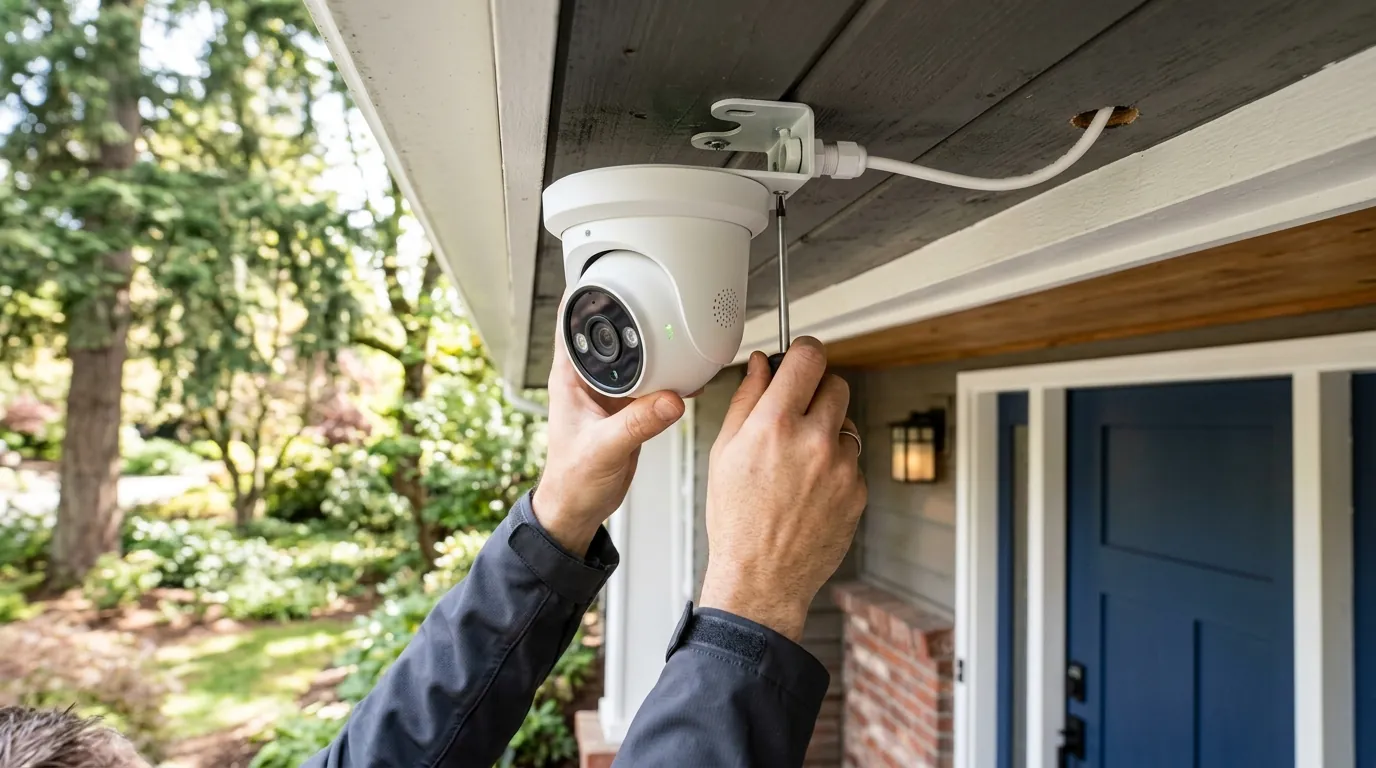
Best Outdoor Security Cameras Without Subscriptions (2026 Guide)
The high cost of cloud storage has finally reached a breaking point for many homeowners, leading to a massive shift toward local-storage hardware that requires no monthly fees.
Quick Answer: The Reolink Altas PT Ultra and Eufy SoloCam S340 are the top 2026 picks. Both offer 4K/3K resolution, 360° coverage, and local AI detection with zero monthly fees. For budget buyers, the Tapo C425 offers 2K video for under $100.
What happened
The landscape of home security has shifted dramatically between 2024 and 2026. For years, the industry leaders—Ring, Nest, and Arlo—successfully conditioned the market to accept “hardware-as-a-service,” where a camera’s most basic functions (like person detection or even viewing recorded clips) were locked behind a paywall. However, several factors have converged to make “no-subscription” cameras the dominant preference for informed buyers.
First, subscription fatigue has set in. Following a series of aggressive price hikes in 2025, the cost of maintaining a multi-camera cloud ecosystem has climbed significantly. Basic plans that once cost $30 per year now frequently exceed $50 per year per device, while “plus” or “professional” tiers for unlimited cameras have reached the $150–$200 annual range.
Second, the technical justification for the cloud has evaporated. Historically, brands argued that AI processing (distinguishing a human from a swaying branch) required the massive computing power of cloud servers. In 2026, the latest generation of Edge AI chips—such as Eufy’s BionicMind and Reolink’s local detection algorithms—perform these calculations locally on the device with higher accuracy and lower latency than cloud-based predecessors.
The End of the ‘Cloud AI’ Excuse
In 2026, on-device AI is no longer a premium “extra”; it is a standard feature for subscription-free brands. Modern outdoor cameras now include dedicated Neural Processing Units (NPUs) that identify humans, vehicles, and pets in real-time. Because the processing happens on the camera or a local hub, users receive notifications in under two seconds, whereas cloud-reliant cameras often lag by five to ten seconds while the video is uploaded, analyzed, and sent back.
Battery Tech Finally Hits the 24/7 Wall
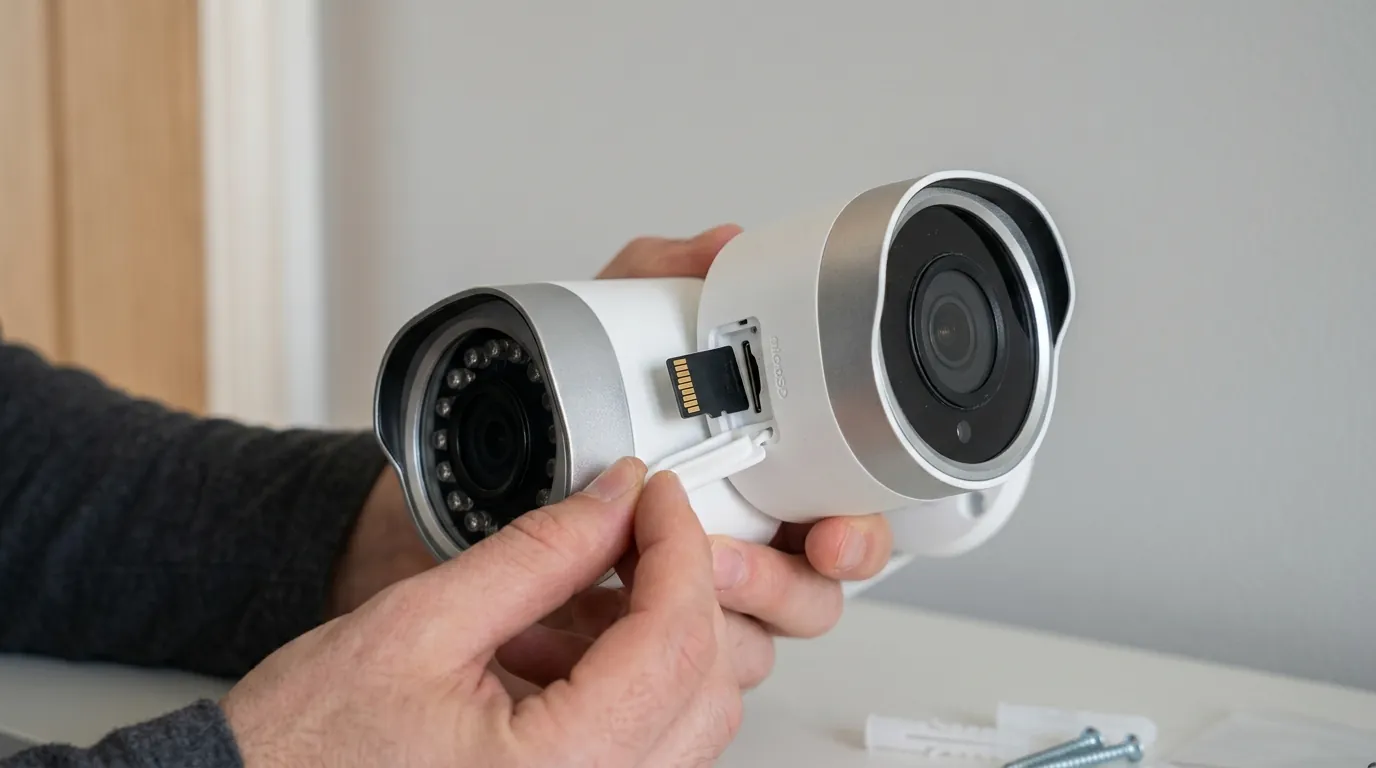
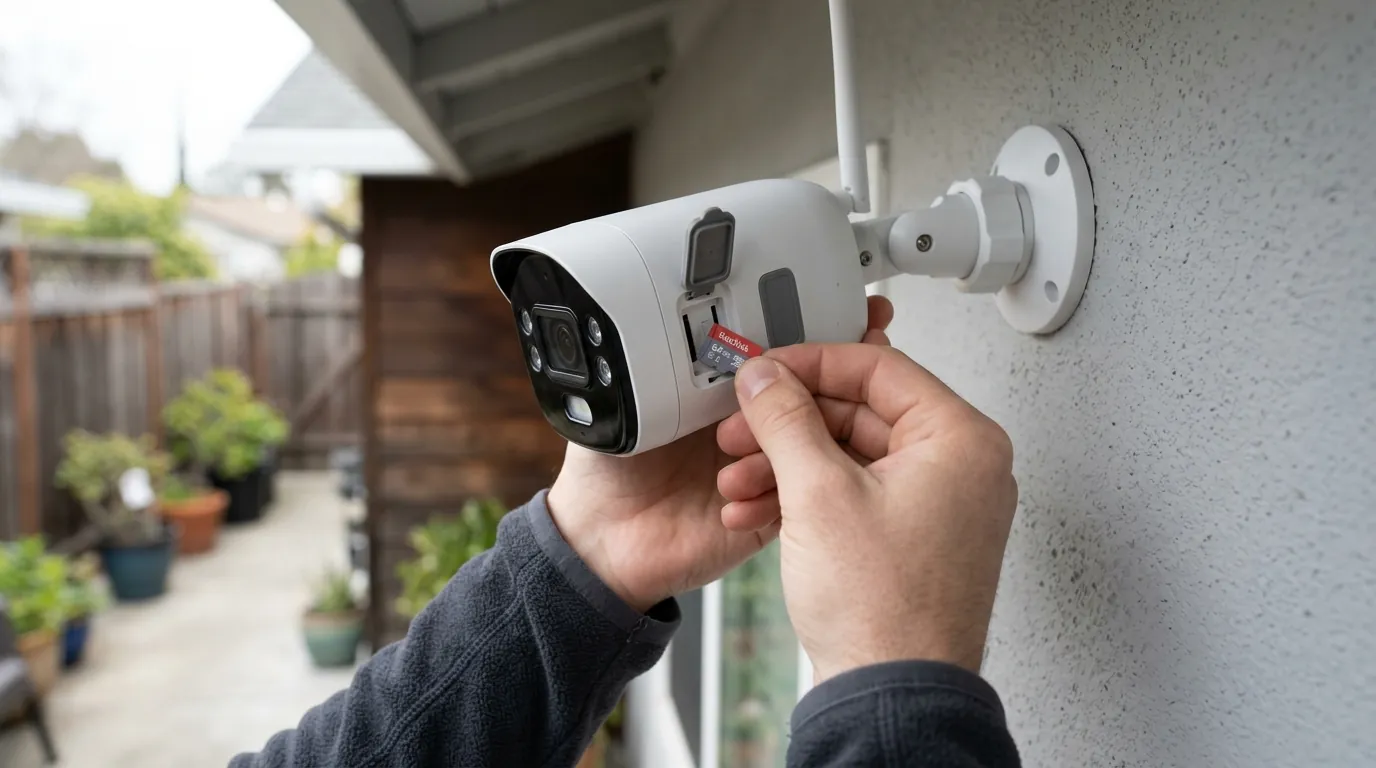
Perhaps the most significant breakthrough of 2025-2026 is the “Continuous Battery” camera. Previously, if you wanted 24/7 continuous recording, you had to run a power wire. Battery-powered cameras were strictly “event-based,” meaning they only recorded when they sensed motion. The release of high-capacity systems, most notably the Reolink Altas PT Ultra with its 20,000mAh battery, has changed this. When paired with high-efficiency solar panels, these cameras can now record continuously to a local microSD card, providing the same “security blanket” as a wired NVR system without the professional installation costs.
Comparison of 2026 Subscription Costs (Annual)
| Brand | Basic Plan (1 Cam) | Plus/Premier (Unlimited) | Local Storage Support |
|---|---|---|---|
| Ring | ~$50 | ~$150+ | No (Requires Edge + Subscription) |
| Arlo | ~$60–$80 | ~$180+ | Limited (Requires Base Station) |
| Nest | ~$80 | ~$150 | No (Cloud only for history) |
| Eufy | $0 | $0 | Yes (HomeBase 3 / SD Card) |
| Reolink | $0 | $0 | Yes (microSD / NVR / Home Hub) |
| TP-Link Tapo | $0 | $0 | Yes (microSD / Hub) |
Why it matters for buyers
Choosing a camera without a subscription is no longer just about saving a few dollars at the checkout; it is a fundamental decision regarding the Total Cost of Ownership (TCO) and data privacy.
The Math of ‘Free’ vs. ‘Paid’ Hardware
A common trap for new buyers is the “low-cost” entry point. A $50 camera that requires a $10/month subscription to be useful is significantly more expensive over its lifespan than a $200 camera with no fees. When we calculate the 5-year TCO, the “expensive” local-storage camera wins by a wide margin.
5-Year TCO Comparison:
- Subscription-Locked Camera: $50 (Hardware) + $600 ($10/mo for 60 months) = $650
- Subscription-Free Camera: $200 (Hardware) + $30 (High-Endurance 256GB SD Card) = $230
By opting for a subscription-free model like the Eufy SoloCam S340 or Reolink Altas, the buyer saves roughly $420 per camera over five years. For a home with four cameras, this represents a $1,680 saving.
Privacy as a Product Feature
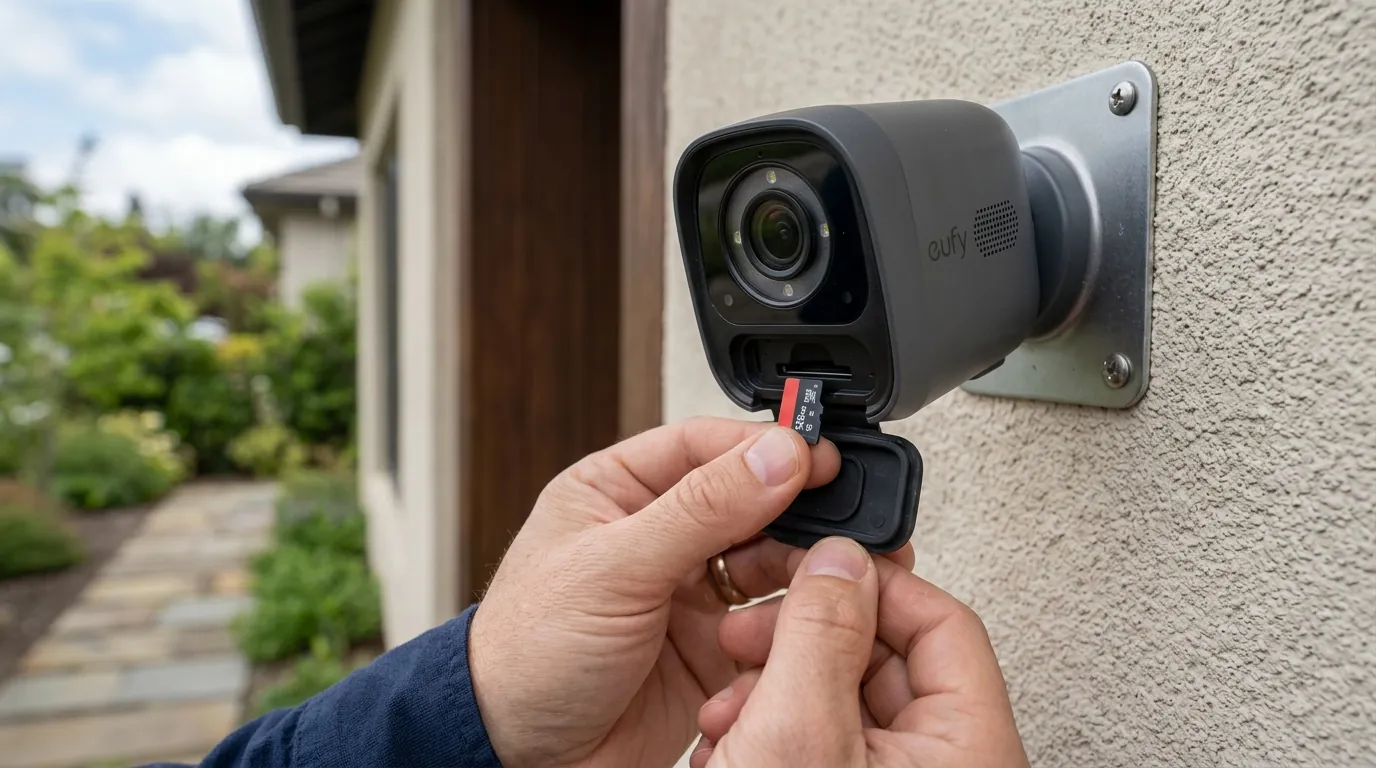
Privacy has moved from a niche concern to a primary selling point. Local storage means your footage is stored on a physical drive inside your home (either an SD card in the camera or a hard drive in a local hub). This architecture offers two major privacy advantages
- Mitigating Cloud Breaches: If a cloud provider’s servers are compromised, hackers can potentially access thousands of live feeds. With local storage, your data is as secure as your home Wi-Fi network.
- Data Sovereignty: Major brands like Ring and Nest have historically faced scrutiny over sharing footage with law enforcement without a warrant or user consent. With a local NVR or SD-based system, you are the sole gatekeeper of your data.
Internet Independence
Subscription-based cameras are often “tethered” to the cloud. If your internet service provider goes down, or if the brand’s servers experience an outage, these cameras often stop recording entirely. In contrast, local-storage cameras continue to record to their internal memory regardless of internet connectivity. This is a critical distinction for “small-business” security where a Wi-Fi jammer or a simple internet outage could otherwise create a total security blind spot.
Impact on existing owners
For those already entrenched in ecosystems like Ring or Arlo, 2026 has brought some difficult realizations.
Legacy Hardware ‘Nerfing’
As brands pivot toward recurring revenue, older hardware models are being “nerfed” through firmware updates or policy changes. We have seen a trend where features that were once free—such as basic “Rich Notifications” (which show a snapshot of the person on your lock screen) or “Home/Away” scheduling—are being migrated into paid subscription tiers. Owners of legacy hardware are effectively being told to “pay up or lose features.”
The Migration Trend
This “feature sunsetting” has triggered a massive migration trend. Users are increasingly “cross-grading”—selling their subscription-locked gear on the secondhand market and reinvesting in ecosystems like the Eufy HomeBase 3 or Reolink Home Hub. These local hubs act as a centralized brain for the home, allowing users to add multiple cameras and even expand storage up to 16TB using standard SATA hard drives.
Can You Convert Your Existing Cameras?
Unfortunately, for owners of Ring or Nest, there is no “jailbreak” or firmware flash that allows these cameras to record to a local NVR. They are proprietary by design. If you want to exit the subscription cycle, a full hardware replacement is usually the only path. The resale value of these subscription-locked cameras has also plummeted in 2026, as savvy buyers on platforms like eBay and Facebook Marketplace now prioritize “no-sub” hardware.
What to do now
If you are shopping for an outdoor camera today, the market has three clear leaders depending on your specific needs.
Top Pick (Performance): Reolink Altas PT Ultra
The Altas PT Ultra represents the pinnacle of 2026 battery technology. It is a 4K Pan-Tilt camera that solves the two biggest complaints about battery cameras: low resolution and “missed” events.
- Key Specs: 4K UHD resolution, 20,000mAh battery, and Reolink’s ColorX technology, which provides full-color night vision in near-total darkness without needing visible spotlights.
- Storage: Supports up to 512GB microSD cards for local recording or can link to the Reolink Home Hub.
- Price Range: Around $210.
- Best For: Homeowners who want 24/7 recording but cannot run power cables to their mounting locations.
Top Pick (Ecosystem): Eufy SoloCam S340
Eufy has perfected the “set it and forget it” outdoor camera. The S340 is a dual-lens system that offers both a wide-angle view and a telephoto lens for zooming in on license plates or faces.
- Key Specs: 3K resolution, 360° pan/tilt, and an integrated solar panel that is adjustable to catch the best angle of the sun.
- AI: Fully compatible with Eufy HomeBase 3, which offers “Self-Learning AI” that can recognize frequent visitors and ignore family members while alerting you to strangers.
- Price Range: $150–$200.
- Best For: Users who want the smartest AI features and a cohesive app experience without a monthly fee.
Top Pick (Budget): TP-Link Tapo C425
For those who need reliable security under $100, the Tapo C425 is the current value king.
- Key Specs: 2K QHD resolution, a 10,000mAh battery (rated for up to 300 days on a single charge), and a magnetic mount that makes installation a breeze.
- Storage: Local microSD support up to 512GB.
- Price Range: Under $100.
- Best For: Renters or budget-conscious buyers who need high-quality person and vehicle detection without a financial commitment.
Decision Framework: Which Camera Should You Buy?
| If you are a… | Prioritize… | Recommended Model |
|---|---|---|
| Renter | Easy removal & magnetic mounts | Tapo C425 |
| Homeowner (No Wires) | Solar power & Dual-lens coverage | Eufy SoloCam S340 |
| Homeowner (Security First) | 24/7 continuous battery recording | Reolink Altas PT Ultra |
| Small Business | NVR compatibility & 4K detail | Reolink RLC-811A (Wired) |
The 2026 ‘No-Sub’ Buying Checklist
Before you purchase, ensure the camera meets these three “future-proofing” criteria
- High Endurance microSD Support: Ensure the camera supports at least 256GB (ideally 512GB). For 24/7 recording, always buy “High Endurance” cards specifically designed for video surveillance (e.g., SanDisk Max Endurance or Samsung PRO Endurance).
- Matter 1.4/1.5 Certification: Matter is the new universal smart home standard. Cameras with Matter 1.4+ support can stream video directly to Apple Home, Google Home, or Amazon Alexa hubs locally, without needing the manufacturer’s cloud bridge.
- Local AI Detection: Verify that “Person/Vehicle Detection” is listed as an “on-device” or “local” feature. If the box says “AI available with [Brand] Cloud,” put it back on the shelf.
How to Set Up a Local Storage Hub
While microSD cards are convenient, the ultimate “no-subscription” setup involves a local hub. Systems like the Eufy HomeBase 3 or Reolink Home Hub act as a central vault. If a thief steals your camera, you don’t lose the footage—it is safely stored on the hub inside your house. These hubs also extend the Wi-Fi range of your cameras and consolidate all notifications into a single, unified interface.
Quvii tracks these trade-offs across the category to ensure buyers aren’t just looking at the sticker price, but the long-term cost and privacy implications of their security choices.
Sources
- Reolink Altas PT Ultra Official Specs — https://reolink.com/product/altas-pt-ultra/
- Eufy SoloCam S340 Product Page — https://www.eufy.com/products/t81701w1
- TP-Link Tapo C425 Specifications — https://www.tapo.com/us/product/smart-camera/tapo-c425/
- The Verge: Ring and Nest Price Hikes — https://www.theverge.com/2024/2/2/24059002/amazon-ring-protect-basic-subscription-price-increase
- CSA (Connectivity Standards Alliance): Matter 1.4 Update
- RTINGS: Best Outdoor Security Cameras