
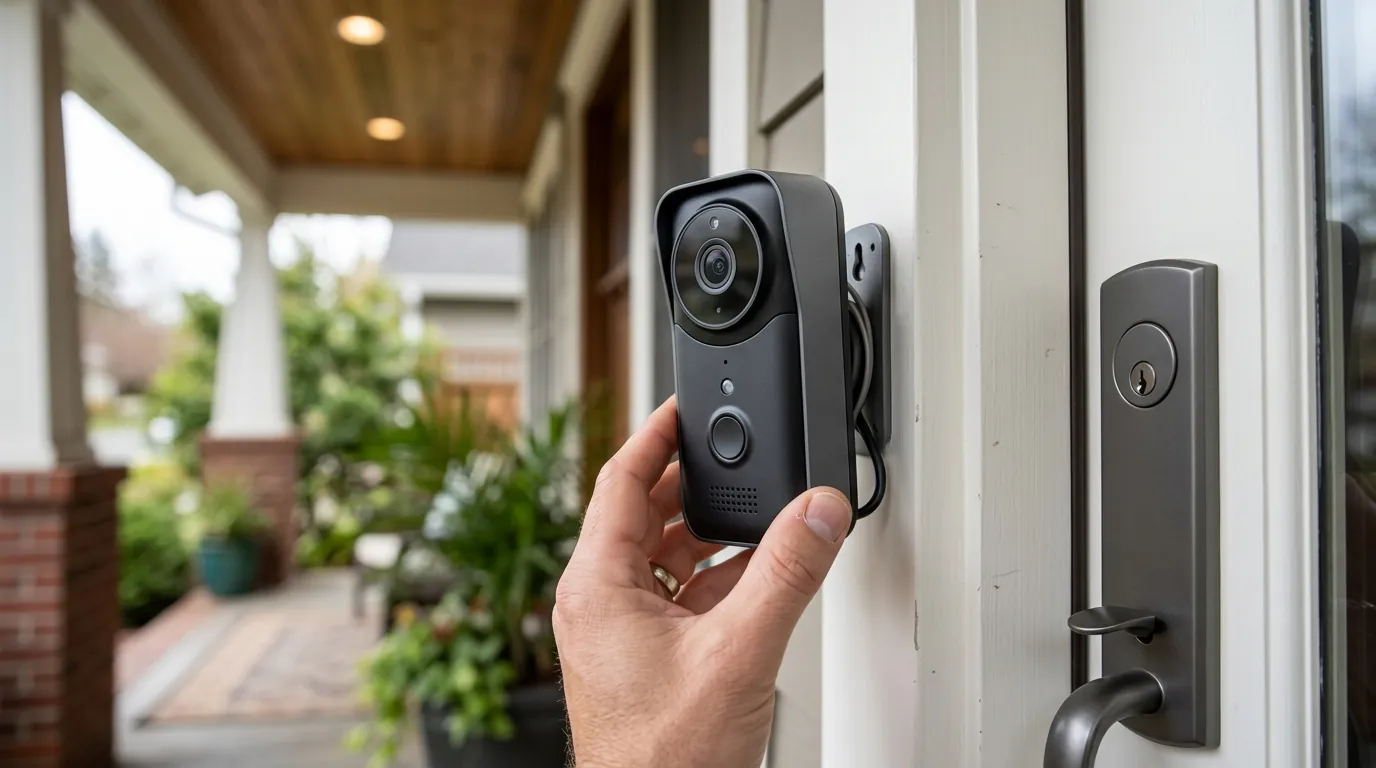
Best Doorbell Cameras That Record Locally (2026 Guide)
Choosing a doorbell camera used to mean choosing a monthly bill, but a shift toward local storage is finally giving homeowners a way to opt out of the “subscription tax.”
For 2026, the Reolink Video Doorbell (PoE) and Eufy E340 are the top picks for local recording. They offer 2K+ resolution and store footage on microSD or home hubs, saving you up to $200/year in subscription fees.
What happened
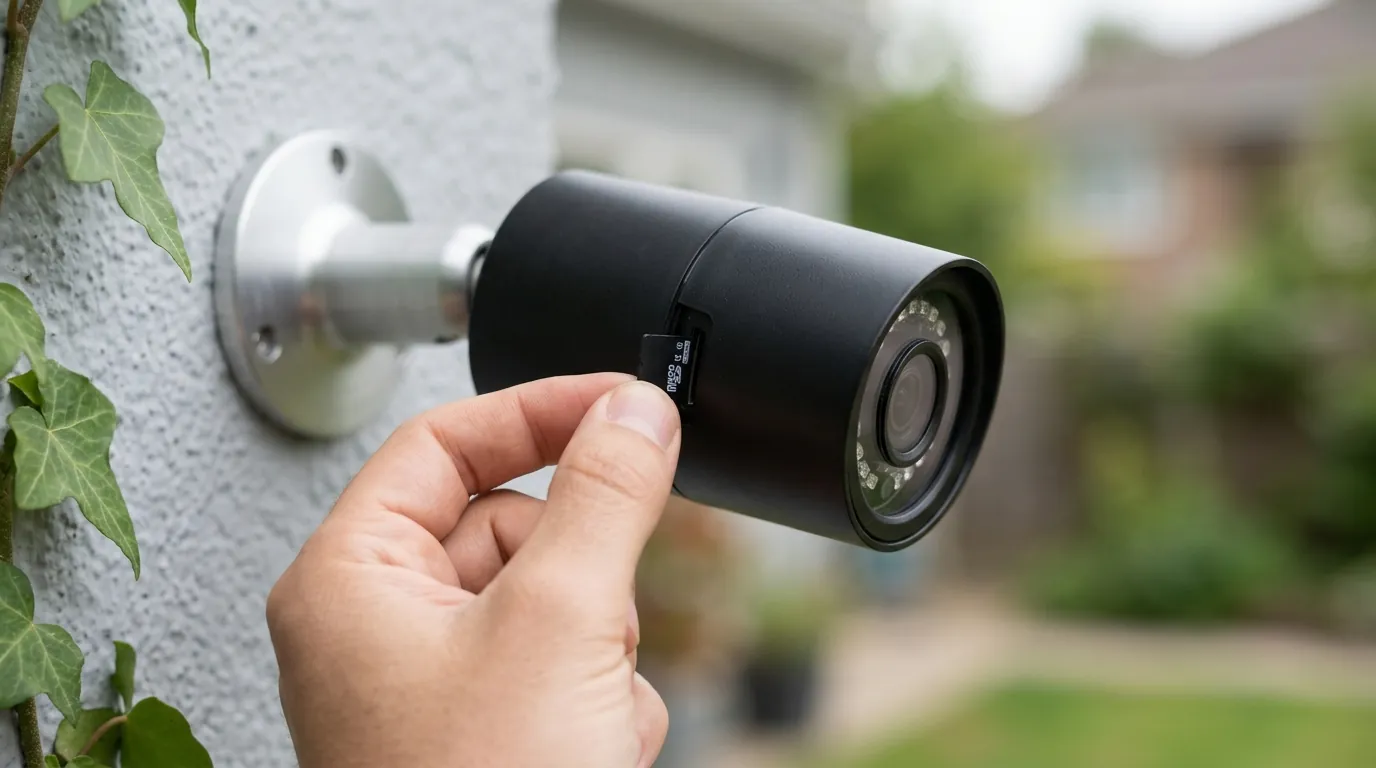
The landscape of home security shifted drastically between 2024 and 2026. What was once a market dominated by “cloud-first” giants like Ring and Nest has fractured, driven by consumer exhaustion over rising monthly costs and high-profile privacy concerns.
The 2025-2026 Subscription Price Hikes
In what industry analysts have dubbed the “Great Subscription Migration,” major incumbents implemented record-high price increases. Ring, following its 2024 price adjustments, raised its basic tier again in late 2025. Similarly, Google Nest Aware and Arlo Secure plans have seen compounding increases, with some multi-camera professional plans now reaching the $200/year threshold. For many users, the cost of the subscription over three years now exceeds the original price of the hardware itself.
The Rise of Local Edge AI
Technological limitations used to be the primary excuse for cloud-mandated systems. Processing video to identify a human versus a swaying tree required the heavy lifting of remote servers. However, 2026 models from brands like Eufy and Reolink now perform facial, pet, and package recognition entirely on-device (Edge AI). By moving the “brains” of the camera into the doorbell’s own processor, these manufacturers have removed the last technical requirement for mandatory cloud processing.
Furthermore, the hardware for storing this data has evolved. The Eufy HomeBase 3, which supports expandable storage up to 16TB via 2.5-inch SSDs, has made local storage more reliable and capacious than the fragile microSD cards of the past. Privacy has transitioned from a niche enthusiast requirement to a mainstream consumer demand following several 2025 cloud data breaches that exposed private front-porch footage to unauthorized third parties.
2026 Subscription Cost vs. Local Storage ROI
| Brand/Model | Storage Type | Annual Sub. Cost (2026) | 3-Year Total Cost (Est.) | AI Features |
|---|---|---|---|---|
| Ring Battery Doorbell Pro | Cloud Only | ~$60–$120 | $400–$550 | Cloud-processed |
| Nest Doorbell (Gen 2) | Cloud Only | ~$80–$150 | $420–$630 | Cloud-processed |
| Eufy Video Doorbell E340 | Local (HomeBase 3) | $0 | ~$180–$250 | On-device Edge AI |
| Reolink PoE Doorbell | Local (NVR/SD) | $0 | ~$100–$350* | On-device Edge AI |
| Aqara G4 | Local (SD/HomeKit) | $0 | ~$120 | On-device Edge AI |
*Includes estimated cost of a dedicated NVR for 24/7 recording.
Why it matters for buyers
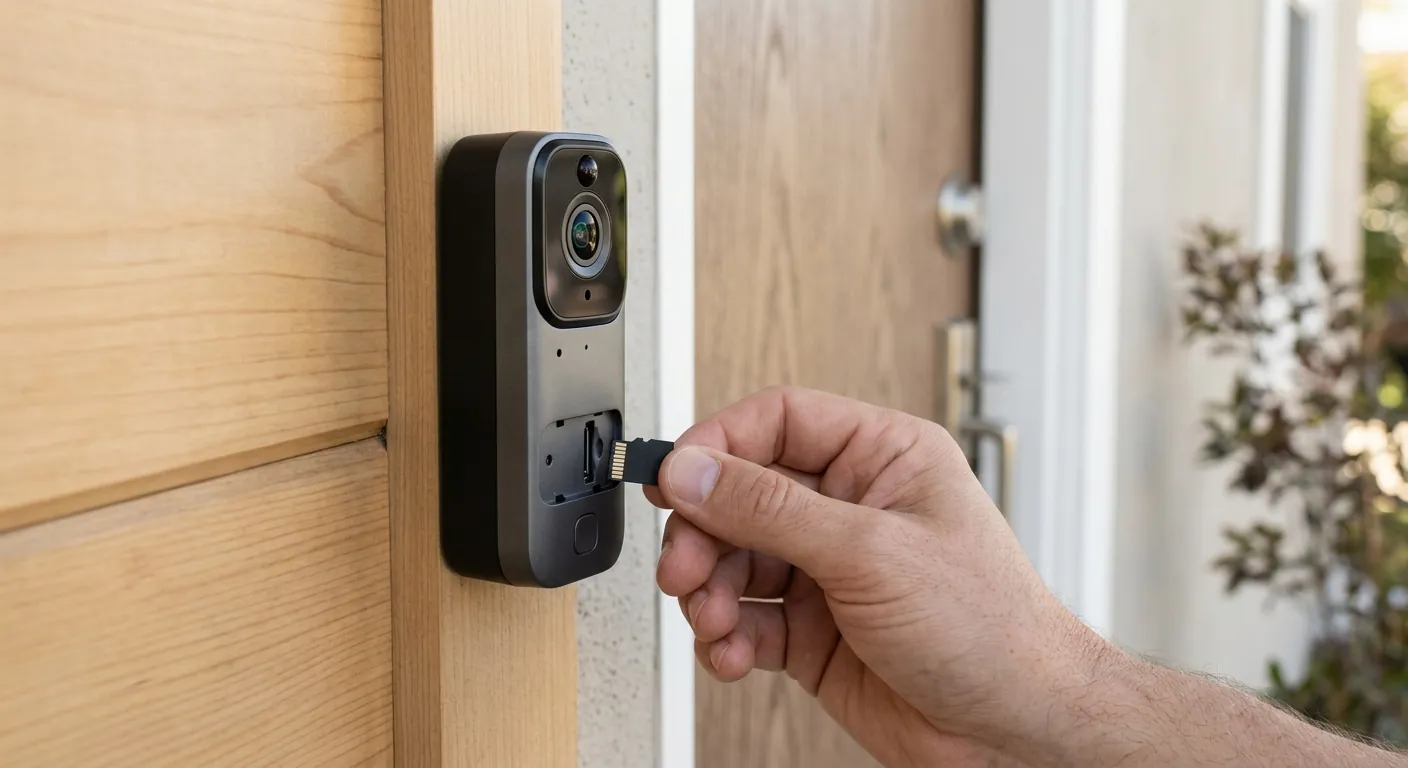
The move to local storage is not merely a philosophical stance on privacy; it is a pragmatic financial and operational decision.
Financial ROI: The 3-Year Cost Comparison
The most immediate impact is the total cost of ownership (TCO). A standard subscription-based doorbell typically carries a lower entry price but a much higher long-term cost. When you factor in the hardware, a local-storage doorbell like the Eufy E340 (around $180) typically pays for itself within 12 to 18 months. By year three, a Ring user may have spent over $500 on a single camera and its associated fees, while the local storage user has spent nothing beyond the initial purchase.
Privacy and Data Ownership in 2026
Local recording ensures “Data Sovereignty.” When footage is stored on a device inside your home, it never leaves your network unless you choose to access it remotely. This provides a critical buffer against law enforcement requests made directly to corporations without warrants—a practice that has faced increasing scrutiny. By keeping data local, you maintain legal control over who views your front-door activity.
Zero-Latency Access
Accessing clips via a local network (LAN) is significantly faster than fetching them from a remote cloud server. In our synthesis of community benchmarks from r/HomeSecurity, local systems consistently show a “Time to Clip” (the time from clicking a notification to seeing the video) of under 1.5 seconds. Cloud-based systems often struggle with 3–6 second latencies, which can be the difference between identifying a porch pirate and seeing the back of a van driving away.
Reliability During Network Outages
Internet independence is the final pillar of local storage. If your ISP goes down or a bad actor uses a Wi-Fi jammer, a cloud-based camera effectively becomes a paperweight. Local systems, especially wired PoE (Power over Ethernet) models, continue to record and store footage to an internal NVR or microSD card regardless of your internet status.
Impact on existing owners
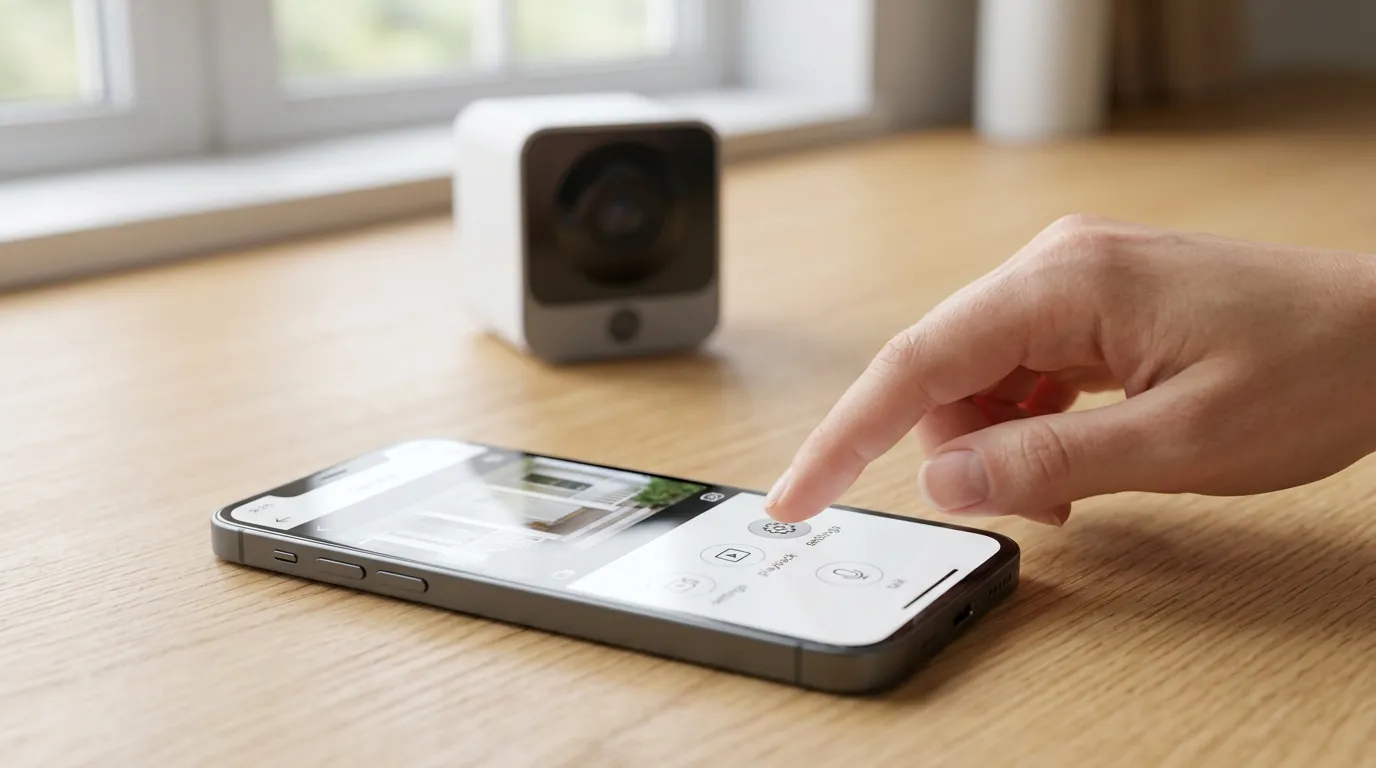
Current owners of doorbell hardware are facing a diverging path depending on their chosen ecosystem.
The “Legacy Trap”
Owners of older Ring and Nest hardware are finding their devices increasingly limited. As these companies push users toward higher-tier plans, features that were once free—such as basic person detection or longer clip storage—are being moved behind paywalls. This “feature creep” has left many legacy owners with hardware that is functional but hobbled by software restrictions.
Firmware Watch: Eufy E340 and HomeBase 3
For those already on local-storage platforms, firmware stability is the new frontier. In May 2026, Eufy released critical firmware (v3.2.5.2) for the E340 to address specific battery drain issues occurring when the unit was paired with the HomeBase 3. Owners who have not updated may experience significantly reduced battery life, as the camera’s communication with the local hub was previously failing to enter a low-power state correctly.
The MicroSD “Wear and Tear” Reality
Local storage users must also contend with hardware longevity. Recording 2K or 4K video streams to a microSD card is a high-intensity task. Standard “Value” cards often fail within 12 months due to the high number of write cycles. We recommend only “High Endurance” cards (such as the WD Purple or Samsung PRO Endurance) which are specifically rated for continuous video surveillance.
Software Stability Concerns
Recent updates to the Aqara Home app (v6.1.5) briefly caused issues where local storage settings were hidden or difficult to navigate. This highlights a persistent risk: even if your storage is local, the software interface used to access it is often still controlled by the manufacturer’s cloud-based app.
What to do now
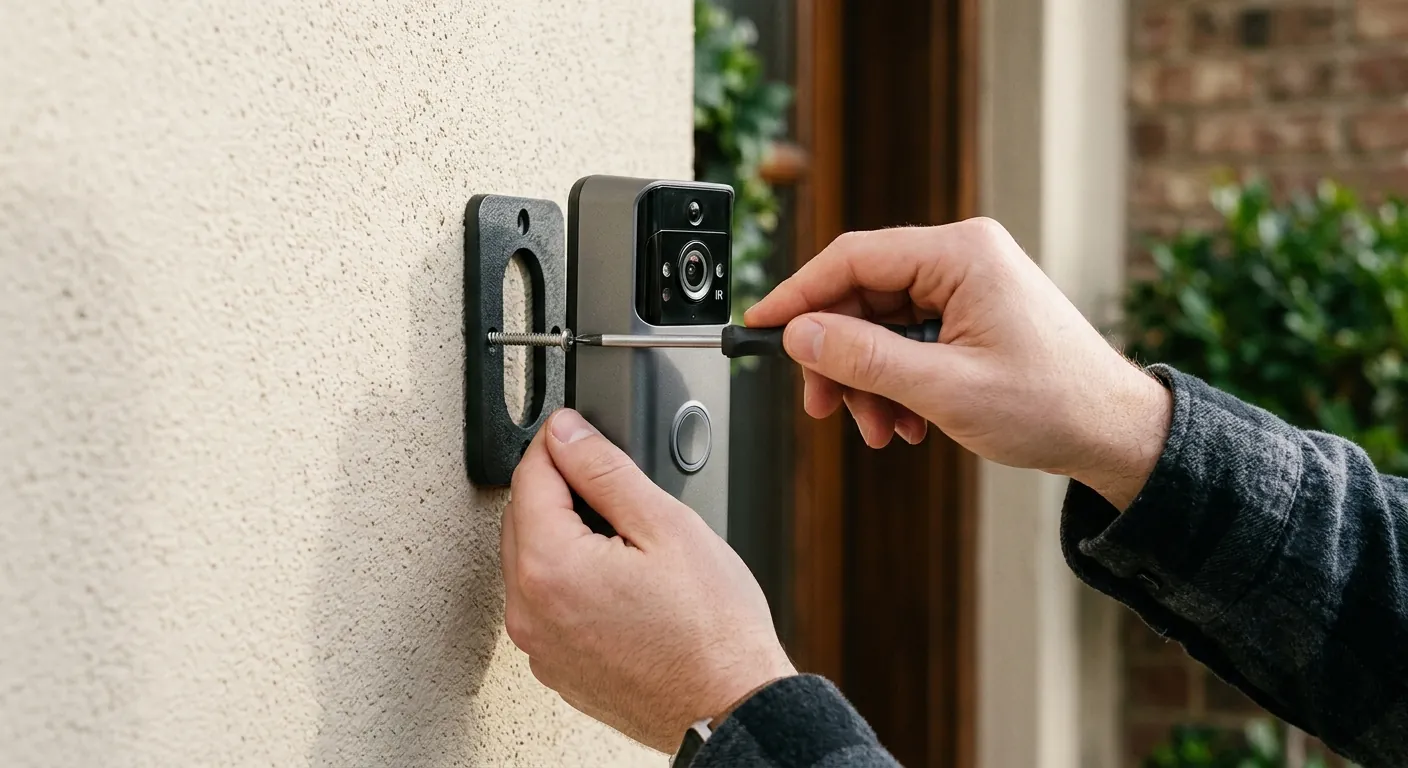
If you are looking to secure your front door in 2026 without a subscription, your decision should be based on your home’s wiring and your technical comfort level.
Step 1: Evaluate Your Wiring (PoE vs. Battery)
The most reliable local storage is achieved through a wired connection. If you can run an Ethernet cable to your door, the Reolink Video Doorbell PoE (under $100) is the gold standard. It allows for 24/7 continuous recording to a Reolink NVR or a microSD card, bypassing the limitations of motion-only recording. If you are a renter or cannot run wires, a battery-powered model with a dedicated hub is the next best option.
Step 2: Select Your Storage Hardware
There are three primary tiers of local storage:
- MicroSD (Budget): Cheap and easy, but limited capacity and higher failure rates. (Best for: Aqara G4).
- Home Hub (Convenience): Uses a central hub inside the house (like Eufy HomeBase 3) to store data from multiple cameras. (Best for: Eufy E340).
- NVR/NAS (Professional): Records to a dedicated hard drive array. This is the most secure and offers the longest retention (months of footage). (Best for: Reolink or Ubiquiti).
2026 Comparison Matrix: Top Local Recording Doorbells
| Model | Power | Storage Location | Max Capacity | Best For |
|---|---|---|---|---|
| Eufy E340 | Battery/Wired | HomeBase 3 / SD | 16TB (Hub) | General Homeowners |
| Reolink PoE | PoE (Ethernet) | NVR / SD | 256GB (SD) / 16TB+ (NVR) | Maximum Reliability |
| Aqara G4 | Battery/Wired | Chime Unit (SD) | 512GB | Apple HomeKit Users |
| Ubiquiti G4 Pro | PoE / USB-C | UniFi NVR | Unlimited (NVR) | Prosumers/Business |
Top Recommendations
Best Overall: Eufy Video Doorbell E340 (around $180) The E340 is the most versatile choice for most users. It features a unique dual-camera design: a 2K front-facing lens for visitors and a 1080p downward-facing lens for package tracking. When paired with the HomeBase 3, it offers massive storage potential and sophisticated AI that can recognize familiar faces.
Best for Reliability: Reolink Video Doorbell PoE (under $100) For those who prioritize uptime, the Reolink PoE is unmatched. Because it uses a physical wire for both power and data, it is immune to Wi-Fi interference and jamming. It integrates seamlessly with most third-party Network Video Recorders (NVRs) via ONVIF, making it a favorite for the r/HomeSecurity community.
Best for Smart Home Integration: Aqara G4 (around $120) The Aqara G4 is the premier choice for Apple users. It is one of the few doorbells that supports HomeKit Secure Video (HKSV) while also offering a local microSD slot located inside the chime unit (the part that stays inside your house). This ensures that even if a thief steals the doorbell itself, your footage remains safe inside.
Step 3: Secure Your Local Network
Local storage does not mean “offline.” Most of these cameras still connect to your Wi-Fi to send notifications to your phone. To ensure your local footage remains private, ensure your local hub or NVR is behind a secure firewall and, if possible, placed on a dedicated IoT (Internet of Things) VLAN to isolate it from your primary computers.
Decision Framework: Which Local Doorbell Should You Buy?
- If you are a renter: Prioritize the Aqara G4. Its battery power and internal chime storage make it easy to install and remove without damaging the property.
- If you want “Set it and Forget it”: Choose the Eufy E340. The app experience is polished, and the HomeBase 3 manages the storage automatically.
- If you are building/renovating: Install the Reolink PoE. Running Ethernet now will provide the most stable security foundation for the next decade.
- If you already have a UniFi network: The Ubiquiti G4 Doorbell Pro is the logical choice, keeping all your footage within the UniFi Protect ecosystem.
By selecting a local-first system in 2026, you are not just saving money; you are reclaiming control over your home’s data. While the initial setup may require more thought than a “plug-and-play” Ring, the long-term benefits of privacy, speed, and zero monthly fees make it the superior choice for the modern home. Quvii tracks these trade-offs across the category to help you navigate the evolving landscape of home security.
Sources
- Eufy Security — Video Doorbell E340 Product Page
- Reolink — Video Doorbell PoE Specs and NVR Compatibility
- Aqara — Smart Video Doorbell G4 Support and Firmware
- The Verge — The Rising Cost of Home Security Subscriptions
- RTINGS — Security Camera Latency and Performance Testing
- Ubiquiti — UniFi Protect G4 Doorbell Pro Technical Specifications
- Reddit r/HomeSecurity — Community Wiki on Local Storage Options