
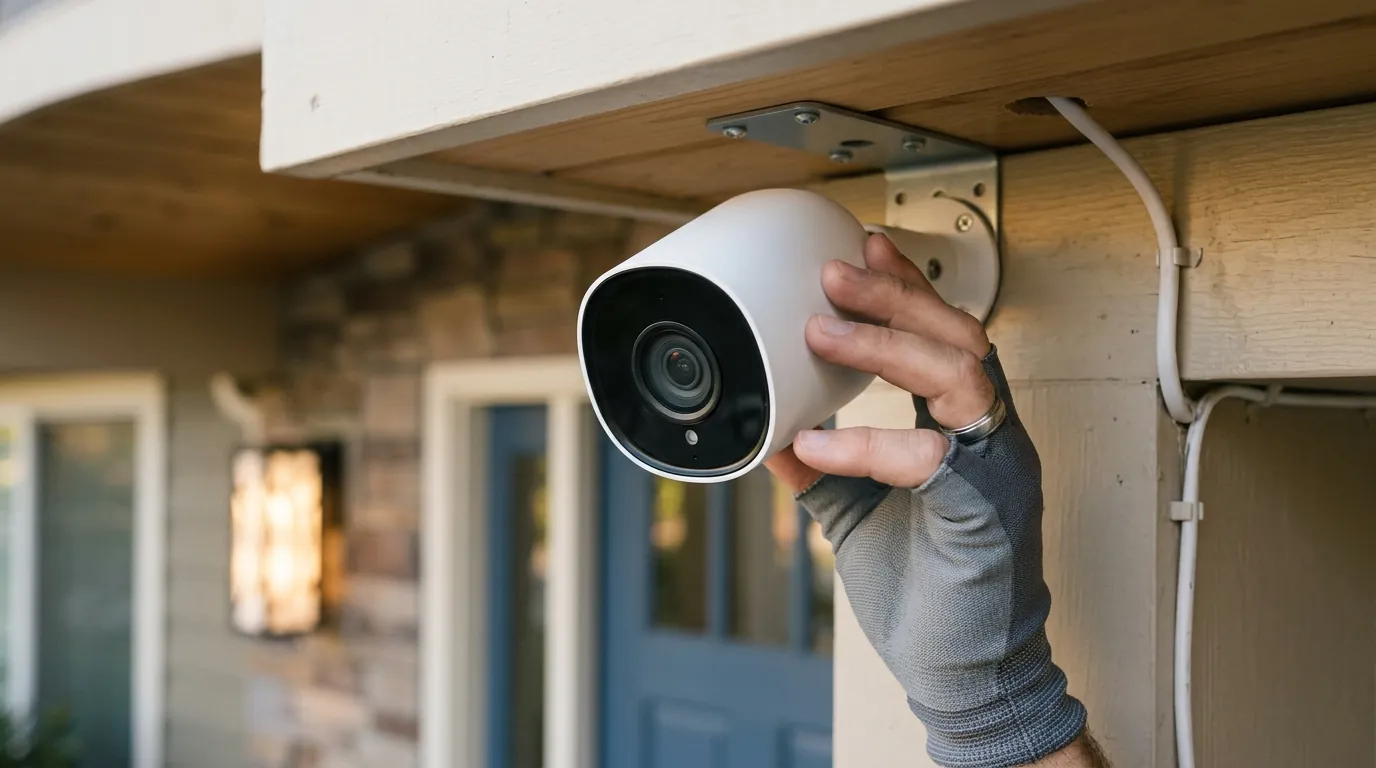
Arlo Pro 6 vs. Ring Stick Up Cam Pro: The 2026 Security Showdown
The 2026 security camera market is defined by a shift away from raw resolution toward sophisticated AI processing and radar-based detection, forcing buyers to choose between Arlo’s optical precision and Ring’s ecosystem value.
Quick Answer: In 2026, Arlo Pro 6 wins on optics with a 160° HDR field-of-view, while Ring Stick Up Cam Pro offers better value via its $10/mo ‘Multi’ plan and superior 3D Motion Detection. Both now strictly gate AI features behind subscriptions.
What happened
The landscape of consumer security changed significantly in the first half of 2026. For years, Arlo held a distinct advantage in resolution, offering 2K and 4K sensors while Ring remained largely anchored to 1080p. That gap closed in June 2026 with the official launch of Ring’s “Retinal 2K” hardware standard. This update brought 2K resolution to the Stick Up Cam Pro line, finally allowing Ring to compete on equal footing regarding pixel density and digital zoom clarity.
Simultaneously, Arlo launched the Pro 6 (6th Gen), marking a pivotal shift in the brand’s hardware philosophy. The most notable change is the move to universal USB-C charging, replacing the proprietary magnetic charging cables that had been a staple since the Pro 3. The Pro 6 also introduced an upgraded 8-month battery life cycle, achieved through more efficient sensor idling and improved firmware management.
However, the most controversial shift occurred in Q1 2026, when both brands officially sunsetted their “Legacy” free cloud tiers. This industry-wide move effectively placed all AI-driven features—including person, vehicle, and package detection—behind a mandatory subscription paywall. Furthermore, Ring rebranded its “Protect” plans to “Ring Home” (comprising Solo, Multi, and Pro tiers), fundamentally changing how multi-camera households calculate their monthly “security tax.”
The 2K Resolution Arms Race
With Ring’s adoption of Retinal 2K, the decision between these two brands no longer rests solely on resolution. Both cameras now provide sufficient detail to identify license plates at approximately 15–20 feet and facial features in well-lit conditions. Arlo, however, maintains a slight edge in image processing. The Arlo Pro 6 utilizes a high-dynamic-range (HDR) sensor that handles backlighting—such as a sunset behind a person—more effectively than the Ring Stick Up Cam Pro, which can occasionally blow out highlights in high-contrast environments.
The Death of the Free Tier
In 2026, the “out of the box” experience for both cameras is significantly more limited than in previous years. Without a monthly fee, both the Arlo Pro 6 and Ring Stick Up Cam Pro are relegated to basic motion alerts and live-viewing. Features that were previously considered standard, such as “Activity Zones” (which prevent a swaying tree from triggering an alert), are now locked behind Arlo Secure and Ring Home subscriptions. This shift has pushed many users toward local-storage alternatives, though Arlo continues to offer a local-save option via the Arlo SmartHub VMB5000, provided the user buys the hub separately.
| Feature | Arlo Pro 6 | Ring Stick Up Cam Pro |
|---|---|---|
| Resolution | 2K with HDR | Retinal 2K |
| Field of View (FOV) | 160° Diagonal | 140° Diagonal |
| Motion Detection | Pixel-based AI | 3D Motion Detection (Radar) |
| Battery Life | Up to 8 Months | Up to 6 Months |
| Charging Port | USB-C | USB-C |
| Smart Home | HomeKit, Alexa, Google | Alexa (Native), Google (Limited) |
| MSRP Band | $200 - $250 range | $150 - $200 range |
Why it matters for buyers
The choice between the Arlo Pro 6 and the Ring Stick Up Cam Pro in 2026 is less about the hardware on the wall and more about the intelligence and the “ecosystem tax” the user is willing to pay. While the hardware specs have converged, the underlying technology used to detect motion has diverged.
Field of View: 160° vs. 140°
The Arlo Pro 6 continues to lead in spatial coverage. Its 160-degree field of view is wide enough to cover a standard two-car driveway and the adjacent walkway with a single unit. The Ring Stick Up Cam Pro, at 140 degrees, is more susceptible to “blind spots” at the edges of the frame. For users mounting cameras in tight corners or narrow entryways, the Arlo’s wider lens reduces the number of cameras required to secure a perimeter.
Radar-Based Detection vs. Pixel-Based AI
Ring’s primary advantage in 2026 is its “3D Motion Detection” powered by radar technology. Unlike Arlo’s pixel-based detection—which analyzes changes in light and color to identify movement—Ring’s radar measures the physical distance of an object from the camera. This allows for “Bird’s Eye View,” a satellite-style map overlay that shows the exact path a visitor took on your property. In practical terms, radar is significantly more accurate at ignoring “false positives” like shadows or rain, making Ring the preferred choice for high-traffic urban environments.
Smart Home Compatibility (HomeKit vs. Alexa)
Ecosystem lock-in remains a primary driver for purchases. Arlo Pro 6 remains the premier choice for Apple HomeKit users, supporting HomeKit Secure Video (HKSV) when paired with a SmartHub. This allows users to keep their video within the Apple ecosystem. Ring, owned by Amazon, offers the deepest integration with Alexa devices. In 2026, the Ring Stick Up Cam Pro features optimized “Echo Hub” support, allowing for near-instantaneous live-stream pop-ups on Amazon’s dedicated smart home panels.
Long-term Cost Analysis
The “sticker price” of these cameras is only a fraction of the total cost. In 2026, the subscription gap has widened. An Arlo Secure “Unlimited” plan, necessary to get the most out of a multi-camera Pro 6 setup, now costs roughly $180/year ($17.99/mo). In contrast, the Ring Home “Multi” plan remains around $120/year ($10/mo) and covers an unlimited number of cameras at a single location. Over a five-year ownership period, a Ring user with four cameras will save approximately $300 compared to an Arlo user.
5-Year Total Cost of Ownership (TCO) Breakdown Based on 3 cameras + mid-tier subscription
| Brand | Hardware Cost (Est.) | 5-Year Sub. Cost | Total 5-Year TCO |
|---|---|---|---|
| Arlo Pro 6 | ~$650 | ~$900 | ~$1,550 |
| Ring Stick Up Cam Pro | ~$500 | ~$600 | ~$1,100 |
Privacy and Transparency
Privacy remains a critical differentiator. Arlo’s 2026 “Privacy Pledge” emphasizes that the company does not share data with law enforcement without a warrant and does not use customer footage for AI training without explicit opt-in. Ring has made strides in transparency following the 2024-2025 FTC settlements regarding data sharing, now offering a more robust “Control Center” in the app that allows users to opt-out of police request programs entirely and view every authorized login attempt in real-time.
Impact on existing owners
If you already own previous generations of these cameras, the 2026 updates bring a mix of feature upgrades and frustrating restrictions.
The Arlo Subscription Squeeze
The most significant impact on the Arlo community in early 2026 was the removal of “Activity Zones” for non-subscribers. This move sparked significant backlash on r/Arlo, as users who previously relied on local storage found their cameras flooded with “nuisance alerts” from street traffic that they could no longer filter out via the app. For existing Pro 4 or Pro 5S owners, upgrading to the Pro 6 provides better battery and USB-C convenience, but it does not escape the new subscription reality.
Ring’s Gen-AI Feature Rollout
Existing Ring owners are seeing a more feature-rich transition. Users on legacy “Protect Plus” plans are being automatically migrated to “Ring Home Multi.” This migration includes the rollout of “Video Descriptions,” a generative AI feature that provides a text summary of events (e.g., “A delivery driver in a red shirt left a package and petted the dog”). This feature significantly reduces the time spent scrubbing through footage to find a specific event.
Battery and Hardware Compatibility
Arlo has maintained a degree of backward compatibility that is rare in the industry. The Arlo Pro 6 uses the same battery form factor as the Pro 3, Pro 4, and Pro 5S. However, the move to a USB-C housing means that older magnetic charging cables (like the VMA5600C) will not work with the Pro 6. Users will need to transition to USB-C cables or use the VMA5600 Solar Panel specifically updated for the 2026 hardware.
Firmware Stability
Recent 2026 firmware updates for the Ring Stick Up Cam Pro have focused on improving “Pre-Roll” video quality. Pre-Roll is the small window of video captured before a motion event is triggered. In older 1080p models, this was often grainy and black-and-white; the 2026 update brings color and higher clarity to these crucial first seconds, making the Stick Up Cam Pro a viable upgrade for those still using the 2023 or 2024 versions.
What to do now
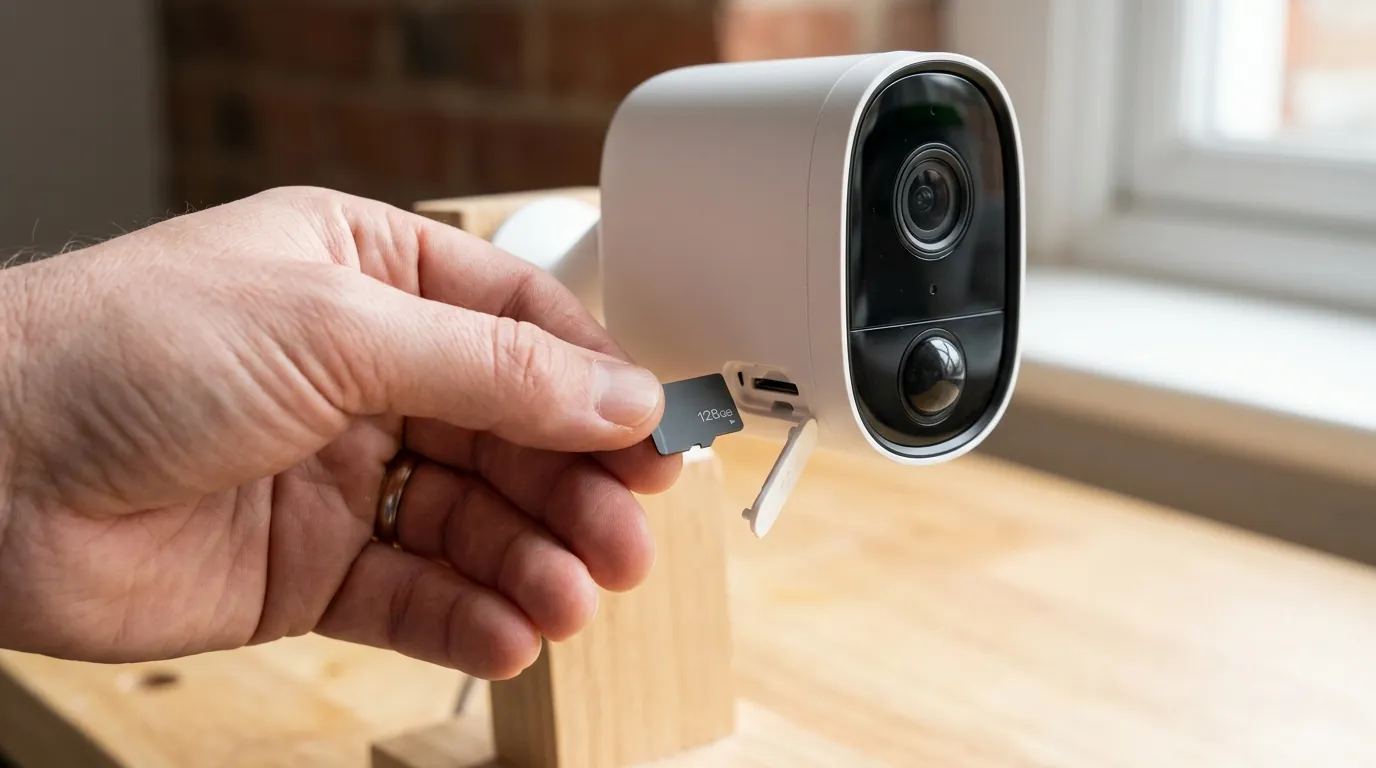
Choosing between these two systems requires a clear assessment of your property’s layout and your smart home ecosystem.
The ‘Optical Purist’ Choice: Arlo Pro 6
Buy the Arlo Pro 6 if you have a wide driveway, a large front yard, or high-contrast lighting conditions. The 160° FOV and superior HDR processing make it the better “camera,” regardless of the software. It is the best choice for those who need to identify faces at a distance or who are already committed to the Apple HomeKit ecosystem.
- Recommendation: Prioritize this if you are comfortable with a higher monthly “security tax” in exchange for better raw evidence.
The ‘Value Ecosystem’ Choice: Ring Stick Up Cam Pro
Opt for the Ring Stick Up Cam Pro if you already own a Ring Doorbell or use Alexa-enabled displays like the Echo Show. The $10/mo “Multi” plan is the most competitive pricing in the mainstream market for multi-camera homes. The 3D Motion Detection is a game-changer for those who live on busy streets and are tired of false motion alerts.
- Recommendation: Prioritize this if you want a “set it and forget it” system with the best motion accuracy and lowest long-term cost.
The ‘Subscription-Frustrated’ Alternative
If the 2026 price hikes and the gating of Activity Zones are dealbreakers, the mainstream market may no longer be for you. Brands like Reolink and Eufy have capitalized on the Arlo/Ring subscription fatigue by offering 2K and 4K cameras with local AI processing and zero monthly fees. While they lack the deep Alexa/HomeKit integration of the “Big Two,” they provide a significantly higher return on investment for the budget-conscious homeowner.
Decision Matrix: Which Camera Should I Buy?
| If you are a… | Prioritize… | Recommended Model |
|---|---|---|
| Apple HomeKit User | Privacy & HKSV | Arlo Pro 6 |
| Renter (1-2 Cameras) | Portability & Low Entry Cost | Ring Stick Up Cam Pro |
| Homeowner (4+ Cameras) | Long-term Subscription Savings | Ring Stick Up Cam Pro |
| Rural/Large Property | Wide Field of View (160°) | Arlo Pro 6 |
| Urban/Busy Street | False Alert Reduction (Radar) | Ring Stick Up Cam Pro |
Installation Tip
For those choosing the Arlo Pro 6, the 8-month battery life is a best-case scenario. To avoid the hassle of climbing a ladder to access the new USB-C port, ensure you use the 2026-spec Arlo Solar Panel (VMA5600). For Ring users, the Stick Up Cam Pro’s “Bird’s Eye View” works best when the camera is mounted between 8 and 10 feet high, allowing the radar to accurately map the ground plane.
Quvii tracks these trade-offs across the category to help buyers navigate an increasingly complex subscription landscape.
Sources
- Arlo Technologies — Arlo Pro 6 Official Product Page
- Ring (Amazon) — Stick Up Cam Pro Specs and Retinal 2K Announcement
- Ring (Amazon) — Ring Home Subscription Tier Details
- Arlo Technologies — Arlo Secure Plan Pricing and Feature Matrix
- Federal Trade Commission — FTC Settlement and Privacy Mandates for Ring
- Arlo Technologies — Arlo Privacy Pledge and Data Transparency Report
- Reddit r/HomeSecurity — 2026 Community Comparison: Arlo vs. Ring Subscription Hikes